Contents
Hair removal in the intimate area has become very popular in recent years, and more women are paying attention to it. Opinions differ on its pros and cons, and businesses have launched all kinds of devices and products so that shyer women can remove hair at home. But beyond hair removal, how much do you know about caring for the intimate area? As everyone knows, hair removal cannot fully solve problems like odor and itching! So today our editors have put together a few key points to share some knowledge about intimate area care.
Understanding the pH of the Intimate Area
The intimate area is divided into the internal area (vagina) and the external area (vulva), and their pH values differ. The healthiest environment is “mildly acidic.” The vagina is home to a large community of microorganisms, namely lactobacilli, and its main components include water, acetic acid, and probiotic flora, and the probiotics secrete lactic acid to keep the intimate area in a “mildly acidic environment,” which inhibits the growth of harmful bacteria and keeps the vagina healthy!
Vaginal pH 3.8-4.5, vulvar pH 5
The vagina contains many naturally occurring bacterial species known as “commensal bacteria.” They help maintain health and normal function, balance the pH, and reduce or kill other bacteria that enter. If the normal bacterial balance is disrupted, infection and inflammation can result. In other words, when the pH rises and acidity falls, the lactobacilli decline, and the natural barrier and self-cleaning function that form on the vaginal mucosa are damaged. This gives other bacteria a chance to multiply, and in turn causes disease or problems such as itching, abnormal discharge, and odor.
Why the Intimate Area Often Feels Stuffy and Uncomfortable
According to data, about 70-80% of women worldwide suffer from inflammation of the intimate area. Add Taiwan's humid climate, overly tight clothing, or lowered immunity, and inflammation can develop, causing redness, swelling, itching, odor, and a burning discomfort!
And underwear that doesn't breathe, improper washing, long-term wear of tight or chemical-fiber clothing, using sanitary pads for long periods, or clothes that stay damp from repeated sweating can all become breeding grounds for bacteria and fungi, leading to infection, more discharge, and an unpleasant fishy odor.
Common causes of intimate area stuffiness:
1. Hot, stuffy summers and damp winters
2. Synthetic fabrics, overly tight clothing, and fabric softener
3. Poor hygiene, panty liners, fragrances, or washing products
4. Antibiotic treatment, stress and fatigue, diet, and birth control pills
5. Intense sexual activity, pregnancy, menstruation, or menopause
How to Care for the Intimate Area? Solving Darkening, Odor, and Laxity Concerns
Do You Need a Specialized Product to Clean the Intimate Area?
Many people are used to using one bottle of body wash from head to toe when bathing. In recent years, many specialized intimate cleansers have appeared, and many people wonder: do I really need to buy one? I never had any problems with regular body wash before, did I? In fact, the skin of the intimate area is more fragile and delicate than skin elsewhere, and regular body wash has a different pH from the intimate area, and antibacterial cleansers tend to contain more alkaline ingredients, which are not good for the skin there. It is better to use a gentler cleanser, and we recommend formulas with a high content of natural plant ingredients.
(Choosing an intimate cleanser is like choosing facial cleanser rather than body wash to wash your face!)
Some women also ask: “Some doctors say the intimate area only needs to be washed with water. Is that true?” This advice exists because doctors worry that patients will over-wash the area or use medication carelessly. In fact, the intimate area easily collects sweat, urine, and special discharges, most of which are oily and cannot be washed off with water alone, leaving residue behind, so we still recommend a specialized, gentle cleanser.
Can Intimate Area Hair Removal Help Maintain Health?
First, let's look at what pubic hair does. Pubic hair helps keep foreign matter and bacteria out to prevent inflammation, and it protects the genital area and reduces friction pain. But since people today wear pants and underwear as a habit, they have begun to care about how the intimate area looks, and so they have started removing hair.
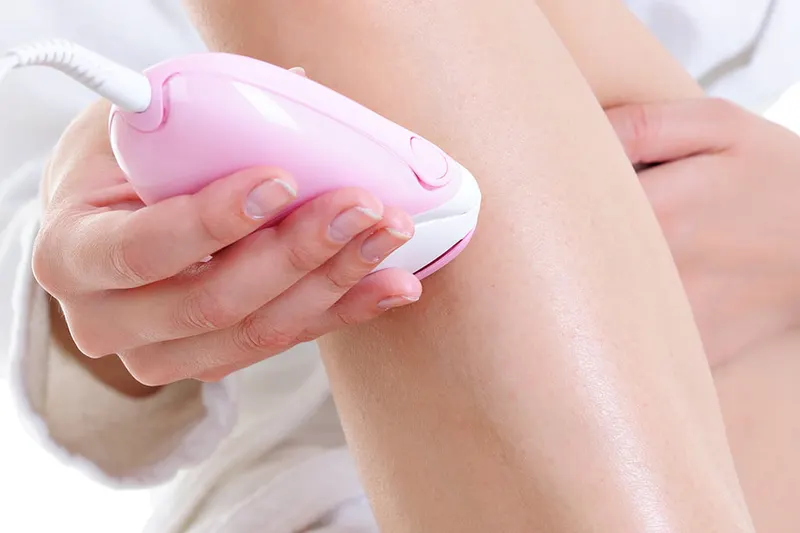
Besides laser hair removal, there are many tools for removing hair at home, such as razors and hair removal cream. But these products irritate the sensitive skin of the intimate area during trimming and regrowth, causing red bumps (similar to pimples or folliculitis). Not only do they fail to give a comfortable result, they may also increase the chance of infection, including sexually transmitted infections. So we recommend that, if you remove hair at home, you focus on hygiene and tidiness rather than removing every hair completely!
Hair Removal Showdown! At-Home Devices vs. Triton Hair Removal: Differences, Pros, and Cons
Read This for Intimate Area Whitening! What Causes Darkening? Do Aesthetic Lasers Work?
If you really want the intimate area to be very clean, we recommend visiting a clinic where trained staff use professional equipment for hair removal. This not only lowers the chance of infection and gives a truly neat look, but also effectively reduces odor and menstrual blood sticking to the hair!
Wax vs. Laser Hair Removal Showdown! How to Choose for Underarms and the Intimate Area
Intimate Area Hair Removal
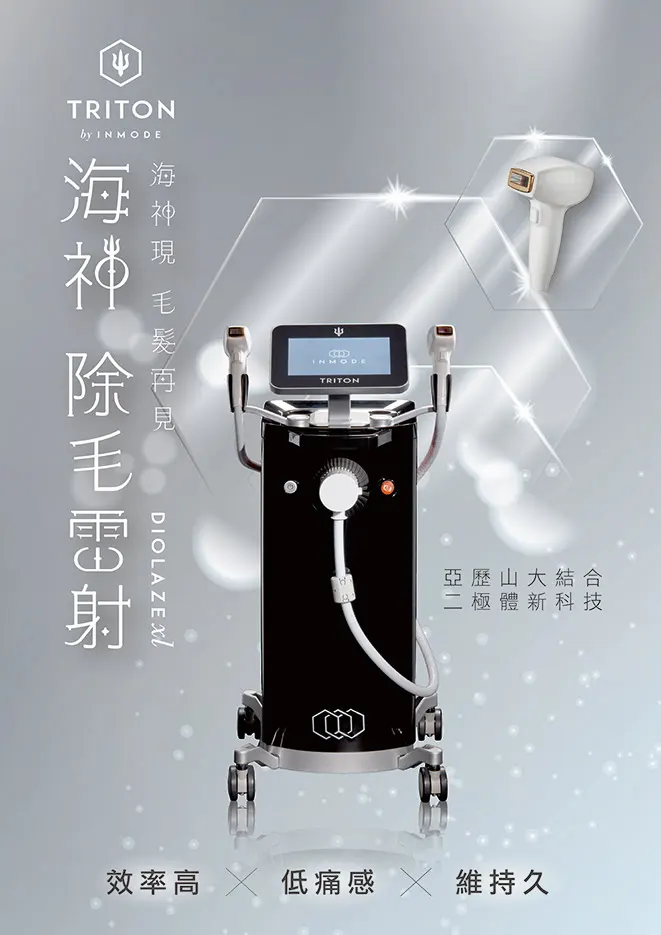
For near-permanent hair removal, you can choose laser hair removal. There are many types of laser hair removal machines, introduced below.
Alexandrite Laser Hair Removal
Excellent hair removal results, few sessions needed, and the highest longevity. The only minor drawbacks are noticeable pain and a long recovery period. If you aren't afraid of pain and want fast hair removal, we highly recommend this device!
The Alexandrite device works mainly through “melanin absorption.” Its laser wavelength is 755 nm, and it reaches deep into the hair follicle to effectively remove fine hair, but because of its high melanin absorption, the pain is relatively strong! People with darker skin tones in particular may suffer burns, so we recommend discussing and evaluating this with your doctor before the procedure.
IPL Hair Removal
IPL features “multiple wavelengths” and is suitable for all skin tones and for light-colored hair, with less pain, and it is usually applied with a gel. Besides hair removal, IPL on the intimate area also whitens and evens out skin tone. The drawback is that the treatment is gentler, so more sessions are needed to reach the ideal result.
“Ice Skin” Hair Removal
This is a type of IPL hair removal. Unlike laser, ice skin hair removal uses -4°C cooling technology, and the sensation during treatment is somewhat similar to Triton hair removal, with a cool feeling throughout. Because the technology is the same as IPL, the hair removal results are relatively less pronounced, and more sessions are needed.
Triton Hair Removal
Combines Alexandrite and diode laser wavelengths, with triple cooling technology! Delivering combined wavelengths in a single pulse achieves double the effect, and it can be used with confidence on very fine hair, light-colored hair, or bronzed skin.
In addition, Triton hair removal can treat new follicles and deep hair together, so far fewer sessions are needed. Finally, thanks to its cooling technology, it needs no numbing cream and greatly reduces pain, keeping the treatment cool and comfortable, avoiding redness, swelling, heat, and pain after the procedure.
View this post on InstagramView this post on InstagramBenefits of Intimate Hair Removal? Must-Know VIO Tips: How to Get Smooth Skin Without Pain
Laser Hair Removal Uncomfortable and Ineffective? You Haven't Tried Triton Hair Removal!
This article is for general information only. Results vary from person to person; please consult a doctor in person before deciding on any treatment.