Contents
As attitudes toward hair removal evolve, more and more people remove body hair for hygiene, appearance, and other reasons, and acceptance of intimate-area hair removal has risen noticeably. But how exactly should you go about it? What if you're afraid of pain? What does VIO, which you hear about so often, mean? This article analyzes the pros and cons, areas, and methods of intimate-area hair removal, and recommends painless Triton laser hair removal for smooth skin with ease!
Benefits of Intimate-Area Hair Removal
1. Less odor and lower risk of infection
Overly dense hair in the intimate area easily breeds bacteria and can trap dirt and cause odor. Combined with Taiwan's humid climate, if clothing is stuffy and hot, pubic hair can easily become a source of infection and raise the chance of intimate-area infections. Removing pubic hair can improve odor problems, make daily cleaning easier, and reduce the risk of infection.
2. Fresh and comfortable during periods
During menstruation, hair can easily get stained with menstrual blood, causing discomfort and making cleaning difficult. The area may feel stuffy and itchy. Hair removal helps women stay dry and comfortable in the intimate area during their periods.
3. No limits on what you wear
Once the hair is neatly trimmed, you don't need to worry about the embarrassment of hair showing when you wear a bikini or shorts, so you can choose clothing more freely and confidently, with no limits on what you wear.
4. Better appearance and more confidence
After removing messy hair, the skin looks finer and smoother, which not only improves the appearance of the intimate area but also boosts confidence. It also adds intimacy and fun to relationships between couples, and with clean, hair-free skin, cleaning up afterward is faster and more convenient too.
5. Easier cleaning after childbirth for pregnant women
Removing intimate-area hair before delivery not only helps wounds be sutured smoothly during surgery but also keeps the area fresh and ventilated afterward, preventing foreign matter from sticking and lowering infection risk. We recommend having hair removal done before week 36 for greater safety.
Drawbacks of Intimate-Area Hair Removal
1. Friction, sensitivity, and darkening
After hair removal, the skin in the intimate area rubs directly against fabric and sanitary pads, which may cause skin irritation and sensitivity, and over time can easily lead to darkening of the area. Extra care is needed to keep the area dry and ventilated.
2. Harder to control when using the toilet
Pubic hair helps collect and channel urine. After intimate-area hair removal, some people may find that urine sprays or can't be aimed properly. This doesn't happen to everyone; it mainly occurs in women with thicker vulvar tissue, labia that close very tightly, swelling of the vulvar tissue after rough hair removal, asymmetry of the vulva, use of squat toilets, raising the hips to urinate, or a strong urine stream or large urine volume.
If this bothers you, you can try the following solutions:
(1) Use a seated toilet
(2) Part the labia before urinating
(3) Press the intimate area back to aim the urethral opening at the toilet
(4) When urinating, don't strain too hard
(5) Leave some of the intimate-area hair
What Is VIO? The Ideal Range for Intimate-Area Hair Removal
Intimate-area hair removal can be roughly divided into two types: full VIO (Brazilian) removal and partial hair removal.
1. Full VIO / Brazilian removal
VIO hair removal, also called Brazilian hair removal, removes all intimate-area hair. First, what is VIO? It simply describes where intimate-area hair grows, divided into three parts: V, I, and O
- V: The triangular area over the pubic bone, usually also the area where women can remove hair themselves
- I: The straight lines along both sides of the labia, forming 2 I shapes, the most sensitive and painful area for hair removal
- O: The O shape around the anus, where hair is usually a hygiene concern
2. Partial hair removal
The most common form of partial intimate-area hair removal is bikini hair removal, which only trims the hair that may peek out along the bikini line (the V area), without removing hair from the I and O areas. As hair removal becomes more popular, many women are also experimenting with shaping, for example teardrop, inverted triangle, French rectangle, and heart shapes.
Comparing the 4 Main Intimate-Area Hair Removal Methods
Common methods of intimate-area hair removal are: hair removal cream, body razor, waxing, and laser hair removal. The table below compares the pros and cons of these 4 methods:
| Hair removal cream | Body razor | Waxing | Laser hair removal | |
|---|---|---|---|---|
| How it works | Chemical ingredients break down the hair structure | Manual or electric shaving of hair | Wax sticks to and coats the hair, which is then pulled out from the root | Laser energy destroys the hair structure |
| Duration of results | Short | Short | Medium | Long (near-permanent) |
| Pain level | ★★ | ★★ | ★★★★ | ★★-★★★ (varies by device) |
| Pros | Quick and convenient | Quick and convenient | Good for large areas Lasts longer | Near-permanent hair removal Safe and effective |
| Cons | May cause allergic reactions Prone to pigmentation | Regrowth shows as tiny black dots and is prone to itching | Noticeable pain Pulling can irritate the skin, causing redness and swelling | Higher price |

A Comfortable New Choice for Hair Removal: Triton
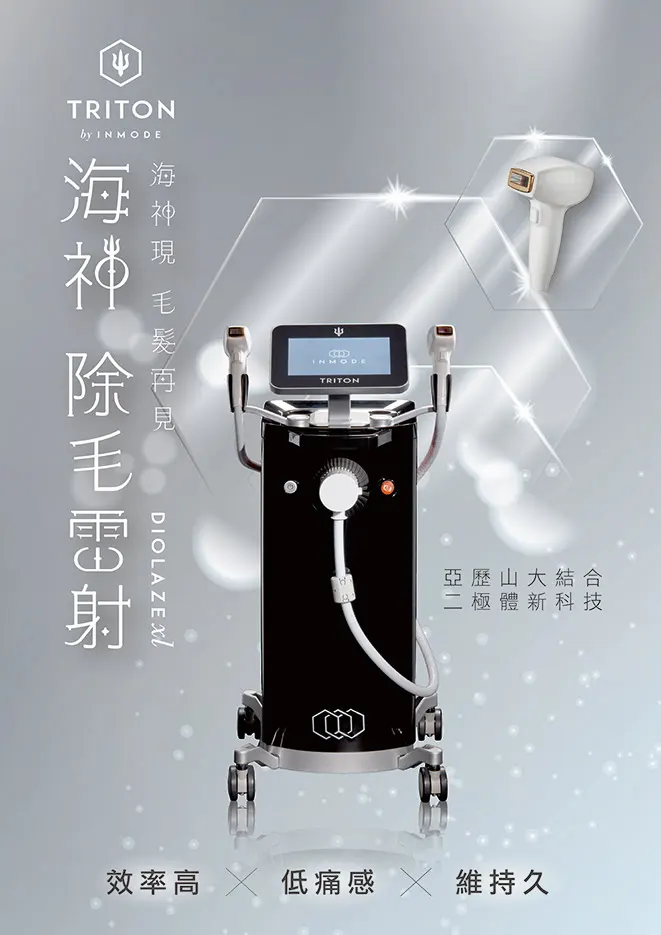
Intimate-area skin is sensitive and delicate, and “Does intimate-area hair removal hurt?” is probably the most frequently asked question. NAISS CLINIC recommends the latest TRITON hair removal. Compared with traditional hair removal lasers, the treatment is almost painless, and fewer sessions are needed, making it the most efficient, safe, and comfortable laser hair removal treatment.
- Advantages of Triton hair removal
1. Combined wavelengths
Combining the two most popular lasers on the market, the “755nm Alexandrite laser” and the “810nm diode laser,” it can effectively remove hair across different skin tones and hair types
2. 3P heat-dissipation cooling technology
Triton's patented “3P cooling technology” keeps the skin at a normal temperature before, during, and after treatment, effectively reducing post-treatment thermal effects and making the treatment almost painless, for a safer and more comfortable procedure
3. Efficient hair removal
It can thoroughly destroy hair follicles for permanent hair removal results, and it can remove both “new follicles” and “deep-seated hair” at the same time, so fewer sessions are needed and results are more noticeable
Learn more: Laser hair removal uncomfortable and ineffective? You haven't tried “Triton hair removal”!
- Triton vs. Other Laser Brands
| Triton hair removal | Alexandrite hair removal | Vacuum hair removal | IPL | |
|---|---|---|---|---|
| Wavelength | 755-810nm 810-1064nm | 755nm | 810nm | 560-1200nm |
| Pain | ★ | ★★★★★ | ★★ | ★★★ |
| Thoroughness | ★★★★★ | ★★★★ | ★★★ | ★★ |
| Skin-brightening effect | ★★★★ | ★★★ | ★★ | ★★★ |
| Number of sessions | 6-10 sessions | 6-10 sessions | 8-10 sessions | 10+ sessions |
This article is for general information only. Results vary from person to person; please consult a doctor in person before deciding on any treatment.