Intragastric Botox
Non-Surgical Gastric Reduction Alternative

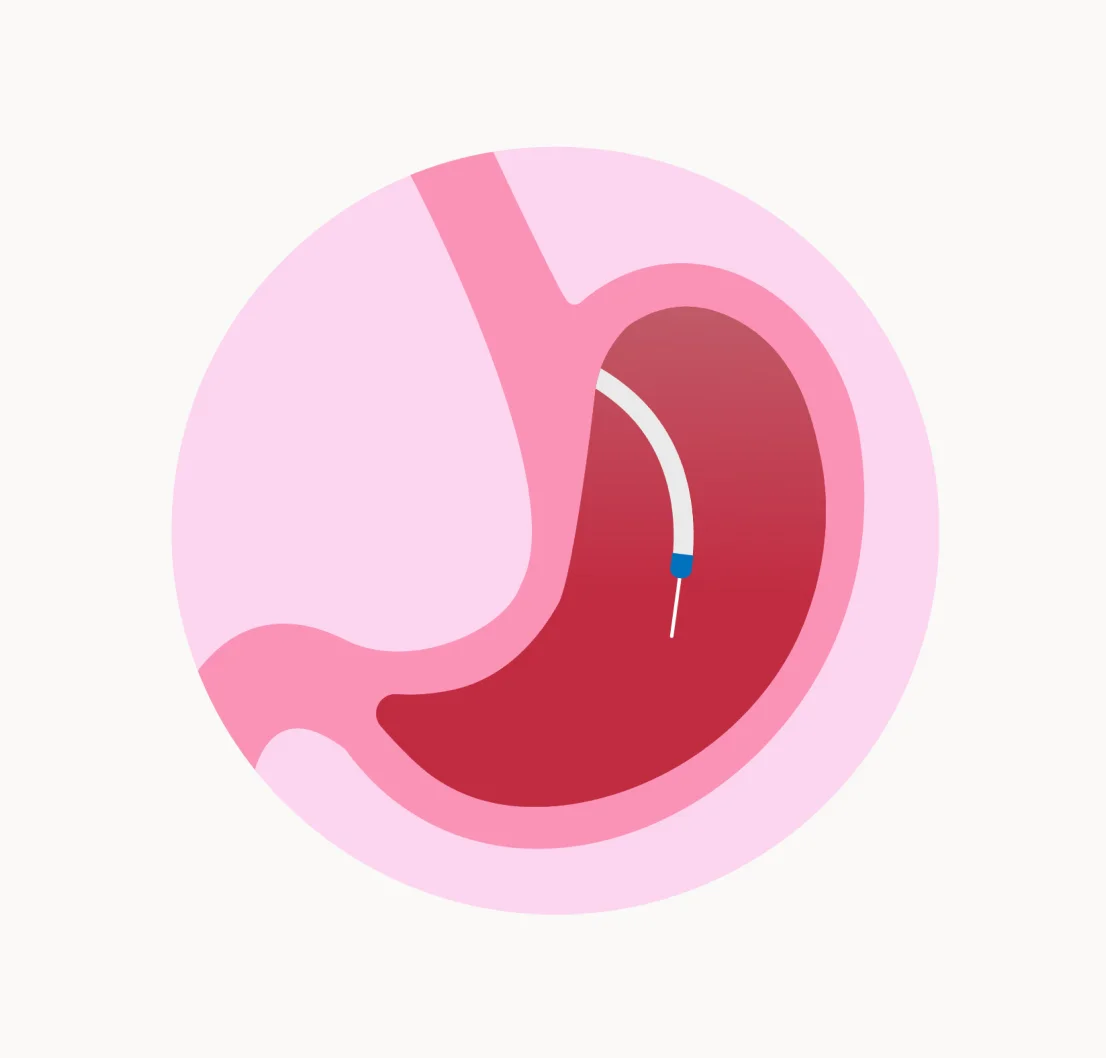
How Does Intragastric Botox Work?
Intragastric Botox treatment uses an endoscope (under sedation) to precisely inject small amounts of botulinum toxin into the stomach's smooth muscle. It reduces gastric muscle contractions, allowing food to stay in the stomach longer, helping you feel full faster and delaying hunger.
Research Shows Intragastric Botox
Regulates Hormone Secretion
Reduces
"Ghrelin" Production
↓
Decreases
Eating Desire
Increases
"GLP-1" Secretion
↓
Prolongs
Satiety
These combined effects help reduce food intake and calorie consumption, particularly effective for those with overeating tendencies or difficulty controlling their diet. Unlike gastric bypass surgery, intragastric Botox doesn't cut or stitch the stomach; instead, it reduces gastric tension and regulates hormones to achieve a "gastric reduction" effect.
Intragastric Botox
Treatment Procedure

Pre-Treatment Evaluation
The doctor evaluates suitability for intragastric Botox through consultation, examination, and tests, confirming no severe gastrointestinal diseases or allergies.

Treatment Day
Requires 8-hour fasting. Under sedation anesthesia, botulinum toxin is injected into the stomach via endoscope. The procedure takes about 20-30 minutes.

Post-Procedure Observation
Observation in recovery room until anesthesia wears off and vital signs are stable. Usually no hospitalization required, can go home after observation.

Follow-up Care
Effects appear after 2-3 weeks, with increased satiety and reduced food intake. Regular follow-ups combined with dietary adjustments achieve optimal results.
What Are the Advantages of Intragastric Botox?
4 Key Features at a Glance

No Surgery Required
Intragastric Botox is a non-invasive procedure using endoscopic injection, requiring no surgery, greatly reducing surgical risks and recovery burden.

Sedation Anesthesia
Entire procedure performed painlessly under sedation anesthesia, endoscopic operation takes about 20-30 minutes. Can go home after post-procedure observation.

Reduces Hunger
Affects hormone secretion, reducing ghrelin and promoting GLP-1 secretion, helping reduce frequent hunger. Particularly suitable for those prone to binge eating.

Prolongs Satiety
Delayed gastric emptying and reduced muscle contractions produce prolonged satiety from small meals, naturally reducing food intake for weight loss.
Who Is Suitable for Intragastric
Botox?
Contraindications & Evaluation
Criteria
Suitable Candidates
-
Strong appetite, large food intake, difficulty controlling diet for weight loss
-
BMI > 24 overweight with metabolic syndrome
-
27 ≤ BMI < 35 mild to moderate obesity
-
Obesity-related disease patients (e.g., hypertension, diabetes, hyperlipidemia, sarcopenic obesity)
-
Post-pregnancy obesity (no longer breastfeeding), general obesity, abdominal obesity

Contraindications
-
Autoimmune disease patients (e.g., lupus, scleroderma, myasthenia gravis)
-
Severe gastrointestinal diseases
-
Allergy to botulinum toxin
-
Previous gastric bypass surgery
-
Pregnant or breastfeeding women
How Long Do Intragastric Botox
Effects Last?
2~3 Weeks
Results Begin
Appetite decreases, food intake reduces
4~6 Months
Effect Duration
Key is diet and lifestyle habits
Can extend effects with
regular maintenance injections
Calculate YourBMI
Before starting weight loss treatment, understand your BMI index. Through simple height and weight input, you can know if you're in the overweight or obese range, helping the doctor plan the most suitable intragastric Botox treatment for you.

cm

kg
Intragastric Botox vs. Other Weight Loss Procedures|Comparison of 5 Procedures
Intragastric Botox Injection
Pre & Post-Procedure Guidelines

Pre-Procedure Guidelines
- 8-hour fasting:Avoid food residue in stomach, affecting injection and anesthesia safety.
- Complete medical history:If you have gastrointestinal diseases, neuromuscular disorders, or are pregnant or breastfeeding, must inform the doctor in advance for suitability assessment.
- Pause specific medications or supplements:Such as anticoagulants, antibiotics, fish oil, and weight loss injections, should be discontinued for several days based on doctor's advice.
- Avoid alcohol and irritating foods:Avoid alcohol and spicy foods 48 hours before treatment to reduce post-procedure gastrointestinal discomfort risk.
- Maintain good physical and mental state:Stay relaxed with adequate sleep to aid post-procedure recovery and enhance efficacy.

Post-Procedure Guidelines
- Observation period: Avoid strenuous activities for 24 hours after treatment, watch for excessive bloating or discomfort.
- Dietary adjustments:Liquid diet on treatment day, light diet recommended for first 3 days, avoid high-fat, spicy, and irritating foods for one week.
- Hydration and fiber:If experiencing mild constipation or bloating in early days, increase water and high-fiber foods to help intestinal motility.
- Regular follow-ups:Follow doctor's instructions for tracking, confirming treatment effectiveness and physical condition.
- Watch for side effects:If persistent gastric pain, severe vomiting, or inability to eat occurs, return for evaluation immediately.
Frequently Asked Questions
About Intragastric Botox
No. Intragastric Botox injection is usually performed with "sedation anesthesia", with no significant pain during the procedure. Post-procedure mild gastric bloating or fullness may occur, which is a normal reaction that resolves within a few days.
No special recovery period needed. Most people can resume normal activities after injection, only need to avoid strenuous exercise and overeating within 24 hours post-procedure, and adjust dietary habits according to doctor's recommendations.
It doesn't actually shrink or reduce the stomach. Intragastric Botox works by using botulinum toxin to inhibit gastric emptying and motility, making you feel full faster and delaying hunger, naturally reducing food intake.
Effects appear within 2~3 weeks. Most people notice decreased appetite and reduced meal portions within a few days to a week, achieving natural dietary restraint. Effects last approximately 4-6 months, and can be maintained with regular boosters.
May have temporary gastrointestinal discomfort. Common side effects include: gastric bloating, gas, mild nausea, constipation, most are temporary and naturally resolve within days. If persistent discomfort occurs, consult your doctor.
Yes, and it's recommended. To enhance weight loss efficiency, common combination treatments include:
- One-on-one nutritionist consultation:Adjust dietary habits to avoid weight regain
- CMSlim muscle sculpting treatment: Boost basal metabolic rate
- Cryolipolysis treatment: Target localized fat sculpting