Contents
- Why Does the Intimate Area Darken Easily?
- How to Lighten Intimate-Area Darkening
- Hair Removal and Whitening Together: Triton Laser Hair Removal
- Common Causes of Intimate-Area Odor
- How to Improve Intimate-Area Odor
- Protecting Women's Intimate Health: Votiva
- Firming the Intimate Area and Strengthening the Pelvic Floor: Talent-A
The three most common intimate-area concerns are darkening, odor, and laxity. How should each be cared for? Which daily habits should you avoid? And which aesthetic medicine treatments can effectively improve intimate-area problems? This article walks you through each one and recommends suitable treatments to help you resolve these concerns and care for the intimate area from the inside out!
Why Does the Intimate Area Darken Easily?
1. Frequent Friction
Exercise, walking, prolonged sitting, or overly tight clothing cause frequent friction between the skin and clothing, which makes the outer skin cells (stratum corneum) multiply rapidly, leading to melanin deposits in the intimate area.
2. Hormonal Changes
Hormone-related medications such as birth control pills and ovulation injections, or pregnancy, change hormone levels and can darken the intimate area, especially in people with higher estrogen levels, who are more prone to melanin deposits there.
3. Improper Hair Removal
Hair removal methods such as depilatory cream, which can cause chemical burns, and long-term shaving with a razor can make the skin of the intimate area sensitive, which not only leads to melanin deposits, but improper technique can sometimes even cause wounds and bacterial infection.
How to Lighten Intimate-Area Darkening
1. Wear Loose Clothing
In daily life, we recommend trying to wear loose, breathable bottoms, and choose underwear made of pure cotton and change it regularly, so the intimate area stays fresh and friction on the skin is reduced, which helps reduce darkening.
2. Eat Antioxidant Foods
Vitamin C has skin-brightening properties, so eating more foods rich in vitamin C, such as pineapple and citrus fruits, can help lighten intimate-area darkening. Or supplement with berries, probiotics, and similar health foods, which can help stabilize the pH of the intimate area and also help inhibit melanin production.
3. Topical Intimate Whitening Products
Whitening products sold specifically for the intimate area can also help improve darkening, but because skin sensitivity differs from person to person, be sure to choose skincare products with simple, natural ingredients.
4. Aesthetic Medicine Whitening Treatments
Intimate-area darkening can be improved through picosecond laser treatment, which helps with melanin deposits and promotes skin renewal, restoring a pinker tone. However, because hair absorbs laser light strongly, the hair in the area usually has to be removed before treatment so that it does not block the laser, so laser whitening is usually done together with laser hair removal.
Hair Removal and Whitening Together: Triton Laser Hair Removal
Improper hair removal in the intimate area not only fails to solve hair growth for good, but careless technique can also cause follicle keratosis and melanin deposits, so we recommend Triton laser hair removal, which removes hair painlessly, safely, and quickly while also having a whitening effect.
Advantages of Triton Hair Removal
1. Combined wavelengths remove both deep and shallow hair together
2. Triple heat-dissipation cooling technology, almost painless
3. Helps lighten the color of the intimate area, whitening the treated area
4. Flexible treatment planning suitable for all skin tones and hair types
Learn more:
Hair Removal Showdown! At-Home Devices vs. Triton Hair Removal: Differences, Pros, and Cons Revealed
Common Causes of Intimate-Area Odor
Normally, the intimate area should be a weakly acidic environment with a pH of 3.5-4.5, at which point the vaginal discharge is clear or white and has no odor. However, intimate-area odor is not always caused by infection or a health condition; it can also be related to specific behaviors or habits:
1. A Mix of Different Secretions
In the intimate area, sweat, urine, discharge, or menstrual blood mix together, and with bacterial growth and oxidation by air, they create an unpleasant odor.
2. Improper Cleansing
Cleansing the intimate area with irritating ingredients, not changing menstrual products regularly, or not cleaning properly after sex, can all make the intimate area prone to odor.
3. Unbalanced Lifestyle Habits
Staying up late, excessive stress, insufficient water intake, or eating too many sweets, fried foods, and spicy or other irritating foods, all of which can affect intimate-area odor.
4. Infection or Disease
Besides poor hygiene habits, hormonal changes after childbirth or during menopause, which keep vaginal mucosal cells from cleansing themselves effectively, can also throw the bacterial balance in the intimate area off, potentially causing bacterial infection. In severe cases, it may cause symptoms such as pelvic inflammatory disease and itching, accompanied by a stronger odor. The three most common types of intimate-area infection are:
| Type | Bacterial Infection | Yeast Infection | Trichomonas Infection |
|---|---|---|---|
| Main Pathogen | Gardnerella vaginalis | Candida albicans | Trichomonas vaginalis |
| Incidence | 40-50% | 20-25% | 15-20% |
| Discharge Odor | Fishy odor | Little noticeable odor | Foul odor |
| Discharge Appearance | Grayish-white, watery | White, thick, cottage-cheese-like | Yellow-green, frothy |
| Common Symptoms | Most have no symptoms Some have vulvar itching and burning on urination | Vulvar itching and swelling Burning pain and bleeding | Vulvar itching Burning pain Some have no symptoms |
| Common Causes | Excessive douching Menstruation Poor hygiene habits Lack of lactobacilli in the vagina Use of an intrauterine device (IUD) | Weakened immunity Long-term antibiotic use High-dose birth control pills Poor blood sugar control | Unprotected sex Multiple sexual partners Sharing towels |
| Treatment | Antibiotics | Antifungal medication | Antibiotics Simultaneous treatment of sexual partners |
Learn more:
Daily Intimate-Area Care Principles Revealed! Avoid Embarrassing Odor Situations
How to Improve Intimate-Area Odor
1. Correct Cleansing Method
If the intimate area stays damp and stuffy for a long time, discharge may increase, leading to folliculitis, odor, itching, and even pain. The correct way to clean the intimate area is to use a simple cleanser on the external genital area only and not douche the inside of the vagina, because douching the vagina destroys the beneficial bacteria inside, and may even cause pelvic inflammatory disease.
The skin of the intimate area is delicate, so we recommend washing no more than twice a day, using warm water below 40°C, washing gently from front to back, and never using hot water or scrubbing hard. After cleansing, make sure the area is completely dry, to prevent stuffiness and discomfort.
2. Adjust Your Diet
Avoid eating too much red meat, spices, alcohol, and coffee and other irritating foods that tend to cause intimate-area odor. In daily life you should drink more water and eat acidic fruits and vegetables and probiotics, to balance pH and maintain intimate health.
3. Aesthetic Medicine Treatments
Removing intimate-area hair through Triton hair removal can reduce bacterial growth among the hair and keep the intimate area dry; you can also have Votiva treatment, which uses radiofrequency energy deep beneath the mucosa to stimulate fibroblasts, reducing discharge and odor concerns.

Protecting Women's Intimate Health: Votiva
Vaginal laxity in women often comes with other intimate concerns, such as frequent urination and leakage, and the cause is related to the pelvic floor muscles. The pelvic floor is a group of muscles connecting the urethra and bladder, vagina, and anus. If the pelvic floor muscles become lax, control of the urethra, vagina, and anus is affected as well. Women's pelvic floor muscles can become lax for different reasons, such as age, childbirth, pregnancy, and lifestyle habits.
How It Works
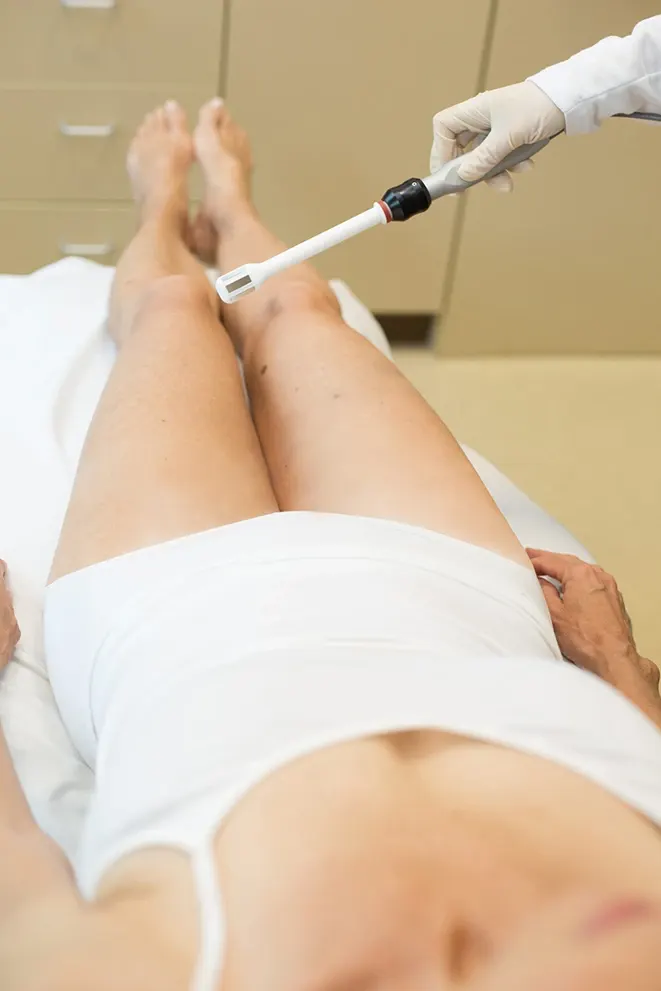
Votiva combines RF energy with microneedles to heat deep within the tissue. The microneedles disrupt the epidermis and dermis to trigger the skin's regeneration response, and the RF energy heats deeper tissue to regenerate collagen and activate the pelvic floor muscles and vaginal tightening.
Indications
1. Vaginal laxity
2. Odor and itching
3. Excessive discharge
4. Recurrent intimate-area infections
5. Postpartum urinary leakage
Features
1. Dedicated single-use tip, safe and hygienic
2. Only mild warmth is felt during treatment, with no pain or wounds
3. Smart temperature control technology for a comfortable treatment
4. Multipolar RF with an unlimited number of shots
Learn more:
What Exactly Is Votiva? Can Intimate-Area Care Make Every Day Feel Like Valentine's Day?
Firming the Intimate Area and Strengthening the Pelvic Floor: Talent-A
Many people hope to use Kegel exercises to train the pelvic floor. But the pelvic floor is a deep muscle group, so it is hard to feel the muscles contract, and people often do the movement incorrectly or cannot find the right place to engage, then wrongly blame Kegels for not working and for not improving urinary leakage. If you want to train the pelvic floor easily and efficiently, we recommend the Talent-A magnetic muscle stimulation treatment:
How It Works
Non-contact magnetic stimulation technology uses eddy currents to stimulate motor neurons and produce muscle contractions, strengthening pelvic floor muscle function and improving bladder, vaginal sphincter, or prostate muscles that have loosened due to menopause or childbirth.
Indications
1. Postpartum urinary leakage
2. Lax pelvic floor muscles
Features
1. Suited to Asian body types
2. Non-invasive, non-contact treatment
This article is for general information only. Results vary from person to person; please consult a doctor in person before deciding on any treatment.