Contents
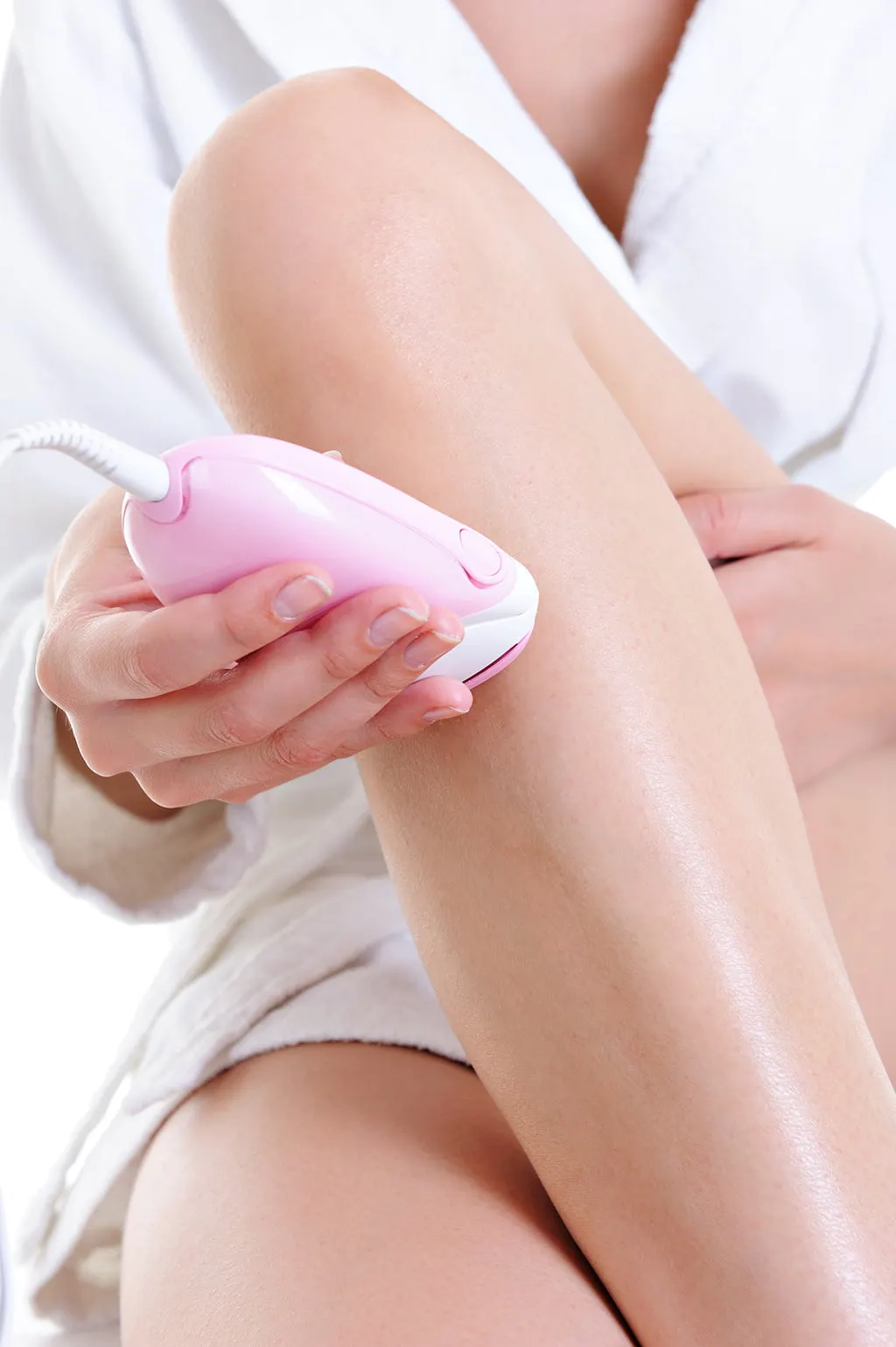
Summer is coming, and many people are weighing up hair removal: buy a razor and shave at home? Join a group buy for one of the super-popular at-home hair removal devices? Or go to a clinic for laser hair removal? There are many options. At-home devices claim to rival aesthetic laser hair removal, with ice-cooling technology for painless hair removal, but how well do they actually work? How do they differ from clinic laser hair removal? Today we share the pros and cons of at-home hair removal devices!
Laser Hair Removal vs. At-Home Hair Removal Devices
So-called light-based hair removal can be divided into intense pulsed light (IPL) and laser hair removal. The lasers or pulsed light used in medical facilities carry higher energy and can destroy the hair follicle for a permanent hair removal effect. Sessions are generally about 4 to 6 weeks apart, and 5 to 10 treatments are usually needed.
In contrast, at-home hair removal devices generally use lower-energy pulsed light, mainly pushing hair from the growth phase into the regression phase, and thereby gradually reducing hair volume. More frequent use is needed early on, and the intervals can be lengthened later, varying by device, to achieve better hair removal results.
At-Home Device Precautions: Watch Out for Skin Burns
At-home hair removal devices use light-based principles to remove hair. If the energy is not adjusted well, during use it is easy for the skin to absorb extra light energy, leading to skin burns, so many devices come with cooling technology to avoid the risk.
Also pay particular attention when using them. Depending on the area being treated (such as the arms and legs, underarms, or intimate area), at-home devices have different energy modes, and especially in the intimate area, the skin is darker and more fragile, so burns are more likely. Be sure to check whether the device is meant to be used on the intimate area; otherwise we do not recommend using it there for hair removal.
In addition, if you want to use one for intimate-area hair removal, be sure to practice first on other areas such as your arms and legs to avoid injury from improper operation, and during use you should also be sure to wear protective glasses, avoiding direct exposure to the pulsed light. For areas such as the underarms in particular, also adjust the angle so the light does not point toward your eyes.
Is Removing Hair Yourself Risky?
There are many common hair removal methods. The most popular is shaving yourself with a razor. Although it is convenient and fast, the results last a very short time and the hair cannot be removed completely, which easily leaves black dots and stubble, and in serious cases may lead to folliculitis, pigmentation, or skin allergy and other problems.
Because of these issues, in recent years some companies have launched “at-home hair removal devices,” claiming results equal to clinic hair removal. But in fact, at-home devices deliver lower energy and limited depth; improper use may risk “burns,” and overly frequent use can also affect the skin's protective layer, with higher risk especially for people with darker skin tones.
At-Home Device vs. Triton Hair Removal
About At-Home Hair Removal Devices
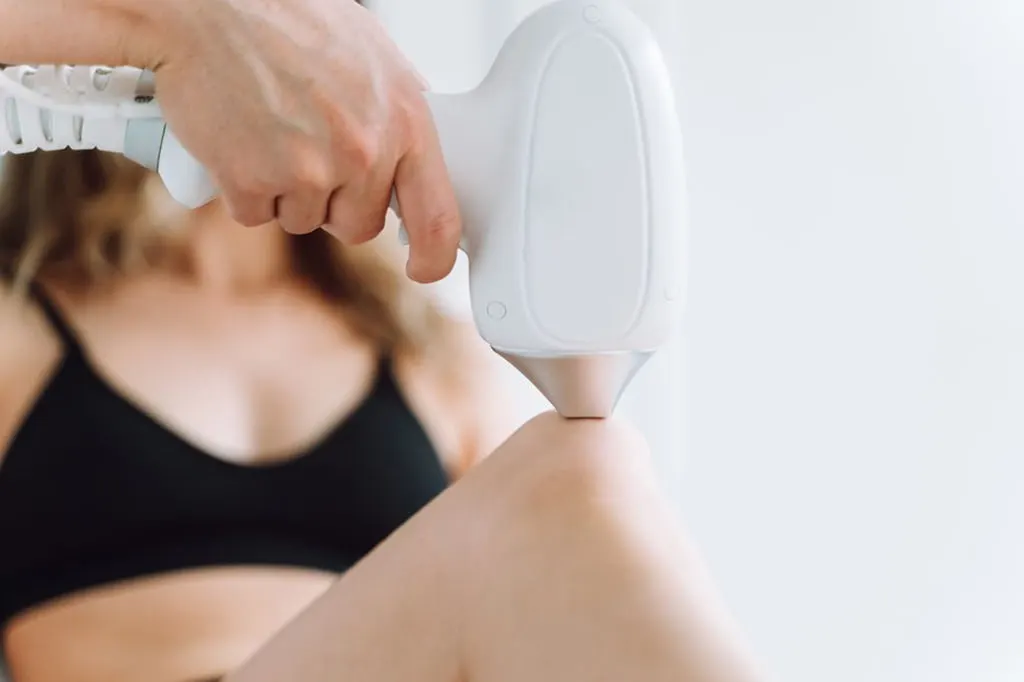
Common at-home hair removal devices fall into two types, light-based and blue light thermal, and are one of the most popular hair removal methods in recent years. Light-based hair removal works on the principle of pulsed light: the energy of the light waves is absorbed by the melanin in the hair follicle, which destroys the follicle, so it works best for people with lighter skin and darker hair. Blue light thermal devices use heat to stimulate the follicle to suppress or slow hair growth.
Triton Laser Hair Removal
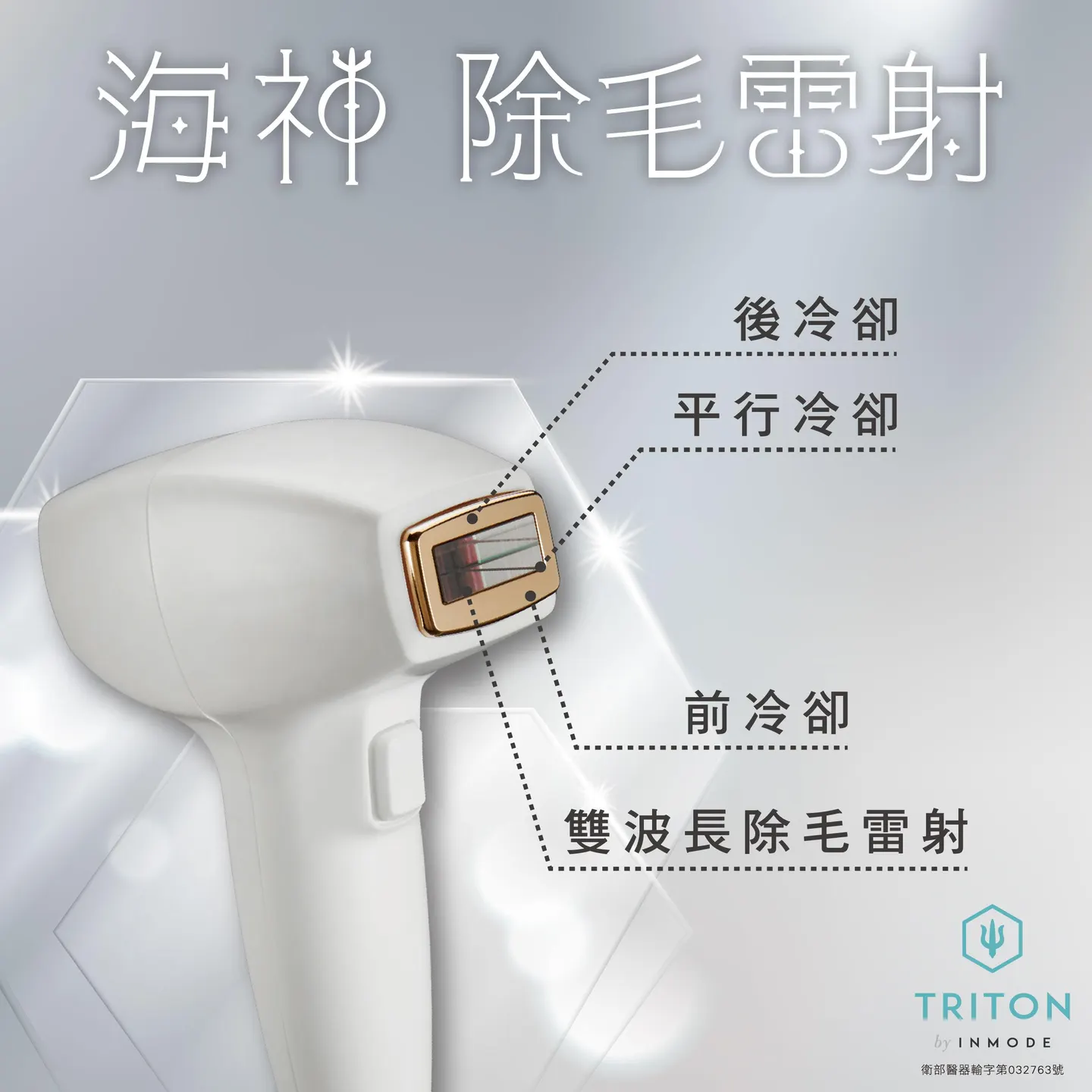
Triton hair removal is used to permanently remove or reduce hair. It must be performed by a professional and usually takes 5-10 treatments, spaced about 4-6 weeks apart, for better results.
Advantages: Hair should stop growing for months or even years, and any new hair will be less noticeable than before.
Disadvantages: Laser hair removal must be repeated before results show, and can only be performed by licensed professionals. Improper operation may cause burns and leave scars, so choosing a professional and reliable physician is very important.
P.S. If you feel uncomfortable after laser treatment, you can apply a cold compress. In addition, since skin becomes more sensitive to light after laser hair removal, after the procedure you should stay out of the sun as much as possible and avoid exposing the treated skin directly to strong sunlight, and avoid whitening and exfoliating products for the first few days.
If you use an at-home device, it takes time for hair volume to decrease gradually, unlike shaving and plucking, which remove hair immediately, so you can choose the hair removal method that suits your needs.
Laser hair removal uncomfortable and ineffective? You must not have tried Triton hair removal!
Other Common Hair Removal Methods
Razors
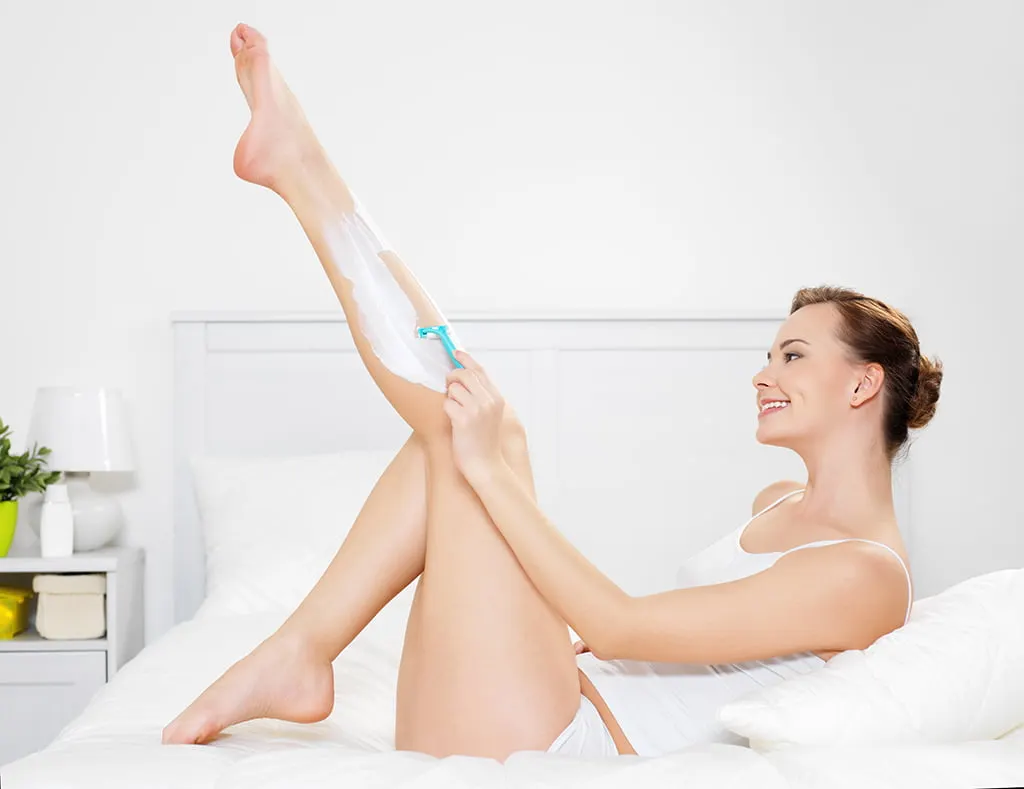
Razors are the entry-level method for many people starting hair removal, and are also the fastest and most convenient, with results lasting about one to three days. Contrary to a common myth, shaving does not make hair thicker or darker, and does not affect how fast hair grows.
Advantages: A razor is a fast, simple, and inexpensive method of hair removal that is easy to get and easy to use.
Disadvantages: Razors can cut the skin or irritate it; newly growing hair has a blunt tip rather than the tapered tip of naturally growing hair, which makes the regrown hair more noticeable, and it may cause ingrown hairs.
P.S. Before using a razor, wet the skin with warm water first; this opens the pores and softens the hair so it is easier to remove.
P.S. Products such as body wash or soap can act as a lubricant between the razor and your skin, helping prevent cuts.
Honey Wax Hair Removal

Honey wax hair removal is a method many people choose now, especially for the intimate area, and it can be done at home or at a beauty salon.
For honey wax hair removal, a natural, honey-like sugar substance is first spread on the skin in the direction of hair growth so that it adheres to the hair, which lets many hairs be removed at once, and the results of honey wax hair removal last about three to six weeks.
Before hot wax hair removal, moisturize the skin well, which can reduce the chance of negative reactions, and choosing gentle bath products protects the skin better.
Advantages: Honey wax is easier to clean up than traditional wax, because the honey “wax” is made from sugar and other natural ingredients and is water-soluble. It cleans off easily with warm water!
Disadvantages: Honey wax hair removal may involve pain, and may also cause side effects such as skin irritation and redness.
P.S. If you want to try honey wax hair removal at home, we suggest watching a few videos first to understand the process. Also, before spreading the wax on the skin, make sure its temperature is suitable and will not burn you.
Honey wax vs. laser hair removal showdown! How to choose for underarms and the intimate area
Hair Removal Cream
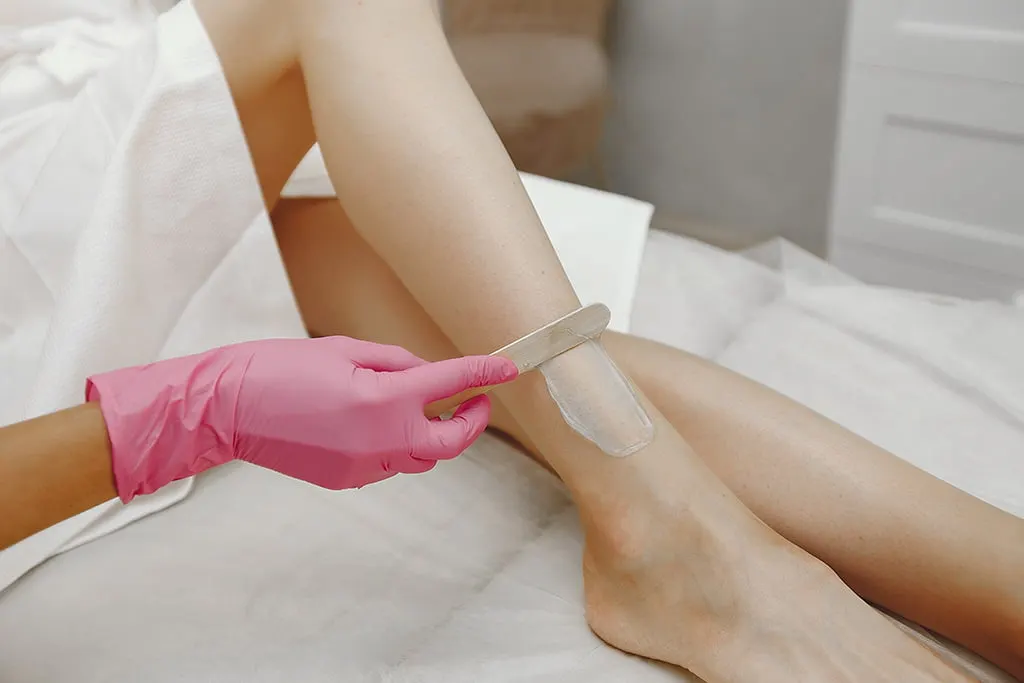
Hair removal cream works by using the chemical Calcium Thioglycollate to dissolve and break down the proteins in the hair structure, thereby removing the hair. To use it, apply the cream to the area where you want hair removed, leave it on for 3-15 minutes, and finally wash it off.Before using hair removal cream, make sure the skin has no other products on it (that is, cleanse the skin before use).
P.S. Never apply hair removal cream to irritated, dry, or broken skin.
Advantages: Hair removal cream is a method well suited to at-home hair removal, often used for large areas, such as the legs. It also works well on coarse, thick hair and lasts longer than a razor.
Disadvantages: The chemicals in hair removal cream can be quite irritating and may irritate fragile skin. Some creams also have a strong smell. Be sure to follow the instructions and avoid leaving it on the skin for too long.
This trick makes underarm hair removal easy, for clean underarms and no more wrong methods!
How Should You Care for Your Skin After Hair Removal?
Step 1: Hydrate and soothe
Skin is usually red and sensitive after hair removal, so at this point you can choose skincare with soothing ingredients such as chamomile or provitamin B5, or products with a moisturizing effect, all of which help skin return to its original state faster.
Step 2: Exfoliate regularly
Ingrown hairs are a very common problem after hair removal. They are usually caused by dead skin cells or oil clogging the pores.We recommend exfoliating regularly once a week, starting 3-5 days after hair removal, to reduce the chance of ingrown hairs.
Aesthetic hair removal this summer: care guide and FAQs in one place
This article is for general information only. Results vary from person to person; please consult a doctor in person before deciding on any treatment.