Key takeaways
Liposuction + fat transfer breast augmentation case: after pancreatic cancer surgery she found it hard to engage her abdomen for exercise, and meal replacements, weight-loss medication and thread embedding had limited effect. After an assessment with Dr. Che-Wei Chang, fat was taken from her arms and abdomen and grafted to her breasts. She wore a compression garment for about six months, quit smoking and changed her diet; bruising and tightness improved in about two months.
Contents
- Pancreatic cancer made it hard to engage my abdomen and exercise it
- I tried all kinds of weight-loss methods, with little effect
- Dr. Che-Wei Chang is professional and meticulous, double-checking every detail before surgery
- Sticking with diet and lifestyle changes after surgery
- A new style of dressing, and twice the smiles
- Don't worry about what others think; being yourself is what matters most
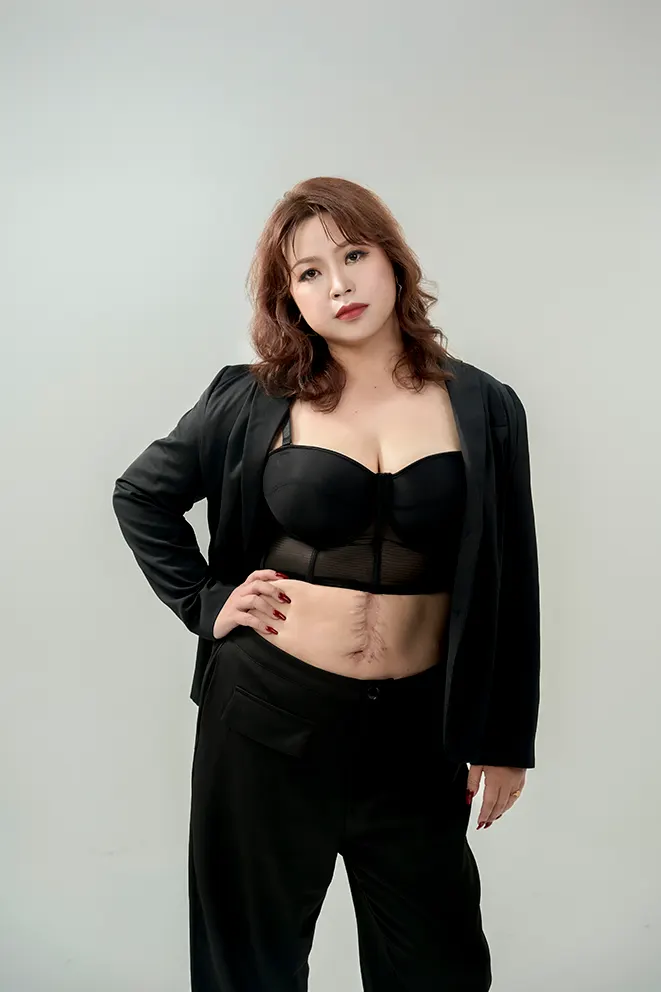
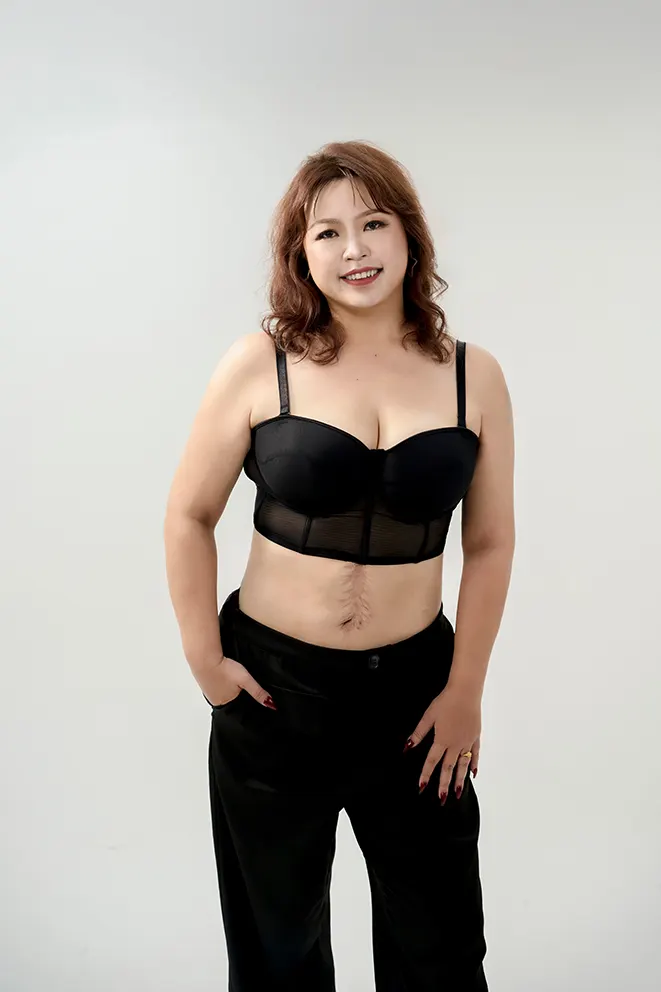
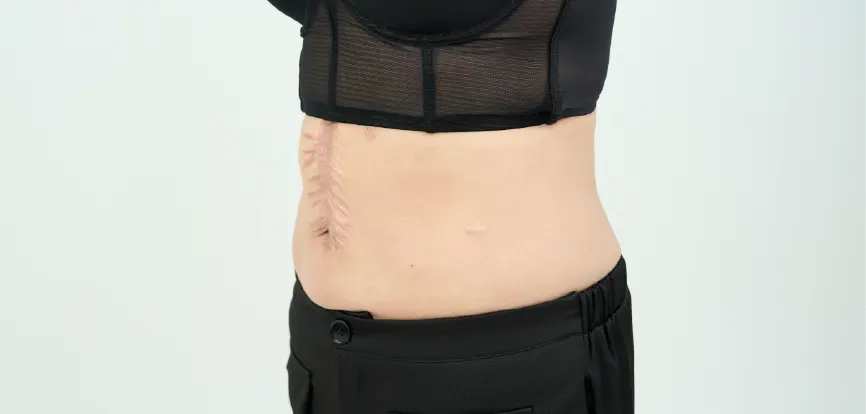
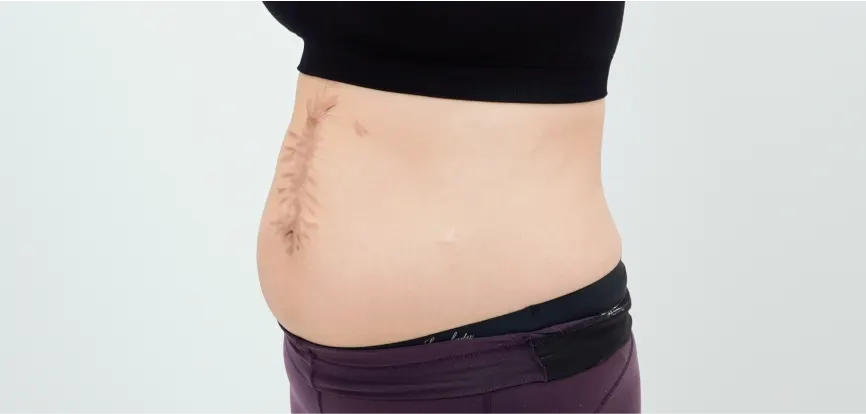
"I'm Wendy, I'm 39, and I'm self-employed. Ten years ago I was diagnosed with pancreatic cancer. The surgery and treatment left permanent marks on my belly and lasting psychological effects. Engaging my abdomen takes a lot of effort, so it's hard to lose belly fat through strength training. I tried lots of meal replacements and diets to slim down, but I didn't have enough willpower, and over time my belly kept getting bigger. So I decided to give myself an early 40th birthday present: liposuction..."
Pancreatic cancer made it hard to engage my abdomen and exercise it
I had fat transfer breast augmentation. My breasts weren't small to begin with, but I wanted a nicer shape, and since I really don't like wearing bras, I wanted to be able to skip one whenever I like. The liposuction was on my arms and abdomen, and I figured that since the fat was coming out anyway, throwing it away would be a waste, so why not put it in my breasts
My arms really are hereditary. My sister is very slim but has thick arms, and so does my mom. I'm a bit fuller myself, so my arms look even sturdier, and people often mistake me for a basketball player. I eventually realized I actually cared a lot about my arms
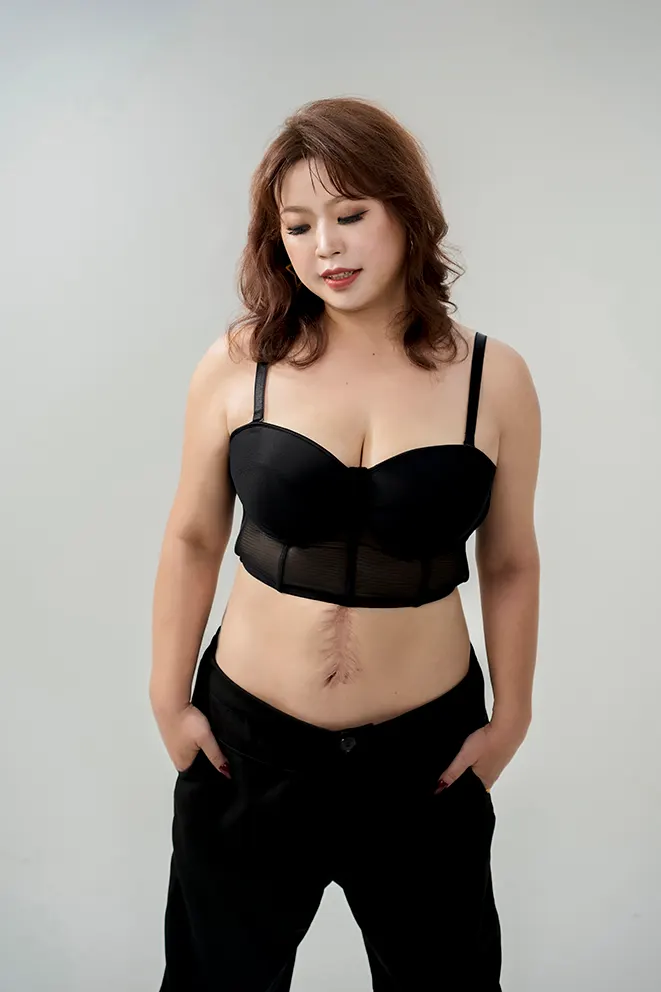
Because I had pancreatic cancer ten years ago, it's hard for me to exercise my belly. Just engaging it takes great effort, and subconsciously it even feels painful. During this time I tried lots of meal replacements and diets, sometimes eating only meal replacements all day, but when I was stressed I'd binge, haha. I also tried skipping breakfast, but my lunch and dinner were still high-calorie, and because of work I often couldn't eat at regular times or cook for myself. Over time my belly kept getting bigger and fatter. Last December I wanted to give myself a birthday present, so I decided on surgery
I tried all kinds of weight-loss methods, with little effect
I tried meal replacements, diet pills, thread embedding and more, but the results really weren't noticeable; maybe I just didn't have enough willpower. Later I decided to learn about liposuction first and found it really suited me, so I went ahead. I think I'd failed so many times that it gave me the motivation to consult and have surgery. Another reason was that the consultant gave me a lot of strength and confidence. She didn't push me or just comfort me; she talked a lot about my future direction. She said, "Whether or not you end up slimmer, I think that if you do slim down, you'll be very different." In that moment I felt that if I slimmed down, things would be very different, and if I didn't, I'd just stay the same, so I chose to take that step.
Dr. Che-Wei Chang is professional and meticulous, double-checking every detail before surgery
I consulted about two or three clinics and chose NAISS CLINIC in the end. I think the key was the atmosphere and the smiles throughout the clinic. The consultants at NAISS have smiles that show they genuinely want what's best for you, which is different from the polite smile of someone who just wants your money. I think Dr. Che-Wei Chang is adorable. The first time he saw me, he told me my body actually wasn't bad, but there were areas that could be much improved, and he gave me a lot of confidence. He was also frank that my breasts might sag after the fat grafting, so I might need a breast lift later, though I'd already thought of that myself. During the consultation he kept checking with me: "Are you sure you want breast fat grafting? They're already not small. You're sure, right?" Dr. Chang also told me not to deliberately diet after surgery, in case the grafted fat disappeared, and reminded me of many details. He's lively, cheerful and funny, but also very meticulous
Sticking with diet and lifestyle changes after surgery
What I found hardest to get used to was the compression garment. I really hate feeling restricted, so wearing it for six months was pretty painful. But when I see myself in the mirror, it all feels worth it. I also changed my diet and quit smoking and drinking, so my figure is completely different. After surgery I remind myself even more not to eat junk; since I've had liposuction, I don't want to go back to how I was. Now I only eat high-calorie food once in a while, hahaha.
After surgery I had bruising and tightness in many areas, and I was worried the bruises wouldn't fade. At my follow-up I told Dr. Chang about my worries, and he said massage would help and that things would gradually return to normal. And it really did get much better with time: the tightness went away and the bruises faded. At my follow-up two months after surgery, Dr. Chang said I was recovering very well. Because my health condition is different from most people's, I went back to the clinic for many IV drips after surgery, and I also used cosmetic tape on the incisions.
I made big lifestyle changes before and after surgery. I'm a heavy smoker, haha, so I quit for a whole week before surgery, which was torture! After surgery I also changed my diet. I used to binge: after work I'd go to bars to drink heavily and eat fried food to blow off steam, and if I didn't have plans I'd buy beer, fried chicken and chips and devour them at home. Now I eat three regular meals, try to avoid big feasts and greasy food, and drink more water.
A new style of dressing, and twice the smiles
I'm now five months post-op. I give my physical satisfaction a 10, and my emotional satisfaction more than 10. Every day I look in the mirror and think, "Wow! I've slimmed down!" I'm also more confident. I used to frown a lot, but now I smile much more, and my smile has become natural, haha. My job involves dealing with customers, and the difference between a real smile and a fake one is very obvious.
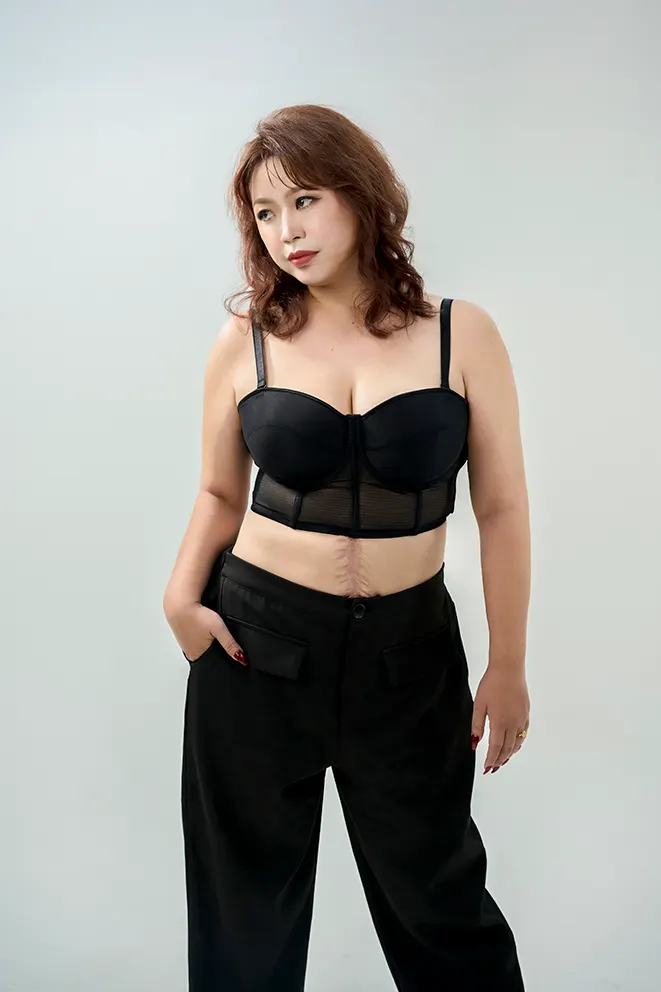
My friends noticed I'd slimmed down too, and I always tell them frankly that I had surgery. My clothing has changed a lot as well. My cup size went from F to a large G or small H. My hobby is badminton; I used to just wear a T-shirt and shorts, but now I wear dresses, some with open backs, cut-out backs or bare arms. Some dresses don't even have bra pads, and I'm fine with that; if my nipples show, they show.
Don't worry about what others think; being yourself is what matters most
I love Western style, so I embrace that mindset: just be yourself and don't restrict yourself. In Taiwan people might think you should always wear a bra so your nipples don't show, but I think as long as I'm happy, that's fine. I don't decide what to do based on what others think. I love wearing crop tops and shorts, and sometimes with a crop top I skip the bra and just wear nipple covers. Being comfortable is what matters most. This surgery also helped me say goodbye to my old self. I was once a patient, and now I can get closer to the person I want to be, choose to live for myself, and live beautifully and with dignity
Finally, my advice for anyone considering liposuction: choose surgery only when you really can't lose any more weight. Don't jump into surgery without even trying to exercise. Slim down to a certain point with exercise first, and if there's still some stubborn fat or areas you're unhappy with, then choose liposuction.
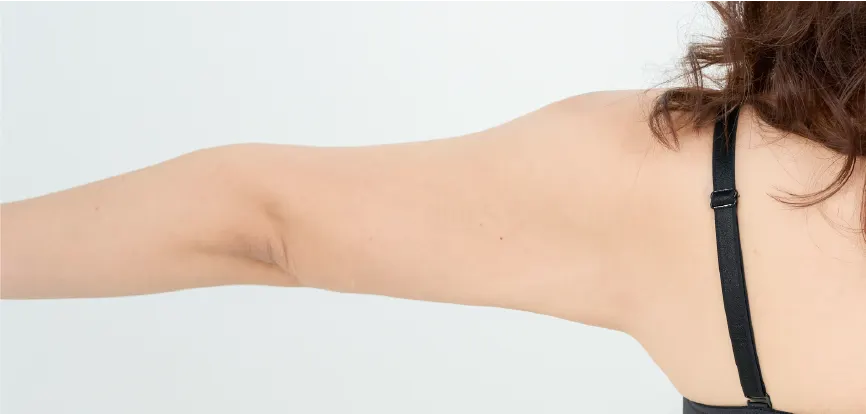
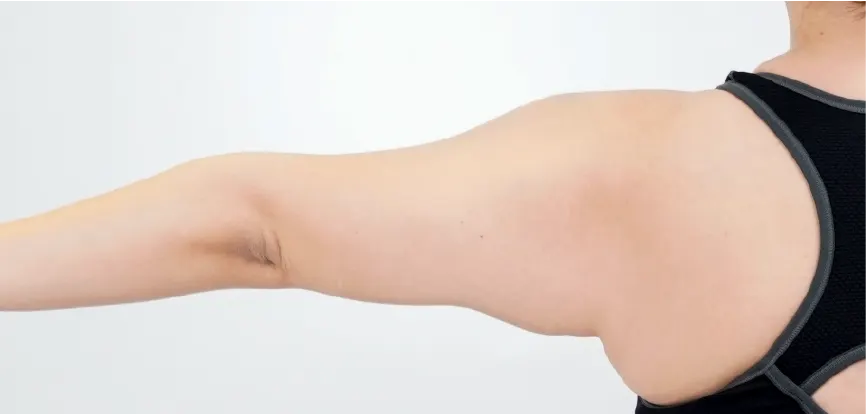
This story reflects one patient's experience. Results and recovery vary from person to person; please consult a doctor in person about your own treatment plan.