Contents
- Common Signs of Aging Blood Vessels: Do You Have Any?
- What Is ILIB Intravenous Laser? Why Might I Need It?
- Clinical Applications of ILIB Intravenous Laser
- How ILIB Intravenous Laser Treatment Works
- Who Is ILIB Intravenous Laser For?
- Precautions for ILIB Intravenous Laser
- Semiconductor Laser vs. Helium-Neon Laser
- FAQ
Because of environment, habits, and other factors, modern people often have minor health complaints, and these small issues may well be related to your blood vessels. Blood vessels begin aging gradually from around age 25. Intravenous laser uses laser light to promote blood circulation, increase the oxygen carried by red blood cells, improve blood viscosity, and more. Can intravenous laser improve your blood vessels in just 60 minutes without surgery? This article explains how intravenous laser works, who it suits, how it is done, and its benefits, all in one place!
Common Signs of Aging Blood Vessels: Do You Have Any?
- Worsening skin quality
- Stomach discomfort
- Menstrual pain
- Constipation or diarrhea
- Catching colds easily, fatigue, light sleep
- Headaches and stiff shoulders and neck
In fact, for every 10 years of vascular aging, the chance of disease increases by 15%. Blood vessels begin aging from age 25, blockage accumulates to as much as 50% in the vessels of people aged 45-50, and waste inside the vessels keeps accumulating with age.
What Is ILIB Intravenous Laser? Why Might I Need It?
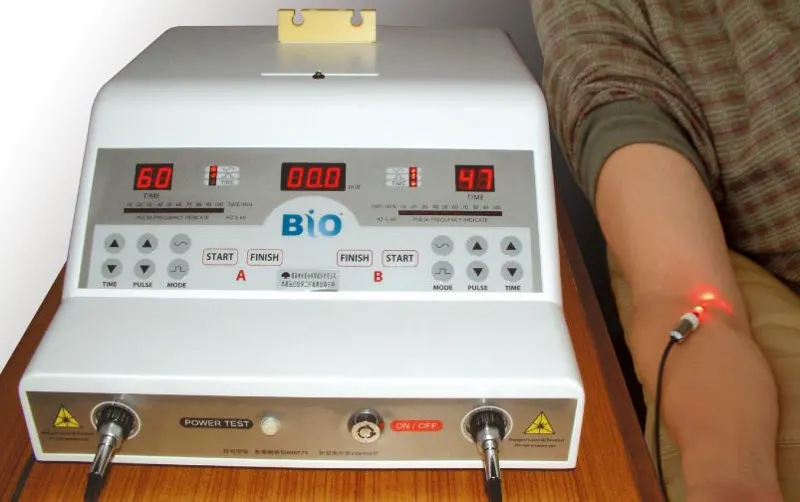
Modern people live for long periods in polluted air, and combined with long-term bad habits, emotional stress, and poor diet, they often struggle with poor sleep quality, headaches, and sore shoulders and neck. ILIB intravenous laser is also often called "helium-neon laser" or "biochemical laser". It uses a fiber-optic catheter to deliver low-level laser light through a vein in the arm for intravascular irradiation, which many people describe as "sunbathing for the blood." It enhances the mitochondria's conversion of energy into nucleotide (ATP) molecules that maintain cell function, and can strengthen the oxygen-carrying capacity of red blood cells, boost metabolism, improve white blood cells and other immune functions, clear free radicals, activate cells throughout the body, and also help tissue repair and collagen synthesis, restore skin elasticity and firmness, improve allergic constitution, strengthen the body's resistance, and more
Clinical Applications of ILIB Intravenous Laser
- Reducing medication for chronic diseases: high blood pressure, high blood lipids, diabetes, high cholesterol, gout
- Promoting metabolism and detox: metabolic syndrome, uremia, drug detox, hangover relief
- Activating function and repairing damaged cells: anti-aging, improving skin quality, reducing infection, speeding wound healing, speeding postpartum recovery
- Regulating immunity and improving inflammation: acute and chronic hepatitis, adjunctive cancer treatment, asthma, atopic dermatitis, bacterial infection, psoriasis, allergic rhinitis, pain relief
- Promoting blood circulation: anemia, arteriosclerosis, headache, tinnitus, vertigo, heart disease, stroke
- Rehabilitation for chronic conditions: degenerative arthritis, rheumatoid arthritis, sciatica, frozen shoulder, sleep disorders
- Improving microcirculation in the central nervous system: regulating and improving pituitary hormone secretion, improving health problems caused by (para)sympathetic nervous system abnormalities
- Beauty and skin care: strengthening collagen synthesis in tissue, speeding hair growth, increasing skin elasticity, improving wrinkles, and fading scars and spots
How ILIB Intravenous Laser Treatment Works
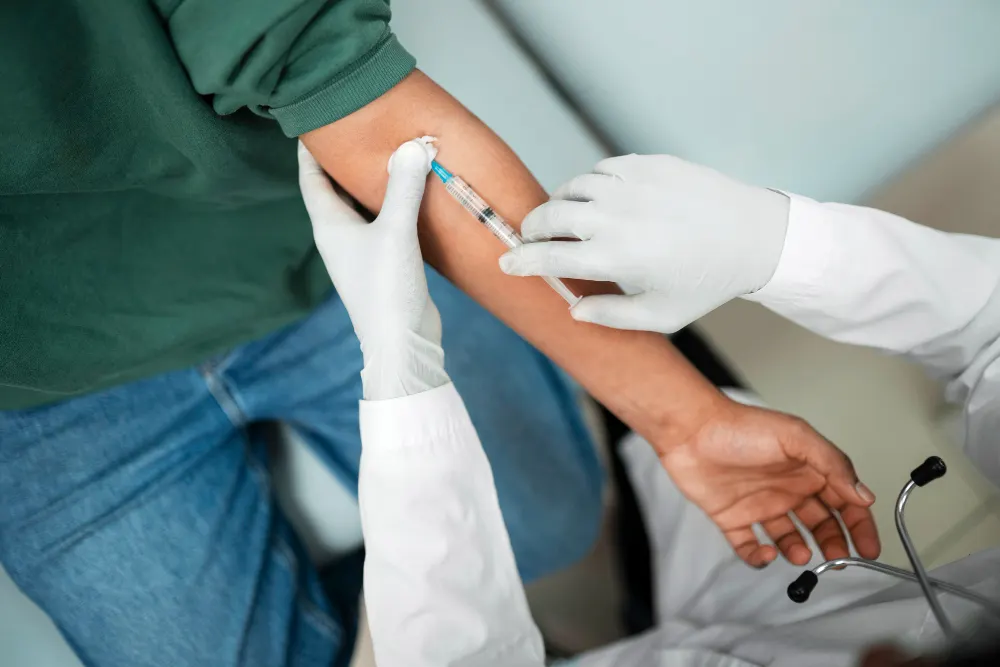
- Low-intensity laser energy irradiates the blood through a vein (like an IV drip), about 60 minutes per session, with a full course of about 10-15 sessions
- Once inside the body, the laser light speeds up blood circulation, and one hour of irradiation circulates through the body about 6-7 times
- After treatment, drink about 500-1000 cc of water to speed up metabolism
Who Is ILIB Intravenous Laser For?
- People with hepatitis, rhinitis, dermatitis, and similar conditions
- People with an unbalanced diet who smoke and drink often
- People who often stay up late or have a reversed day-night schedule
- People with sleep disorders
- People with menopausal symptoms or female menopausal syndrome
- People with weaker immunity who catch colds easily
- People who want to prevent a heart attack (myocardial infarction)
- People who want faster wound healing or postpartum recovery
- People with the 3 highs (high blood lipids, high blood pressure, high blood sugar)
Precautions for ILIB Intravenous Laser
Before Treatment
- Do not come on an empty stomach; have a light snack to avoid low blood sugar and discomfort
- The treatment is not recommended for people with photosensitivity (allergy to light therapy), abnormal blood clotting, epilepsy, hyperthyroidism, an acute infection with fever, pregnancy, or a cardiac pacemaker
- If you have had major surgery, please tell your physician in advance
- Stop taking anticoagulant medications such as aspirin and steroid hormones 1 week before treatment
After Treatment
- Some patients feel dizziness and fatigue for 1-2 days after treatment, which is normal; drink plenty of water and rest
- After each session, we recommend drinking about 500-1000 cc of water to help your body metabolize
- To keep metabolism vigorous after treatment, keep your blood sugar stable and do not fast or diet
Semiconductor Laser vs. Helium-Neon Laser
Traditional ILIB uses a helium-neon laser as the light source, which needs a long warm-up time. Its power also declines gradually, so the red light emitted has the wrong wavelength and the treatment effect becomes less and less noticeable. A semiconductor laser uses a semiconductor as the light source, has a short warm-up time, and keeps a stable wavelength with no power decline, offering clients a better treatment experience.
| Semiconductor laser | Helium-neon laser | |
|---|---|---|
| Red light | Promotes tissue repair Increases blood oxygen levels | Promotes tissue repair Increases blood oxygen levels |
| Green light | Increases blood oxygen levels | X |
| Blue light | Promotes nitric oxide release Reduces inflammatory factors in the body | X |
| Violet light | Inhibits pathogen growth Improves the body's detox ability | X |
FAQ
Can the optical fiber needle and laser light during intravenous laser treatment damage the blood vessels?
The optical fiber needle is a soft fiber cord, and the laser source works by a light effect rather than a heat effect, so neither damages the blood vessels
How many intravenous laser sessions should I have?
A full course is usually about 10-15 sessions, each lasting about 60 minutes, with daily treatment for the first 5 days, then one session every 1-2 days, to be completed within 30 days
Why do I see no obvious reaction after treatment?
There are two kinds of people who see no obvious reaction after treatment. One kind is people who are already in very good health. The other is that the effect of low-intensity biochemical laser is gentle and gradual, so people in very poor health need to continue treatment before results slowly appear
Does ILIB intravenous laser hurt?
You may feel mild warmth or a slight prick during treatment, but the sensation is usually mild and brief and does not cause much discomfort. For patients who fear needles, a non-invasive laser is also available!
This article is for general information only. Results vary from person to person; please consult a doctor in person before deciding on any treatment.