Contents
- Are Your Cells Oxygen-Deprived? Common Symptoms
- What Is Hyperbaric Oxygen Therapy and How Does It Work?
- Applications of Hyperbaric Oxygen Therapy
- Benefits and Features of Hyperbaric Oxygen Therapy
- Hyperbaric Oxygen Combined with Aesthetic Treatments
- Who Is Hyperbaric Oxygen Therapy Suited For?
- Hyperbaric Chamber Model Comparison
- Precautions for Hyperbaric Oxygen Therapy
- FAQ
Haven't heard about the hyperbaric oxygen therapy that's been so popular lately? Just lie down for 30-60 minutes and it can help with a range of problems? Combined with aesthetic treatments, hyperbaric oxygen can shorten downtime and speed up wound healing. It can also help with insomnia, sports injuries, dementia, and more, and it can do far more than you might think. What are the symptoms of oxygen-deprived cells? Why can hyperbaric oxygen shorten recovery? This guide covers who it is for and how it works.
Are Your Cells Oxygen-Deprived? Common Symptoms
- Tired all day and yawning often
- Frequent dizziness, palpitations, and chest tightness
- Mood swings, irritability, and frequent colds
- Poor concentration and declining memory
Cold Hands and Feet All the Time? It May Be a Circulation Problem. 3 Easy Ways to Improve It
What Is Hyperbaric Oxygen Therapy and How Does It Work?
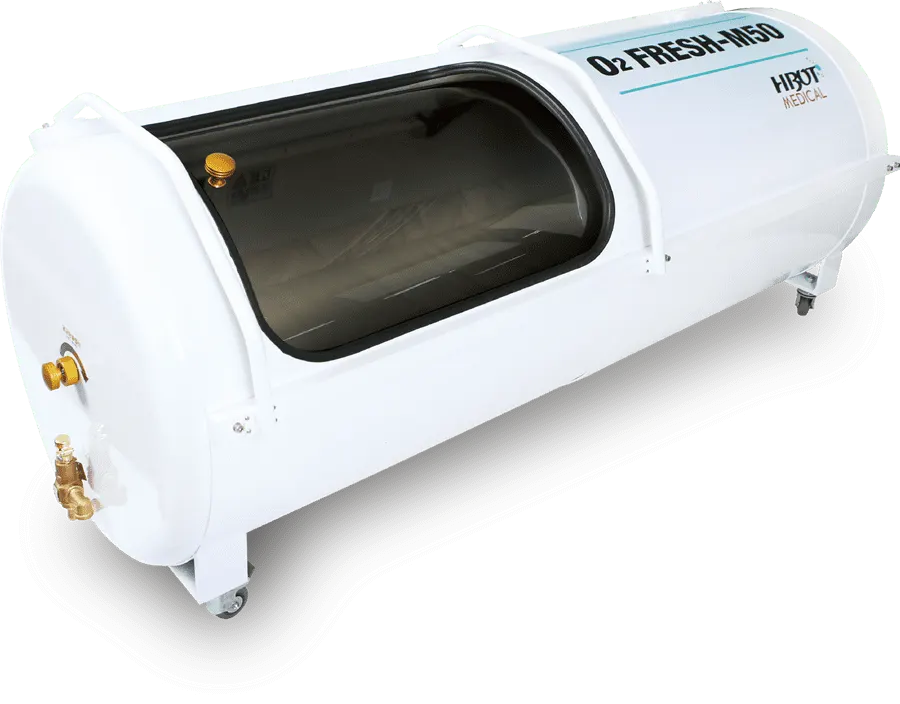
Hyperbaric oxygen therapy (HBOT) is a treatment that uses oxygen delivered under pressure. It involves breathing oxygen at a concentration above 20% in an environment above 1 ATM. The body is placed in a treatment chamber, and a session takes about 20-40 minutes.
Hyperbaric oxygen therapy increases the oxygen content of the blood and gives tissues and cells more oxygen to use, which helps reduce swelling and discomfort. It can supply the body with 10-15 times the normal oxygen level, quickly raising oxygen concentration and promoting new blood vessel formation, which revitalizes poorly oxygenated, compromised tissue, boosting immunity and metabolism, and in turn helping wounds heal and reducing swelling and speeding recovery after trauma and surgery.
Applications of Hyperbaric Oxygen Therapy
| Application | Details |
|---|---|
| Cosmetic surgery / orthopedics / rehabilitation | Reduces swelling, supports cell regeneration after microsurgery, and treats muscle or bone injuries |
| Internal medicine | Chronic asthma and bronchitis, carbon monoxide and other gas poisoning, stroke sequelae, cerebral hemorrhage, cerebral infarction, arteriosclerosis, diabetes, ischemia, heart disease, etc. |
| Neurosurgery / neurology | Dementia, stroke, paralysis, neurosis, autism, schizophrenia, headache, migraine, etc. |
| Surgery | Trauma-related infections, acute soft tissue injuries, ulcers, burns, wounds, bone problems |
| Dermatology | Acne, herpes, shingles, adjunct to hair transplantation, cosmetic care, skin aging, etc. |
| Ophthalmology | Diabetic retinopathy, keratitis |
| Other | Decompression sickness, improved athletic performance, stress relief and fatigue recovery, improved mental activity, better concentration, boosted metabolism, improved blood flow, osteoporosis, infertility |
Benefits and Features of Hyperbaric Oxygen Therapy
- Increases blood oxygen content and resolves tissue hypoxia
- Mild vasoconstriction, reduces swelling, and shortens post-op recovery
- Promotes wound healing, lowers blood flow, and stops bleeding
- Strengthens the bacteria-killing ability of neutrophils and the immune system
- Suppresses anaerobic bacterial infections and improves acne
- Improves blood circulation in the affected area and enhances the effect of antibiotics
- Relieves exercise fatigue and nervous tension
- Speeds up metabolism
- Reduces inflammation and swelling
- Stimulates collagen growth
- Relieves fatigue
Hyperbaric Oxygen Combined with Aesthetic Treatments
- Combined with cosmetic injectables: reduces swelling and inflammation, and supports blood vessel repair and new blood vessel growth.
- Combined with RF and HIFU treatments: reduces swelling and inflammation, and supports blood vessel repair and new blood vessel growth.
- Combined with body contouring treatments: boosts metabolic function and promotes circulation.
- Combined with laser treatments: promotes wound healing, shortens wound repair time, and fades scars.
Who Is Hyperbaric Oxygen Therapy Suited For?
- People with high-stress jobs
- Health-conscious people
- Recovery after general surgery or plastic surgery
- After aesthetic treatments
- People over 40 who want to slow down aging
- During recovery from sports injuries
- People who feel mentally drained or often have insomnia
- Nerve tissue repair
Hyperbaric Chamber Model Comparison
| Model | HBOT | Mediconet | HearMEC | OxyUCAB |
|---|---|---|---|---|
| Country of origin | South Korea | South Korea | Japan | Taiwan |
| Maximum pressure | 1.5 ATA | 1.5 ATA | 1.5 ATA | 1.3 ATA |
| Touchscreen | Yes | No | No | No |
| Gas concentration display | O₂, CO₂ | No | No | No |
Precautions for Hyperbaric Oxygen Therapy
- Try to avoid carbonated drinks such as soda and beer for 1 hour before treatment to prevent stomach discomfort.
- Avoid smoking for 2 hours before treatment. Smoking constricts blood vessels and reduces the effect of hyperbaric oxygen.
- Do not bring flammable items, metal accessories, or contact lenses into the chamber.
- During pressurization and depressurization, patients may feel ear pain because of the pressure change.
- While the gas is being pressurized or depressurized, patients should keep their lips tightly closed.
- Keep your lips closed, pinch your nose, exhale firmly, and swallow.
- If you feel severe ear pain during the session, tell the staff immediately.
- Knit garments and sweaters are not recommended inside the chamber, to avoid static electricity.
- Do not wear heavy wool coats or jackets.
- Do not open the chamber door during treatment.
- Using it more than twice a day is not recommended.
- After a session, because you will have been lying down for 20-40 minutes, sit up for 30 seconds before standing, to avoid dizziness from standing up suddenly.
FAQ
How long does a hyperbaric oxygen session take, and how many sessions until I notice a difference?
Hyperbaric oxygen is a continuous, cumulative treatment. The duration, number of sessions, and pressure level vary from person to person, and there is no fixed standard. In general, however, most people can have five sessions a week, 0.5-1 hour each.
Who should not have hyperbaric oxygen therapy?
People with spontaneous pneumothorax, a history of chest or ear reconstructive surgery, fever (risk of oxygen toxicity), oxygen allergy or a history of oxygen toxicity, nasal congestion from colds or rhinitis, ear disease, claustrophobia, pregnancy, a pacemaker, epilepsy, or emphysema with carbon dioxide retention.
This article is for general information only. Results vary from person to person; please consult a doctor in person before deciding on any treatment.