Contents
You often hear the saying that “aegyo sal attract romance.” Nice aegyo sal (the small ridge under the lower lashes) do add liveliness to the eyes and refine the proportions of the midface, which is why they are such a sought-after eye feature today! On Xiaohongshu and Dcard makeup boards, people often share “aegyo sal makeup.” But does that mean people who are clumsy with makeup cannot get nice aegyo sal? Don’t worry! This article shows 4 aesthetic medicine ways to create aegyo sal and analyzes their pros and cons, so you can easily get captivating eyes.
Features, Causes, and Benefits of Aegyo Sal
What Are Aegyo Sal?
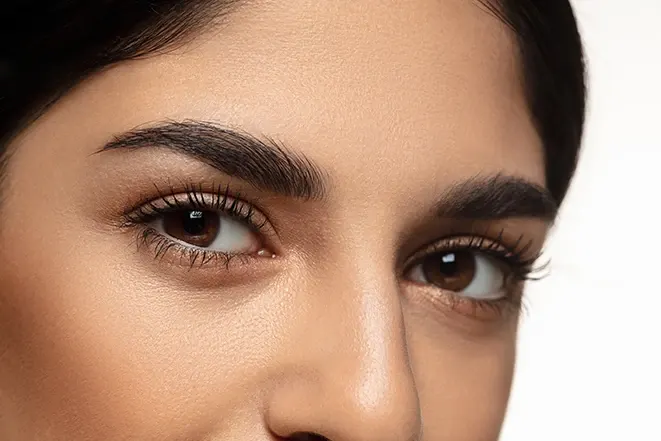
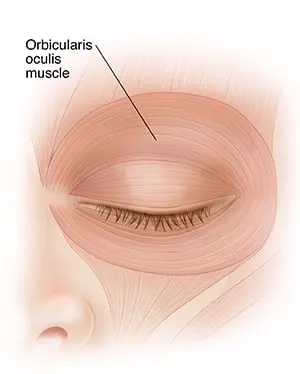
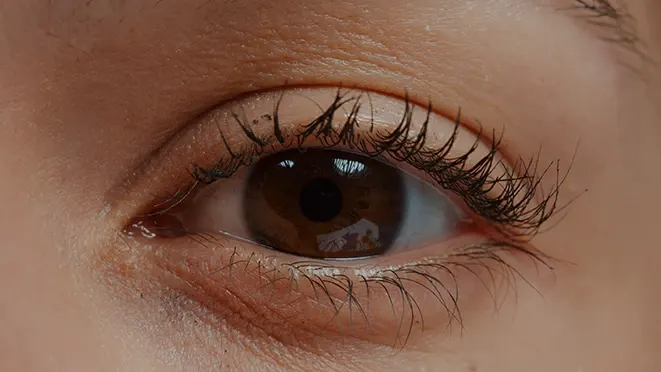
Aegyo sal are a muscle tissue located 4-6 mm below the lower edge of the eye, right next to the lower lashes, that is, the lower edge of the orbicularis oculi muscle. They look like a slight bulge 3-6 mm thick, and they contract with the movement of the facial muscles and become especially noticeable when you smile. Because some people think this small bump under the eye looks like a silkworm lying on its side, it is called a “lying silkworm” in Chinese.
How Aegyo Sal Form
Aegyo sal are mainly formed by a thick “orbicularis oculi” muscle. The orbicularis oculi has 3 rings, and aegyo sal appear when the inner orbicularis oculi contracts and stacks up. They are related to inherited traits and are not caused by acquired factors such as skin laxity or fatigue.
Benefits of Having Aegyo Sal
People with aegyo sal look as if their eyes are always smiling and sparkling. In addition, aegyo sal create a gentle, innocent, cute, and lively impression, which has an age-reducing effect and can even make the naturally narrower, longer eye shape of East Asians look rounder and bigger. This has also set off a Japanese and Korean-style “aegyo sal makeup” trend that is very popular with sweet-style girls! Men with aegyo sal also give an impression of being gentle and approachable, and it is now regarded as an attractive facial feature.
In fortune-telling traditions, aegyo sal are also a type of “peach blossom eyes” and are considered a sign of high emotional intelligence, intelligence, and future success. People with prominent aegyo sal are said to easily attract strong support from benefactors, good popularity, and romantic luck in career or marriage.
Read more:What Makes “Peach Blossom Eyes”? Win Over People This Spring
How to Create Aegyo Sal With Makeup
If you were not born with aegyo sal, how can you create them? “Aegyo sal makeup” is a very popular makeup trend lately. Based on the makeup tutorials that have gone viral on Xiaohongshu and elsewhere online, we have compiled the following steps to show you how to find the right spot and create a more natural aegyo sal makeup look:
STEP 1: Outline the aegyo sal position
Smile in the mirror to find the spot where the lower edge of the eye naturally bulges, and start drawing from there. If you cannot find the position when you smile, take a point about 4 mm below the lower lashes and, with a shadow pencil or a light-colored aegyo sal pencil, draw a line following the contour of the eye to mark the position.
STEP 2: Draw the aegyo sal shadow
Below the aegyo sal, draw a shadow with a matte contour powder or a light brown eyeshadow to create depth, which makes the aegyo sal stand out more. Take a little eyeshadow or brow powder on a flat eyeshadow brush, start directly beneath the eyeball, and slowly sweep outward to both sides along the underside of the aegyo sal.Note that you do not need to draw all the way to the inner and outer corners of the eyes. A shadow that is too long looks very unnatural, and if it is too wide or too heavy, it can easily look like dark circles.
STEP 3: Highlight the aegyo sal
Add a shimmery eyeshadow above the aegyo sal; highlighting makes it look more three-dimensional. Blend it out gently with a brush or your finger to avoid a harsh white line. Note that in the past women used pearly white on the aegyo sal or the inner corner of the eye, but a pearl color that is too white looks unnatural, so we recommend a shimmery eyeshadow in beige, pink, or skin-tone gold.

If you do not want to get up early to do makeup every day, or your skills are not good enough to draw natural-looking aegyo sal, you can consider aesthetic medicine treatments to create them. Here are 4 aesthetic medicine ways to create aegyo sal:
Aegyo Sal Treatment 1: Hyaluronic Acid Filler
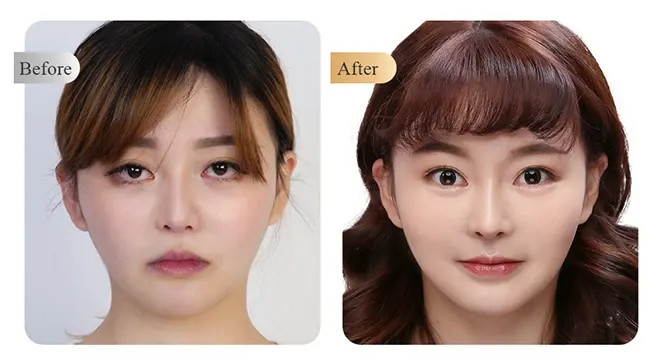
Through hyaluronic acid injections, the area under the eyes is raised to create your own aegyo sal. The treatment uses fine instruments and leaves no wound or scar around the eyes. The swelling right after injection usually disappears after 2-3 days and looks natural. The hyaluronic acid treatment can also be completed in a short time, with no downtime afterward, so it is very suitable for busy office workers or students.
However, hyaluronic acid does not last permanently and needs regular touch-ups, and after long-term injection there may be problems such as widening or distortion. The cosmetic result of the hyaluronic acid aegyo sal treatment depends heavily on the doctor’s skill: too much looks unnatural and too little is not noticeable enough. We therefore recommend seeking out an experienced doctor to do your aegyo sal.
Learn more:
The Essentials of Removing Tear Troughs! Get Your Bright Eyes Back
Aegyo Sal Treatment 2: Gore-Tex Implant
A Gore-Tex implant is surgically placed at the aegyo sal area. Aegyo sal created with a Gore-Tex implant are relatively more obvious and defined, so people who like a more defined aegyo sal line can consider Gore-Tex as the implant material. However, Gore-Tex feels stiffer than fascia implants, and the patient’s own skin condition and thickness limit how well Gore-Tex implants work, so the use of this material has gradually been replaced or phased out.
Read more:
Why Do Eyes Look Uneven? 3 Ways to Improve, and Surgery Is Not Always Needed!
Aegyo Sal Treatment 3: Fascia / Donor Dermis
Because Gore-Tex implants are rather stiff and not natural enough, today’s aegyo sal surgery mostly uses relatively soft materials such as fascia or donor dermis, making the aegyo sal line obvious while also more natural. In the surgery, small incisions (about 0.5 cm) are made at the inner and outer corners of the eyes and the implant is placed to form the aegyo sal. Because the incisions are very small, they are not easy to notice after recovery, and because an implant is used, the overall result is relatively firm and natural. How to lay the implant smoothly and flat in the right position is also a real test of the doctor’s skill.
Learn more:Can Aegyo Sal Surgery Solve Every Problem? Methods, Principles and Q&A
Aegyo Sal Treatment 4: Fat Transfer
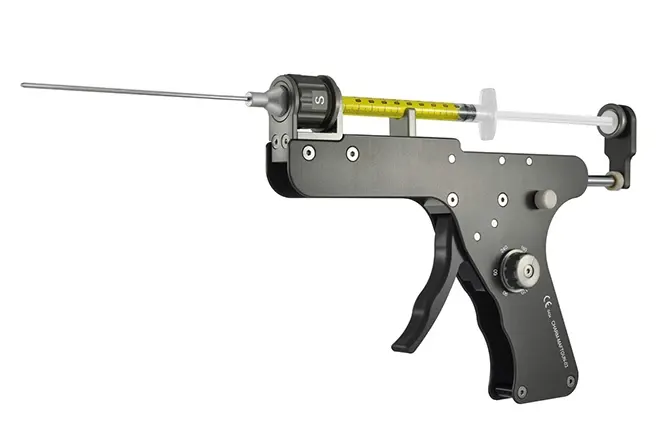
Your own fat is used, assisted by a fat injection gun, to effectively control the dose and the result after surgery. If the fat survives permanently, you will not need repeated filling of the aegyo sal area. Aegyo sal created through fat transfer are softer and more natural. In addition, fat transfer can also be combined with eye bag surgery. After the eye bag fat is removed, using fat transfer to create aegyo sal makes the skin around the eyes a bit tighter and at the same time improves some fine lines around the eyes and, to a limited degree, loose skin around the eyes.
Comparison of the 4 Aegyo Sal Treatments
| Hyaluronic acid filler | Gore-Tex implant | Fascia / donor dermis | Fat transfer | |
|---|---|---|---|---|
| Treatment time | About 15-30 min | About 1-1.5 hours | About 1-1.5 hours | About 1 hour |
| Recovery period | None | 1-2 weeks | 1-2 weeks | 1-2 weeks |
| Duration of results | About 12-18 months | Long-lasting | Long-lasting | Depends on fat survival rate |
| Pros | - Short recovery period - Short treatment time - No wound after treatment | - Obvious result | - More natural than implants - Obvious result | - Natural-looking result - Autologous fat is highly compatible and is not rejected |
| Cons | - Risk of distortion - Needs regular touch-ups | - Stiff feel - Less natural | - Larger wound after surgery - Some implants are metabolized and absorbed | - May be metabolized and absorbed by the body - Softer material |
This article is for general information only. Results vary from person to person; please consult a doctor in person before deciding on any treatment.