Contents
Poor sleep quality? Cold hands and feet no matter the weather? Weak immunity and frequent colds? Do any of these sound familiar? Watch out! They may all be linked to “poor blood circulation.” This article teaches you how to self-test your circulation and lists 8 symptoms of poor circulation. Finally, it shows how changing 3 lifestyle habits and trying 3 major treatments can help prevent cardiovascular disease and improve poor circulation.
3-Minute Self-Test: Is Your Blood Circulation Good?
- Use a step as your equipment
- Step up and down continuously, at a pace of 20 repetitions per minute
- Continue for 3 minutes, then rest for 30 seconds
- After resting, immediately take your pulse and record your heartbeats over 30 seconds.
Your heartbeat count shows how efficiently your blood delivers oxygen
| Ages 20-29 | Ages 30-39 | Ages 40-49 | Ages 50 and over | |
|---|---|---|---|---|
| Good | 39-46 beats | 39-47 beats | 41-47 beats | 41-49 beats |
| Average | 47-52 beats | 48-53 beats | 48-54 beats | 50-55 beats |
| Poor | 53-66 beats | 54-66 beats | 55-67 beats | 56-67 beats |
8 Symptoms of Poor Blood Circulation
- Cold limbs:
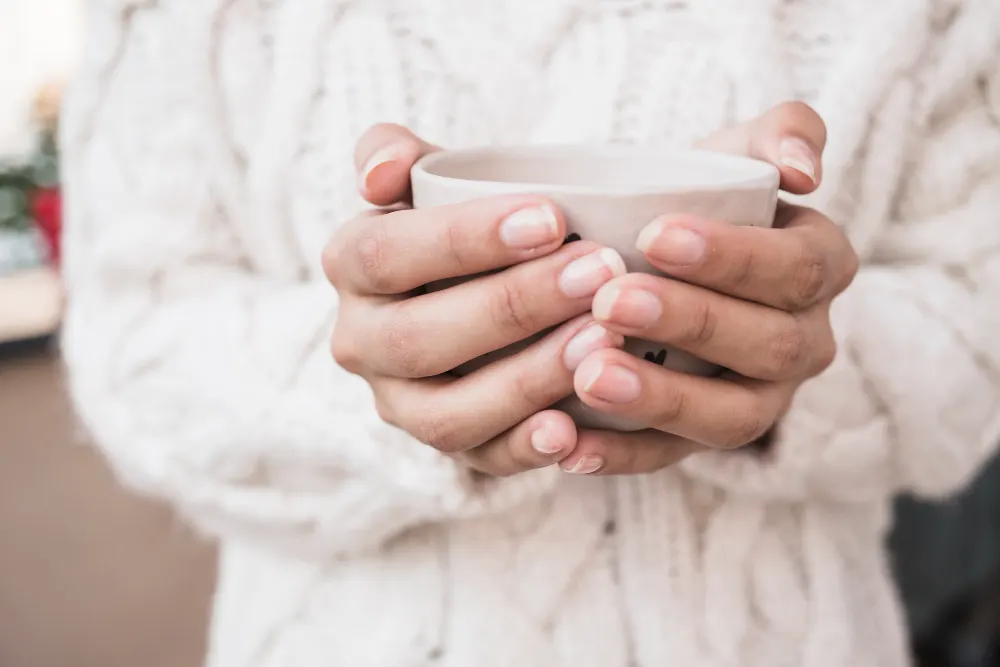
Insufficient blood reaches the limbs, which may cause numbness, a pins-and-needles sensation, and cold hands and feet - Swelling and worsening skin:
Because blood metabolism is too slow to carry waste out of the body, fluid cannot be drained from the body. In severe cases this may lead to pain, difficulty moving, and even impaired kidney function - Diarrhea and constipation:
Because the digestive system depends on blood flow, and circulation and metabolism are poor, bowel function slows down, which in turn leads to diarrhea or constipation - Light sleep and poor sleep:
Poor circulation prevents body heat from being released, making it hard to fall asleep - Abnormal uterine function and menstrual pain in women:
Poor circulation also leaves the pelvis with too little blood, so the uterus and ovaries cannot function normally, causing irregular periods and menstrual pain in mild cases, and possibly infertility in severe cases - Catching colds easily:
Poor body temperature regulation easily leaves the body weak - Feeling tired easily:
Constricted capillaries reduce oxygen delivery, which can easily cause anemia and fatigue - Cognitive impairment:
It may affect brain function, leading to memory decline and difficulty concentrating
Change 3 Lifestyle Habits to Prevent Poor Circulation
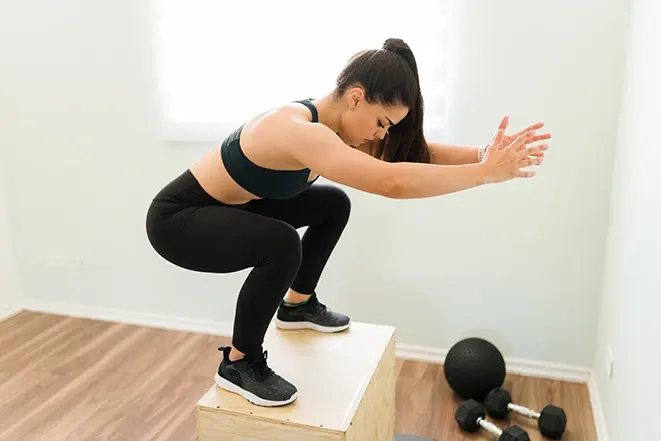
Exercise
Exercise can promote circulation throughout the body and strengthen the heart muscle. We recommend aerobic exercise combined with stretching, such as jogging, swimming, and yoga. Exercise dilates the blood vessels and keeps circulation flowing, which can improve stamina and sleep quality. In addition, the stretching movements in yoga benefit both circulation and metabolism.
Diet
In your daily diet, avoid greasy, heavily salted, strongly flavored, and highly processed foods, and favor whole, unprocessed foods as much as possible. High fat intake may damage and clog the arteries, and high salt intake may cause high blood pressure. Besides avoiding the foods above, we recommend eating more of the following:
Omega-3 fatty acids: Fatty fish (such as salmon, sardines, and mackerel), nuts, and kale can support cardiovascular health and improve blood circulation
High fiber: Vegetables, fruits, and whole grains help regulate cholesterol
Antioxidants: Black tea and green tea can support cardiovascular health and improve circulation. Drinking tea may also lower the incidence of coronary artery disease
Iron-rich foods: Lean red meat, spinach, edamame, and red phoenix vegetable (Gynura bicolor). The role of iron in producing red blood cells and carrying oxygen is critical
Keep a Regular Routine and Build Good Habits
Drinking enough water every day helps thin the blood and keep it flowing, and you should avoid smoking and drinking alcohol, because tobacco products affect blood flow and damage the vessel walls, increasing the risk of poor circulation and blocked vessels, and can also lead to many chronic diseases
3 Major Treatments That Effectively Improve Circulation
EECP (External Counterpulsation)
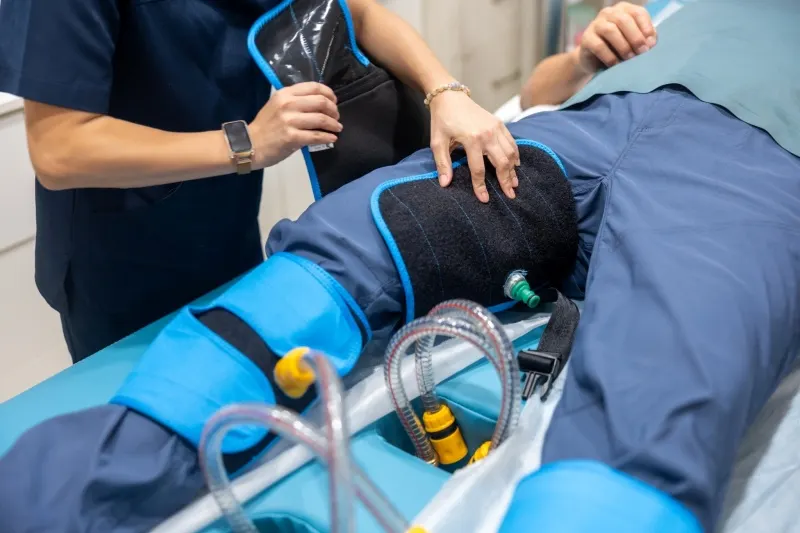
A non-invasive treatment with zero pain, one session lasting one hour. Specially made air-bladder cuffs work with an electrocardiogram (ECG), compressing the lower limbs in the opposite phase to the heart’s contraction and relaxation. This creates pulsation within the blood vessels and massages them. EECP relies on counterpulsation to increase venous return and cardiac output, speeding up blood circulation throughout the body
Regular vascular massage from EECP produces shear stress inside the vessels, promoting the production of nitric oxide (NO). This helps improve endothelial function, increases vascular elasticity, and encourages capillary growth throughout the body.
Suitable for: stroke, mild depression, autonomic nervous system dysfunction, dementia, high blood pressure, infertility, erectile dysfunction, diabetes, sudden tinnitus, heart failure, and more
Besides improving the conditions above, it can also help with some everyday concerns, such as insomnia, poor appetite, frequent constipation or diarrhea, cold hands and feet, allergic and inflammatory reactions, and more
Intravenous Laser / Helium-Neon Laser (ILIB)
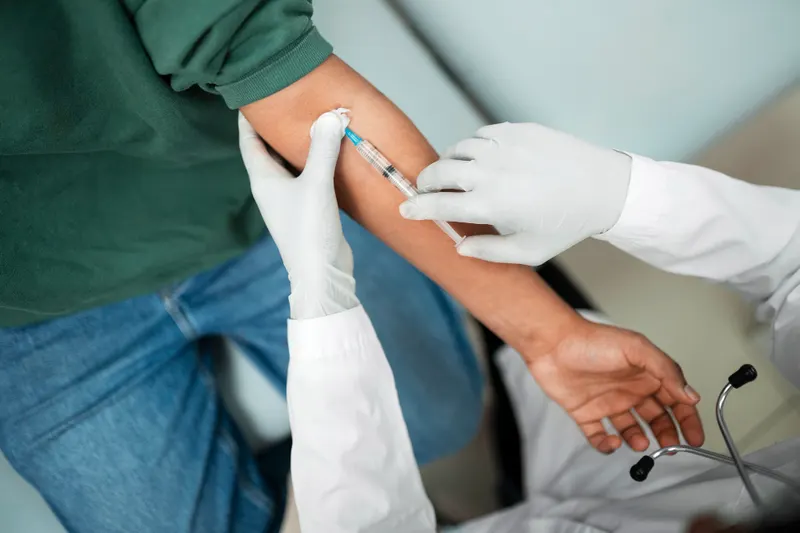
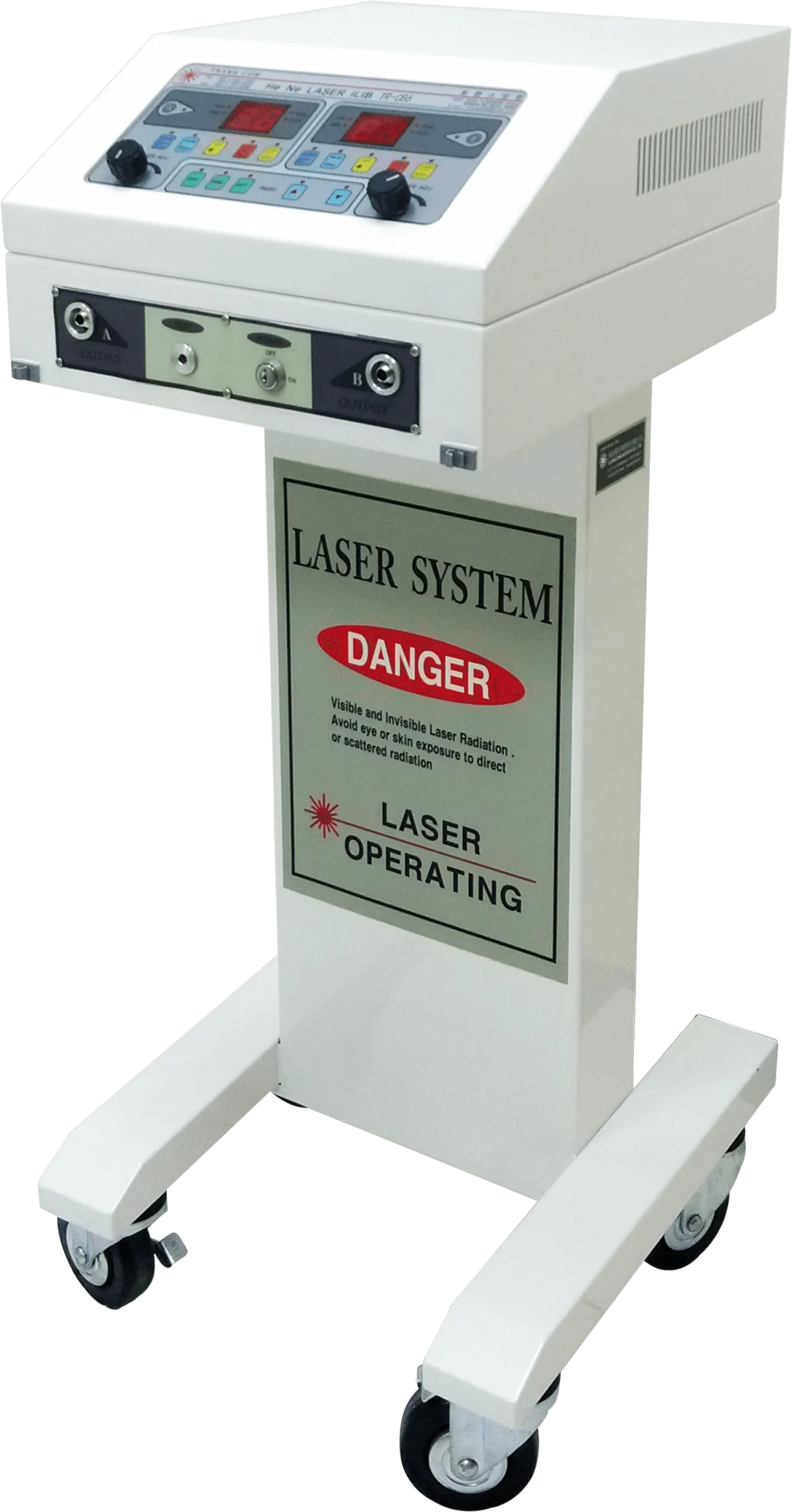
A fiber-optic catheter delivers low-level red laser light into the bloodstream through a vein in the arm, much like giving the blood a low-level laser sunbath. A session takes about 1 hour. It can stimulate the oxygen-carrying capacity and elasticity of red blood cells, improve blood circulation, activate cells throughout the body, strengthen antioxidant activity, and support tissue repair, and it is also very helpful for managing chronic diseases.
Suitable for: poor sleep quality, sexual dysfunction, high blood pressure, diabetes, frequent colds, prevention of myocardial infarction, faster wound healing, women’s gynecological issues, smokers and drinkers, and more
Needle-Free Intravenous Laser / Transcutaneous Laser (OLIB)
A non-invasive treatment. Over a 1-hour session, the blood is repaired about 6-7 times. Patches deliver low-level red light, giving the blood vessels a sunbath. The principle is the same as traditional intravenous laser: it increases the oxygen-carrying capacity of blood cells, improves circulation, and regulates immune function. Unlike traditional intravenous laser, however, transcutaneous laser reduces the discomfort of needle sticks and the risk of infection
Suitable for: sleep disorders, stroke, colds, wound healing, hair growth, reducing swelling after aesthetic procedures, the “three highs” (high blood pressure, high blood sugar, and high cholesterol), arteriosclerosis, and more
This article is for general information only. Results vary from person to person; please consult a doctor in person before deciding on any treatment.