Contents
Anbosheng EECP external counterpulsation is a non-invasive treatment that promotes circulation throughout the body, stimulates new blood vessel growth, and offers a wide range of therapeutic benefits! This article explains EECP’s principles, benefits, and features in detail, covers side effects and common questions, and gives you a thorough understanding of EECP. If you want to learn about EECP, this article has you covered!
What Is EECP?
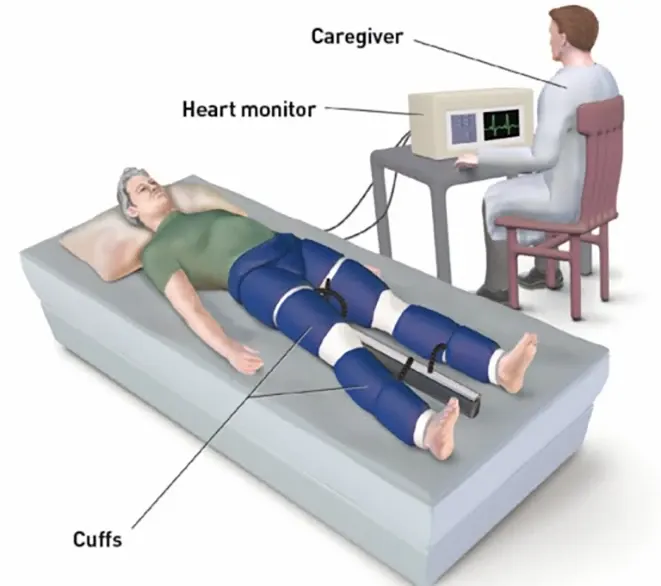
EECP stands for Enhanced External Counterpulsation, also known simply as external counterpulsation. It is a non-invasive external mechanical circulatory assist device that improves heart function and promotes blood vessel regeneration throughout the body. Put simply, it is a counter-pressure therapy that works against the resistance created as the heart and vessels contract, stimulating the blood vessels to release hormones, which relaxes blood pressure, softens the vessels, promotes blood flow within the organs, and reduces the heart’s workload.
We recommend following the standard program of 1 hour a day, 5 days a week, for 7 weeks for your course of treatment. A total of 35 hours of treatment is required to complete one full course.
How EECP Works and Its Effects
How EECP works
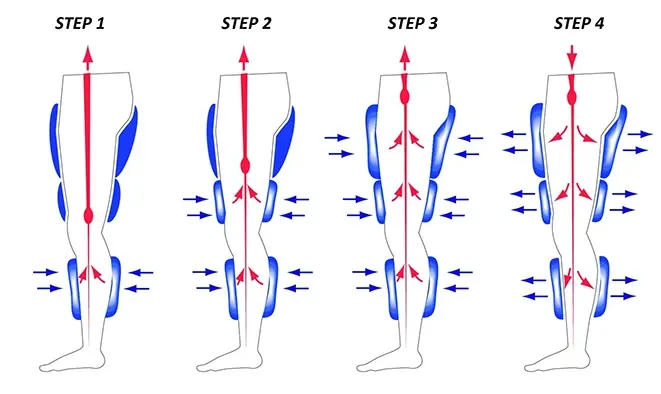
Specially made air cuffs work with the user’s electrocardiogram (ECG), detecting the R wave of the heart’s electrical signal and synchronizing with the heart’s diastole and systole. The cuff segments inflate in sequence at 25 ms intervals, relying on counterpulsation to increase venous return and cardiac output, which in turn speeds up circulation throughout the body.
EECP effects
EECP creates pulsation within the blood vessels, massaging them. Blood circulation throughout the body speeds up, acting as a form of passive exercise, like running an effortless marathon while lying in bed.
Benefits of EECP Treatment
What the treatment does
Indications
Features of EECP Treatment
Side Effects of EECP
Although EECP is a non-invasive treatment, it can still cause some side effects. The following are the 10 main side effects that may occur during EECP treatment:
Precautions for EECP Treatment
FAQ
Can I do just a few sessions of EECP?
Not recommended. Overseas medical studies use a fixed number of sessions, and with only a few sessions the effect cannot be seen; we recommend completing all 35 sessions for better results
How long do the effects last after the EECP course ends?
Data from the IEPR (International EECP Patient Registry) in the United States show that after completing an EECP course (35 hours), the benefits can last up to three years, while other small studies show that some patients’ benefits can last for five years
Who is not suited for EECP treatment?
People with poor blood clotting, aneurysm, venous disease (phlebitis, deep vein thrombosis in the legs), congenital heart disease, poorly controlled high blood pressure, arrhythmia, pregnancy, severe obstructive pulmonary disease, severe cardiovascular disease, malignant tumors, and so on. Your actual condition must be evaluated by a doctor during consultation.
Is EECP treatment comfortable and safe? How does it feel afterward?
The air cuffs apply pressure to the legs and buttocks, similar to a massage. Once users get used to this pressure, they can usually get through the session comfortably and safely.
EECP is often described as “passive exercise,” so patients may feel tired after the first few days of sessions, which is normal, especially if they rarely exercise. After this short “training period,” patients usually begin to notice they have more energy.
When can I expect to feel progress?
Every user responds differently, but most users begin to feel their body improving around week 7 of the course, such as better sleep quality, improved exercise tolerance, and more.
Can I receive treatment again after the course ends?
Yes. If symptoms reappear, a physician can determine whether another course of EECP is needed.
What happens if I miss a session?
Over the 7-week course, receiving EECP treatment every day as scheduled is the key to getting the optimal number of treatment hours; missed treatment time is usually made up so that the total reaches 35 hours
This article is for general information only. Results vary from person to person; please consult a doctor in person before deciding on any treatment.