Contents
- What Are Subcutaneous Fat and Visceral Fat?
- How Can You Tell Subcutaneous Fat From Visceral Fat?
- How Lipolysis Injections Work
- Where Lipolysis Injections Work Best
- Lipolysis Injection Treatment Schedule
- How Lipolysis Drips Work
- Where Lipolysis Drips Work Best
- Lipolysis Drip Treatment Schedule
- How Weight-Loss Pens Work
- Where Weight-Loss Pens Work
- Weight-Loss Pen Treatment Schedule
- Lipolysis Injections vs. Lipolysis Drips vs. Weight-Loss Pens
Stubborn fat on your face and body that never goes away, making you look bulky and older? What are lipolysis injections, lipolysis drips, and weight-loss pens? How do their mechanisms differ, and which one is better at tackling fat? This article analyzes these three different aesthetic medicine approaches to fat loss, and shows you how to make the road to fat loss and weight loss easier.
What Are Subcutaneous Fat and Visceral Fat?
Although every aesthetic treatment has some effect on all kinds of fat, you still need to know where the fat is located in order to choose the right treatment and target it precisely. Body fat comes in two types, subcutaneous fat and visceral fat. Here is how to tell them apart:
- Subcutaneous fat:
All fat that grows under the skin and covers the whole body is called subcutaneous fat
- Visceral fat:
Fat that grows around organs such as the intestines, stomach, and liver is called visceral fat
How Can You Tell Subcutaneous Fat From Visceral Fat?
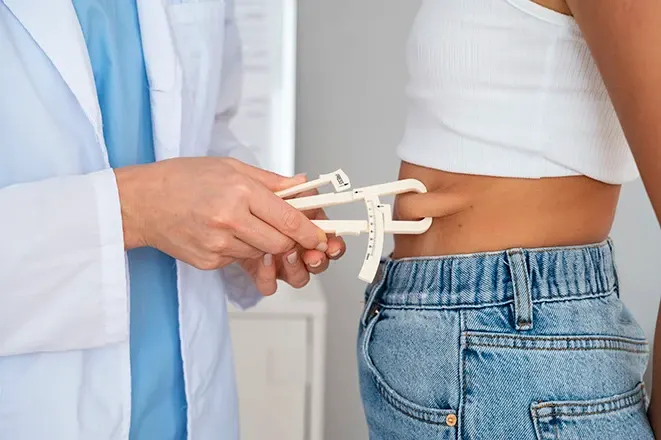
A CT scan can clearly show how much subcutaneous and visceral fat a person has. For a simple self-check, you can use the “Pinch Test”:
Pinch the fat on your abdomen with your fingers or a clip. If only a thin layer can be pinched up, your fat is mostly visceral. When assessing, doctors usually use a professional caliper to judge the thickness of subcutaneous fat, and the thicker the pinch, the more subcutaneous fat there is.
How Lipolysis Injections Work
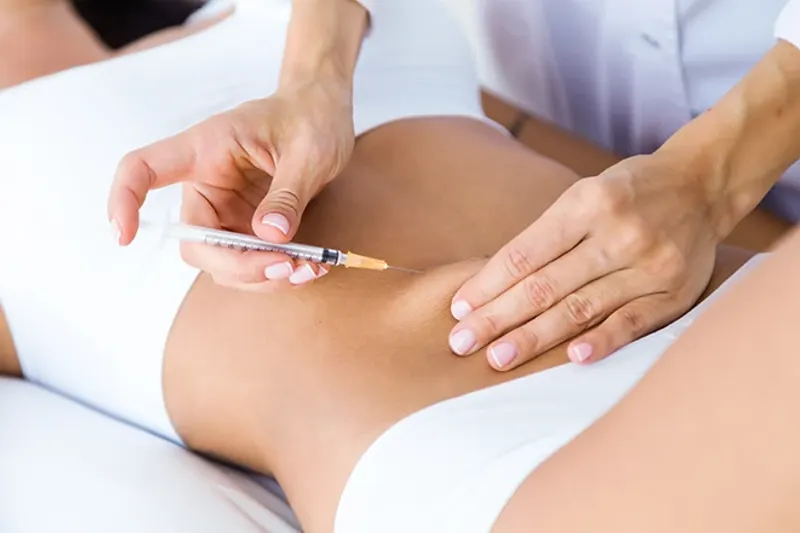
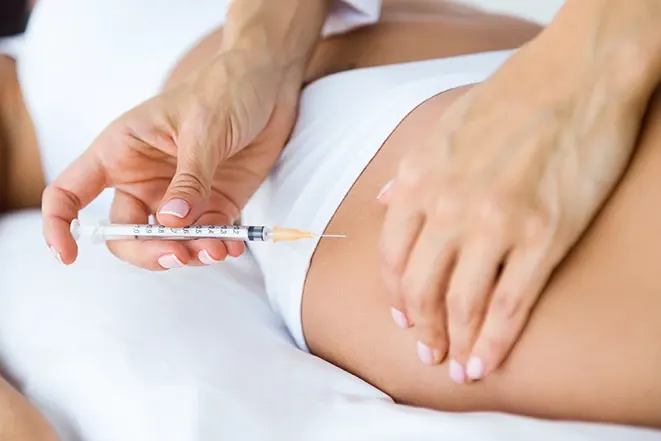
A colorless, sterile deoxycholic acid solution damages the cell membranes of fat cells and causes the fat tissue to die off. Macrophages then clear away the broken-down fat, which reduces the amount of fat and speeds up the body's metabolism, removing subcutaneous fat and producing the fat-reduction effect.
Where Lipolysis Injections Work Best
Lipolysis injections mainly suit small, localized areas and can sculpt small areas precisely, for example the double chin, jowls, bat wings, saddlebags, and abdomen. For fat deeper in the body, we usually recommend liposuction surgery, which works mainly through external force to break up fat, so the result is more dramatic and suits sculpting larger areas.
Lipolysis Injection Treatment Schedule
Typically, one course needs 2 to 4 sessions, with 4 to 6 weeks between each. Results are not immediate and depend on each person's treatment plan, but generally appear 2 to 3 weeks after the second session.
How long the results last also varies from person to person. If you rely entirely on lipolysis injections but change nothing in your lifestyle, still eating unhealthy, high-calorie food, not exercising regularly, and staying up late and sleeping too little every day, the results naturally will not last long, and you may even regain the weight.
How Lipolysis Drips Work
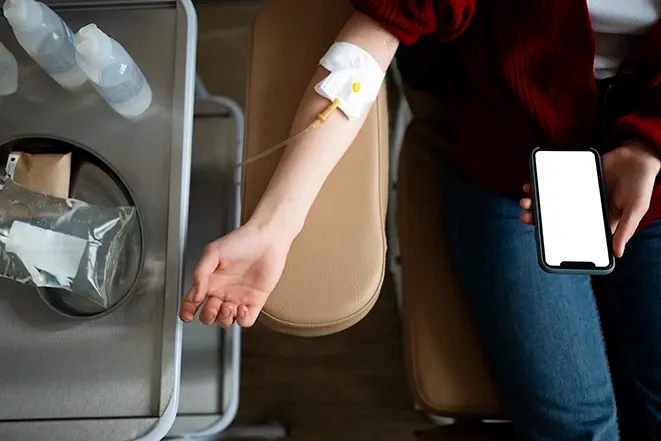
Lipolysis drips, also called fat-burning drips, metabolism drips, or fat-reduction drips, work mainly through “intravenous infusion,” so that the deoxycholic acid, polyenylphosphatidylcholine, and Carnitine in the solution travel through the bloodstream to the whole body, converting neutral fat and cholesterol into forms that are easier to metabolize, which reduces the proportion of deep visceral fat and helps protect the organs and lighten the body's burden.
Where Lipolysis Drips Work Best
Mainly used to target fat across the whole body, they can metabolize visceral fat, subcutaneous fat, and fat in the blood vessels all at once. People with excess visceral fat, abdominal obesity, or a central-obesity / apple-shaped figure are all suitable candidates for lipolysis drips.
Lipolysis Drip Treatment Schedule
Lipolysis drips also do not work immediately. We recommend 6 to 8 sessions a month, once every 4 days, as regular maintenance, for a continuous course of 10 to 12 lipolysis drip sessions, combined with adjustments to routine, exercise, and diet and with other fat-reduction treatments, to build a healthy metabolic cycle, with results gradually appearing after about 2 to 3 weeks.
How Weight-Loss Pens Work
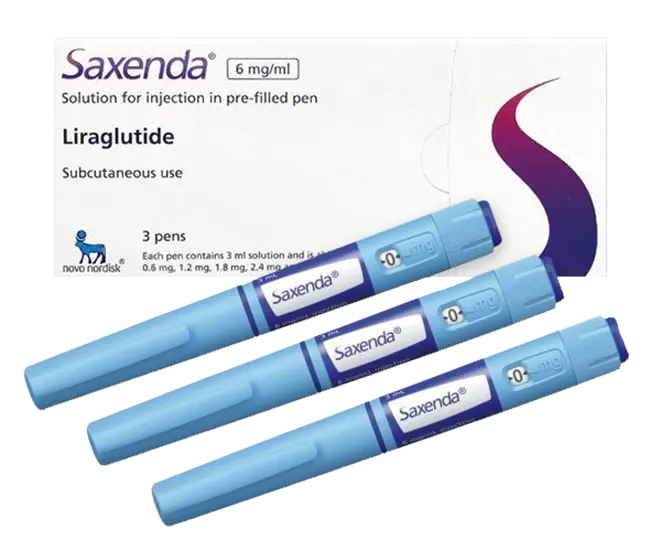
The main ingredient in weight-loss pens is liraglutide, also called a GLP-1 receptor agonist. It is a natural hormone that is released in response to eating and acts on the hypothalamus, interacting with specific neurons involved in regulating appetite and food intake. It creates a feeling of fullness, suppresses appetite, and slows gastric emptying, so you eat less and lose weight.
Where Weight-Loss Pens Work
Weight-loss pens work by reducing hunger and controlling how much you eat, which affects your calorie intake across the whole day. As a result, the effect applies to the whole body, and weight goes down.
Weight-Loss Pen Treatment Schedule
One injection a day for at least one month; a full course is usually 3 pens, and the dose should be increased gradually as directed by your doctor to reduce side effects such as dizziness and nausea. It can be used at any time of day, with no need to choose an empty stomach or after meals or to adjust to mealtimes, but it is best to inject at a consistent time. Injection sites can be the abdomen (at least 5 cm away from the navel), the upper arm (upper outer back), or the front outer thigh, and we recommend the abdomen and arms first.
| Your Appetite | Dose per Injection | How Long Each Pen Lasts |
|---|---|---|
| Smaller appetite | 0.6mg | 30 days |
| Average appetite | 1.2-1.8mg | 10-15 days |
| Larger appetite | 2.4-3mg | 6-7 days |
Lipolysis Injections vs. Lipolysis Drips vs. Weight-Loss Pens
| Lipolysis Injection | Lipolysis Drip | Weight-Loss Pen | |
|---|---|---|---|
| Main Ingredients | Deoxycholic acid | Deoxycholic acid, polyenylphosphatidylcholine, Carnitine | Liraglutide |
| How It Works | Destroys fat cells and causes fat tissue to die off | Converts fat tissue into a form that is easier to metabolize | Increases fullness, suppresses appetite |
| Treatment Area | Small, localized areas such as the double chin and jowls | Metabolizes visceral fat, protects the organs | Whole-body weight loss |
| Treatment Schedule | Not immediate 2-4 sessions needed 4-6 weeks between sessions | Not immediate 6-8 sessions a month recommended One every 4 days 10-12 sessions in total | Daily injection 3 pens make up a full course At least 1 month recommended |
These three aesthetic fat-loss treatments can make weight loss go more smoothly, but they are not a cure-all, so we still recommend pairing them with good eating habits and avoiding binge eating that leads to weight regain, and you can also combine them with other fat-reduction treatments to target different kinds of fat more precisely. Before starting any treatment, we recommend consulting a professional doctor to assess your own condition first.
This article is for general information only. Results vary from person to person; please consult a doctor in person before deciding on any treatment.