Contents
- Double Chin Types: Fat Accumulation Type
- Double Chin Types: Loose Skin Type
- Double Chin Types: Short Chin Type
- How to Tell Your Double Chin Type
- What Are the Solutions for a Double Chin?
- Introduction to Double Chin Liposuction (VASER Liposuction)
- Aftercare for Double Chin Liposuction
- Risks After Double Chin Liposuction
A double chin is a common concern. It not only blurs your facial contour but also makes you look older. Most people gain fat in the face when they put on weight, and overly exaggerated expressions can also squeeze the chin, leading to a double chin. Beyond fat buildup, other factors can also cause a thick chin, such as loose skin and bone structure. This article walks you through the types of double chin and shares the details of “double chin liposuction.” Read on to learn more and get rid of this stubborn problem!
Double Chin Types: Fat Accumulation Type
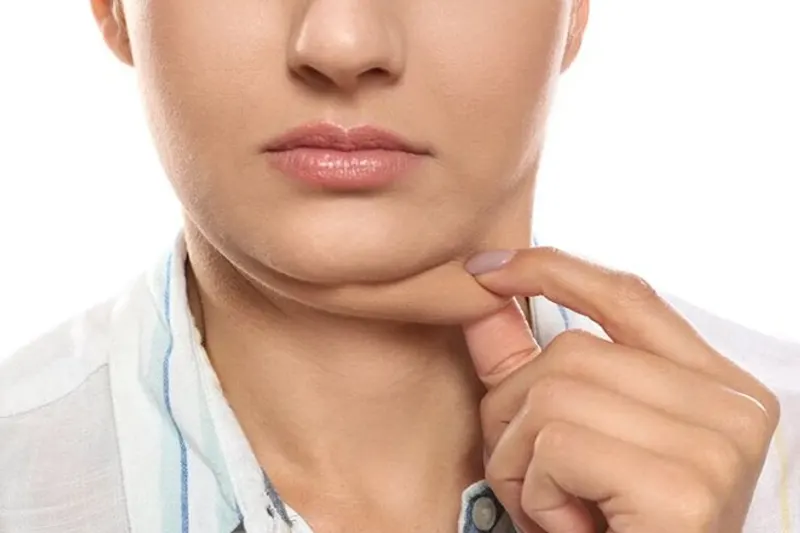
The fat accumulation type is basically: caused by body obesity, BMI, and family genetics (it occasionally appears in people of normal weight, especially those with fat metabolism problems). Too many fat cells gather in the chin area, thickening the subcutaneous tissue and forming what is called a “fat pad.” This type of chin is characterized by an obvious fatty bulge. In appearance, the jawline is blurred and the facial contour is rounder. It is usually treated with double chin liposuction, lipolysis injections, and the like.
Savior for fatty double chins! Lipolysis injections vs. chin liposuction for a tighter jawline
Double Chin Types: Loose Skin Type
Aging causes skin to loosen and lose elasticity. As we get older, collagen and elastic fibers gradually decline, and the skin no longer has enough support, which creates the “loose skin type” (also called a false double chin). It also usually appears in people who lose weight quickly, because the skin cannot retract fast enough and sags. With this type, the skin under the chin feels thinner and there is no obvious fat. In appearance, the lines are not clearly defined and the skin lacks firmness. It can be improved by increasing skin firmness with “thread lifts” or “RF and ultrasound treatment” to tighten the skin and achieve improvement.
Double Chin Types: Short Chin Type
A very common trait among Asians is a short chin, and besides being naturally short, some people have a chin that has receded over time. This type looks like it has excess fat, but when you touch it, you don't find any fat buildup. Instead, the way the chin bone has developed makes the chin recede so that it looks wider and lacks definition, as if there were no chin. The short chin type is also called a “false double chin” and can be improved by augmenting the chin with an implant.
However, a reminder: short chins are common among Asians, so the cause may be a combination of factors, and we still recommend consulting and discussing with your doctor before treatment so you get the most complete treatment!
How to Tell Your Double Chin Type
First determine whether there is fat, then decide on a solution! (Very important, five stars.) The double chin area contains the “skin,” the “fat pad,” and the “platysma,” with the trachea and esophagus behind it, so it isn't only fat. You therefore need to confirm your own type first, and the self-check is very simple: just pinch the “thickness” and compare it with the “fat pad of your forearm.”
What Are the Solutions for a Double Chin?
1. Exercise and Diet Control
Combine aerobic exercise with a healthy diet to reduce body fat. Daily neck exercises and chin lifts (such as pressing the tongue to the roof of the mouth, or tilting the head back and opening and closing the mouth) are simple exercises that help prevent a sagging chin, and improve muscle firmness.
2. Aesthetic Treatments or Surgery
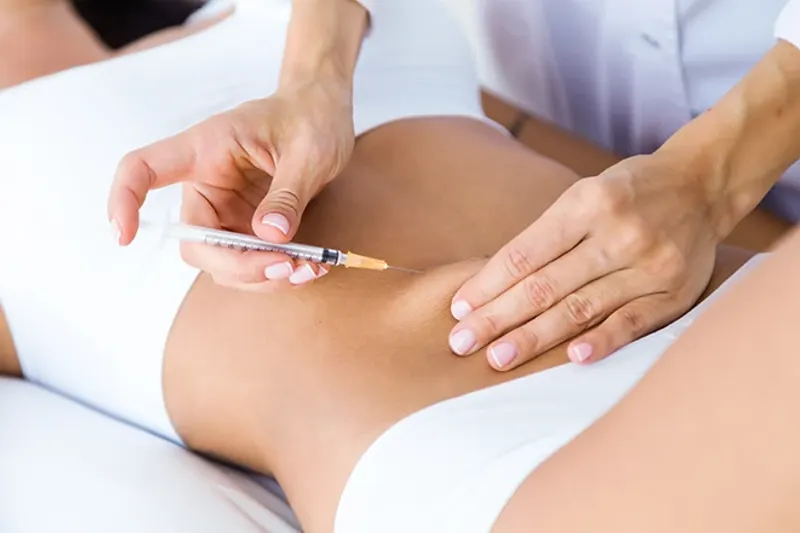
Daily care and diet control can slow the formation of a double chin. If you want to solve the problem more quickly and effectively, you can use aesthetic treatments such as lipolysis injections, cryolipolysis, or double chin liposuction to precisely correct the problem.
How to get rid of a double chin? 5 exercises + 5 treatments at a glance, the complete guide
Introduction to Double Chin Liposuction (VASER Liposuction)
Double chin liposuction also adjusts the contour line along with it, so it is also called jawline liposuction. In this procedure, a thin liposuction cannula is inserted through small minimally invasive incisions under the earlobes and beneath the chin into the subcutaneous fat layer, and the fat is removed by suction. NAISS CLINIC uses “VASER liposuction,” so you can feel very reassured about safety!
VASER liposuction features: a titanium probe, the metal most compatible with the human body, releasing ultrasound that creates hundreds of dense microbubbles, which break large fat clumps into smaller ones; a spiral water flow then separates the small clumps into individual, distinct fat cells. The process involves no tearing damage and no high-heat laser stimulation, and does not damage surrounding blood vessels, nerves, or connective tissue, so it can effectively reduce bleeding, bruising, and pain, leaving the skin at the wound site firm and not loose after surgery.
Get to know “VASER liposuction”! Sculpt mermaid lines and vest lines (abdominal definition)
Aftercare for Double Chin Liposuction
- For the first week after surgery, wash your face gently and do not press hard; for the first 48 hours, keep the wound away from tap water to prevent infection. The wound can be gently wiped with a sterile cotton swab and saline.
- After surgery, you need to wear a compression bandage around the face and neck, which effectively reduces swelling and helps the skin conform to maintain the shape of the chin. It usually needs to be worn for about 1-2 weeks, depending on your doctor's advice.
- In the first few days after surgery, you can apply ice locally, 15-20 minutes each time, to help reduce swelling and bruising.
- In the 1-2 weeks after surgery, avoid strenuous exercise and large neck movements, to prevent the wound from tearing or the lines from becoming distorted.
- After surgery, do not eat overly hot or scalding food.
- Avoid spicy, greasy, and overly salty foods, because these may trigger inflammation or add to the body's burden. Also drink plenty of water, which promotes metabolism and recovery. You can also eat a moderate amount of foods rich in protein and vitamin C to help the wound heal. 7. Short-term color differences or uneven, swollen areas may appear after surgery; these are all normal.
Fastest way to recover after liposuction? What to watch out for? The complete guide!
Risks After Double Chin Liposuction
Although double chin liposuction is a common and effective aesthetic procedure, like all surgeries it carries certain risks. P.S. Everyone's constitution is different, so actual results may vary.
- Infection: If the wound is not cared for properly after surgery, infection may occur, so always follow your doctor's instructions for post-op care.
- Hematoma or bruising: Liposuction can injure blood vessels, causing local hematoma or bruising. This is usually temporary and fades on its own over time, but if severe swelling does not go down, return for a follow-up visit.
- Numbness or nerve injury: Some patients may feel temporary numbness in the chin area after surgery because the nerves are mildly irritated or compressed. In most cases it recovers within weeks to months.
- Asymmetry or uneven skin surface:
If you don't follow through with massage and care after surgery, or the doctor lacks technique and experience, removing too much or too little fat may cause asymmetry between the two sides or an uneven, bumpy surface. - Pigmentation: During liposuction, skin tissue sustains some degree of damage and capillaries rupture, causing red blood cells to break down, and the iron inside deposits in the skin and forms pigment. Post-surgical inflammation and individual constitution can also worsen the pigmentation.
- Deep vein thrombosis or pulmonary embolism: In very rare cases, fat particles during surgery may enter the blood vessels, causing deep vein thrombosis or the more serious pulmonary embolism. This is a very rare but serious risk, usually related to rough liposuction technique or too large a volume of fat removed.
How to avoid liposuction complications and failed liposuction? 3 liposuction risks you must know!
What are the complications of liposuction? Learn the types and how to avoid them!
This article is for general information only. Results vary from person to person; please consult a doctor in person before deciding on any treatment.