Contents
Why does everyone love aesthetic medicine these days? What's all the buzz about? In this age of beauty, you may want to know what “aesthetic medicine” is. Aesthetic medicine, or “medical aesthetics” for short, means achieving cosmetic results through medical methods, and it must be performed by professional, licensed physicians. This article is a quick guide for beginners! Learn quickly what aesthetic medicine is and what types there are.
What Is Aesthetic Medicine?
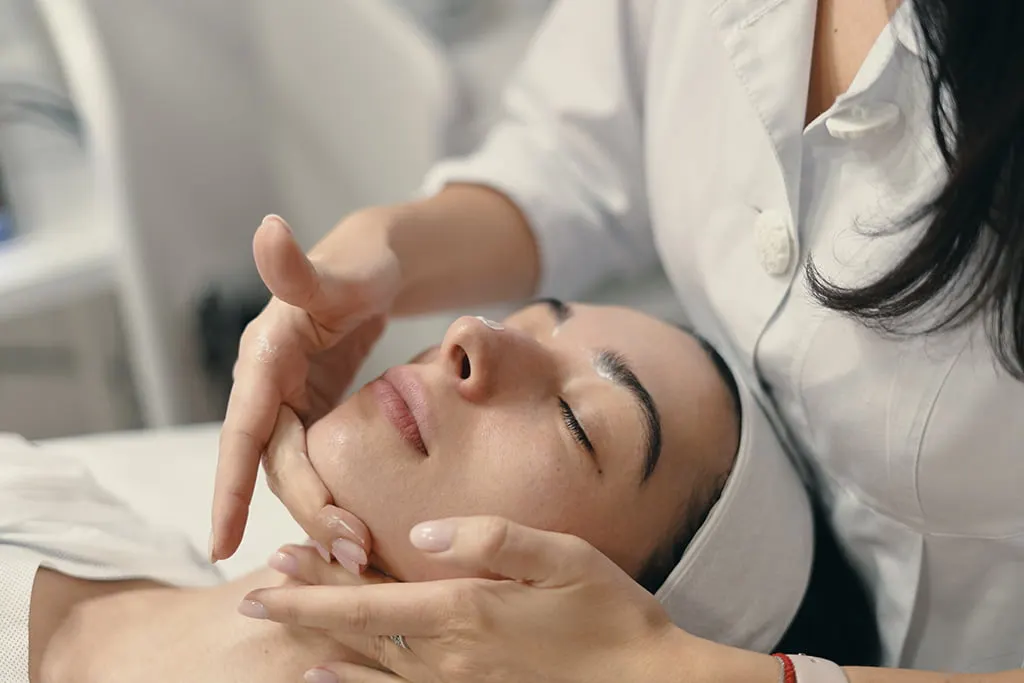
Aesthetic medicine (also called medical aesthetics) is a general term for all medicine related to improving appearance. Professional physicians use medical procedures such as surgery, medication, medical devices, and biomedical materials to perform invasive or non-invasive techniques that improve the appearance of the body and face while also achieving therapeutic goals, such as scar removal and reconstructive surgery, beautifying, improving, repairing, and regenerating the appearance, hair, and body contours of the human body.
Laser aesthetic treatments: pre-treatment precautions and post-treatment care FAQ
Types of Aesthetic Medicine
Type 1: Light- and energy-based treatments
Such as various lasers, intense pulsed light, radiofrequency, or ultrasound.
Type 2: Injectable treatments
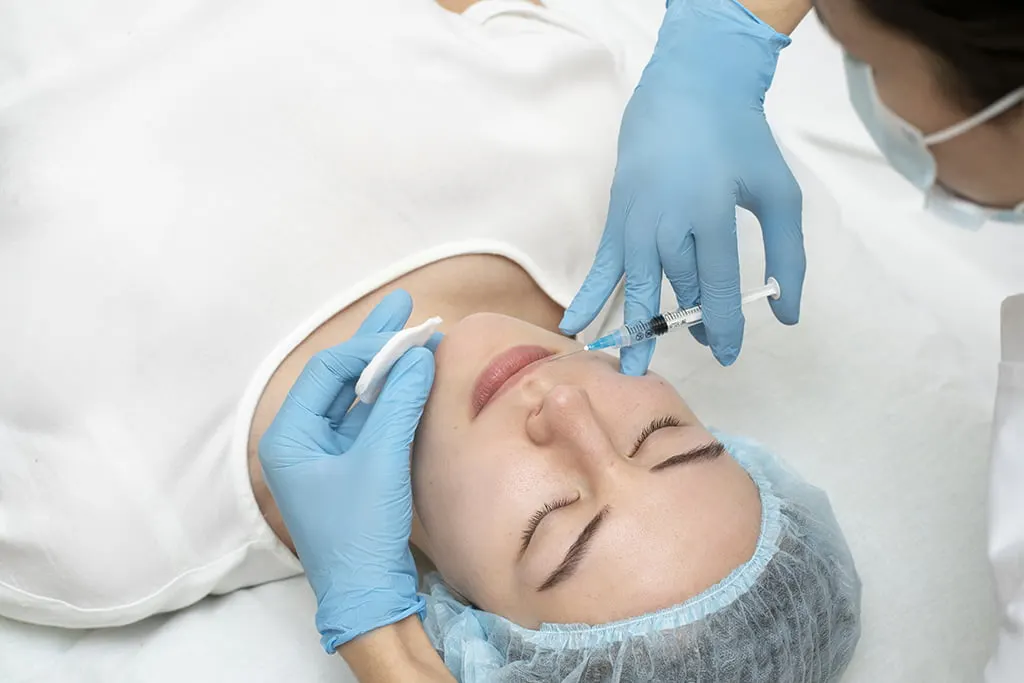
Such as injecting botulinum toxin or other cosmetic fillers (hyaluronic acid, collagen) and the like.
Type 3: Cosmetic surgery
Such as liposuction, rhinoplasty, breast augmentation, double eyelid surgery, eye bag surgery, facelift surgery, and facial contouring or orthognathic surgery, all of which take place in an operating room.
The types above are further divided into invasive and non-invasive. Because non-invasive treatments need no operating room or general anesthesia, and leave almost no wounds and place little burden on the body's natural repair, with easy aftercare and immediate results, they are especially popular with people today.
| Energy-based treatments | Injectable treatments | Cosmetic surgery | |
|---|---|---|---|
| Level of invasiveness | Non-invasive | Minimally invasive | Highly invasive |
| Medical specialty | Mostly dermatology | Mostly dermatology | Mostly plastic surgery |
| Procedure time and recovery | Short | Short | Longer |
| Duration of results | Generally shorter | Generally shorter | Generally longer |
| Anesthesia required? | No; numbing available for those who are sensitive to pain | No; numbing available for those who are sensitive to pain | Yes; general or local anesthesia |
| Risk / complication rate | Lower | Lower | Moderate |
Invasive aesthetic procedures are considered plastic surgery, carry risks, and require general anesthesia and incisions. Before surgery, thorough examinations and a consultation and planning session with the doctor are required, as with breast augmentation, rhinoplasty, liposuction, facelift surgery, and facial contouring.
Light aesthetic medicine (generally minor procedures and non-invasive treatments) has these advantages: it is quick and requires no surgery. Many office workers use their lunch breaks to quietly get Botox or hyaluronic acid filler for upkeep, becoming prettier on the sly without anyone noticing when they return to work!

Incidentally, the medical-grade skincare products we commonly see (such as hyaluronic acid hydrating serums and mandelic acid renewing serums) contain some pharmaceutical ingredients. Compared with ordinary skincare products, their effects are more clear-cut, with both ingredients and concentrations supported by medical theory, so they are gradually winning over consumers and tending to replace regular department-store skincare.
TOP 1: HydraFacial
The HydraFacial treatment you often hear about delivers basic yet precise cleansing and care for your skin, and helps improve blackheads at the same time.
What is the HydraFacial everyone loves? The No. 1 painless blackhead-clearing tool
HydraFacial Syndeo upgraded? Are influencers all using it? A quick guide to benefits and precautions
TOP 2: Picosecond laser
The hottest treatment of summer! If you struggle with acne scars or dull skin, you have to try picosecond laser! (For both men and women.) Our editors can't recommend it enough!
Season change ready! Picosecond laser for enlarged pores
TOP 3: Triton hair removal
Last, and probably what everyone needs most: hair removal! There are many hair removal devices, and I'm sure you've done plenty of research. Triton hair removal has been extremely popular in recent years, is the device many people choose, and is especially popular with budget-conscious clients!
Laser hair removal uncomfortable and ineffective? You haven't tried “Triton hair removal”!
Is There an Age Limit for Aesthetic Medicine?
Under Ministry of Health and Welfare regulations, any aesthetic treatment can only be carried out for those aged 18 or older, even with a guardian's signature or accompaniment! Those aged 18 to 20 need the consent of a legal representative to receive aesthetic treatment.
Any aesthetic treatment (invasive or non-invasive) requires a consultation and a doctor's evaluation of your individual condition to plan the treatment, and you must also return for regular follow-ups so your doctor can confirm your recovery and make adjustments promptly!
What Aesthetic Medicine Beginners Should Know
Before beginners step into this world, you need to understand the following precautions and do plenty of homework. Whether it's the treatment or the clinic, our editors recommend comparing several options so you don't lose out!
1. Understand your body constitution and skin type:
Before treatment, find out whether the treatment you want and its ingredients could affect your skin, and whether they match the results you hope for. Having a basic understanding before consulting your doctor will give your consultation more direction.
2. Check whether the clinic has an operating license:
When choosing an aesthetic clinic, check whether it has a medical practice license; a valid professional license offers better assurance of safety.
3. Check whether the doctor holds a professional license:
Whether the doctor performing the treatment holds an approved professional license is also very important. Any diagnosis, prescription, surgery, and anesthesia in aesthetic medicine is a medical act and must be performed only by a qualified professional doctor.
4. See the doctor for a consultation in person:
Before any treatment, it is very important to consult with the doctor in person. Besides letting the doctor get a full picture of your health, if a doctor performs surgery without examining you first, it not only violates the Physicians Act but also carries very high medical risks for the patient afterward.
5. Check that the equipment and materials meet standards:
Some unscrupulous operators mix in counterfeits, which not only raises risk but may also have no effect at all. Therefore, check that the original packaging is intact and confirm that the anti-counterfeit label and the device have been approved by Taiwan FDA; these are the key points of a safety check.
6. Understand your treatment and communicate thoroughly:
Besides consulting your doctor before any treatment, it is also very important to understand the treatment process, risks, and expected results. Also, communicate fully with the medical staff before the procedure, especially by clearly telling them about your health condition, since these factors all affect the treatment.
A must-read for aesthetic medicine beginners: the most complete guide for first-timers
Recommended Aesthetic Clinics
With so many aesthetic clinics, how do you choose without getting burned? First check that the clinic has been accredited, then look at the four elements of a high-quality medical clinic:
(1) Aesthetic medicine facility accreditation:
To prevent medical disputes and protect consumers, the Department of Health has promoted related management rules. Besides facility accreditation, aesthetic medicine facilities can also apply for accreditation for different levels of aesthetic medical procedures. Facilities that pass accreditation for minimally invasive energy-based treatments or injectable treatments receive a certificate with a green mark, while facilities that apply for and pass accreditation for invasive cosmetic surgery receive a certificate with a pink mark.
(2) Understand the doctor's specialty training background:
Under the specialist physician classification regulations, there is no “cosmetic surgery” specialty, so there is no such thing as a cosmetic surgeon. In general, non-invasive treatments such as ultrasound lifting and radiofrequency lifting are usually handled by dermatologists (for some treatments such as HydraFacial, a dermatologist consults and evaluates first and then an aesthetician performs it), while surgeries such as liposuction and rhinoplasty are performed by plastic surgeons.
(3) Medical aesthetic certification and professionalism of staff:
Besides professional doctors, front-line aesthetic consultants, medical aestheticians, and medical aesthetic nurses are also a vital part of the team. They can not only provide aesthetic medicine consultation but also teach the public correct health education. Therefore, they must be familiar with the treatment principles, indications, complications, and post-treatment care of various procedures.
(4) Certification of original-manufacturer devices and medical materials:
Normally, any medical device sold in Taiwan will have a medical device license number issued by the Department of Health. This license number is like our ID number: it helps us identify the source of a medical device, and it usually takes one of these 3 formats:
A: Wei Shu Yi Qi Shu Yi Zi No. XXXXXX (imported device)
B: Wei Shu Yi Qi Zhi Yi Zi No. XXXXXX (domestically manufactured device)
C: Wei Shu Yi Qi Lu Shu Yi Zi No. XXXXXX (device imported from mainland China)
By checking a device's or material's Department of Health medical device import license number and the original manufacturer's certificate, we can tell whether the devices and materials meet the relevant safety standards and regulations.

This article is for general information only. Results vary from person to person; please consult a doctor in person before deciding on any treatment.