Contents
What is StarWalker PQX, hailed as the “new-generation darling of aesthetic medicine”? It uses a new picosecond micro-pulse technology that combines the strengths of picosecond lasers and skin-clearing lasers, focusing energy and delivering it precisely into the dermis, with a short recovery period. It can improve spots and post-inflammatory pigmentation while also upgrading overall skin quality. As a multi-purpose device, it is especially popular today, so let’s take a closer look at StarWalker PQX.
What Is StarWalker PQX?
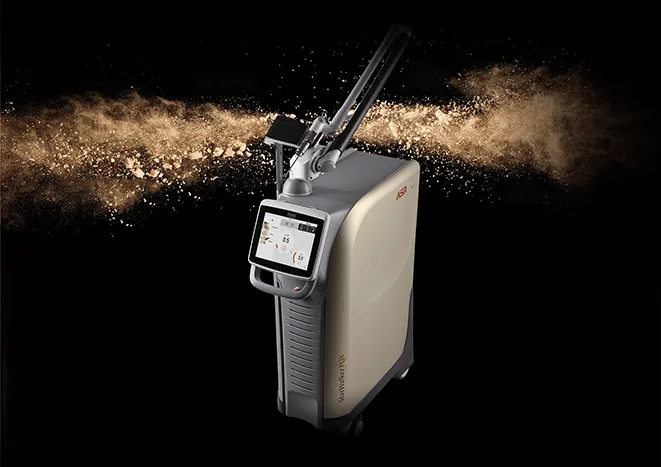
StarWalker PQX is a new-generation laser that combines photothermal effects and offers two wavelengths: 1064/532nm. Its distinguishing features are three market-leading strengths:
1. Shortest Pulse Duration (300 ps)
Pulse duration = how long heat energy stays in the skin
That is why StarWalker PQX causes very little pain, rarely causes rebound darkening, and has the shortest recovery time (redness fades in 1-3 days)
2. Highest Energy (800 mJ)
Higher energy = better results
That said, the physician selects the appropriate energy based on the amount of pigment and the thickness and depth of the skin, to avoid energy that is too strong and backfires.
3. Highest Peak Power (2.7 GW)
Stronger power = pigment is shattered into finer fragments and the body clears it faster
Compared with other laser brands, fewer treatment sessions are needed
In short, the biggest advantages of StarWalker are its short recovery period and more efficient treatments. Compared with conventional lasers, it breaks down melanin and removes tattoos more effectively. It also incorporates multiple patented technologies that keep treatments safe for patients and make the device easier for practitioners to operate.
StarWalker PQX: Indications and Recommendations
StarWalker PQX is effective for many skin concerns. It can be used for the following:
1. Pigmented Spots
For spots at different depths, the wavelength can be adjusted to target them precisely, while also improving uneven skin tone:
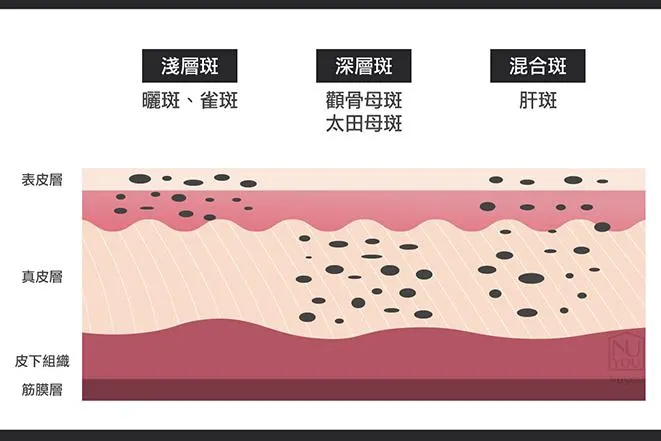
- Superficial spots → located in the epidermis, such as sun spots and freckles; can be treated with the 532nm or 585nm wavelength
- Deep spots → located in the dermis, such as Hori’s nevus and nevus of Ota; best treated with the 1064nm or 650nm wavelength
- Mixed spots → located in the dermis or deep epidermis, such as melasma and pregnancy-related melasma; can be improved with the 1064nm wavelength. However, melasma is a pigmentary skin condition that is difficult to treat, so it takes more sessions to see results, and combination treatment is recommended to lower the chance of recurrence
Spot Treatment at a Glance: The One Influencers All Recommend!
2. Acne Scars
Acne scars fall into acne marks and pitted scars:
- Acne marks → the 1064 wavelength shatters melanin and speeds up its clearance (P.S. red acne marks can also be treated with Lumecca)
- Pitted scars → pitted scars need collagen stimulation, so StarWalker combined with the honeycomb tip treats them more effectively
How to Get Rid of Acne Scars: Full Analysis and Common Blind Spots
3. Enlarged Pores / Fine Lines
StarWalker stimulates collagen production, which can effectively shrink pores and improve fine lines. For pore concerns, adding the honeycomb tip is recommended for better results
4. Tattoo Removal
- 1064nm → suited for dark ink tattoos, such as black, brown and blue
- 532nm → suited for lighter ink tattoos, such as red, tan, purple and orange
The number of sessions and the results of tattoo removal depend on the size, depth and condition of the tattoo itself. For an accurate assessment, an in-person evaluation by the physician is needed!
Regret Your Tattoo? Can Laser Remove It Completely? What to Know Before Tattoo Removal
StarWalker PQX vs. StarWalker Laser: 4 Key Differences
When searching for StarWalker PQX reviews, you have probably often come across “StarWalker laser” as well. The two are actually different, and they are completely different machines:
| StarWalker PQX | StarWalker Laser | |
|---|---|---|
| Pulse duration / recovery period | 300ps / 1-3 days | 580ps / 7-10 days |
| Thermal effect / chance of rebound darkening | Strong / ★ | Stronger / ★★ |
| Max power / number of sessions | 2.7GW / 3-4 sessions | 0.5GW / 4-6 sessions |
| Pain | ★ | ★★ |
FAQ
What should I pay attention to after the treatment?
Be sure to step up moisturizing and sun protection after the treatment! After being hit with energy, the skin becomes more sensitive, so it needs better hydration and protection from UV damage. Note that for one week after the treatment, you should not use skincare products with irritating ingredients such as whitening agents, acids or alcohol.
Why do you recommend a clinic consultation first?
The physician needs to see the actual depth and color of the spots before deciding which wavelength and energy to use. Everyone has different needs and skin conditions, so the number of sessions needed also differs.
How is the price of StarWalker calculated?
Pricing is usually per session and varies from clinic to clinic depending on promotions, services and the handpiece used. NAISS CLINIC offers an all-in-one service that includes makeup removal and cleansing, numbing cream and post-treatment skincare. Feel free to send us a private message to get the trial price!
Picosecond Laser Prices Explained! What Causes the Price Differences?
This article is for general information only. Results vary from person to person; please consult a doctor in person before deciding on any treatment.