Contents
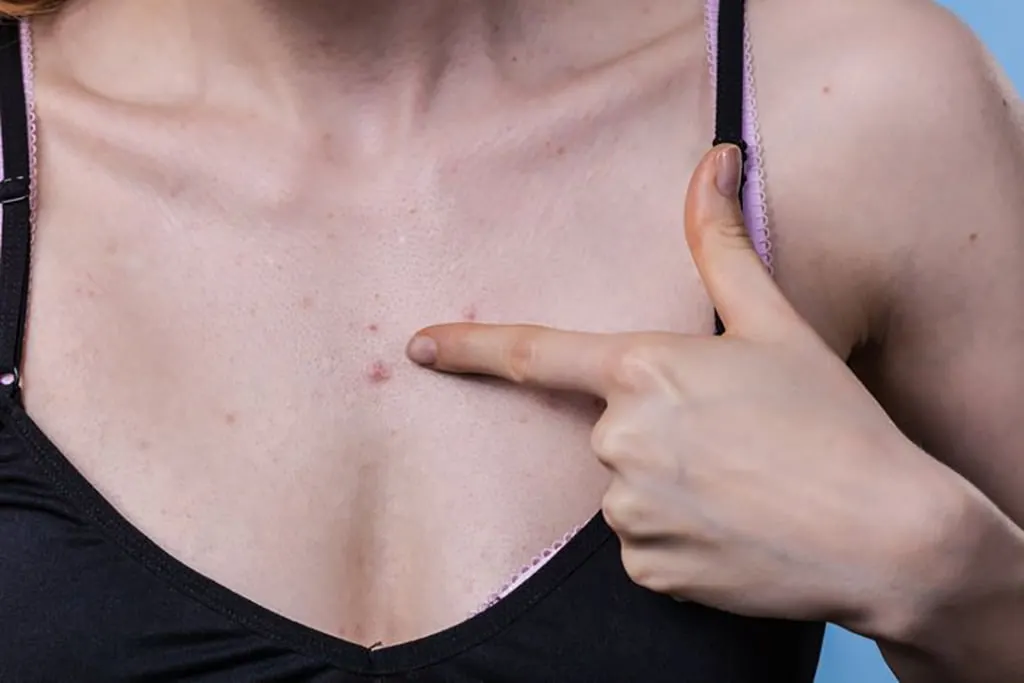
Do your hands itch to squeeze every pimple you see? Most people know acne goes through several stages, and the biggest no-no with acne is squeezing and picking. If it is not cleaned out completely, it can lead to infection, new pimples in the same spot, and even scarring. Among all areas, “chest acne” is where many women find pimples appearing for no obvious reason. The cause may be a problem with the liver or intestines, and in more serious cases it could be a warning sign of breast cancer. So today we introduce and analyze chest acne. Share this with the women around you!
Causes of Chest Acne
First, a reminder: pay attention to where your pimples appear and whether they keep showing up in the same spot. If they do, pay special attention to your body's condition!
According to traditional Chinese medicine theory, acne on the chest may be caused by an imbalance of the “intestines and liver” or by inflammation, for example from overly spicy food or poor eating habits. We suggest improving your daily eating habits, drinking more warm water, or visiting a clinic for a checkup.
From a dermatology standpoint, chest acne is also a type of acne vulgaris, related to excess sebum production, abnormal keratinization of follicle openings, skin inflammation, and follicle inflammation (medical name: acne). We recommend first adjusting your routine (for example, getting enough sleep, eating fewer high-calorie foods, and avoiding high-fat or high-calorie sweets) to reduce sebum production. If there is no clear improvement, see a doctor, who can prescribe suitable medication.
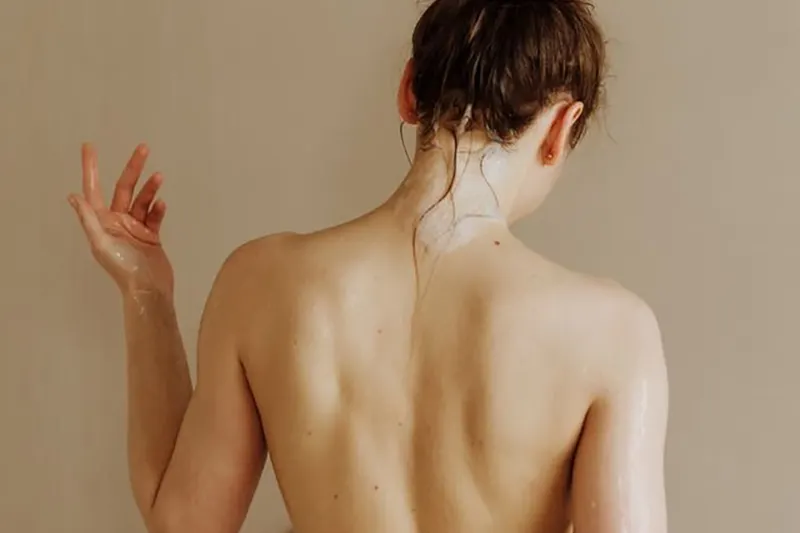
Do Not Let Acne Run Wild! Chest and Back Acne Means Reviewing Your Lifestyle Habits
Back Acne Breaking Out Everywhere? Causes, Care, and a Complete Guide to a Clear Back
Is Chest Acne a Warning Sign of Breast Cancer?

There was once a case in which a woman found a small lump on her chest. She assumed it was ordinary acne and did not observe or care for it specially. A few months later, the “pimple” on her chest had not gone away, and when she saw a doctor she learned it was breast cancer. How can we tell whether what grows on the chest is a “pimple” or a “breast cancer warning sign”?
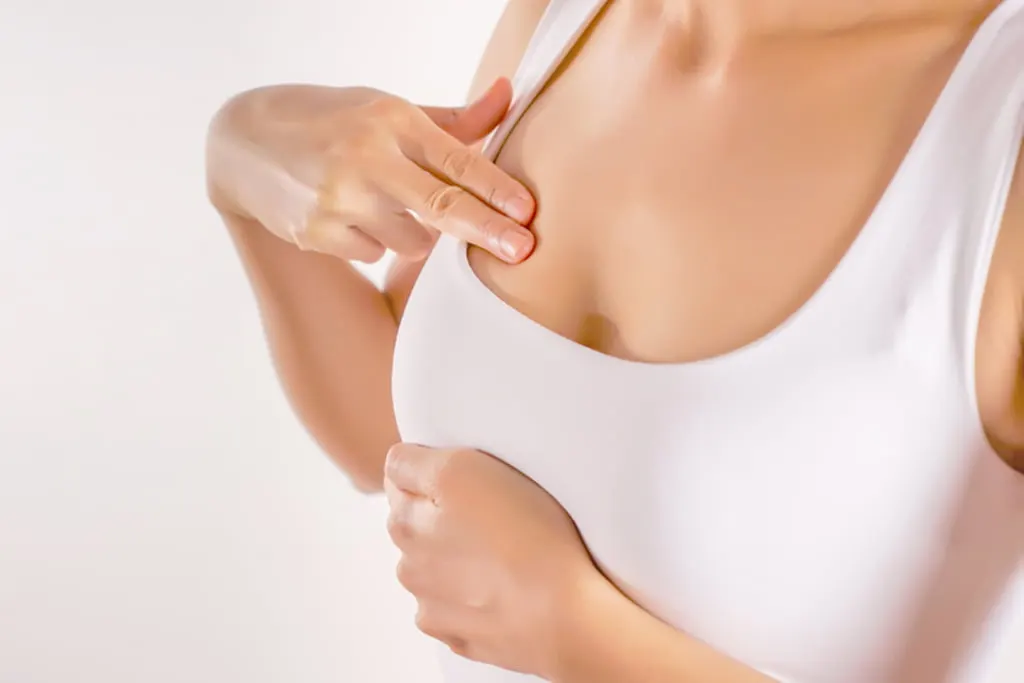
How to Spot Possible Breast Cancer:
- Unexplained breast pain
- Unexplained nipple discharge, even bloody
- Breasts of different sizes or a change in breast shape
- Orange-peel texture or ulceration of the breast skin
- Inverted nipple
- A lump in the breast or armpit
If your self-check shows any of the above symptoms, see a doctor immediately so you do not miss the golden window for treatment!
Avoiding Chest Acne: Three Things to Watch
Chest acne is medically known as truncal acne. This type of acne is harder to care for and slower to respond to treatment, and if not handled properly it can leave scars, keloids, and pigmentation. According to dermatologists, truncal acne responds only briefly to oral and topical medication, recurs once the medication is stopped, and the body can develop drug resistance after long-term use. So we have compiled the following three things to watch when chest acne appears. Keep them in mind every day and you can avoid these troubles!
1. Wear Loose Clothing, and Use Breathable Bedding That You Change Often
When truncal acne (chest or back acne) has appeared, pay special attention to what you wear. Truncal acne especially dislikes hot, stuffy environments and friction! Therefore, when choosing clothes, wear “breathable, loose-fitting” styles as much as possible. If the weather is hot and humid and your chest or back sweats, wipe dry or shower as soon as you can during this critical period. Staying dry is the only way to avoid bacterial growth.
Bedding (such as sheets, quilts, and pillows) easily collects dirt such as dead skin, dust, and dust mite remains and droppings, so it needs to be changed diligently, at least once a week. Keeping the environment clean reduces the burden on your skin, and also lowers the risk of re-infecting the wound!
2. Bathing Matters During Flare-Ups! Avoid Scrubs and Other Exfoliating Products
During flare-ups, most people choose their bath products carefully, hoping to clean the affected skin well. But according to dermatologists, there is no particular need for antibacterial body wash or body products containing glycolic acid or salicylic acid. The concentration is low and the contact time short, so the real effect is very limited. Normal cleansing is fine. If your skin is weakly acidic, you can choose a bath product with moisturizing and soothing effects. Keeping your skin in good shape day to day is what gives you a good skin barrier!
In addition, when bathing you should also avoid bath sponges and similar bath tools. The bathroom is damp, so they may breed bacteria or mold, and excessive friction also damages the skin barrier, so do not use these tools during this critical period! Exfoliating products such as scrubs should also be paused for now.
3. Sun Protection Helps Prevent Acne Scars
UV rays can aggravate acne and even lead to acne scars, so make sure to practice sun protection every day and choose the right sun protection products and tools for your skin condition to protect your skin! That way you can avoid all kinds of trouble.
How to Improve Chest Acne
Besides the points above, one of the fastest and most effective treatments is the “acid peel.” Dermatologists point out that skincare products or medications containing acids such as AHAs (fruit acids) and salicylic acid can speed up recovery, and pairing them with oral vitamin A acid or anti-inflammatory medication can make the whole course of treatment far more effective.
Acid peels offered in aesthetic medicine include “mandelic acid peel”, which works by using different concentrations of mandelic acid solutions to improve spotted skin, evening out skin tone and fading spots. A professional aesthetician helps address acne problems and condition the skin at the same time, which not only speeds up recovery but also gives better repair results. Mandelic acid has a large molecular structure and is lipophilic, so it is less likely to cause allergic reactions such as itching, redness, and swelling, and it is also a very good choice for everyday skin care for sensitive skin!
And the biggest difference between mandelic acid in aesthetic treatments and ordinary skincare is “concentration”. Ordinary skincare products can only be formulated at 10% or below, so their results are less impressive, whereas medical facilities can use higher concentrations, which gives the best and most noticeable improvement!
What If You Already Have Acne Scars?
Many people have had the habit of picking and squeezing pimples in the past, leaving behind annoying acne scars. But don't worry! If you do have “acne scars,” once the wound has fully repaired and healed, you can use “StarWalker PQX” to eliminate melanin, shrink pores, smooth fine lines, and improve acne scars.
The difference from traditional lasers lies in “pulse duration control.” Traditional lasers deliver less stable energy output, while one of the features of StarWalker PQX is “long-pulse technology,” which uses the dual effect of photothermal and photomechanical action to tighten skin and remove fine facial hair and tiny blood vessels, among other effects. Its third-generation ASP smart pulse technology also lets each shot's waveform change, precisely breaking up pigment and delivering the best results in the shortest time.
When it comes to acne scars, StarWalker PQX is the most professional and best-value choice, improving the original concern while caring for your skin and raising overall skin quality!
This article is for general information only. Results vary from person to person; please consult a doctor in person before deciding on any treatment.