Today, many people want a smooth, soft contour like an oval V-shaped face. The impression of a square face is usually blocky, masculine and heavy, and people feel there is no good angle in photos. But do you know what causes a square face, and how it can be improved? This article breaks down the four main causes of a square face and shares the matching solutions, to help you get back a refined, slim V-line face.
4 Main Causes of a Square Face
1. Skeletal Square Face
The mandibular angle is too large or protrudes excessively backward and outward, increasing the width of the lower jaw so that the jaw is nearly as wide as the face. Some people also have a jaw that is too short or recessed. From the front, the face looks square and boxy, while from the side there is a clearly protruding jaw angle.
2. Muscular Square Face
The jaw shape is mainly caused by overly thick masseter (chewing) muscles, which may be congenital or due to habits later in life, such as teeth grinding or a fondness for foods that take a long time to chew, like chewing gum, jerky and betel nut. The chewing muscles are constantly exercised, grow bulkier and bulge outward, making the face look wide and square.
3. Fatty Square Face
Excess fat is a major factor in forming a square face: fat accumulates around the jaw, causing the cheeks to enlarge and shift downward. The “baby fat” we often hear about also belongs to this type. The fatty and muscular types can be told apart by touch: fatty tissue feels soft, like loose flesh, while muscle feels firmer and more solid.
4. Sagging Square Face
As we age, the skin undergoes the loss of collagen and elastin. Aging and loosening skin makes the original face shape sag into a square-looking face, which looks older and tired.
A square face is sometimes not due to a single cause but to a combination of several factors, for example, oversized chewing muscles together with a jawbone that is too wide, or fat buildup along the jaw together with sagging skin. In such cases, a physician’s professional judgment is needed to treat the specific causes, so that the problem can be solved promptly and effectively.
Beat the Square Face! How to Choose a Correction Method
1. Facial Contouring Surgery: The Solution for Skeletal Square Faces
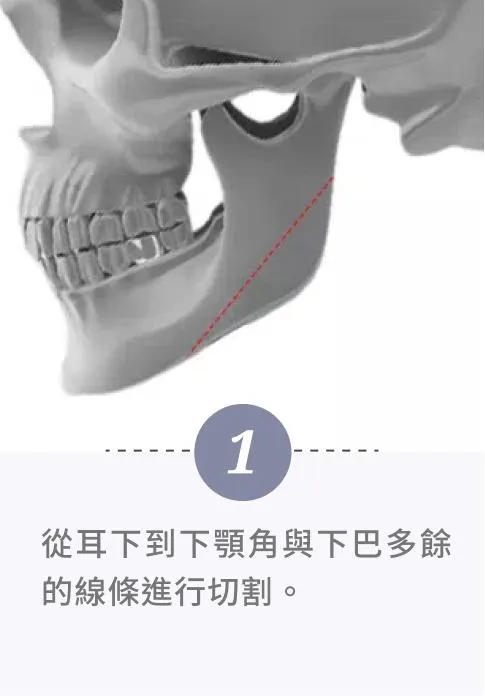
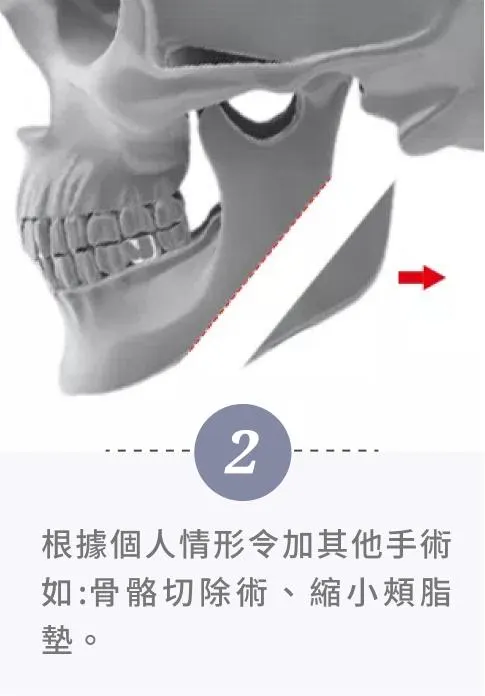
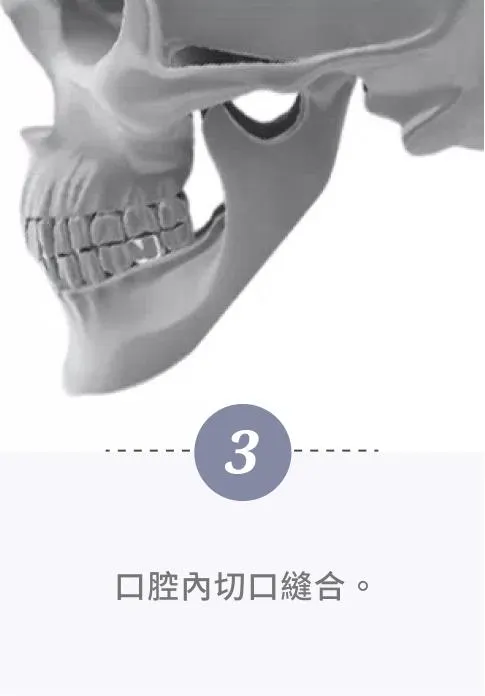
Facial contouring surgery is one way to correct face shape concerns. By removing part of the lower jawbone, it smooths the facial lines and creates a refined, smaller face.
In mandible contouring surgery, the incision, about 3-4 cm long, is made in the mucosa behind the lower gums, so no visible scar is left on the face. After the incision, the surgeon can dissect back to the rearmost corner of the mandible and remove the overly protruding, angular part of the jaw angle, thereby improving a square face whose jaw is too wide and too vertical in shape
2. Botulinum Toxin: The Solution for Muscular Square Faces
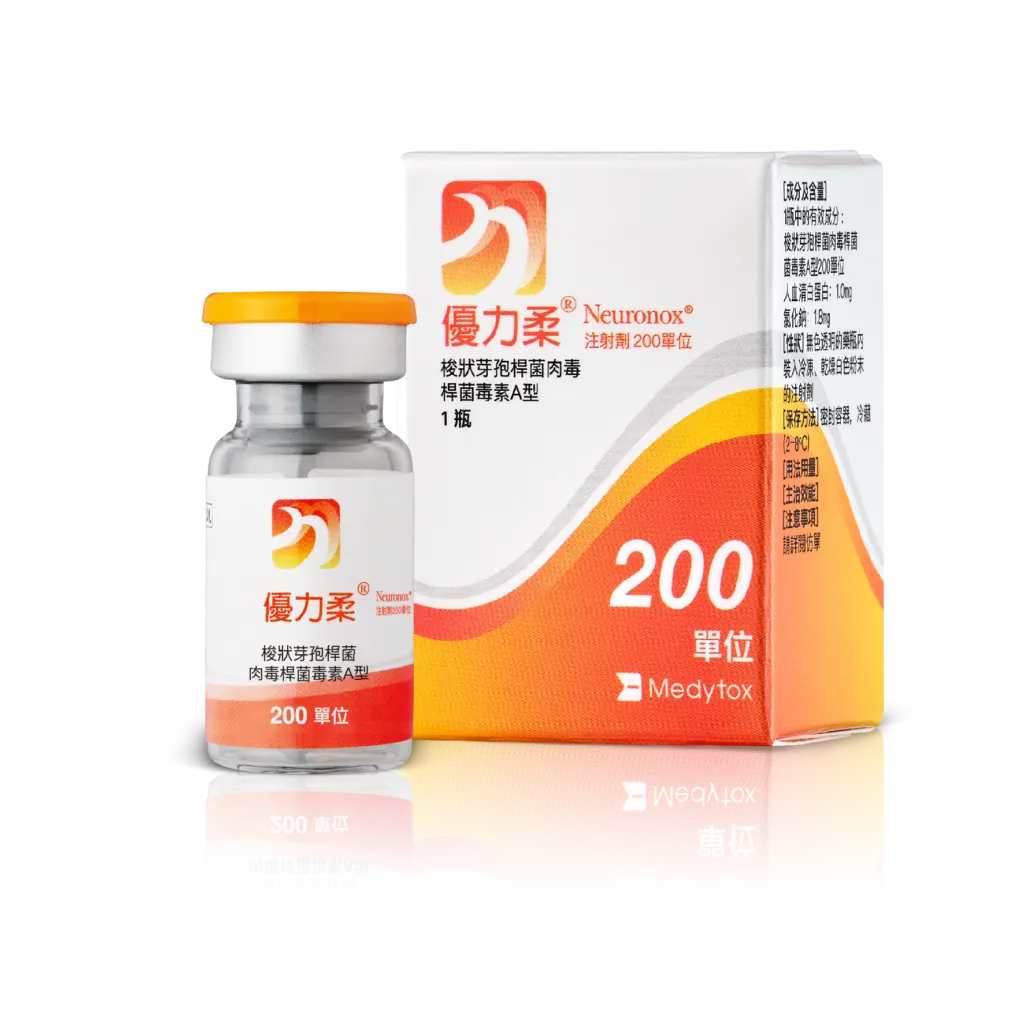
To improve a muscular square face, the most direct approach is to relax the muscle, and botulinum toxin injection is the most common and widely used method. Botulinum toxin is a natural protein purified and extracted with advanced technology. It inhibits the nerve endings’ release of acetylcholine, which makes muscles contract and stimulates gland secretion, lowering the activity of the chewing muscles, smoothing the facial lines and slimming the face
Recommended botulinum toxin treatments: Neuronox botulinum toxin, Botox
[Read more]
3. Buccal Fat Removal / Lipolysis Injections: The Solution for Fatty Square Faces
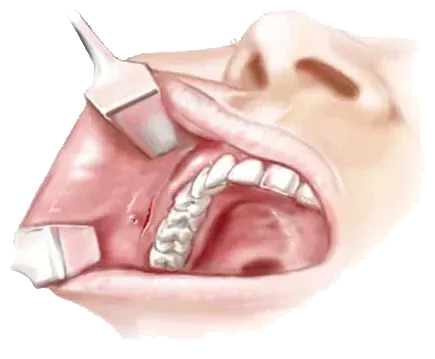
Buccal fat removal can improve baby fat and overly full cheeks. In the surgery, a small incision is made in the oral mucosa of each cheek, avoiding the facial nerves, blood vessels, salivary glands and other tissue, and an appropriate amount of the buccal fat pad is removed. The incisions are then closed with medical-grade absorbable sutures. Buccal fat removal is a very safe procedure with a short recovery period, and the hidden incisions need no suture removal, so it does not affect daily life
People who are afraid of surgery can opt for lipolysis injections, whose ingredients break down and eliminate fat so that the broken-down fat cells are metabolized by the body. And because lipolysis injection treatment is quick, has a short recovery period, and is safe and effective, many people consider it a good choice
[Read more]
Can You Do Liposuction on the Face? Will the Skin Sag? Learn How to Prevent Liposuction Side Effects
4. RF and Ultrasound Lifting: The Solution for Sagging Square Faces
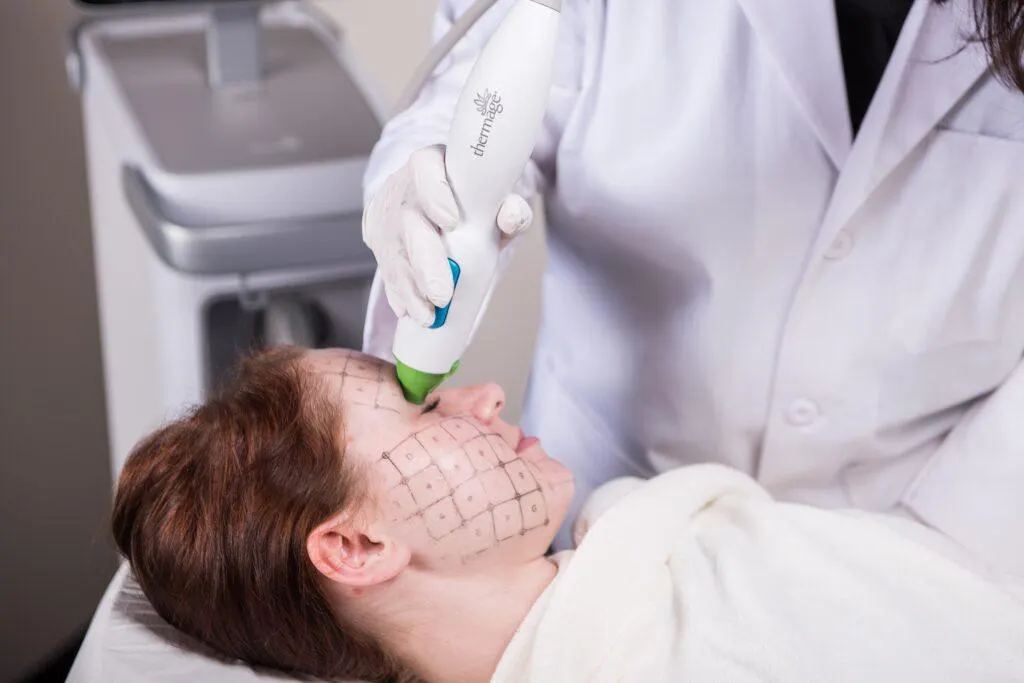
What if the skin on your cheeks is aging and sagging? RF and ultrasound lifting treatments are an effective solution. Using dual RF and ultrasound energy, they lift and tighten the skin and restore its elasticity, relieving sagging and creating a firmer V-line face, which rescues the sagging square face
Recommended RF and ultrasound treatments: Volnewmer RF (4th generation), Morpheus8, Thermage FLX, Doublo ultrasound lifting, Exilis face RF, Liftera HIFU
[Read more]
RF vs. Ultrasound: Principles, Prices and Who Each Suits, All Explained!
What Is Thermage FLX? A Complete Guide
Now that we understand the causes of a square face and the available solutions, we can see that facial contouring surgery is not the only way to improve it. If you want to change your face shape and have a natural, attractive contour, the first step is to understand the condition of your own face, while also paying attention to factors such as the overall balance of facial proportions, and make adjustments based on your individual needs to choose the treatment plan that suits you.
This article is for general information only. Results vary from person to person; please consult a doctor in person before deciding on any treatment.