Contents
In the scorching summer heat, do you worry about unwanted hair showing when you wear spaghetti straps or shorts? Does shaving with a razor only make hair grow back thicker, or stubble show up again the next day? This summer is the time to try aesthetic hair removal! But do you know what to do before and after treatment? This article gives you the most complete care guide for before and after hair removal, along with answers to common questions.
Introduction to Aesthetic Hair Removal
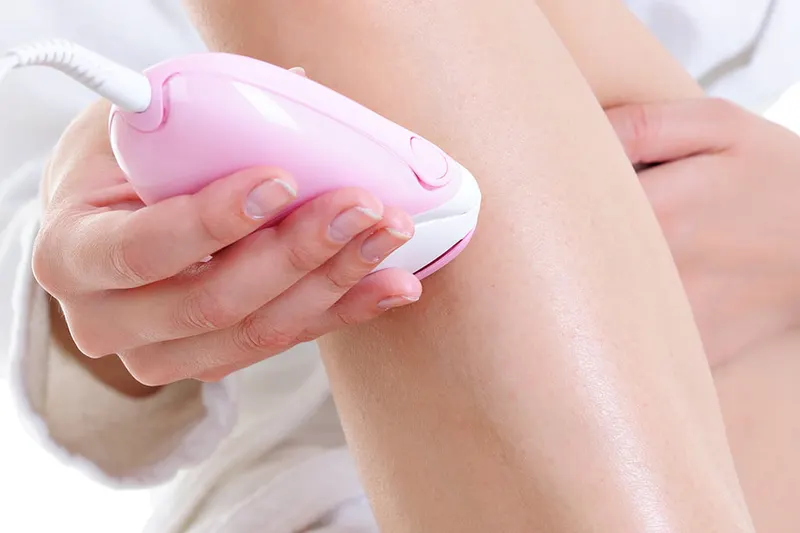
Aesthetic hair removal works mainly through the melanin in the hair and hair follicle cells, which absorbs light of a specific wavelength and turns it into heat that destroys the follicle cells, so the hair can no longer grow back. Common laser hair removal types include Alexandrite, IPL (intense pulsed light), vacuum laser, and Triton.
Laser Hair Removal vs. Conventional Hair Removal
| Laser hair removal | Waxing | Razor | Depilatory cream | |
|---|---|---|---|---|
| How it works | Heat energy destroys the follicle cells | Natural honey and resin stick to the skin and hair, then are pulled off | A razor shaves the hair off directly | Chemicals dissolve the hair |
| Advantages | Effectively inhibits hair growth; permanent hair removal | Convenient and easy to get | Cheap, convenient, fast, painless | Painless, fast |
| Disadvantages | Higher price | Painful; may cause skin irritation and redness | Hair looks more noticeable afterward, may grow in ingrown, and grows back within 2 days | Chemicals easily irritate the skin |
Whether it is a razor, depilatory cream, or wax, each only briefly shaves or pulls out the hair, without damaging the follicle. The follicles that produce hair are not removed, so hair keeps growing and needs to be removed again after a while. These are temporary hair removal methods.
Aesthetic Laser Hair Removal: Pros and Cons Compared
| Alexandrite | IPL | Vacuum | Triton | |
|---|---|---|---|---|
| Advantages | Good hair removal results | Good skin-brightening effect | No numbing cream needed | No numbing cream needed; good hair removal results |
| Disadvantages | High pain level; people with dull or darker skin are prone to darkening | Less noticeable hair removal results | Skin brightening is not obvious, cannot remove fine facial hair, higher price | Higher price |
Hair Removal Care Guide

1. Before hair removal: Shave the area in the direction of hair growth the day before, and do not pull hair out by the root; if you are pregnant or have a special physical condition, consult your doctor before treatment; and avoid excessive sun exposure on the area to be treated.
2. After hair removal: You can apply ice to reduce discomfort. For one week, avoid hot places and excessive sun exposure, do not over-wipe the treated area or exfoliate, and step up moisturizing and sun protection in your daily skin care
FAQ
1. Which areas can be treated?
Fine facial hair, beard, underarms, arms and fingers, chest and abdomen, back and buttocks, intimate area, thighs, and calves, although the areas that can be treated differ from one laser device to another.
2. How many sessions are needed to see results?
Results differ between laser devices. The average is 6-8 sessions, but the number also varies with the amount and thickness of each person's hair. After 6-10 Triton hair removal sessions, hair growth can be inhibited by 70-80%, achieving a permanent hair removal effect.
3. How long should I wait between sessions?
We recommend an interval of 4-6 weeks, though hair grows at different rates on different areas, and the actual interval is based on your doctor's evaluation.
4. Does laser hair removal affect sweating?
No. Laser hair removal targets melanin and does not affect the sweat glands, so the amount you sweat neither increases nor decreases.
5. Can hair that is not black be removed?
Yes. However, some devices cannot remove lighter-colored hair. Triton is different: Triton has two wavelengths and is suitable for all skin tones and hair colors.
This article is for general information only. Results vary from person to person; please consult a doctor in person before deciding on any treatment.