Contents
Liposuction has become one of the popular choices for slimming in recent years, yet news reports occasionally cover cases of liposuction deaths. According to U.S. data, the mortality rate for general hospital surgery is 1 in 500, while the mortality rate for liposuction is between 1 in 5,000 and 1 in 130,000. Knowing how to avoid complications and failure is essential before you have liposuction. This article explains how to remedy a failed liposuction and how to avoid liposuction risks.
What Are the Risks of Liposuction?
1. Anesthesia Risk
Anesthesia is the riskiest part of many surgeries, so preoperative blood tests and a doctor's evaluation are very important. Anesthesia must also be administered by a qualified anesthesiologist. Once the patient is under anesthesia, the doctor must constantly watch whether saliva or nasal secretions could block the airway, and must have the skills to handle emergencies. NAISS CLINIC has a full-time on-site anesthesiologist, so patients can undergo anesthesia with peace of mind.
2. Surgical Risk
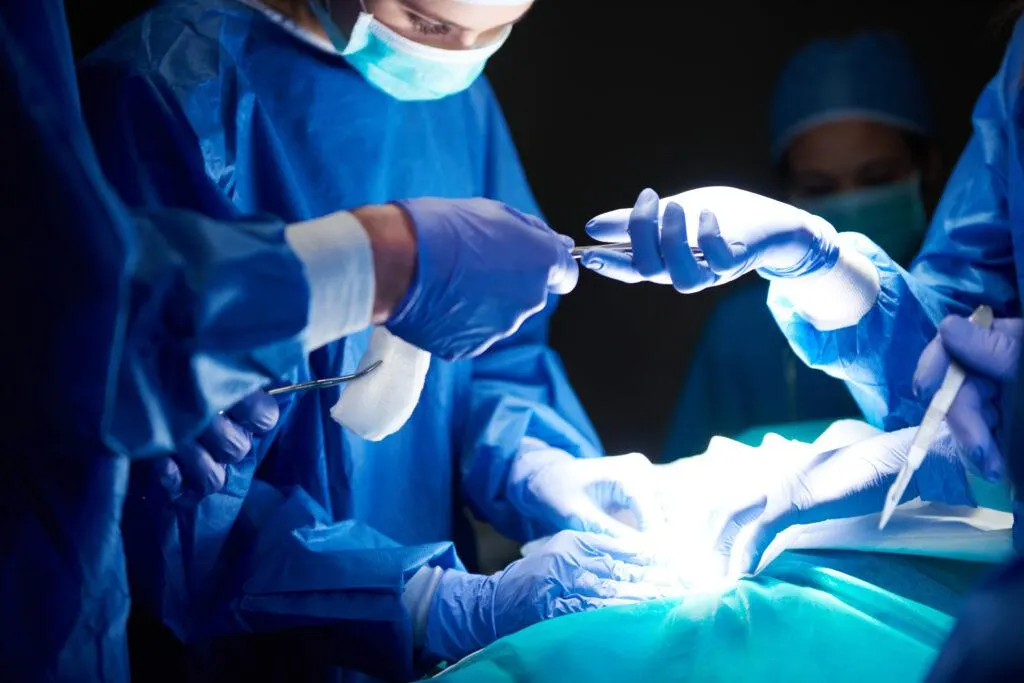
Bleeding, hematoma, and adverse reactions may occur during liposuction, so it is essential that the surgery be performed in a dust-free, sterile, contamination-free environment, and after surgery, problems such as infection, pain, and pigmentation may occur.
3. The Doctor's Expertise

If a doctor is not familiar enough with the anatomy or lacks sufficient experience, it is easier to remove too much fat or run into other problems. Some clinics hire young, inexperienced doctors; the price may be lower, but the risk rises greatly. All doctors at NAISS CLINIC are specialists from National Taiwan University Hospital, MacKay Memorial Hospital, and Veterans General Hospital who can provide professional advice. The liposuction specialists at NAISS CLINIC are Dr. Yen-Hao Chiu and Dr. Yen-Chun Yu, both of whom have performed many liposuction and fat transfer cases and are also certified by the VASER manufacturer.
What Are the Complications of Liposuction?
1. Uneven surface in the treated area: Wear the compression garment for the length of time your doctor recommends
2. Pigmentation: NAISS CLINIC offers post-procedure treatments (such as StarWalker, Discovery Pico, and others) to improve pigmentation in the treated area.
3. Soreness, bruising, or swelling in the treated area: NAISS CLINIC offers recovery IV drips to help shorten recovery time, and we also suggest drinking more sea bass soup to aid healing.
4. Bleeding: Change absorbent pads regularly and keep the wound dry
5. Swelling: Wear the compression garment for the length of time your doctor recommends, combined with massage
6. Fat embolism: The incidence is lower than 1 in 10,000. It is a blockage that occurs when, through careless handling during liposuction, clumps of fat enter the bloodstream and then travel throughout the body to other sites.
How Can a Failed Liposuction Be Remedied?
1. Unsatisfied with the Results
The only solution is a second liposuction, and the focus of a second liposuction is dealing with adhesions and correcting unevenness, with hollow areas filled in and bumpy areas removed. Because a second liposuction tests a doctor's skill and experience even more, we recommend choosing a qualified clinic and an experienced doctor before having it.
2. Uneven Body Contour
VASER liposuction preserves the elastic connective tissue and promotes skin contraction, leaving the skin at the treated area firm and smooth after the procedure. Moreover, the fat harvested with VASER liposuction is fine and has a high survival rate, so it can be transferred to other parts of the body to sculpt body curves.
3. Poor Body Proportions After Surgery
Besides fat transfer using your own fat, we also suggest using non-invasive treatments such as ultrasound and radiofrequency to improve laxity, or picosecond laser to improve scars.
>>Radiofrequency vs. Ultrasound: Principles, Prices, and Who Each Suits, Explained at a Glance!
>>2023 Latest Picosecond Laser: 3rd-Generation StarWalker PQX ≠ StarWalker Picosecond Laser
How to Avoid the Risks of a Failed Liposuction
1. Choose a Qualified Medical Facility
A qualified medical facility provides a safe operating environment and professional medical care, and NAISS CLINIC has a medical-center-grade operating room and a dedicated dust-control room, ensuring the surgery takes place in a sterile, safe environment and greatly lowering the chance of infection. In addition, NAISS CLINIC provides recovery IV drips after surgery to shorten recovery time, and also offers post-procedure treatments (such as StarWalker PQX, Discovery Pico, and others) to improve pigmentation.
2. Choose the Latest Liposuction Technology
There are many liposuction techniques, and choosing the right one can greatly lower the risks. VASER liposuction is currently the latest liposuction device. It causes no tearing damage or high-heat laser stimulation, does not damage the surrounding blood vessels, nerves, or connective tissue, effectively reduces bleeding, bruising, and pain, and leaves the skin at the treated area firm rather than sagging.Compared with other liposuction techniques, VASER liposuction gives better fat reduction, allows superficial fine sculpting, has a small incision of about 0.5 cm, causes very little blood loss, and has a recovery period of about 1 month.
3. Choose a Doctor Certified on the VASER Website
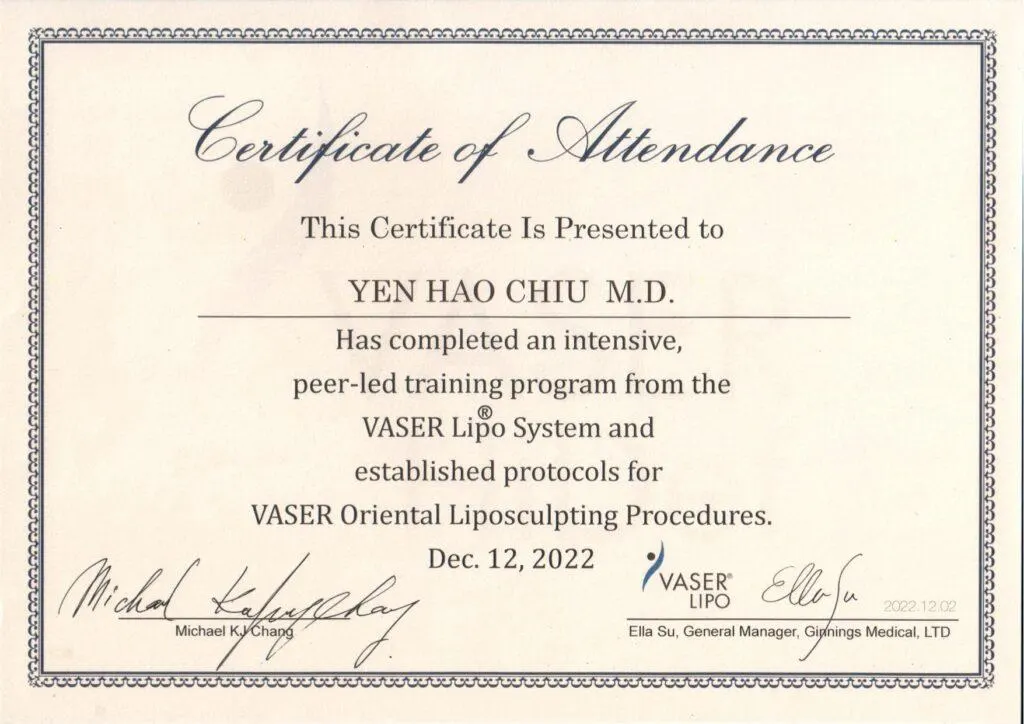
Choosing the right doctor also helps lower risk. You can choose a doctor certified by the VASER manufacturer to make sure the doctor is professional and proficient in VASER liposuction. You can also review the doctor's past cases and reviews so you can make the right choice.
This article is for general information only. Results vary from person to person; please consult a doctor in person before deciding on any treatment.