Contents
Liposuction has always been a popular topic in aesthetic medicine. It can remove a large amount of fat in a short time to achieve weight loss, and it can also sculpt small areas. Although liposuction can reach your ideal goals in a short time, aftercare and precautions are important if you want to maintain good results. This article takes an in-depth look at the aftercare guide, side effects, recovery period, dietary points, massage methods, and other precautions after liposuction, to help you recover smoothly and maintain lasting results.
What Are the Common Side Effects After Liposuction?
1. Uneven Skin
There are two situations that cause uneven skin. The first occurs during recovery because tissues heal at different speeds; in this case, be sure to wear the compression garment for the length of time your doctor recommends. The second is a surgical error: too much fat is removed because of poor control of force, and the doctor must then do multiple repair and fat-filling procedures, which take at least 1-2 years.
2. Soreness, Bruising, and Swelling After Surgery
Because this is an invasive surgery, soreness, bruising, and swelling are all normal reactions and usually improve in about a week. NAISS CLINIC also offers recovery IV drips to help shorten recovery time, and we suggest drinking more sea bass soup to aid healing.
3. Pigmentation
Asian skin is more prone to pigmentation than other ethnic groups. Pigmentation is more likely when bruising lasts longer after surgery, when more fat is removed, or when sculpting is done at the edge of muscles. These are all normal, and the original skin tone gradually returns in about 3-6 months. NAISS CLINIC also offers post-procedure treatments (such as StarWalker, Discovery Pico, and others) to improve pigmentation in the treated area.
>>I Want to Learn About Discovery Pico
>>I Want to Learn About the 3rd-Generation StarWalker PQX
4. Bleeding
Within two days after VASER liposuction, some bleeding may occur, and the amount varies from person to person. However, if there is heavy bleeding or you feel seriously unwell, seek medical attention promptly. The reason for the bleeding: before liposuction, a mixture of normal saline, a vasoconstrictor, anesthetic, and other drugs (collectively called tumescent fluid) is infused into the fat tissue to be suctioned, and the fat is removed only after the fat cells swell. So the bleeding is really the drainage of tumescent fluid, and the more drains in the first few days, the faster the swelling goes down afterward. In addition, to shorten recovery, a thin drainage tube is placed after surgery to drain the injected tumescent fluid. Please change the absorbent pads regularly and keep the wound dry.
5. Edema and Hematoma
Edema: This is normal and is caused by the tumescent solution used during surgery (a mixture of normal saline, local anesthetic, vasoconstrictor, and so on). Wear the compression garment for the length of time your doctor recommends, which effectively reduces swelling and increases comfort. Also watch your diet (no smoking or alcohol, no spicy food), keep a regular routine, avoid staying up late, and use warm massage to help recovery.
Hematoma: Blood vessels in the liposuction area are damaged and bleed, causing localized pooling of blood that forms a hematoma. The swelling is usually small, limited to the bleeding area, and subsides fairly quickly. Proper cleaning and compression are all that is needed.
>>VASER Liposuction Can Lower the Chance of Side Effects
>>National Taiwan University Plastic Surgery Team Lowers the Chance of Side Effects
How Long Is the Recovery After Liposuction?
Days 1-3 After Surgery
Right after surgery, discomfort is at its most noticeable, because the immune system carries out systemic and local repair of the liposuction area, and you may have mild redness and swelling, aching pain, and a sensation of heat. The most important thing now is to keep the wound clean and dry and to take anti-swelling and anti-inflammatory medication regularly to prevent infection after surgery.
Weeks 1-2 After Surgery
From this week, the wound enters the healing phase. New tissue gradually grows during this time, so the liposuction area may feel somewhat tight, and you should avoid pulling motions and lifting heavy objects. Some tissue fluid seeping from the wound is normal. After the stitches are removed at one week, you can begin applying warm compresses at appropriate times and eat nutritious foods to speed up wound recovery.
Days 14-21 After Surgery
At this point you can begin moderate stretching to ease tightness in the liposuction area and help soften scar tissue. A small number of people may have skin itching, peeling, or numbness, which usually disappear in about 1 month.
Months 1-6 After Surgery
By now the wound has healed and there is no pain, and exercise and daily life are no longer affected; you only need to focus on scar care. If you notice skin laxity, swelling and bruising, or hardening of the liposuction area at this stage, you can step up warm compresses and massage to boost metabolism and help the skin smooth out faster, and wear the compression garment as your doctor instructs to help prevent bruising and swelling. After 2 months, you can try gentle exercise such as yoga and swimming.
What Should You Eat After Liposuction?
1. High-Quality Protein (Weeks 1-2 After Surgery)
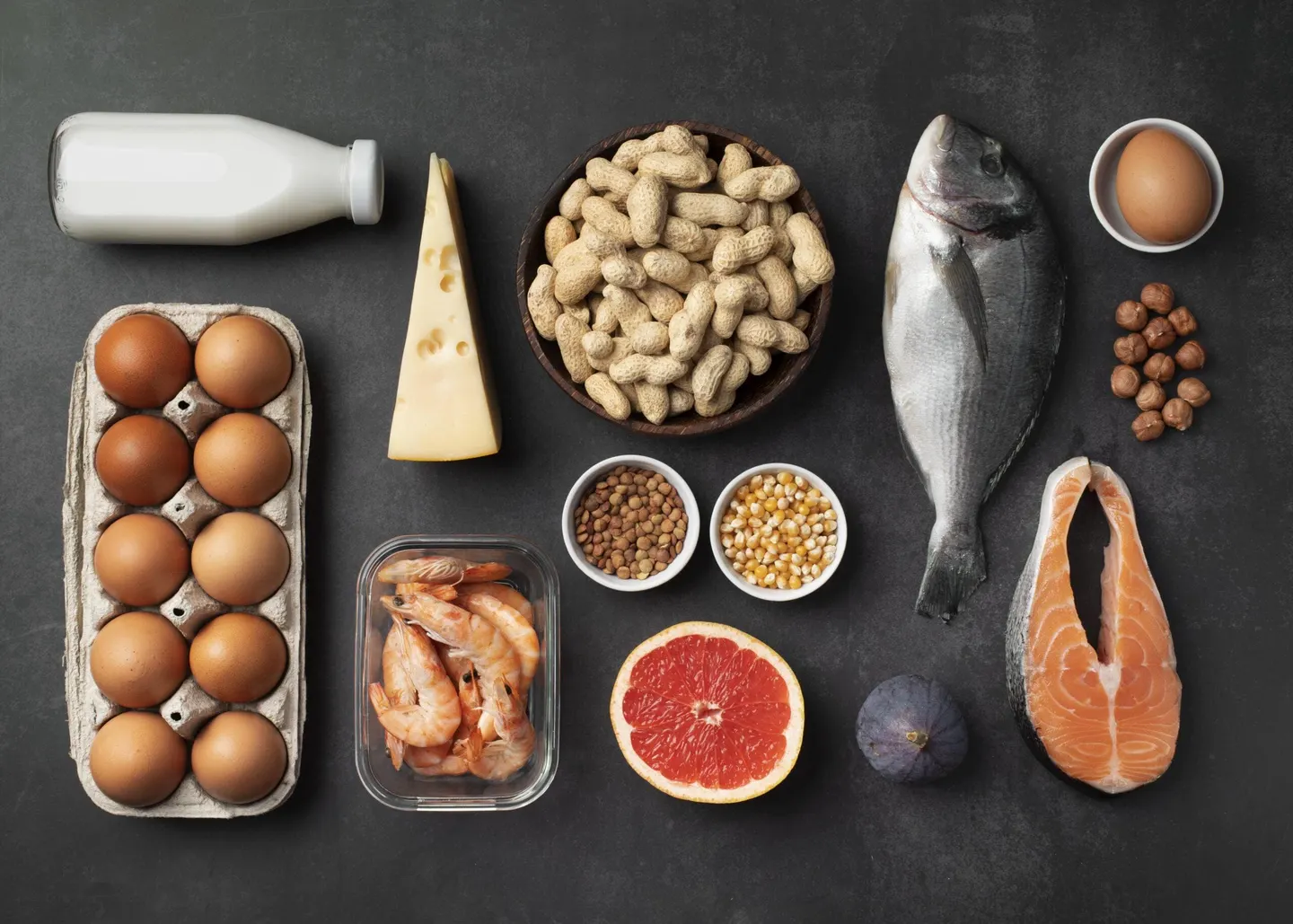
Because most liposuction is done under general anesthesia, the body is weaker during the first 1-2 weeks after surgery. Eat plenty of high-quality protein (such as milk, fish, and cheese) to give the body enough nutrients to repair, and avoid high-sugar foods.
2. Anti-Swelling Foods (Months 1-3 After Surgery)
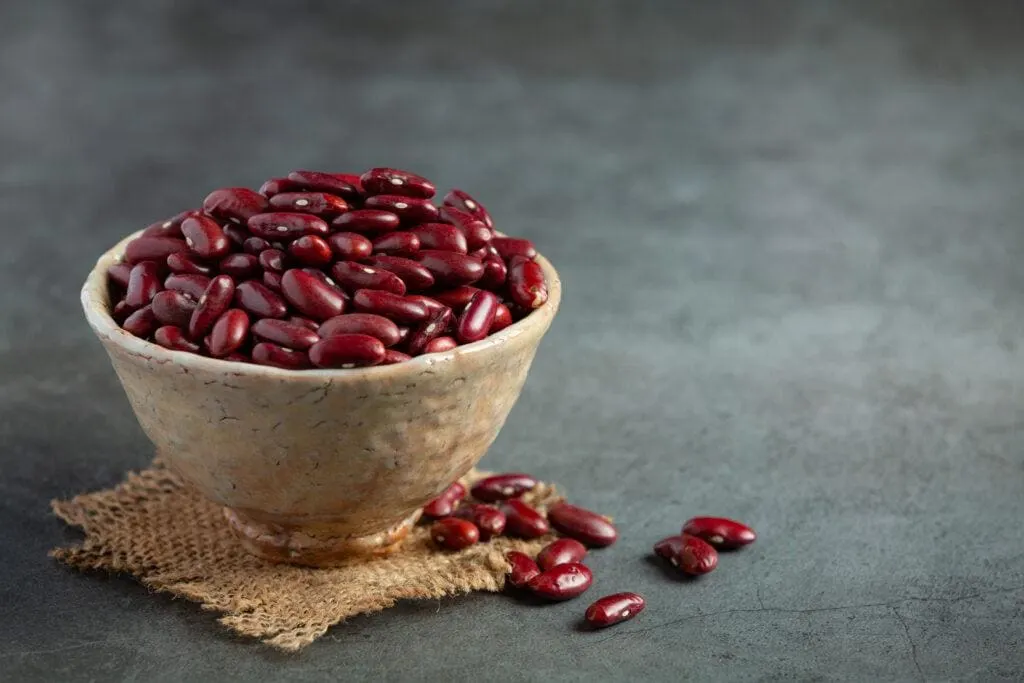
After 1-2 weeks, the wounds have mostly healed and what remains is swelling in the liposuction areas. You can eat some foods that reduce swelling (such as winter melon, red beans, corn silk tea, coix seed, and centipede grass). We suggest asking your doctor first whether they are OK to eat, because most of these foods are cooling in nature, and you should consider your own constitution.
3. Vegetables and Fruit, Moderate Starch, High-Quality Protein, and High-Quality Fats (Month 3 After Surgery)

Three months after liposuction, cut back on starch, eat more vegetables and fruit, and eat less low-quality fats and processed food. If you do not watch what you eat after liposuction, you are very likely to regain weight.
Do You Need Massage After Liposuction? A 2-Stage Massage Guide
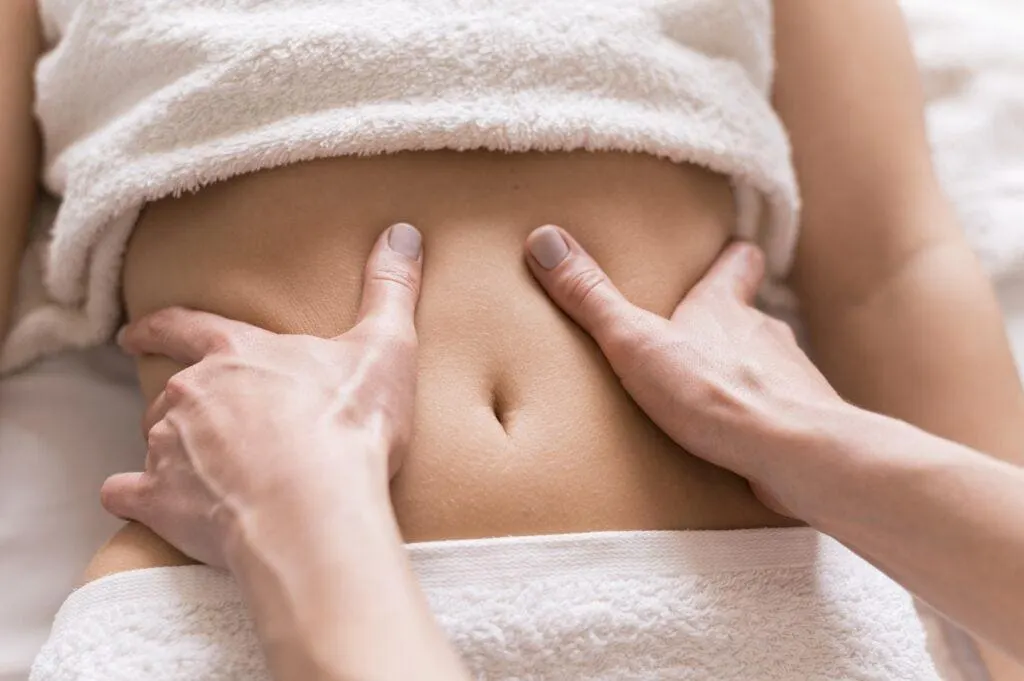
1. How It Works
Massage helps the skin recover firmness and smoothness after surgery. Days 10-14 after surgery: reduce edema. Days 14-60: prevent fibrosis and lumps. After day 60: refine your contours.
2. How to Massage
- STEP 1 Reduce swelling, days 10-14 after surgery: Massage 3-5 times a day for 3-5 minutes each time, pushing the body's fluid toward the lymph areas to reduce swelling. Always push from far to near, from bottom to top, in a single direction, and control the pressure so that it stays gentle. The goal of massage at this stage is lymphatic drainage, which helps clear bruising and swelling and drains tissue fluid from the surgical site to reduce edema. Light pushing is enough, to avoid worsening bruising or hematoma
- STEP 2 Reduce lumps, days 14-60 after surgery: Massage 3-5 times a day for 10-15 minutes each time. You can gradually increase the pressure and use tools or devices to assist. Massage and warm compresses soften fibrous lumps and help prevent fibrosis and hardness early.
- STEP 3 Firm contours, more than 60 days after surgery: The swelling has subsided by now, and continued massage helps maintain your body contours and boosts metabolism.
Massage Methods for Different Liposuction Areas
Arm Liposuction
- Days 10-14 after surgery: Raise your right arm with the elbow bent, place your left hand on the right elbow joint, and massage with the palm from the elbow down to the armpit. Continue for 60 seconds, then switch sides and repeat.
- After day 14: As in the first stage, with the elbow bent, use your right fist to massage from the elbow down to the armpit. Continue for 60 seconds, then switch sides and repeat (a rolling pin can also be used).
Abdominal Liposuction
- Days 10-14 after surgery: For upper abdomen liposuction, use the palm or the flat of the fist and draw small circles back and forth toward the ribs, centered on the navel; for lower abdomen liposuction, use the flat of the palm centered on the navel and massage outward to the left and right toward the groin; for lower back liposuction, massage upward along the waistline with the palm.
- After day 14: For upper abdomen liposuction, divide the area centered on the navel into 3 zones (middle, right, and left) and roll back and forth from bottom to top; for lower abdomen liposuction, divide the area centered on the navel into 3 zones (middle, right, and left) and roll back and forth from top to bottom; for waist and lower back liposuction, massage upward along the waistline with a rolling pin or your fist.
Thigh Liposuction
- Days 10-14 after surgery: Wrap both hands around the thigh with your hands flat against the skin, and massage from the knee up to the groin. Continue for 60 seconds, then switch sides and repeat.
- After day 14: Make a fist or place a rolling pin on the outer thigh and roll from the knee toward the groin. Continue for 60 seconds, then switch sides and repeat. Massage the inner thigh the same way as the outer thigh.
Calf Liposuction
- Days 10-14 after surgery: Wrap both hands around the calf with your hands flat against the skin, and gently press from the ankle to drain fluid toward the back of the knee. Continue for 60 seconds, then switch sides and repeat.
- After day 14: Use a fist or a rolling pin and roll from the ankle to the back of the knee. Continue for 60 seconds, then switch sides and repeat.
FAQ
1. Do I have to wear a compression garment? For how long?
We recommend it.
Except for liposuction of small areas, after liposuction the treated area develops gaps from the reduced fat and looks lax. A compression garment applies pressure to flatten those gaps and improve unevenness of the skin after surgery. In addition, a compression garment has advantages such as shortening recovery, helping the skin contract, enhancing the liposuction results, and reducing discomfort after surgery.
We recommend wearing it all day for the first 1-2 weeks after surgery, then reducing to 12 hours a day after 2 weeks. Overall, it takes about 1-3 months before you can switch to normal wear, to support recovery of the surgical area and the shaping results. The wearing time can also be adjusted according to your attending doctor's advice at follow-up visits.
Key points for a liposuction compression garment:
- It must fit the skin closely enough to reduce the pressure from bleeding and swelling.
- It must not affect lymphatic circulation, which could make swelling worse.
- It must be worn 24 hours a day for the first week after surgery, so the fabric must be antibacterial and breathable.
2. When can I shower?
With VASER liposuction at our clinic, you can clean yourself with a sponge bath within 2 days after surgery and shower after 3 days. Remember to use a waterproof breathable film, change the dressing after showering, and keep the wound as dry as possible.
3. Will I regain weight after liposuction?
Although liposuction can effectively improve your body shape, it is not a one-time fix for everything. Liposuction permanently reduces the number of fat cells, which do not grow back. Will you regain weight? The chance is not high, because fat cells do not regenerate, but if you overeat without restraint, the remaining fat cells in your body can still grow larger, and it is easy to regain weight in areas that were not treated.
4. Will I weigh less after liposuction?
Liposuction is meant to sculpt the body, not to lose weight. It can make a visible difference and give you a slimmer figure.
5. What precautions should I take after surgery?
For one month after surgery, do not smoke or drink alcohol, and avoid overly spicy foods or blood-activating Chinese herbal medicines. Keep a regular daily routine and do not stay up late.
Proper care and precautions after liposuction are crucial for recovery and for maintaining your results. Following your doctor's advice, eating sensibly, and gentle massage will help you achieve the ideal results and boost your confidence. Remember that recovery varies from person to person; consult your doctor and seek professional advice to make sure your recovery goes smoothly.
6. How long until I see results?
Results after surgery vary from person to person. Most people see initial results 2-4 weeks after surgery, but the full results usually take several months, appearing only once the liposuction areas have recovered, the tissue has remodeled, and the skin has settled. During this time, follow your doctor's instructions and care guidance.
7. What should I know before surgery?
- Tell your doctor in detail about your family medical history, special medical conditions, medications you have taken, whether you are breastfeeding, and whether you plan to have a baby soon
- Do not take aspirin or anticoagulants, including vitamin E, for 1 week before surgery, to avoid hematoma or heavy bruising
- On the day of surgery, wear light, loose clothing that is easy to change out of into a surgical gown, and come to the clinic in flat, comfortable shoes (no high heels)
- On the day of surgery, do not drive a car or ride a motorcycle yourself, and do not operate any vehicle on your own after surgery
- Be sure to tell us about any recent medications, allergy history, and medical history
This article is for general information only. Results vary from person to person; please consult a doctor in person before deciding on any treatment.