Contents
Long troubled by masseter hypertrophy, full cheeks, baby face, and the like? It is truly frustrating. Endless face massage and dieting did not help, and you were thrilled to hear about Botox face slimming, only to find after the injection that it did not solve the real problem... So what kind of situation can't even Botox face slimming improve? And what is the much-talked-about buccal fat removal surgery, and how does it differ from Botox? We'll explain it all today!
What Is Botox Face Slimming?
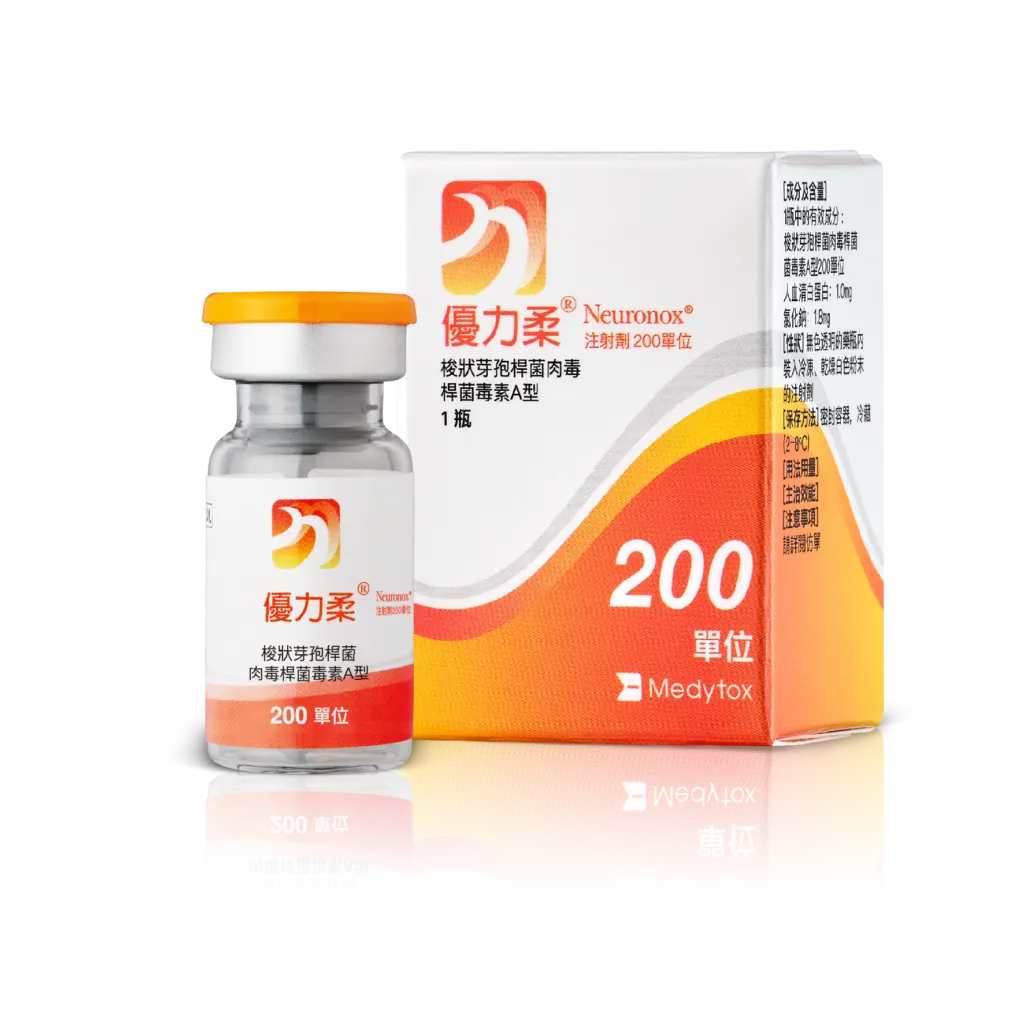
Before learning how the two differ, we first need to understand what Botox face slimming is and what it does.
What is injected into the masseter muscle is botulinum toxin, a type of neuromuscular blocking agent. It acts mainly at the neuromuscular junction of the motor nerve endings. By inhibiting the nerve, it blocks neuromuscular transmission and stops the release of acetylcholine. When acetylcholine can no longer be released, the muscle relaxes and cannot contract, which produces the face-slimming effect.
Botulinum toxin injections rarely cause side effects. At most there is pain, swelling, or bruising caused by an incorrect injection site or poor aftercare, and these typically improve noticeably within 7-14 days. Because the wounds are tiny, you can go to work or wear makeup the next day!
The effect of Botox face slimming usually lasts 3-6 months, and the exact results and duration vary with individual constitution and dose. Please note that botulinum toxin injections for face slimming cannot permanently change the structure of the facial bones. They can only improve facial contours by reducing facial muscle activity! The effect therefore fades over time, so regular maintenance is needed to keep the results!
Create a V-Shaped Face: Say Goodbye to Baby Fat with Buccal Fat Removal
Botox Face Slimming vs. Buccal Fat Removal
Simply put, the biggest difference between the two is what they target. Botulinum toxin reduces muscle, while buccal fat removal removes fat. So to deal with a large face, you first need to work out whether your face is large or full because of muscle or because of fat.
Muscle cause: A face enlarged by muscle is mostly caused by overuse of the masseter muscles. To check, place both hands on the back of your cheeks near the ears and bite down hard to feel the muscle moving. If you can feel the muscle bulging and the bulge disappears when you relax, your facial fullness is due to muscle. In that case you should choose botulinum toxin to suppress muscle activity!
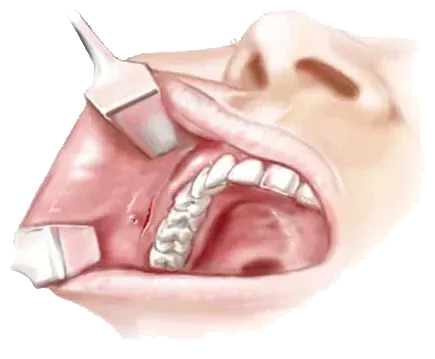
Fat cause: Asian women often have so-called baby face (baby fat), and as collagen is lost over time and with age, fat later builds up as jowls and a double chin, leaving an uneven face shape. If you can easily pinch about 2 cm of tissue between two fingers at your cheeks or chin, your facial fullness is fat-related. In that case you need a surgery such as buccal fat removal, which removes the excess fat so that the cheeks or double chin carry less fat, refining the face shape and improving the contour!
Buccal Fat Removal vs. Lipolysis Injections
After learning about buccal fat removal, you may naturally think of lipolysis injections. Since buccal fat removal eliminates fat, can lipolysis injections achieve a similar effect? Let's take a quick look at how the two differ.
Buccal fat removal is for people whose cheeks have localized fullness, while lipolysis injections are for people with mildly full cheeks and localized fat deposits. The treatment areas also differ: buccal fat removal works on the deep fat inside the mouth, whereas lipolysis injections work on superficial fat. Because the treatment areas differ, the results differ a great deal as well!
One treatment removes the fat in blocks, while the other dissolves the fat so the body can metabolize it. Both leave small wounds, but lipolysis injections cause slight swelling at the injection site, with a recovery period of about 5-7 days.
Of course, many people weigh the cost. On a five-star scale, buccal fat removal is about four stars and lipolysis injections one star, and the difference shows in how long the results last. Lipolysis injections are a minor, non-surgical treatment; although they can reduce fat, if you do not manage your eating habits, the fat cells will make a comeback! So before deciding, first understand your own condition and the problem you want to improve, and choose the treatment that fits it, so you can reach a result you are happy with.
Who Is a Good Candidate for Buccal Fat Removal?
You can think of buccal fat removal as a surgery designed for specific people, so not everyone is suited to it or able to have it!
Patients who are good candidates for buccal fat removal include:
1. Those with noticeably rounder cheeks
2. Those whose cheeks bulge when they smile or make other facial expressions
3. Those with a round, wide, flat face and noticeably full cheeks
4. Those who have had facial liposuction with clearly unsatisfactory results
5. Those who want to head off sagging cheeks
6. Those prone to baby fat
Recovery after surgery: Because buccal fat removal has the advantage of needing no stitch removal, it is easy to get the impression that you will feel back to normal after just a few hours. But we want to remind you that you still need to follow your doctor's instructions and take good care of yourself! The recovery period is about 7-14 days, after which the wound will heal!
Advantages of Buccal Fat Removal and Precautions
With buccal fat removal, the advantages of the surgery are a short operating time (about 30 minutes), hidden scars, and no damage to important structures such as nerves and large blood vessels!
Precautions:
1. If the patient's condition is more severe, consider combining other procedures, such as a lift to improve skin laxity. Facial fat is divided into fat within the muscle and fat under the skin, and the fat removed in buccal fat removal is the fat beneath the muscle. Compared with ultrasonic fat dissolving, it carries lower risk and can address a full, fleshy face!
2. Although the surgery does not interfere with speaking or eating, we still recommend avoiding big laughs and spicy food for about a week afterward!
3. Contraindications: People with an infection, a cold, or a fever, poorly controlled diabetes, or poor blood clotting
Pre-op reminder: Be sure to tell your doctor if you have had surgery at the same site before, have keloid or hypertrophic scarring tendencies, or are taking medications containing anticoagulants.
Possible surgical side effects:
1. Swelling, bruising, pain, local inflammation, and temporary asymmetry are all common and normal. With care according to your doctor's instructions, they improve within days to weeks.
2. Rare complications include hematoma or post-op re-bleeding, wound infection, poor wound healing, and hypertrophic scarring or contracture.
A reminder: every surgery or treatment carries medical risk. The information above is only meant to support the consultation, and actual results vary from person to person, so please treat it as reference only! If you are interested in this treatment, book a consultation so the doctor can give you the most professional advice suited to you!
This article is for general information only. Results vary from person to person; please consult a doctor in person before deciding on any treatment.