Contents
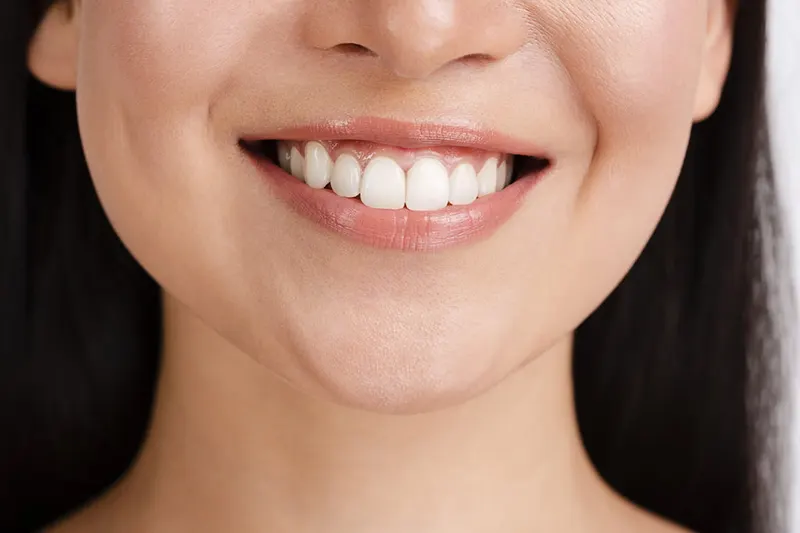
So envious of the little dimples on Michelle Chen's face! Her smile is the very picture of the first-love type, with two “little dimples” beside it that leave many girls green with envy. What people often call “little dimples” are actually “pear dimples.” Pear dimples and dimples sit in different positions and look different. Today we introduce pear dimples and share information on “pear dimple surgery.” Want a charming smile? Read on!
What Causes Dimples and Pear Dimples

Dimples and pear dimples are mostly described as “a congenital genetic defect” that is passed down through inherited genes and shows up. Whether it is a dimple or a pear dimple, it is caused by a “smile”: the smiling muscle adheres to the dermis, and when you smile the corner of the mouth pulls on the facial muscles, forming a linear or dot-shaped hollow.
What Is the Difference Between a Dimple and a Pear Dimple?
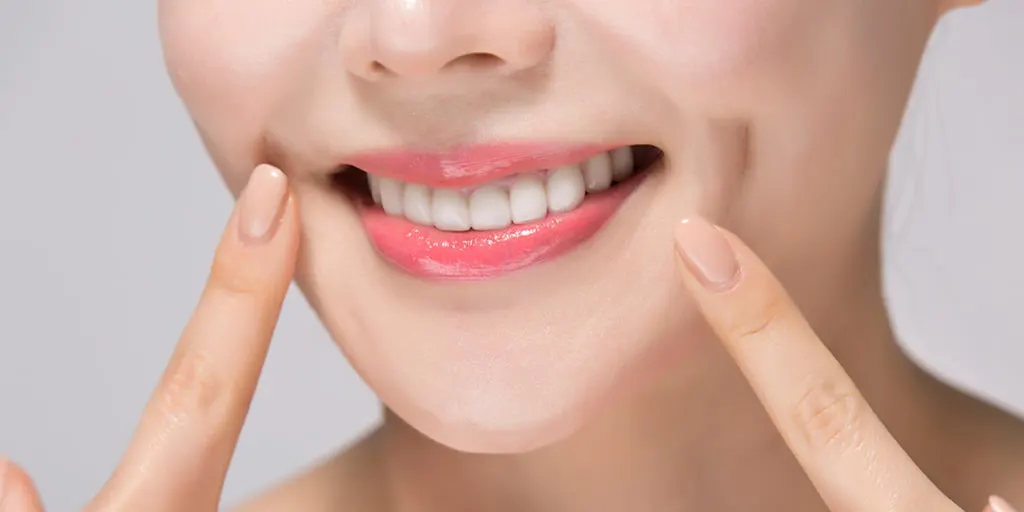
View this post on InstagramView this post on InstagramA dimple is located on the line between the corner of the mouth and the earlobe, about 2.5 cm from the corner of the mouth, as on actress Ruby Lin; a pear dimple is located about 1 cm below and outside the corner of the mouth, as on actress Michelle Chen. The exact position also varies slightly with the width of each person's face.
Dimples come in two shapes: the “long dimple” and the “middle dimple”. The former has a longer, narrower curve when smiling and gives a more mature and friendly impression, while the latter is the most common dimple, appearing as a small round hollow when you smile and giving a pure, sweet image. Then there is the “pear dimple,” whose hollow is smaller and shallower and whose position is relatively lower, which makes it easier to tell apart! (It is said that the pear dimple is also a symbol of the traditional Eastern beauty!)
How Is Pear Dimple Surgery Done?

The surgery for dimples and pear dimples is roughly the same, using one of two methods, the “suture method” or the “excision method.” The procedure is similar to the staple or suture methods of double eyelid surgery, and recovery is also quick.
(1) Suture Method (Inside the Mouth)
Sutures join the smiling muscle and the dermis together, and the tightness can be adjusted to the depth of pear dimple you want: the tighter the suture, the deeper the hollow. The small drawback of the suture method is that if you have more facial fat, the higher skin tension may cause the sutures to loosen after surgery, which affects how long the result lasts. We therefore recommend first removing some fat through “localized buccal fat removal” or “lipolysis injections” before pear dimple surgery.
(2) Excision Method (Outside the Mouth)
The surgeon incises the oral mucosa, removes a small amount of subcutaneous fat, and sutures the muscle to the subcutaneous tissue, joining the dermis and the smiling muscle. Once the two adhere, a dynamic hollow forms. (In other words, once healed, a natural pear dimple forms when you smile.) The result is more pronounced than the suture method. However, if the result is not what you expected or you regret it afterward, it takes a long time to return to your original state.
Is There Recovery Time After Surgery?
Yes! Recovery time is needed after surgery. Whether sutures or excision are used, both are plastic surgery procedures, so be sure to rest well afterward and follow your doctor's instructions!
With an artificially created pear dimple, the face temporarily keeps a static hollow line, meaning the pear dimple remains even when you are not smiling. How long it lasts varies from person to person, from as short as one week to as long as six months. There is no need to worry too much; you can cover it with acne patches or artificial skin.
Three Things to Watch After Surgery:
1. Clean the wound more often and carefully: because the incision and sutures are inside the mouth, everyday eating raises the risk of infection, so clean more frequently, rinsing with sterile saline and avoiding raw, spicy, fried, and other irritating foods. If you notice severe inflammation such as redness, swelling, or pain at the wound, return to the clinic right away so the doctor can examine it and decide whether the sutures need to be removed immediately to prevent the infection from getting worse.
2. Cold compresses to ease pain: some people experience swelling after surgery, and everyday chewing and talking can irritate the wound, causing swelling, hard lumps, and similar symptoms. We recommend applying cold compresses often and avoiding exaggerated expressions for the first seven days to reduce the chance of swelling.
3. Get plenty of rest: as with any surgery, you need enough sleep and rest afterward, because the surgical site often becomes inflamed or stings, and the face may swell or become congested. So keep a regular routine, avoid late nights, and get enough sleep to speed up recovery, and make everything go more smoothly.
P.S. When sleeping, prop your head up on an extra pillow to prevent congestion, which also helps the swelling go down!
Is Pear Dimple Surgery Permanent?
No. Like a facial thread lift, pear dimple surgery fades over time. As introduced above, pear dimple surgery is done by suturing, which means a suture inside the mouth supports the smiling muscle and the dermis. Eating, talking, and even regular facial care cannot be avoided, and these slowly loosen the suture, so the pear dimple gradually becomes fainter and eventually disappears.
But there is no need to be worried or anxious about this. The sutures in pear dimple surgery do not come loose as easily as people imagine, and they still give a decent level of support and longevity. On the other hand, if you find after surgery that it does not really suit you, you do not need another surgery to correct it (unless there is asymmetry, an inconsistent position, or an effect different from what you imagined, in which case we recommend having the sutures removed within one month to prevent muscle fibrosis, because recovery then takes much longer). Conversely, people born with pear dimples find that they gradually become part of their facial wrinkles as they age.
This article is for general information only. Results vary from person to person; please consult a doctor in person before deciding on any treatment.