Contents
Who would have thought that a facial “flaw” would become an asset in many people's eyes!? Some say attractive people usually have “dimples,” which add a lot of charm, especially when smiling. That is why many people try as children to create natural dimples with a pen or their fingers. But does that really work? Can dimples really be created later in life? This article covers how dimples are created and the myths around them. If you would like to add a little more to your smile, read on!
What Is a Dimple?

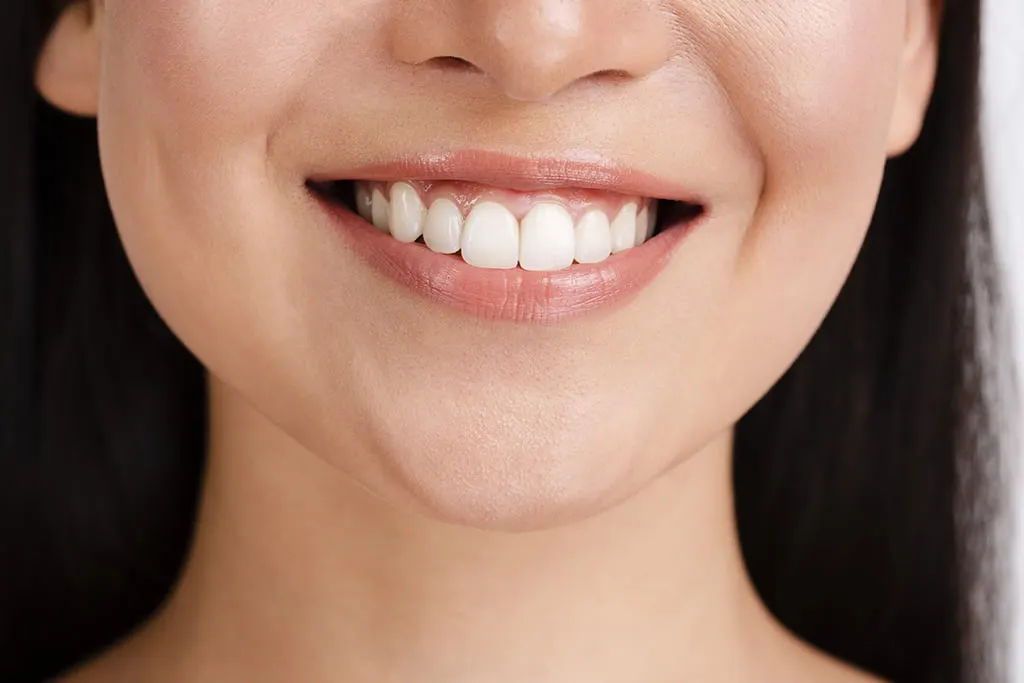
As most people know, a dimple is a genetic defect: undernourished muscle leads to a shortened facial muscle, so when you smile, two small hollows appear, which is the “dimple” many people long for. Although a dimple adds a distinctive and charming touch to your looks, it also reveals a weak point in your facial muscles!
The shape and depth of a dimple vary from person to person, and some people have a dimple on only one side. Problems like this can also be improved and refined later on through treatment.
Common Dimple Myths
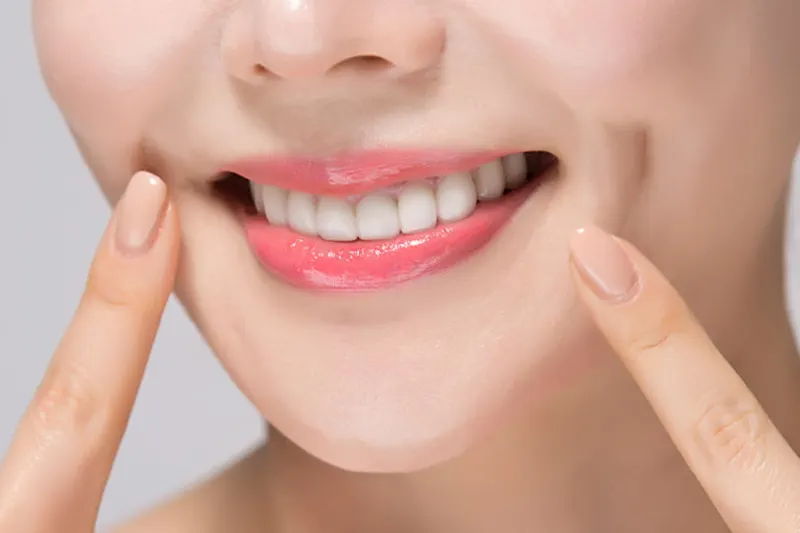
Many people have, as children, spun and dug into the spot where a dimple would be with a pen or a finger every day, hoping to create a charming dimple on their own, or held a bottle cap in the mouth and pulled to make a small impression. None of these methods work, so please stop right away! To everyone who cares about their looks, do not follow these myths or home remedies and hurt your skin.
Many people who care about their looks know that even applying skin care products must be done carefully and gently, and that when washing the face you avoid rubbing with a towel. You are so careful with so many basic daily routines, so do not ruin all your hard work by trying out a few small tricks, because poking or digging at the face with a finger or pen, or using a bottle cap, is very damaging to the skin. Constant pulling and friction make skin problems appear earlier and the skin age sooner, not to mention wrinkles and sagging!
If you want a charming dimple, you can create one with the methods shared below!
Types of Dimples
Before creating a dimple, let's briefly look at the types. There are four types, and once you know them you can choose the one you like or that suits you:
1. Long Dimple
Located 2 to 3 cm outside the corner of the mouth, with a longer curve when you smile. It can refine the face shape so that the whole face looks slim and small, with a more pointed chin.
2. Eye-Corner (“Indian”) Dimple
The position of the “Indian dimple” is quite special! It sits below the outer corner of the eye and is often seen on babies. It is often mistaken for crow's feet, giving a youthful, innocent impression.
3. Round Dimple
Located about 3 to 3.5 cm outside the corner of the mouth and round when you smile. A round dimple is very similar to a pear dimple, with a small area and shallow depth. Because few people have this type of dimple, it also leaves a deep impression and gives a person a distinctive trait.
4. Pear Dimple
Located about 1 cm outside the corner of the mouth, round when you smile, with a small area and shallow depth, giving a cute, bashful feeling.
Tip: you can use a makeup tool such as an eyeliner pencil to make small marks on your face, to see which type of dimple you like and to help you choose the one that suits you!
Dimple Creation Surgery
Dimples are created in the same way as pear dimples, using one of two methods: the “dimple suture method” and the “dimple excision method.” Both are major procedures that require cutting.
“Dimple Suture Method”
A needle and thread are passed from the outer cheek through to the inside of the mouth (matching the position of the dimple), and the smiling muscle is secured to the subcutaneous tissue (the dermis) with sutures. The depth and tightness can be adjusted during surgery: the tighter the suture, the deeper the hollow. Because the sutures end up inside the mouth, almost no marks are left afterward.
Features of the surgery: after surgery, the dimple area will have an immediate hollow, with a short operation time and no scar. However, because it relies on the strength of the suture, it is relatively less durable afterward. Patients with more facial fat should also be reminded that, because of higher skin tension, the sutures may loosen after surgery and shorten how long the result lasts. We therefore recommend first removing some fat through “localized buccal fat removal” or “lipolysis injections” before the surgery.
“Dimple Excision Method”
An incision of about 0.3 to 0.4 cm is made inside the mouth (at the position matching the dimple), part of the muscle and fat at the surgical site is removed, and the muscle tissue is then sutured beneath the dermis with absorbable surgical thread (catgut), which creates a hollow immediately after suturing. The result is more pronounced and longer lasting than the suture method, but the downside is that if you regret it or want to correct it, the repair takes a long time.
Surgery notes: after surgery, the dimple area will immediately show a static hollow (even without any expression). This is normal and gradually settles over time (about 2 to 3 months after surgery), eventually producing the ideal dimple effect.
Before surgery: as mentioned above, dimple creation is not minor surgery, so you need to be strict about choosing a clinic and doctor and carefully evaluate the facility and technique! Otherwise you may suffer a great deal and spoil your original good looks.
A reminder from us: with an artificially created dimple, the face temporarily keeps a static hollow line, meaning the hollow remains even when you are not smiling. How long it lasts varies from person to person, but there is no need to worry too much; you can cover it with acne patches or artificial skin.
What Is a Pear Dimple? Creating Charming Pear Dimples Is Super Easy!
Is the Surgical Result Permanent?
No. Like a facial thread lift, dimple surgery fades over time. The procedure creates the dimple by suturing, which means a suture inside the mouth holds the smiling muscle to the dermis. Eating, talking, and even regular facial care cannot be avoided, and these slowly loosen the suture, so the hollow gradually becomes fainter and eventually disappears.
This article is for general information only. Results vary from person to person; please consult a doctor in person before deciding on any treatment.