Contents
Dark spots are a very common skin concern, with sun exposure, genetics, age, and daily stress among the main causes. In fact, different types of spots have different causes and call for different treatments, and preventing new spots from forming is a science of its own. This article covers the various spot treatments and which one influencers recommend most!
6 Types of Dark Spots and Their Causes
Different spots have different causes, depths, and locations. Spots are produced by melanocytes in the skin. When the skin is affected by sun exposure, diet, stress, light, and other factors, the melanocytes are stimulated, darkening the skin and producing dark spots, and melanin keeps being produced under UV exposure. UV is not only found in sunlight; indoor lighting and computer screens can also emit it.
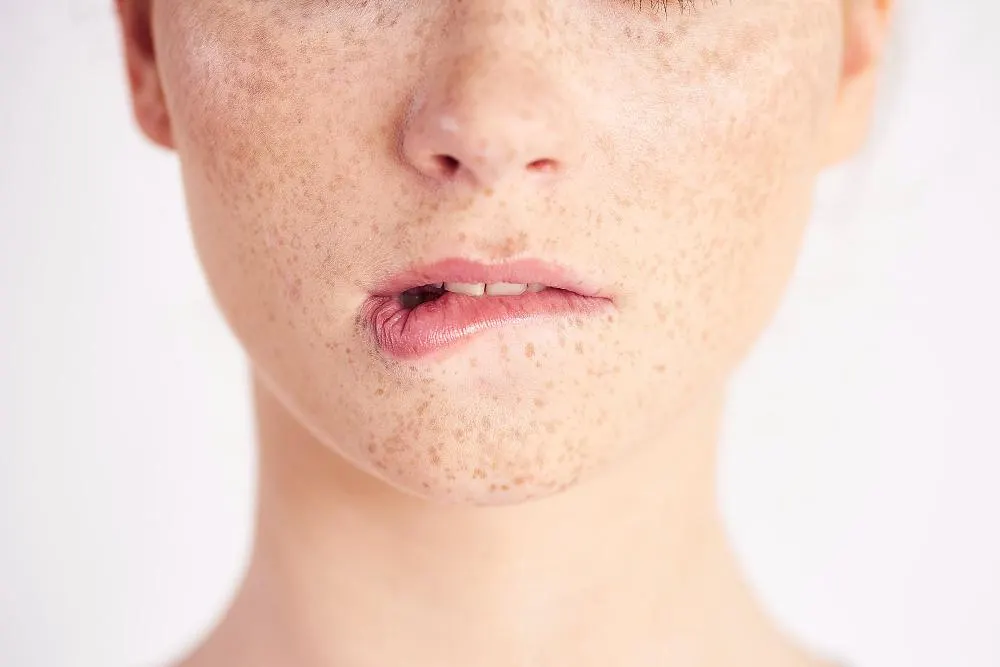
Freckles: Characterized by round brown-black spots 1-4 mm in diameter, distributed across both cheeks and the nose, and sometimes also on the back or hands. They are mainly related to family heredity, gradually appear during adolescence, and vary in darkness with sun exposure.
Age spots: Also known as “seborrheic keratosis,” these are the most common type of spot, varying in size, either flat or raised, mostly tea-brown, and caused by UV rays. Besides the face, they also appear on the backs of the hands and on the arms; the older you get, the more numerous and darker they become. Age spots do not grow only on older people: if you are often exposed to sun and UV rays, some people develop them in their 20s, though most people notice them in middle age.
Sun spots: They mostly appear after middle age and are related to sun exposure and UV rays, and are common on exposed areas such as the face, outer arms, and lower legs. Colors range from light brown to coffee brown. In younger people they are usually similar in size to freckles but darker in color.
Nevus of Ota: A congenital nevus, a type of birthmark that mostly appears in childhood or puberty and shows up on the face as a dark blue color, which deepens with age and time. The most common pattern is on the upper half of one side of the face, and gray-blue patches may even appear on the sclera (the white of the eye). It is less related to family heredity.
Melasma/pregnancy mask: Mainly found around the cheekbones, though depending on the person it can also appear on the forehead or around the mouth. It is mostly symmetrical yellow-brown patches, unrelated to liver health, and most common in women around 30-40. It is more common in Asians than in Westerners, darkens after sun exposure, and is related to life stress and tension.
Zygomatic nevus (Hori's nevus): A type of birthmark, slightly larger than freckles, usually symmetrical over both cheekbones, brown or blue-black in appearance, located in the deeper layers of the skin, and appearing after puberty.
5 Habits That Make Spots Worse
1. Frequently going to saunas or hot yoga
2. Not knowing what ingredients are in the sunscreen you use
3. Often staying up late and keeping irregular hours
4. Daily skincare products that do not contain antioxidants
5. Squeezing every pimple or blackhead you see
5 Ways to Prevent Spots
1. Avoid hot environments and UV rays
2. Get enough sleep
3. Pay attention to your diet and eat more vitamin C/E
4. Choose antioxidant-rich skincare products
5. Strengthen sun protection for your skin
Spot Treatments at a Glance
Spots are divided into superficial spots (freckles, sun spots, age spots), deep spots (zygomatic nevus, nevus of Ota), and mixed spots (melasma), and one face can have several kinds of spots at once, each requiring different treatments and numbers of sessions. Once spots have formed they are hard to remove with skincare products, so many people have them removed with lasers. Superficial spots have clear edges visible to the naked eye and are easy to clear with lasers. Laser spot removal is classified by wavelength (532/755/1064 nm), with different wavelengths chosen for different types of spots.
The most complicated spot is probably melasma. Melasma melanocytes are highly active, so stimulating them with a picosecond laser carries a higher chance of rebound hyperpigmentation than with other spots. Patients with severe melasma need more than aesthetic treatments: they also have to control it through their own efforts or medication, for example keeping regular hours and applying sunscreen diligently.
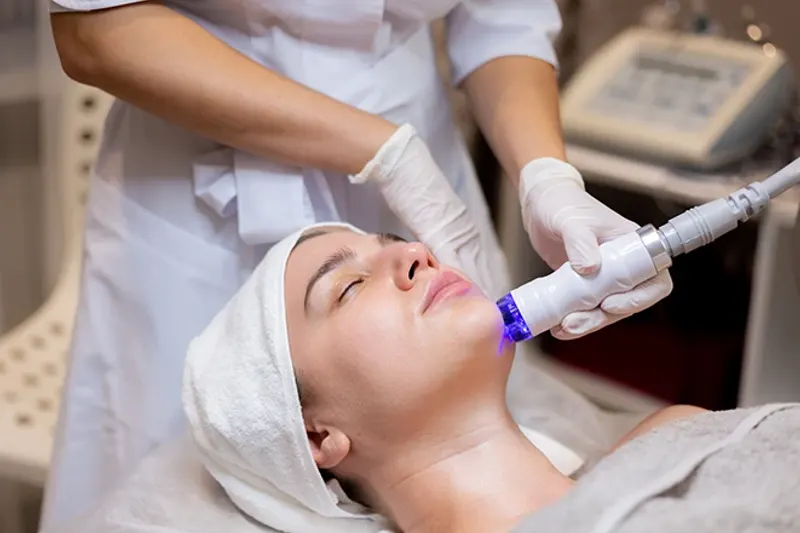
NAISS CLINIC offers 3 spot treatments: Discovery Pico, StarWalker PQX, and Lumecca. For the picosecond lasers, a honeycomb lens can be added to concentrate the energy so that it reaches the tissue beneath the skin directly. Among them, StarWalker PQX is the favorite of, and highly recommended by, many influencers.
View this post on InstagramView this post on InstagramDiscovery Pico vs. StarWalker PQX vs. Lumecca
| Discovery Pico | StarWalker PQX | Lumecca | |
|---|---|---|---|
| Mechanism | Photoacoustic | Photoacoustic + photothermal | Photothermal |
| Wavelength (nm) | 1064/532 | 1064/532 | 500-600 |
| Recovery | 7-10 days | As little as 1 day | None |
| Spots treated | Both superficial and deep spots | Superficial, deep, and mixed spots | Freckles, sun spots |
| Rebound hyperpigmentation risk | Some risk of rebound hyperpigmentation | Low risk of rebound hyperpigmentation | None |
| Pain | Numbing cream applied; low pain | Numbing cream applied; lower pain | No numbing cream needed; warm sensation |
| Results | Immediate results | Immediate results | Immediate results |
Read more:
2023's Newest Picosecond Laser: 3rd-Generation StarWalker PQX ≠ StarWalker Laser
Aftercare Following Laser Spot Removal
Strengthen moisturizing and sun protection
For 2 weeks, avoid high-temperature places such as hot springs and saunas
For 1 week, do not use exfoliating, acid-containing, whitening, alcohol-based, or other irritating skincare products
If localized scabs form, do not pick at them; scabs fall off on their own in about 7-10 days
For 2 weeks, do not use exfoliating or scrub skincare products
This article is for general information only. Results vary from person to person; please consult a doctor in person before deciding on any treatment.