Contents
Modern people widely pursue attractive looks, and the nose is the foundation of the facial features, playing a decisive role in how attractive the face looks, which is why rhinoplasty has become increasingly common. The main difference between rhinoplasty procedures is the implant material. Everything from the earliest silicone and the composite Chimera to Gore-Tex implants and autologous cartilage is in use. With so many materials, which is best? Which makes rhinoplasty least likely to cause complications? This article breaks down the pros and cons of the common implant materials.
Currently, rhinoplasty uses two main types of implant materials: artificial implants, and grafts of the patient’s own tissue.
Rhinoplasty Materials: Artificial Implants
1. Second-Generation Silicone (Bistool)
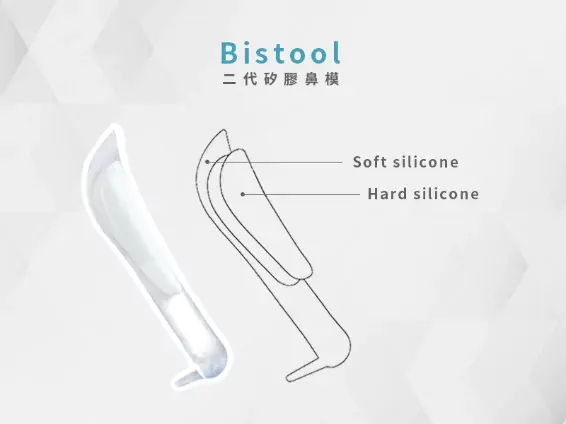
Pros:
Second-generation silicone better fits Asian nose shapes, comes in many sizes and styles without needing to be trimmed, fits closely with body tissue so the risk of rejection is greatly reduced, and costs relatively less.
Cons:
Silicone cannot prevent capsular contracture, and because the material is softer, it cannot perfectly sculpt the nose for people with a less favorable nose shape, so the degree of improvement is limited.
Silicone implants have a long history in rhinoplasty. The advantages are that the procedure is easy to perform, recovery is short, and the price is low. Second-generation silicone is softer, feels close to human cartilage, and fits tightly with body tissue, so it is less likely to slide or shift.
Second-generation silicone comes in dozens of sizes, so implants of different sizes and thicknesses can be matched to individual needs for the nasal root, bridge, and tip. However, silicone is still a foreign material. The body forms a capsule around it, which can easily lead to capsular contracture in the surrounding tissue and a risk of deformation. Compared with implants made from the patient’s own tissue, silicone implants have somewhat higher post-op complication rates.
2. GORE-TEX (PureForm)
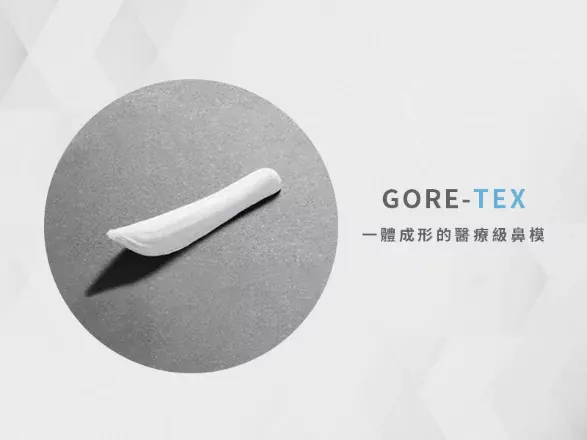
Pros:
GORE-TEX is highly compatible with the human body, causes no sense of rejection, and rarely leads to capsular contracture. It can be used long term without deforming and can be carved layer by layer to meet detailed needs.
Cons:
Costs more, and relies on the doctor’s experience and advanced surgical skills.
GORE-TEX is a one-piece, medical-grade implant material that can be finely carved into the desired nose shape. Besides being safer, its surface has honeycomb-like pores that let the body’s cells grow in and anchor it, so it bonds with the tissue and does not easily move, greatly reducing the chance of capsular contracture. Among artificial materials, GORE-TEX is without question the first choice for rhinoplasty implants.
3. Chimera Composite Rhinoplasty
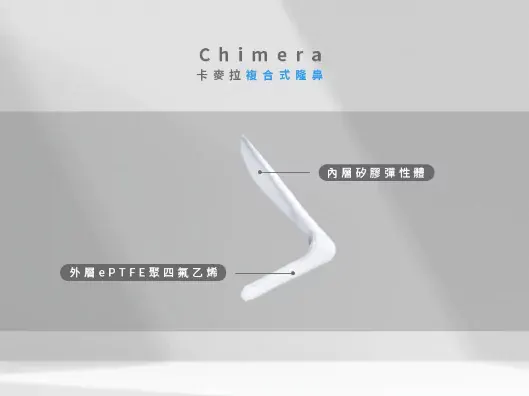
Pros:
Retains the good support of a silicone implant and the capsular contracture reduction of GORE-TEX, with higher compatibility with the body.
Cons:
Everyone’s nose is different, so the implant must always be modified, but the Chimera is hard to sculpt. The GORE-TEX outer layer is only 0.3 mm thin, and carving breaks the surface coating and exposes the silicone, losing GORE-TEX’s ability to reduce capsular contracture.
The Chimera implant still has a silicone core, but it is wrapped in an outer layer of GORE-TEX. Compared with pure silicone, it has stronger support and bonds more closely with body tissue, reducing the unnatural look caused by the capsule and the problem of the implant sliding or shifting, and lowering the chance of infection and calcification.
Rhinoplasty Materials: Autologous Tissue
Although artificial materials have the advantages of being easy to obtain, giving stable results, and being moldable, artificial implants still carry the risk of complications such as infection, rejection, and implant exposure. Patients with these concerns are better suited to autologous tissue grafts. Autologous cartilage can be called the best implant material for rhinoplasty, because it comes from the patient’s own body and looks the most natural.
Pros:
Because autologous tissue comes from the patient’s own body, its biggest benefit is complete compatibility with body tissue. Compared with artificial materials, there is no rejection reaction, and the chances of capsular contracture and infection are also lower.
Cons:
Harvesting autologous cartilage creates a second wound, which lengthens recovery and may leave a scar. In addition, there is a 10% risk that autologous cartilage is absorbed, and the surgery is more difficult and more expensive.
Rib Cartilage (Raising the Nasal Dorsum)
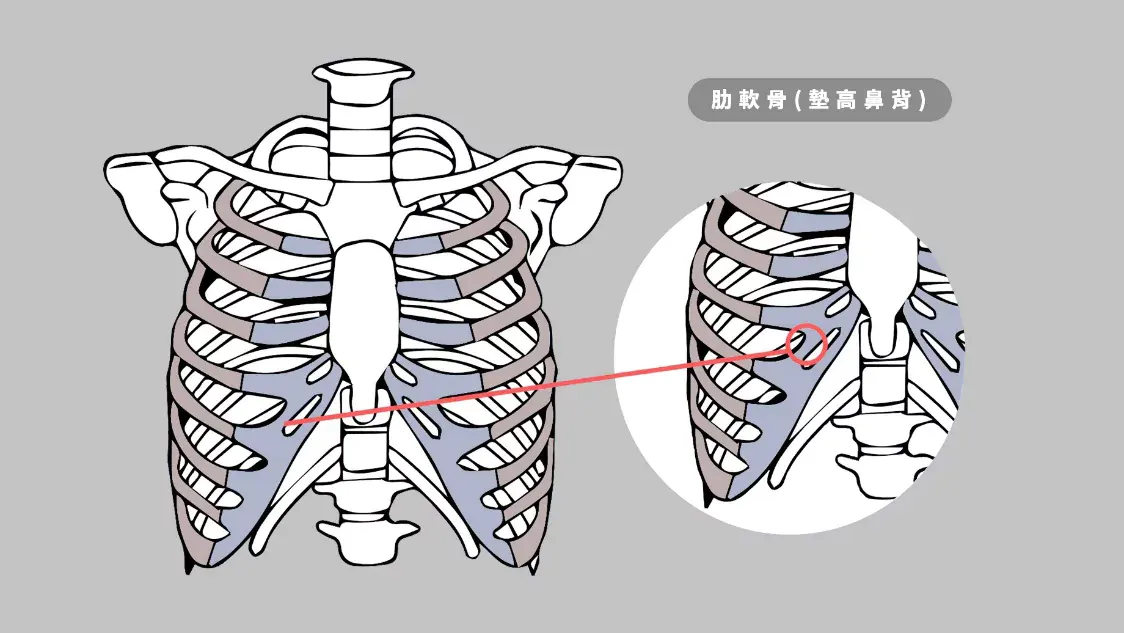
Rib cartilage is usually used to build the nasal bridge, raising the dorsum and strengthening the nasal root. However, rib cartilage can warp or bend, so it is generally only considered for total nasal reconstruction. Also, harvesting rib cartilage requires general anesthesia, and patients may experience chest pain as an after-effect.
Ear Cartilage (Refining the Nasal Tip)
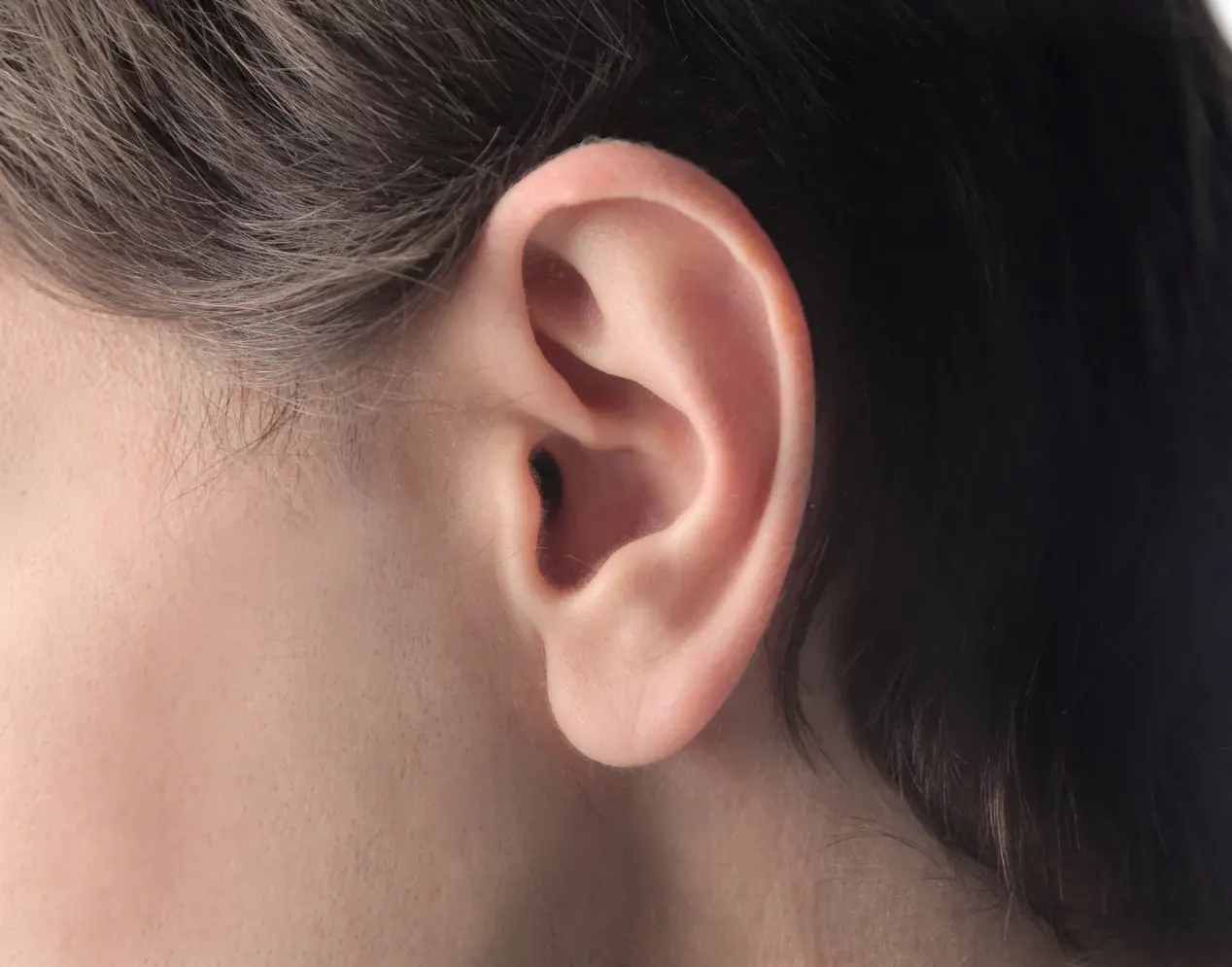
Ear cartilage is elastic cartilage with good elasticity. It is used to correct alar collapse and is also the autologous cartilage most commonly harvested in rhinoplasty. Once implanted in the nose, ear cartilage is highly compatible and bonds tightly with the internal nasal tissue, giving long-lasting results that do not easily come loose. Its biggest advantage is the small incision, which is hidden and leaves no obvious scar, so the result looks very natural and real, with no noticeable effect on the appearance of the ear. View the case: Escape the nightmare of a 10-year upturned nose! Create a dimensional, natural, well-defined nose and rebuild your confidence
Septal Cartilage (Shaping the Nasal Tip)
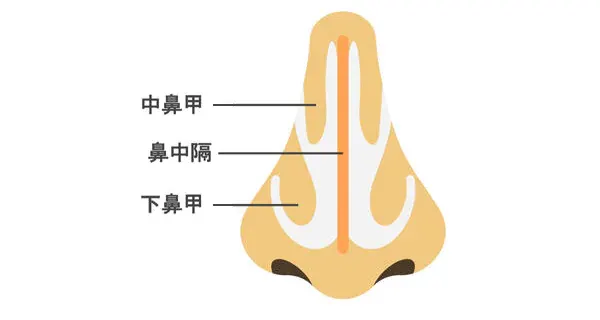
Another common autologous implant material in rhinoplasty is septal cartilage. Because it offers strong support, it can adjust the nasal tip to a suitable height and create a lifted, defined tip, and it is often used to correct an upturned nose and visible nostrils. However, the available tissue is limited, and taking too much may risk a collapsed nose.
Implant Materials Compared
| Implant material | Silicone | Chimera | Gore-Tex | Autologous cartilage |
|---|---|---|---|---|
| Feel | Firmer | Firmer | Soft | Medium |
| Support | Average | Average | Good | Good |
| Naturalness | Fair | Fair | Natural | High |
| Compatibility | Low compatibility | Low compatibility | High compatibility | Fully compatible |
| Infection risk | Average | Average | Low | Low |
| Capsular contracture | High | High | Almost never | Never |
| Risk of shifting | Shifts easily | Shifts easily | Unlikely to shift | Unlikely to shift |
| Recovery | 1-2 weeks | 1-2 weeks | 1-2 weeks | 1-2 weeks |
| Cost | Low | Moderate | High | High |
No matter which implant material is used, rhinoplasty always carries some risk. NAISS CLINIC has full-time plastic surgeons on-site who provide a professional consultation and assessment before surgery, and the clinic has a medical-grade cleanroom operating room so that surgery is performed in a safe, sterile environment. A professional nursing team also monitors patients’ post-op recovery. If you want a high, dimensional, beautiful nose, book a consultation with NAISS CLINIC!
This article is for general information only. Results vary from person to person; please consult a doctor in person before deciding on any treatment.