Contents
Can stretch marks on the waist, abdomen, thighs, and buttocks (from pregnancy or weight gain) still be treated? To effectively prevent stretch marks, you need to catch the golden window for treatment. Did you know that stretch marks come in three different colors? What does each color mean? This article answers these questions and explains how skincare and aesthetic medicine treatments can help you fight stretch marks and restore smooth skin texture.
How Do Pregnancy, Weight-Gain, and Growth Stretch Marks Form, and How Do They Differ?
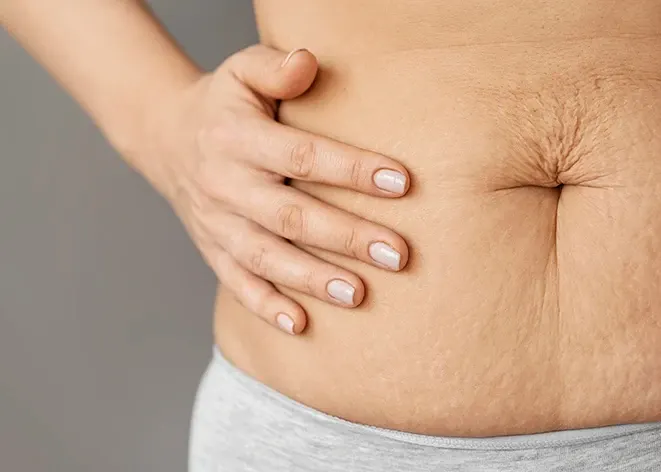
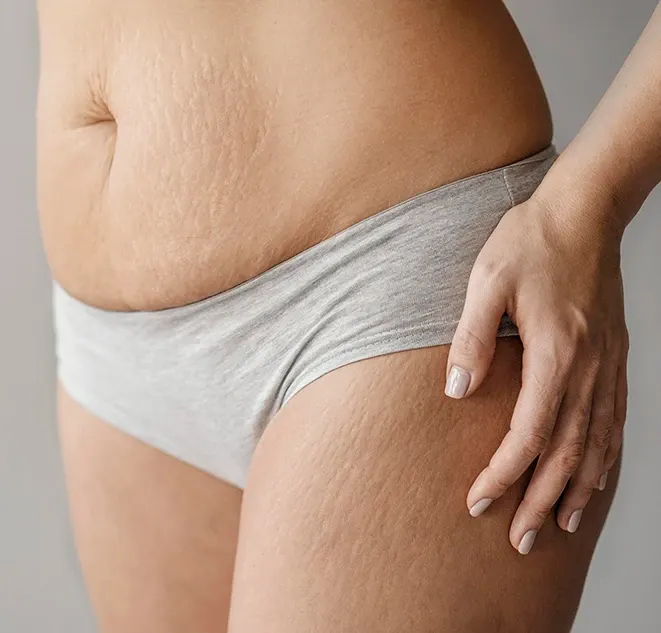
Pregnancy, weight-gain, and growth stretch marks are all “skin stretch marks” (striae distensae), a type of scarring reaction triggered by a thinned, damaged epidermis and broken collagen in the dermis, which produces irregular, elongated lines. All three types of stretch marks are caused by changes in the body and are named differently according to their cause. Among them, compared with growth and weight-gain stretch marks, pregnancy stretch marks are more likely to form, because the skin at this stage is made more fragile by hormonal changes and so marks appear more easily.
| Pregnancy Stretch Marks | Weight-Gain Stretch Marks | Growth Stretch Marks | |
|---|---|---|---|
| Cause | As the baby grows and amniotic fluid increases, the belly enlarges quickly in a short time and stretches the skin, damaging the dermis | Lifestyle habits, medications, and other factors cause fat cells to enlarge rapidly, damaging the dermis | During puberty, rapid growth of muscles and bones as height and body shape change stretches the dermis |
| Common Areas | Abdomen, thighs, breasts | Abdomen, thighs, waist, buttocks | Knees, breasts |
Learn more:
Mommy Makeover! The 6 Best Aesthetic Medicine Treatments for Postpartum Mothers at a Glance
Orange Peel Skin Bothering You? 3 Aesthetic Treatments to Get Rid of Cellulite
What Different Stretch Mark Colors Mean
Stretch marks usually appear on the lower abdomen and near the bikini area and thighs. They are mainly purple-red or silvery-white, and sometimes even black, each representing a different stage:
1. Red Stretch Marks
At around 20-25 weeks of pregnancy, when weight gain is rapid, skin tension intensifies and collagen and elastin fibers break and blood vessels proliferate. Early stretch marks appear as symmetrical, reddish-purple, irregular lines, and some are slightly raised.
2. White Stretch Marks
In the late postpartum period, once the skin has repaired itself, the scars from red stretch marks will gradually fade and shrink, and the blood vessels will recede, turning the stretch marks silvery-white. Compared with the red marks at the beginning, they are less noticeable and feel atrophic and wrinkled; white stretch marks at this stage are permanent scars.
3. Black Stretch Marks
Black stretch marks are uncommon and tend to occur late in pregnancy. When the inflammation of red stretch marks subsides, they may appear on the abdomen and at the joints, and they usually fade to silvery-white as hormones change.
Learn more: What Are Stretch Marks? Causes, Removal, and Prevention Methods
The Golden Treatment Window for Stretch Marks: Skincare Products
The red stage of stretch marks is the golden window for treatment. Treating at this stage may remove the red pigment and prevent uneven, bumpy scars from forming. The shorter the red stage, the less noticeable the white marks and indented lines that remain afterward. The longer the red stage persists, the more severe the pigmentation, and once permanent white stretch marks form, treatment becomes harder.
In the early stage, you can start with skincare to prevent and improve stretch marks. The following ingredients have been shown to help repair the skin and improve early stretch marks:
1. Vitamin C: Promotes collagen production in the skin
2. Oils: Coconut oil, almond oil, and similar oils can soothe the skin and strengthen its elasticity
3. Retinoic acid (vitamin A acid) / AHAs (fruit acids): Stimulate collagen production and boost cell turnover for smoother skin, but avoid using them during pregnancy
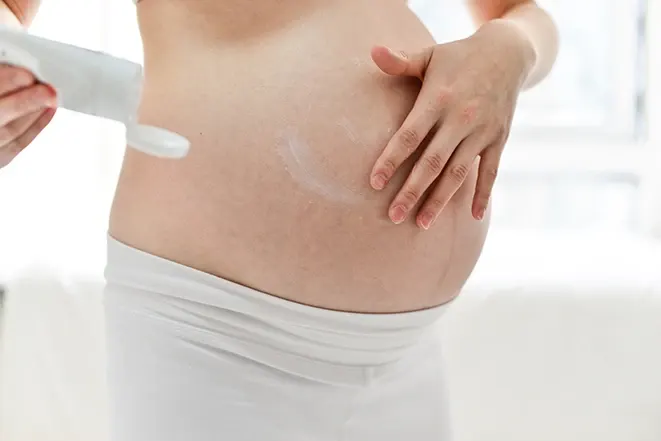
After 3 months of pregnancy, you can use stretch mark oils, creams, or lotions made specifically for pregnant women, together with appropriate massage and good skin hydration, which can lower the chance of stretch marks. Prevention is better than cure! But once stretch marks become permanent, no skincare product can improve them. Aesthetic medicine treatments such as ultrasound and skin tightening can be used, but note that no treatment can completely eliminate stretch marks; they can only be faded until they are barely visible.
Removing Stretch Marks: Radiofrequency and Ultrasound
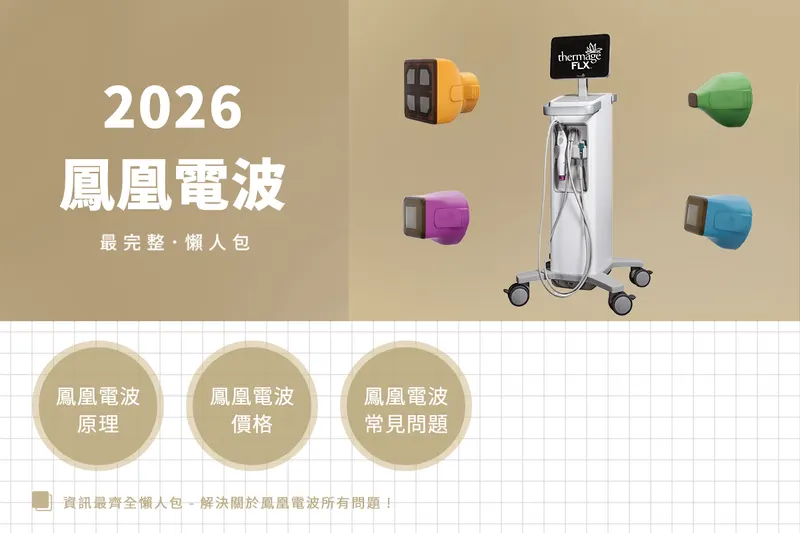
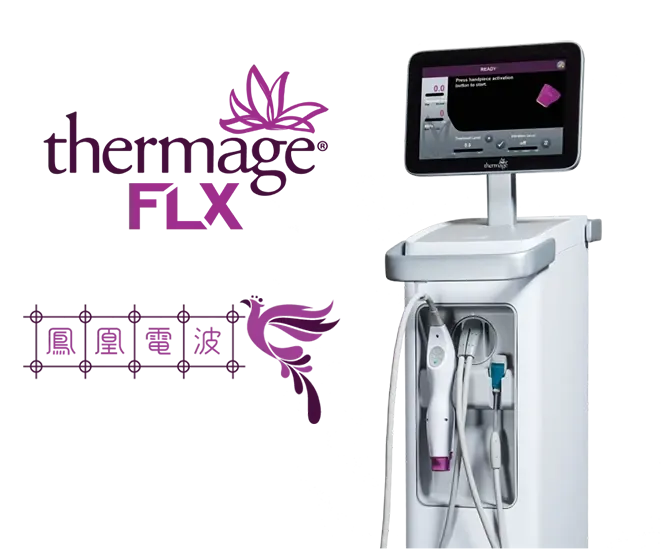
1. Thermage FLX Skin Tightening
Thermage FLX works by using monopolar radiofrequency technology, in which wireless high-frequency radio waves vibrating about 6 million times per second provide wide-area 3D volumetric heating, delivering heat of 55-65°C to the dermis and subcutaneous tissue in order to stimulate the body's own collagen and elastin to regenerate. Thermage FLX energy activates the body's natural repair response.
In addition, Thermage FLX has the “Gold Body Tip,” which can treat large areas of body skin to improve laxity and reduce stretch marks.
Learn more:
The Complete Thermage FLX Guide: Treatment Details and Key Pre- and Post-Treatment Points
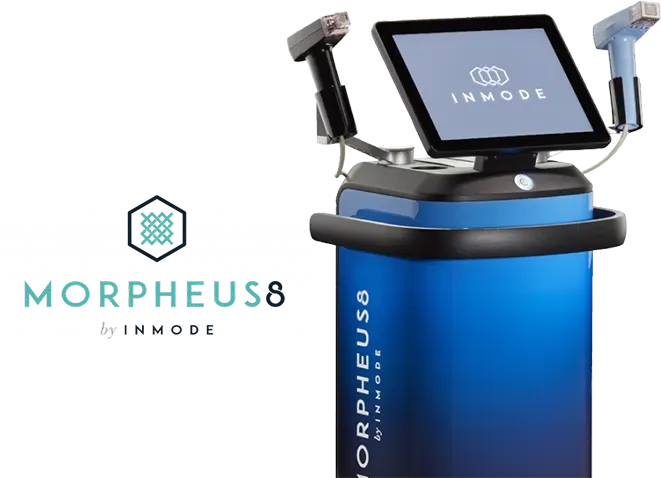
2. Morpheus8 Microneedling Radiofrequency
Morpheus8 is the newest microneedling radiofrequency treatment, combining the properties of “microneedling” and “radiofrequency.” Ultra-fine gold-plated microneedles first disrupt the epidermis and dermis, and the needle tips deep in the skin continuously release RF energy into the lower layers of the skin. The probe tips have a non-insulated design that does not heat the epidermis, so it can heat the deep dermis more safely and precisely, in order to stimulate collagen and elastin production, achieving lifting, tightening, and wrinkle-reducing effects while also treating skin aging concerns such as sagging skin, cellulite, stretch marks, and depressions.
Learn more:
A Budget Alternative to Thermage FLX? What Is Morpheus8 Microneedling RF?
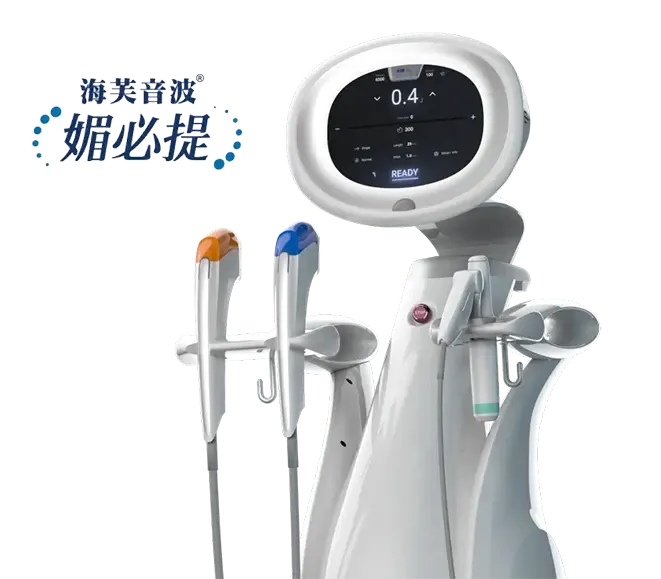
3. 4th-Generation Ultraformer MPT
Ultraformer MPT is a non-invasive treatment that uses focused ultrasound to deliver energy to different layers of the skin, causing it to produce a thermal effect that triggers immediate contraction and stimulates collagen to remodel and regenerate, restoring skin elasticity and even achieving contour lifting and tightening, thereby improving stretch marks.
Learn more:
Thermage FLX vs. 4th-Generation Ultraformer MPT: Differences Compared at a Glance
| Thermage FLX | Morpheus8 | Ultraformer MPT | |
|---|---|---|---|
| Principle | RF (radiofrequency) | Microneedling + RF | High-intensity focused ultrasound (HIFU) |
| Number of Tips | 4 | 3 | 10 |
| Indications | Facial lifting/tightening Fine lines and stretch marks Cellulite Body skin laxity | Aging skin Stretch marks Cellulite Facial lifting/tightening Skin depressions | Facial lifting Firming the waist, abdomen, and thighs Improving fine lines and stretch marks Neck/jawline lifting |
| Treatment Time | 45-60 minutes | 20-30 minutes per area | 30-60 minutes |
| Downtime | None | About 3-5 days | None |
| Duration of Results | About 12-18 months | About 12-18 months | About 12-18 months |
Removing Stretch Marks: Abdominoplasty (Tummy Tuck)
Abdominoplasty (tummy tuck) is suitable for postpartum mothers or people who have lost a great deal of weight, and is commonly known as a “mommy makeover.” If fat has also accumulated, it can be combined with liposuction in the same operation, and it can address laxity such as excess abdominal skin and stretch marks caused by pregnancy, major weight loss, or aging.
1. Partial Abdominoplasty (Mini Tummy Tuck)
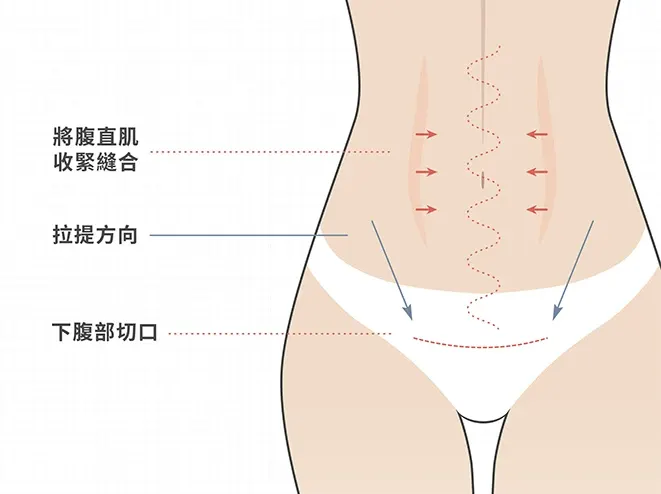
Suited to people with loose skin below the navel and a small area of stretch marks. An incision of 15 to 20 cm or longer is made above the pubic hair, and the skin and fat layer of the lower abdomen is lifted up to the navel. The loose abdominal wall fascia is then sutured tight, the skin and fat layer is pulled down to the upper edge of the pubic hair, the excess is removed, and the wound is closed.
2. Full Abdominoplasty
If the entire abdomen is severely loose and protruding, a full abdominoplasty is needed. The procedure is similar to a mini tummy tuck, except that the lower abdominal incision extends to both sides of the pelvis, the abdominal skin and fat are lifted up to the ribs below the breasts, and everything from the lower edge of the chest to the upper edge of the pubic hair is sutured tight, while the navel is cut around its edge and left in place.
Learn more:
This article is for general information only. Results vary from person to person; please consult a doctor in person before deciding on any treatment.