Contents
A large, prominent nasal tip that makeup and contouring cannot fix, and you always dislike your bulbous nose... The key to a bulbous nose is an overly wide, large nasal tip. How can you adjust the size and shape of the tip? This article introduces three common nasal tip reduction surgeries to help you say goodbye to a bulbous nose and create a refined, petite nose.
What Is a Bulbous Nose?
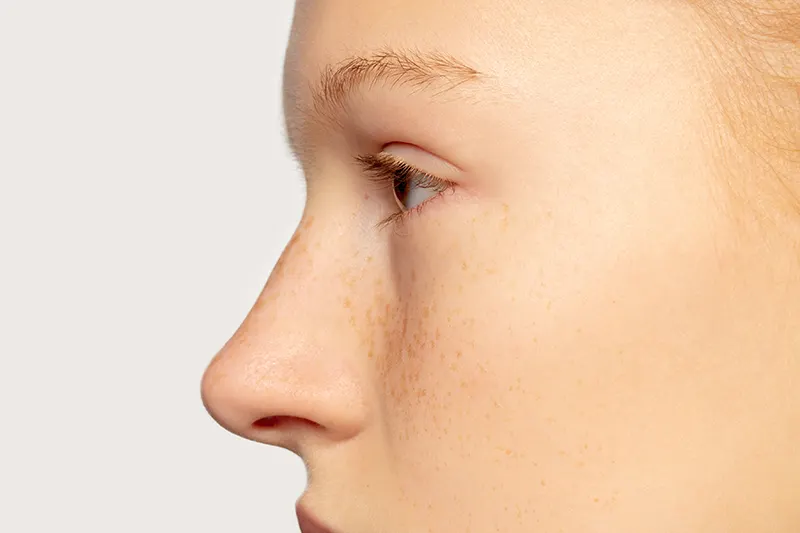
A nose with a large tip, where thick alar tissue and outward-flaring alar cartilage make the nose look fleshy and wide, like an unpeeled garlic bulb. It is often called a bulbous (“garlic”) nose.
A bulbous nose usually has the following 3 features:
1. A large, rounded nasal tip
2. Fleshy alae that feel thick to the touch
3. Alar width greater than the distance between the inner corners of the eyes
Excess tissue at the nasal tip and wide alae often make the nose look coarse rather than delicate and take up a large share of the facial features visually; even a naturally high nasal bridge gets overlooked as a result. For a bulbous nose that is both flat and large, improvement usually comes through nasal tip reduction surgery, and below we explain three tip reduction methods in detail.
Learn more:
Does the Nose Have a Golden Ratio Too? How to Create the Perfect Nose Shape
Tip Reduction Method 1: Structural Rhinoplasty
Structural rhinoplasty is the method most people choose, and it can solve both a collapsed nasal bridge and an oversized nasal tip at once. When sculpting the tip, the shaping material lifts a rounded tip that sinks strongly, so it looks visually smaller and gains dimension.
What Is Structural Rhinoplasty?
Structural rhinoplasty works on three parts, the nasal bridge, the columella, and the nasal tip, and is also called three-segment rhinoplasty. The implant is “cut into segments” to raise the bridge, and the nose shape is substantially adjusted for different problems. The patient's own cartilage is used to build the curve of the tip and refine the nasal tip, while the tip, alae, and a deviated nasal septum are sculpted and corrected at the same time.
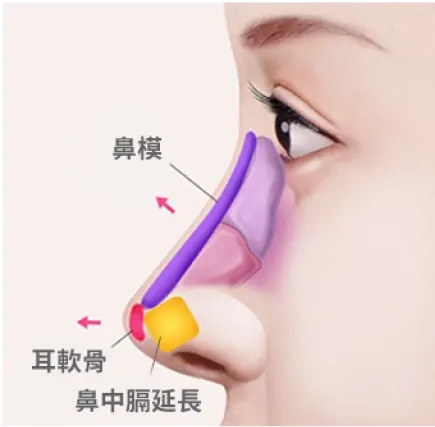
Recommended rhinoplasty materials: Bistool 2nd-generation silicone, Gore-Tex, Chimera, autologous rib cartilage
Closed vs. Open Approach Compared
Rhinoplasty can use an internal (closed) or external (open) incision. Structural rhinoplasty uses an open incision, and by comparison, the open approach is better able to correct complex nose shape problems:
| Closed Approach | Open Approach | |
|---|---|---|
| Incision Location | Inside the nasal cavity | At the base of the columella |
| Suitable For | People with simply wide alae People who want a high nasal bridge People prone to scarring | People with overly long alae who need excess tissue removed All kinds of nose shape problems People with highly customized needs |
| Pros | Hidden incision | Allows major adjustments |
| Cons | Limited adjustment | Scar may be visible |
Learn more:
Rhinoplasty Methods Analyzed! This Is How to Get Rid of a Bulbous Nose
The Complete Rhinoplasty Aftercare Guide Revealed
Tip Reduction Method 2: Nasal Cartilage Adjustment
The alar cartilage, medically called the lower lateral cartilage, has its lateral edge at the upper margin of the alar groove, and the shape of the nasal tip is closely tied to the contour of that lateral edge. If the cartilage bulges, it pushes the alae outward and the nasal tip looks larger; conversely, if the cartilage is smooth, the tip looks relatively smaller.
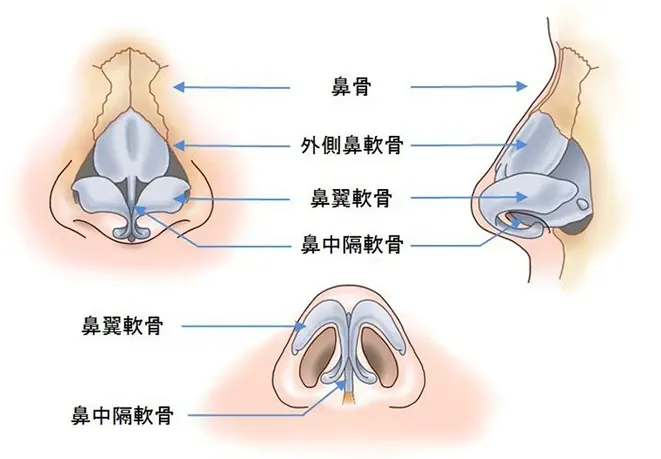
Nasal Cartilage Surgery Methods
| Bilateral Alar Cartilage Suturing | The left and right alar cartilages are sutured together to reduce the angle between them, which in turn makes the nasal tip smaller |
|---|---|
| Partial Alar Cartilage Resection | The upper edge of the alar cartilage is removed to solve the problem of an oversized nasal tip caused by enlarged alar cartilage |
| Columella Reinforcement | The columellar cartilage is sutured, and septal cartilage or donor rib cartilage can be added for support, giving the nasal tip more dimension and making the nostril shape more attractive |
Tip Reduction Method 3: Nasal Tip Tissue Removal
Besides bone structure, a wide nasal tip may be because the skin and soft tissue of the nasal tip are too thick. The solution is to remove this excess fat and nasal tissue, which brings the alar cartilages closer together and improves a thick, fleshy tip.
However, removing nasal tip tissue is an irreversible surgery, and the removed tissue does not grow back. It is usually combined with structural rhinoplasty and alar or nostril reduction surgery for fine adjustments, and not everyone with a wide, fleshy nasal tip is suitable for this surgery. A professional doctor should evaluate nose proportions, skin tension, and individual constitution.

Rhinoplasty Case Studies
This article is for general information only. Results vary from person to person; please consult a doctor in person before deciding on any treatment.