Contents
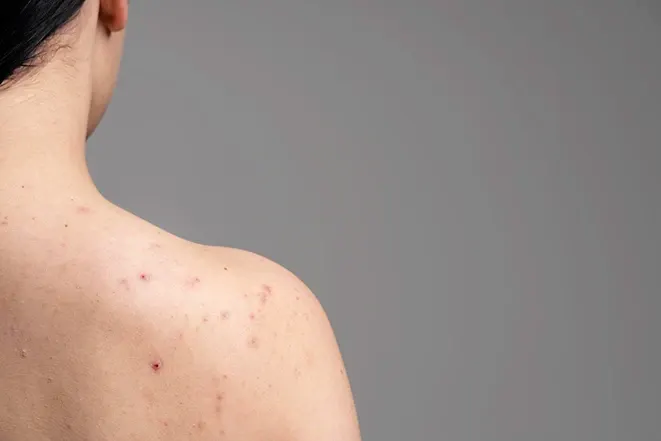
Acne doesn't only show up on the face, and body acne is even more troublesome. Do you have annoying back acne too? Summer is coming, so it's time to show off a smooth, beautiful back! This article explains what causes back acne, tells you how to prevent it and care for your skin in daily life, and covers how aesthetic medicine treatments can help improve back acne and acne marks.
The Three Main Causes of Back Acne
Human skin is covered with sebaceous glands, especially well developed in oily skin, and oil from the face down to the body is easily overproduced. So besides the face, the back is also a common place for acne. Improperly cleansed body dirt and oil make body acne even more likely to turn into folliculitis through bacterial or fungal growth. Here are the three main categories of causes of back acne:
I. Cleansing Factors
1. Not drying off after sweating: Sweat left on the skin destroys the mild acidity of the skin's surface, which affects the balance of bacteria on the back and leads to acne.
2. Incomplete or excessive cleansing: If the skin isn't cleansed thoroughly, it causes a buildup of dirt that forms comedones, and back acne appears once they become inflamed. Also, over-cleansing the back damages the keratin layer, making it easy for bacteria to invade and cause inflammation, which can also lead to back acne.
3. Bath product residue: If hair conditioner is left on the back and not rinsed and cleansed thoroughly, causing the silicones in the product to stay on the skin for a long time, or if the body wash is too moisturizing and sticky, pores become clogged, causing back acne.
II. Environmental Factors
1. High heat and humidity: Humid, hot weather can cause sebaceous glands to overproduce oil and build up, forming comedones, and once infected, back acne appears.
2. Bedding not changed regularly: On bedding such as sheets, duvet covers, and pillowcases, besides dust mites, dead skin, sweat, tears, saliva, and so on may collect, leading to bacterial growth, and when it touches your skin, acne easily forms.
3. Clothing that doesn't breathe: Wearing too many layers or clothing that doesn't breathe leads to a hot, humid back, where acne easily develops.
III. Constitutional Factors
1. Eating habits: Foods such as high-fat, high-sugar, dairy, spicy foods, and alcohol all easily cause inflammation in the body and stimulate the sebaceous glands, which in turn promotes acne and comedones.
2. Weakened immunity: Everyday stress, staying up late, illness, and so on can all lower the body's immunity, making hair follicles prone to repeated infection and causing back acne to flourish.
3. Hormonal abnormalities: Abnormal hormone secretion leads to vigorous oil production by the sebaceous glands and easily causes comedones and acne. Seek treatment from a professional doctor.

5 Daily Habits to Improve Back Acne
1. Keep Your Back Dry
Temperature is an important factor in sebum secretion, so choose loose, comfortable cotton clothing to help absorb sweat and allow airflow, and wipe off sweat promptly after sweating to create a dry, comfortable environment. These are also keys to reducing back acne.
2. Cleanse Gently
Choose a body wash with mild ingredients to avoid over-cleansing that makes skin fragile, and try not to use a shower pouf, because bathrooms are humid and pouf-type products are hard to rinse thoroughly after use, which easily encourages bacteria and mold to grow. Also, keep the order of washing hair, then face, then body, which prevents conditioner residue and lowers the chance of back acne.
3. Change Bedding and Clothes Often
Washing and replacing bedding and clothing regularly to keep them clean reduces your skin's contact with dirt and can effectively reduce back acne. We recommend changing your bedding every two weeks.
4. Adjust Your Diet and Routine
Acne usually signals inflammation in the body. Drinking more water helps speed up the body's metabolism, and in daily life try to eat whole foods, avoid acne-triggering foods, and keep a regular routine and avoid staying up late to keep your hormones stable.
5. Care for Your Back in Moderation
You can use acid skincare products in moderation to speed up the shedding of built-up dead skin cells and inhibit the growth of acne bacteria, for example using salicylic acid to dissolve oil and mandelic acid to promote cell turnover.
Fight Back Acne With Aesthetic Medicine and Get a Smooth Back Again
Back acne can cause dullness and even blemishes such as acne scars. The following aesthetic medicine treatments can help restore smooth, bright back skin:
1. Mandelic Acid Peel
Mandelic acid can inhibit pigmentation and improve inflammatory acne and aging skin. It works mainly by reducing the adhesion of epidermal cells and speeding up turnover, and mandelic acid's tyrosinase inhibition blocks melanin production for a brightening effect, giving a more noticeable result than other AHA peels.
Learn more: Get Rid of Acne Scars and Dull, Dark Pores: Mandelic Acid Gives Your Skin a Fresh Start
2. Picosecond Laser
Picosecond lasers target deeper spots or melanin deposits and can improve acne scars and pigmented spots on the back. For pitted acne scars, lasers of specific wavelengths can also help by promoting collagen production in the deeper skin. NAISS CLINIC offers the StarWalker PQX and the Discovery Pico, two models:
Third-Generation StarWalker PQX
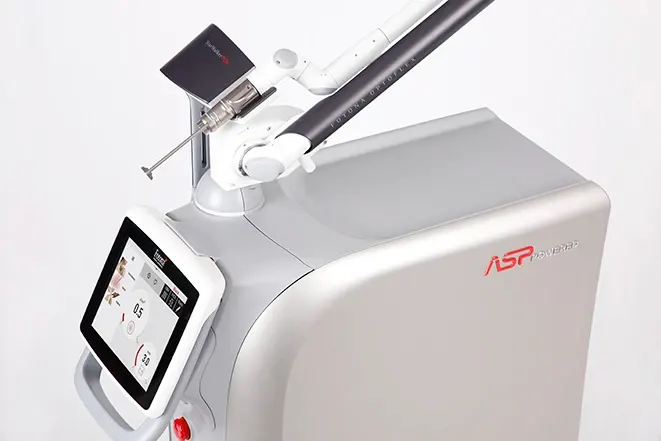
Conventional picosecond lasers can only shatter melanin into tiny fragments, but the third-generation StarWalker PQX combines a photothermal effect, so it can treat many skin problems, including pigmented spots, pitted acne scars, enlarged pores, wrinkles, and fine lines, while also stimulating skin regeneration and improving uneven skin tone. It also features ASP smart pulse technology, which not only precisely controls pulse duration but also adjusts automatically for different skin problems. Compared with the second-generation StarWalker and other brands of picosecond lasers, it can effectively reduce the number of sessions and make treatment more precise.
Learn more: A Laser That Doesn't Cause Rebound Darkening! StarWalker PQX Improves Skin Condition
Discovery Pico
Discovery Pico's extremely high instantaneous power can shatter pigmented spots into fine, dust-like particles in an instant, and the particles are metabolized faster, giving cleaner, brighter skin. Compared with conventional lasers, fewer sessions are needed, and it is less prone to rebound darkening. For acne scars, it uses the cavitation effect to break down scar tissue from the inside out, and the tiny bubbles produced by the picosecond laser trigger skin renewal and re-activate collagen, improving uneven scars.

Comparison of Common Laser Models
| 3rd-Gen StarWalker PQX | Discovery Pico | Holographic Super Pico (PicoWay) | Honeycomb Pico (PicoSure) | |
|---|---|---|---|---|
| How it works | Photoacoustic shockwave + photothermal effect | Photoacoustic shockwave + photothermal effect | Photoacoustic shockwave effect | Photoacoustic shockwave effect |
| Wavelength | 1064/532 | 1064/532 | 1064/532/785/730 | 755 |
| Focusing technology | Star focusing technology | Refix super lens | Holographic lens | Conventional honeycomb lens |
| Number of sessions | 3-4 sessions | 4-6 sessions | 4-6 sessions | 4-6 sessions |
| Downtime | As short as 1 day | 7-10 days | 3-5 days | 1-2 days |
Learn more:
Acid peels and picosecond laser treatments can be combined, which lowers the chance of post-laser rebound pigmentation and improves dullness. However, if you have more severe back acne, we still recommend seeing a professional dermatologist first, who will evaluate whether the treatments are suitable for you!
This article is for general information only. Results vary from person to person; please consult a doctor in person before deciding on any treatment.