Contents
What are pregnancy stretch marks? Do only pregnant women get them? Are they the same as the stretch marks that come with weight gain? Why do they form, and what causes them? In fact, pregnancy stretch marks, weight-gain stretch marks, and growth stretch marks are essentially the same thing, collectively known as “striae distensae,” and only go by different names depending on when they occur. To help you avoid these marks, this article looks at pregnancy stretch marks in particular, explaining what causes them, how to get rid of them, and how to prevent them.
What Are Pregnancy Stretch Marks, and Why Do They Appear?
Stretch marks form because of causes related to genetics and body constitution. During pregnancy, a woman's abdominal girth expands as the uterus and baby gradually grow. As the skin is pulled and stretched, the fibrous connective tissue of the skin (collagen and elastic fibers) is damaged, or, because of the increase in adrenal steroid hormones during pregnancy, the tension of the connective tissue drops, producing stretch marks.
(1) Excess subcutaneous fat:
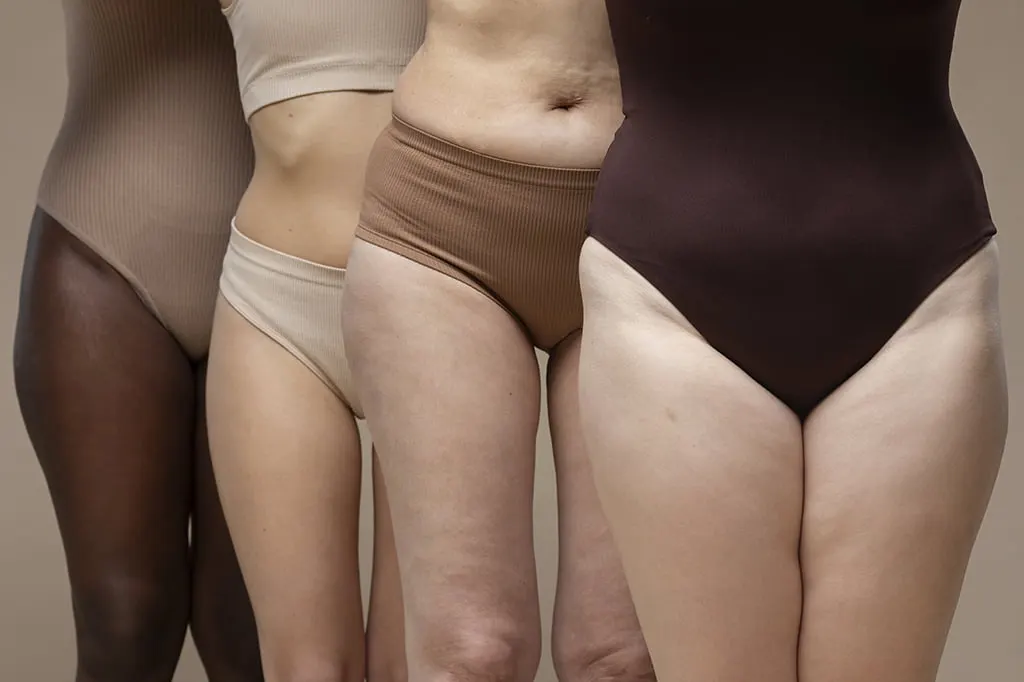
Overindulging and eating heavily during pregnancy can easily cause stretch marks. Although the nutrients a mother eats help her baby grow steadily, when the calories she consumes exceed what the baby needs, the excess nutrients are stored first as abdominal fat, and too much fat causes weight gain during pregnancy, which in turn breaks the collagen fibers and elastin fibers in the dermis and produces stretch marks.
(2) Constitutional factors:
Constitutional factors include your own lifestyle habits, family heredity, and genes, among others. For example, if you stay home for long periods, rarely exercise, and do not massage or care for your belly, your skin lacks elasticity and you have a high chance of developing stretch marks.
In addition, stretch marks are somewhat hereditary: if the expectant mother's own mother also had stretch marks when she gave birth, the chance of developing them is much higher than for others, so careful skin care before pregnancy is still important!
(3) Age at pregnancy:
Doctors usually advise that the earlier you get pregnant and give birth, the better it is for both mother and baby, because after age 35, an older mother's own metabolism is weaker, her skin's elasticity and collagen are less abundant than when she was younger, and the body's ability to repair itself declines, so stretch marks form more easily.
Mommy comeback! A look at the 6 best aesthetic treatments for postpartum moms
Struggling with cellulite? 3 aesthetic treatments that help you get rid of it!
What Do Stretch Marks Look Like, and Where Do They Appear?
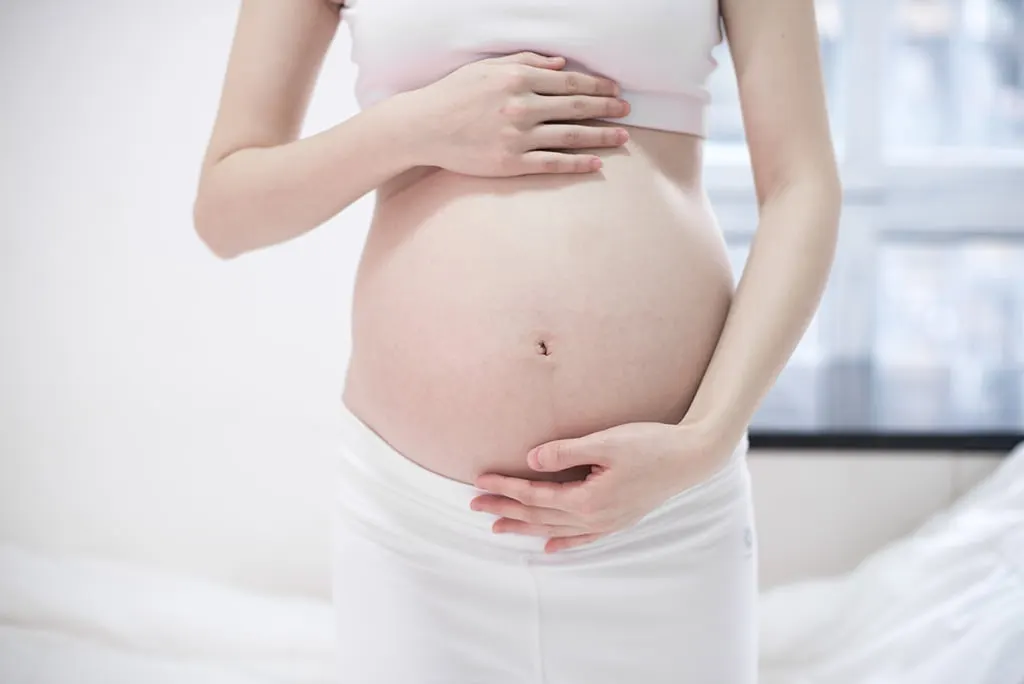
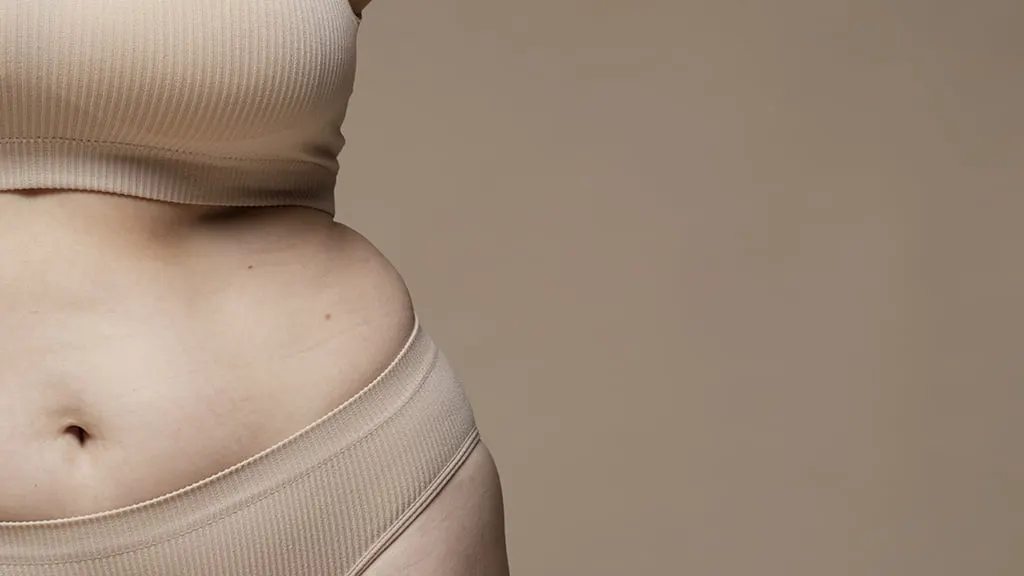
Stretch marks are usually distributed radiating outward from the center of the body, forming parallel or radiating stripes. They usually start as slightly raised light red stripes, then gradually fade and shrink into silvery-white lines, at which point they are very hard to remove.
According to the UK National Health Service (NHS), stretch marks often appear on these body parts: the abdomen, breasts, thighs, buttocks, and upper arms (because the abdomen changes the most before and after pregnancy, stretch marks most often appear on both sides of the abdomen.)
How to Prevent Stretch Marks
(1) Moderate exercise
Moderate exercise during pregnancy helps maintain the skin's elasticity.
(2) Balanced diet
A balanced diet can improve skin quality and help skin look more elastic. Drinking plenty of water also helps the deeper layers of the skin retain moisture, making lines from dryness less likely. The recommended daily water intake depends on each person's body weight, and here is a simple formula: daily water intake = body weight in kilograms (kg) x 30 milliliters (ml = cc)
(3) Weight management
If your weight is well controlled during pregnancy, the belly skin is not stretched suddenly, which eases tension and reduces pigmentation. It is generally recommended that weight gain during pregnancy stay within a reasonable range, with about 10 to 14 kg being appropriate, but this is only a baseline and should be adjusted proportionally according to how slim or heavy the mother is.
(4) Apply lotion regularly
For lotion, you can choose one that contains repairing ingredients such as vitamin E for regular care, which may reduce skin lines caused by dryness or itching. Massage can also promote blood circulation and lower the chance of stretch marks.
If stretch marks make you itchy, do not scratch the area with your fingernails; lotion can help relieve the itch.Pregnant women can also choose more breathable clothing so the skin stays dry at all times; otherwise, poor breathability can easily cause rashes or inflammation, which irritate the skin.
Will Stretch Marks Go Away? Ways to Get Rid of Them
In fact, there is currently no method that can “completely eliminate” stretch marks that have already formed.
However, if you exercise actively after giving birth (core exercises in particular), you may be able to restore the belly's original elasticity, which helps considerably with eliminating milder stretch marks.
If they still cannot be eliminated three or four months after delivery, the only option is to try aesthetic medicine methods such as lasers, surgery, intense pulsed light (IPL), and radiofrequency skin tightening:
(1) Non-surgical stretch mark treatment: Ultraformer

Ultraformer is a non-invasive treatment, using focused ultrasound to deliver energy (65-75°C) to different layers of the skin, producing a thermal effect that tightens and lifts. In addition, the third-generation Ultraformer features MMFU dual-focus technology, micro-point focus and wide-area focus, giving it both lifting and firming capabilities, which is a boon for people today who want non-invasive lifting.
The new-generation Ultraformer MPT: three types of people who absolutely should not miss it!
Ultraformer is so powerful! Inside: the three key reasons ultrasound treatments do not work
(2) Non-surgical stretch mark treatment: Thermage FLX
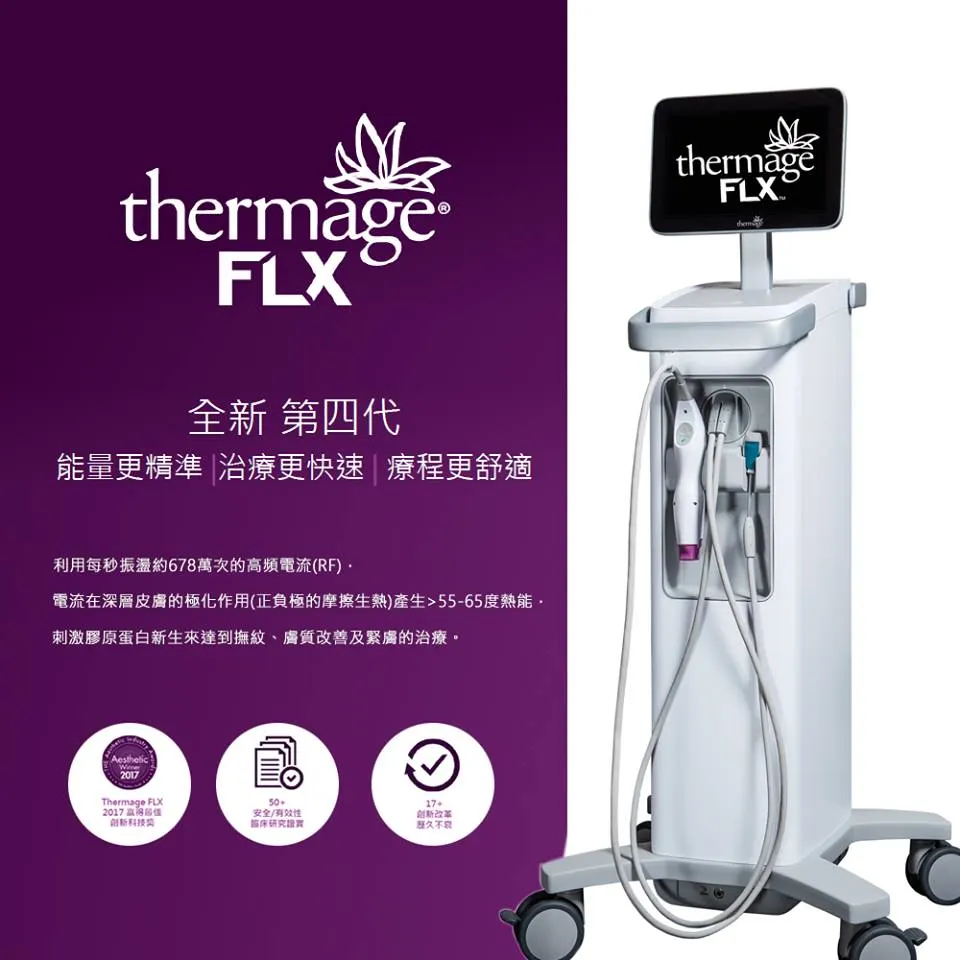
The 4th-generation Thermage FLX follows the lifting principles of earlier radiofrequency devices, and it is a monopolar radiofrequency treatment that likewise uses the principle of electromagnetic volumetric heating to deliver high-energy monopolar radiofrequency deep into the skin, heating it precisely and evenly so that the collagen in the dermis contracts and regenerates, stimulating the body's own collagen to remodel. It can also mildly dissolve subcutaneous fat, improving laxity and eliminating a small amount of fat.
Compared with the 3rd generation, the 4th-generation Thermage FLX adds a function that intelligently calibrates the RF energy based on tissue resistance, so every shot a physician delivers can be more precise through AI. Mainly suitable for: facial aging/laxity, drooping eyelids, and loose skin
Does Thermage FLX hurt? What explains the price differences?
(3) Non-surgical stretch mark treatment: Morpheus8 microneedling radiofrequency
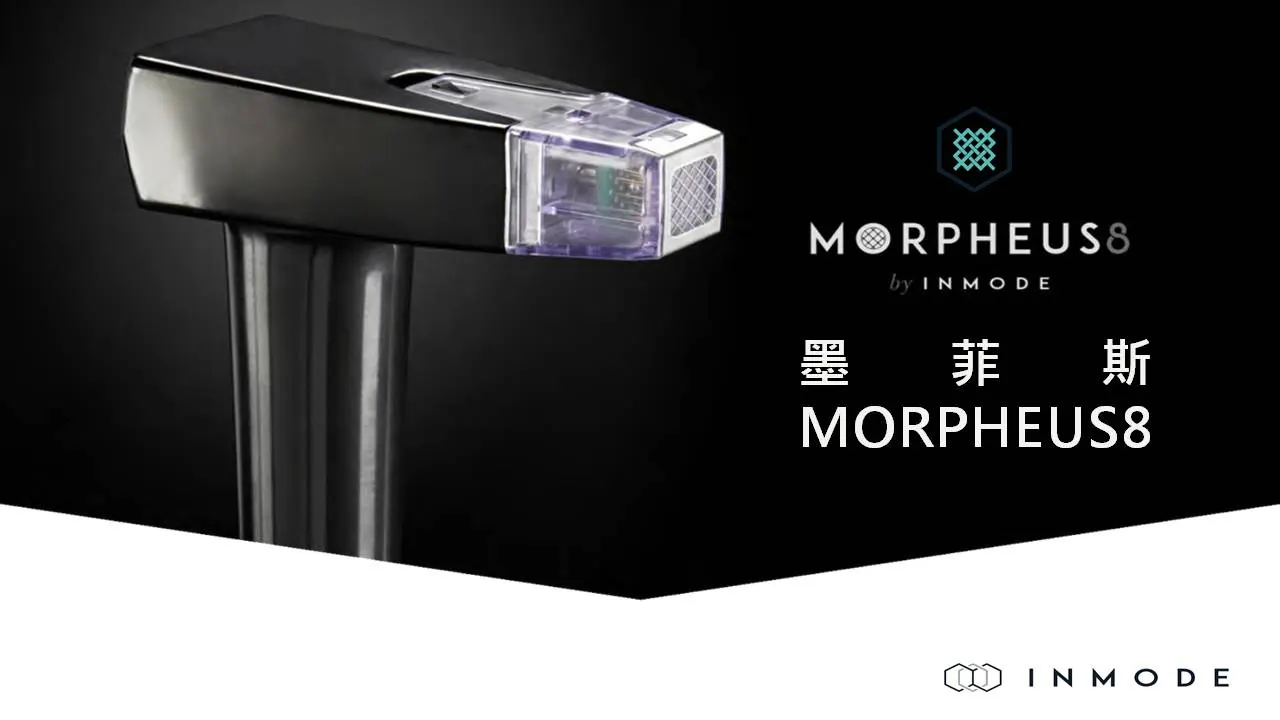
Morpheus8 is the latest “microneedling radiofrequency” treatment, which combines the characteristics of “microneedling” and “radiofrequency”, first using ultra-fine gold-plated microneedles to disrupt the epidermis and dermis and trigger the skin's regenerative response, while the needle tips that reach deep under the skin continuously release radiofrequency energy.
Because the radiofrequency energy is released in the deeper layers of the skin, and the tip of the probe has a non-insulated design, the epidermis is not heated, so it can heat the deep dermis more safely and precisely to stimulate collagen and elastin growth, for lifting, firming, and wrinkle-reducing effects while also treating loose skin, cellulite, stretch marks, and depressions and other skin aging concerns.
A budget alternative to Thermage FLX? Learn what Morpheus8 microneedling radiofrequency is!
(4) Surgical stretch mark treatment: Abdominoplasty (tummy tuck)
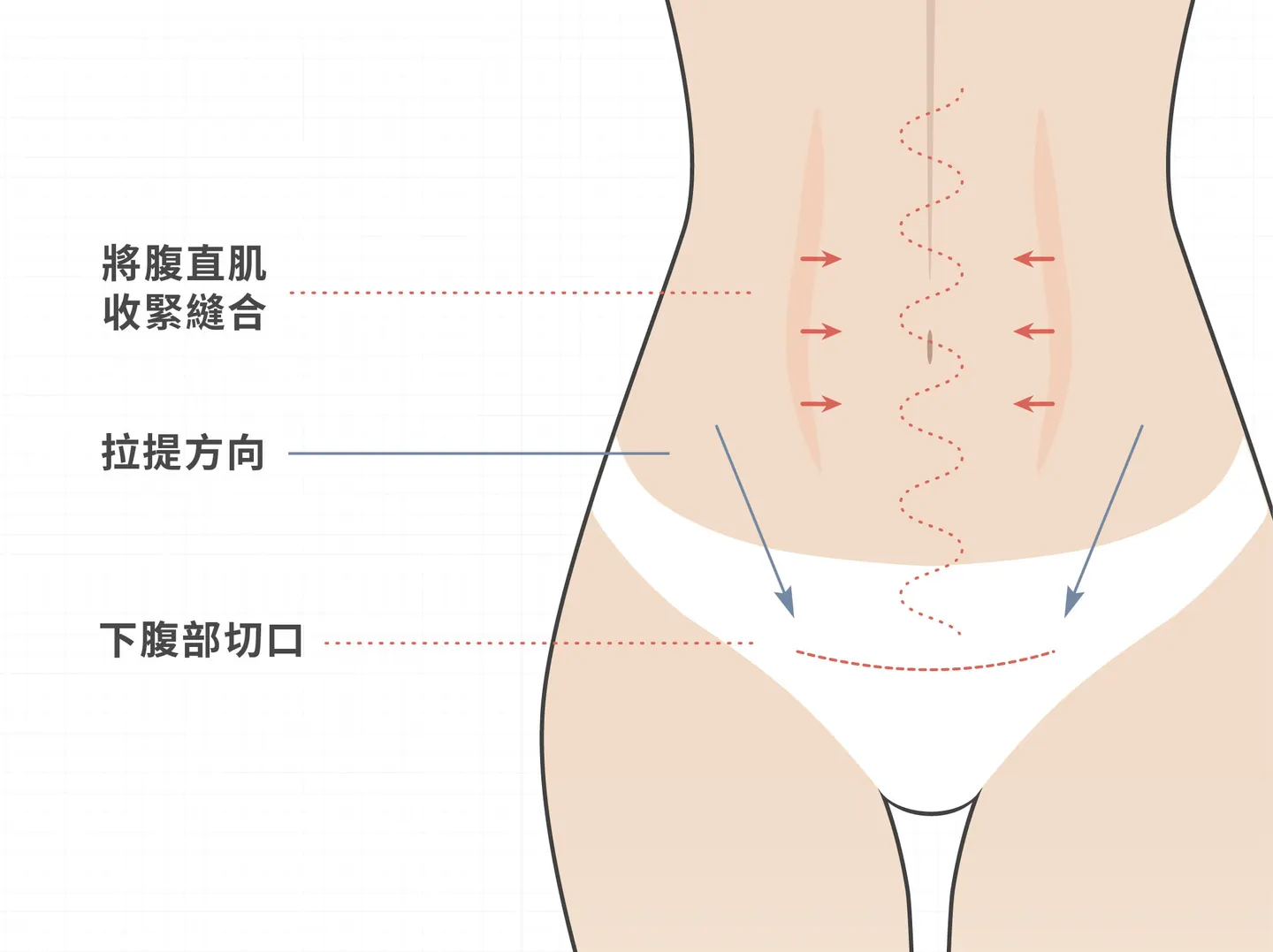
Abdominoplasty (tummy tuck) can indeed reduce the number of stretch marks, tightening away part of them, but it cannot eliminate them completely, because a faint scar remains on the abdomen, which is a drawback of the surgery.
But compared with the large amount of pregnancy and weight-gain stretch marks that were there before, the scar left after surgery is actually faint, and with the whole lower abdomen flattened and large areas of stretch marks and weight-gain stretch marks reduced, most patients do not mind the small surgical scar.
Radiofrequency vs. ultrasound: principles, prices, and who they treat, all explained at a glance!
This article is for general information only. Results vary from person to person; please consult a doctor in person before deciding on any treatment.