Contents
Summer is almost here! Who isn't ready to be a fresh, sweet-smelling girl? What we dread most in summer is sweating. When you think of sweating, what worries you most? Wet patches under your arms when you raise your hands, sweaty palms and feet, sweat all over your chest, and above all, underarm odor. All of these problems can be solved with minimally invasive aesthetic treatments. This article analyzes underarm sweating and ways to stop it, so let's all be fresh, dry girls this summer!
Causes of Underarm Sweating and Hyperhidrosis
Sweating is a normal physiological process and is key to keeping the body at a safe, healthy temperature, and humans balance an overheated body through a built-in cooling mechanism. When the body gets too hot, the sweat glands produce droplets of sweat, and through the tiny openings of the sweat glands the skin surface becomes moist. When the sweat evaporates into the air, it releases heat and cools the body.
But besides causing a damp, sticky discomfort, sweat can even give off an unpleasant smell. Why does sweat smell?
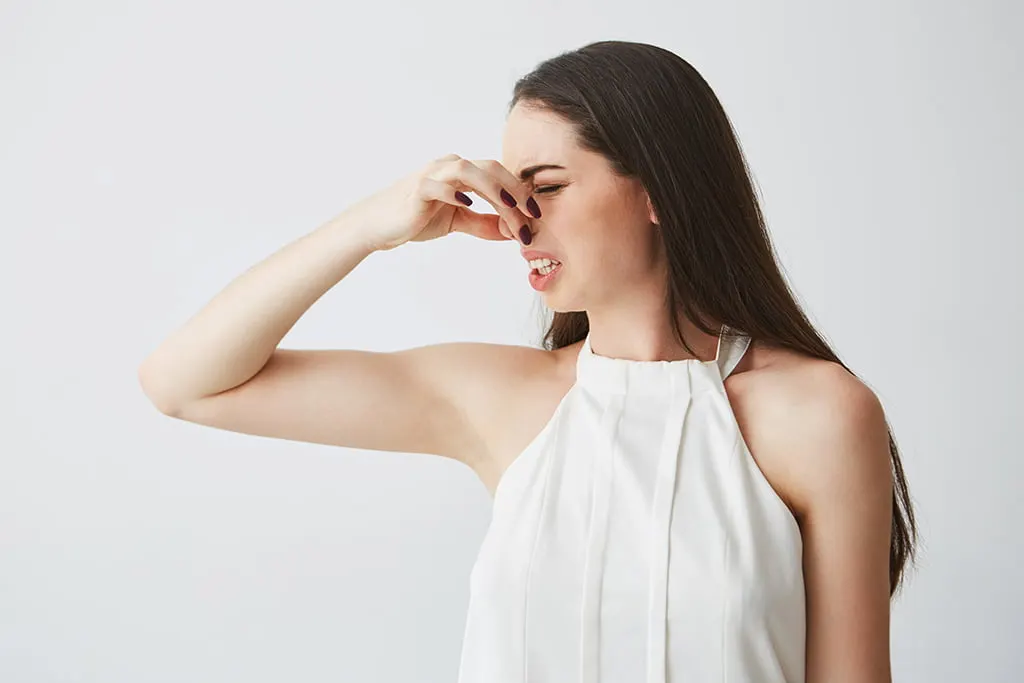
Sweat has a smell because bacteria on the skin surface act on the sweat and oils, producing what we call “body odor.”
What Causes Underarm Odor
The body's sweat glands fall into two types: eccrine glands, which are found all over the body, and apocrine glands, which are found only in the underarms, groin, and breasts. Eccrine glands secrete mostly water-based sweat, while apocrine glands secrete an oily sweat that contains pheromones.
Studies have found that in people with underarm bromhidrosis, the apocrine glands in the underarm skin are denser and larger. The oily sweat secreted by apocrine glands is originally odorless, but after Corynebacteria that normally live on the skin act on it, ammonia and volatile small-molecule fatty acids are produced, creating an unpleasant smell.
What Is Hyperhidrosis?
By cause, hyperhidrosis falls into two main categories: primary and secondary.
Primary hyperhidrosis is mainly caused by overdeveloped sweat glands or an overactive sympathetic nervous system, producing far more sweat than is needed to regulate body temperature, with no other harm to health, and most patients have this type.
Secondary hyperhidrosis is increased sweating caused by an underlying condition, such as a hormonal imbalance or a nervous system problem, and it usually requires treating the underlying disease.
Hyperhidrosis can also be divided by the area affected into generalized and localized types. Localized hyperhidrosis is more common, most often affecting the underarms, palms, soles, and face. It usually occurs symmetrically on both sides, and most people have excessive sweating in more than one area.
Is it “heavy sweating” or “smelly sweat”? Comparing underarm odor treatments
5 Common Ways to Stop Sweating
| Botulinum toxin | Antiperspirant | Oral medication | Surgery | |
|---|---|---|---|---|
| Type of effect | Temporary | Temporary | Temporary | Permanent |
| Duration of effect | 4-6 months | 1-3 hours | 1-3 hours | Permanent |
| Downtime | None | None | None | About 1-2 weeks |
1. Botulinum toxin
By blocking the transmission of the signals that trigger sweating, it inhibits the release of the chemicals that cause sweat, reducing perspiration. The effect lasts 4-6 months, so regular injections are needed.
2. Antiperspirant
Aluminum salt products seep in and block the sweat ducts to suppress sweat secretion. However, their chemical ingredients may raise health concerns such as blocked sweat glands and allergic reactions, and can also cause pigmentation in the underarms.
3. Oral medication
Sweat gland secretion is controlled by the cholinergic nerve fibers of the sympathetic nervous system, so in theory acetylcholine antagonists can be used to treat sweating. However, they cannot improve odor, the symptoms come back once you stop the medication, and they must be taken continuously and can even cause side effects such as nausea and a racing heart, so long-term use is not recommended.
4. Underarm sweat surgery
Options include endoscopic transection or cauterization of the sympathetic nerves, spiral-blade apocrine gland curettage, and VASER liposuction. Beyond requiring a long recovery period, these invasive treatments leave permanent scars, and once nerves are damaged they may also cause compensatory sweating, in which sweat shifts to other parts of the body.
How Botox Stops Sweating and How Soon It Works
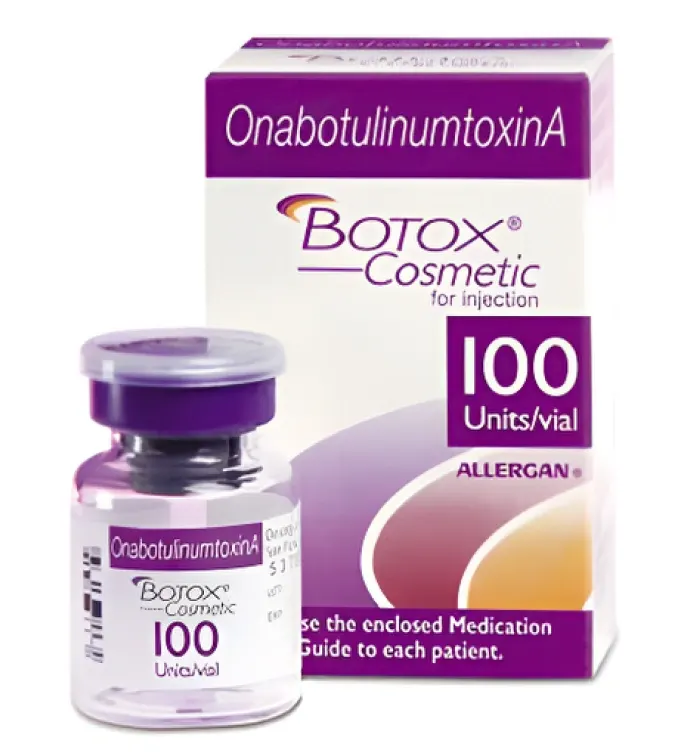
Botulinum toxin has a wide range of uses. Besides smoothing facial wrinkles, it can also reduce the sweat glands' secretion of sweat. Botulinum toxin stops nerve endings from releasing acetylcholine, breaking the connection between the nerves and their endings and suppressing sweating. This improves hyperhidrosis and underarm odor and leaves the underarms dry.A single injection lasts about 4-6 months, and after the injection it gradually starts working within a week. It is a highly safe treatment for sweating, and we recommend getting it before summer so you can stay dry until winter.
Can Botox Cure Sweating for Good?
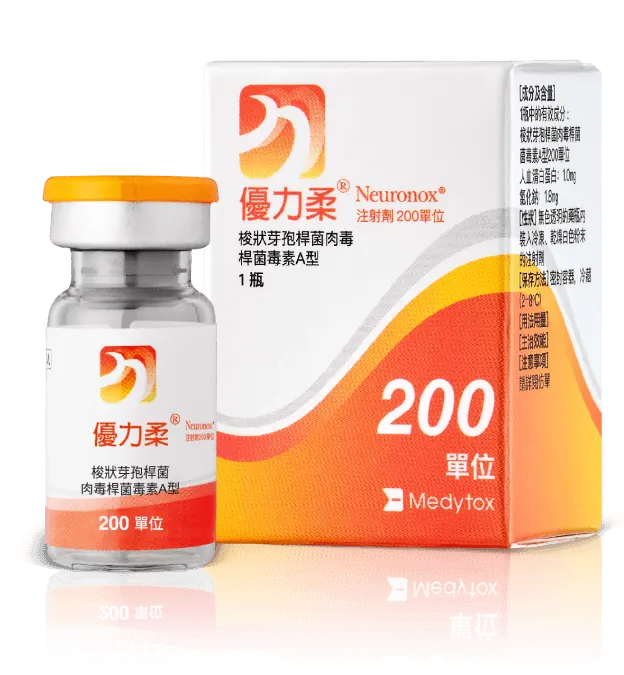
No! At present, treating underarm hyperhidrosis with botulinum toxin requires regular injections. Apart from surgically removing the sweat glands, burning off the sympathetic nerves, or destroying the sweat glands with heat-based devices, there is currently no once-and-for-all solution.
Why is American Botox so popular? A quick guide
Side Effects of Botox for Sweating
Botox injections are highly safe, and side effects are uncommon. Apart from needing regular injections, there are no side effects such as compensatory sweating. At most, the injection site may have temporary bruising, which fades within a week.
Other Q&A
Q: Can Botox treat underarm sweating and also improve underarm odor?
A: Underarm sweating is caused by overactive eccrine glands in the skin, while underarm odor comes from the apocrine glands in the skin, so hyperhidrosis and body odor are two different concepts, and the nerves that control these two types of glands are actually different.
So in theory, botulinum toxin injections can only treat hyperhidrosis, not underarm odor. But in clinical practice an interesting phenomenon can be observed: when botulinum toxin injections reduce the amount of sweat, the odor also decreases. Scientists currently reason that when there is less sweat, the skin is no longer constantly moist, so bacteria do not multiply in large numbers, and with fewer bacteria the odor naturally decreases.
Q: Can I use an antiperspirant after Botox injections?
A: Yes! Although most patients get excellent results after treatment, a few find that the sweat-stopping effect after Botox isn't a perfect 100 percent. In that case, using an antiperspirant as a supplement is fine!
This article is for general information only. Results vary from person to person; please consult a doctor in person before deciding on any treatment.