Contents
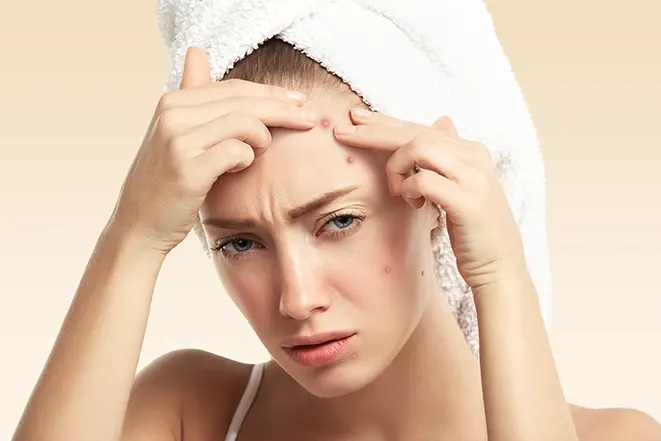
Do you also itch to squeeze a pimple the moment it appears, and end up with a face full of pits and scars after popping them carelessly? In fact, scars can form whether you squeeze a pimple or not. This article sets out the 3 causes and types of acne scars, the treatments for each, how to tell whether a pimple is suitable for popping yourself, and tips for popping pimples correctly. If acne scars bother you, be sure to read to the end for our recommended secret weapons for getting rid of them!
What Acne Scars Are and What Causes Them
Inflammation from comedones and acne causes pigmentation in skin tissue and can even permanently damage it. Depending on the degree of inflammation and infection, the tissue repairs and heals in different ways, forming acne marks or acne scars on the skin:
1. Acne marks
Acne marks are dilated blood vessels and pigmentation caused by the inflammatory irritation of a pimple, and they usually fade gradually over time.
- Red marks
While a pimple is inflamed, the capillaries around it dilate and multiply, forming red marks. They usually heal gradually within a few weeks after the pimple clears, and are also called pseudo-scars.
- Dark marks
Usually black or brown. After a pimple damages skin tissue, melanin is deposited on the skin surface, leaving the skin dull and uneven. They are generally harder to fade than red marks and need longer care to improve.
2. Acne scars
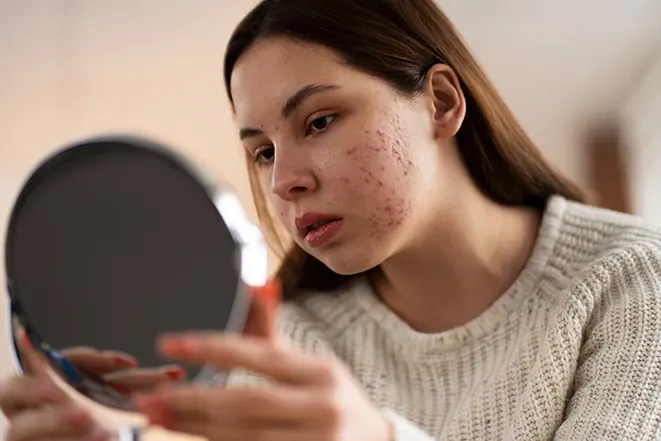
Scars caused by severe acne inflammation and skin tissue damage, usually appearing as depressed or raised. Compared with acne marks, they take longer and more professional treatment to improve or remove.
- Raised scars
Because of abnormal wound repair, when fibroblasts are overactive they accumulate too much collagen, causing tissue overgrowth, so the scar rises above the skin surface. They commonly occur along both sides of the jaw, the chin, ears, chest, back, and arms.
- Depressed scars
When the wound from a pimple is too deep, scar tissue overgrows during healing and pulls on the normal collagen structure beneath the skin, causing a large loss of collagen and a depression, which results in depressed acne scars. Depressed scars are mainly divided into three types: rolling, boxcar, and ice pick:
(1) Rolling
Seen from the side, it looks as if a wheel has rolled over the skin, with a bowl or saucer shape. Underneath the scar there are often bundles of scar tissue fibers pulling downward, connected to the subcutaneous fat layer or fascia. Rolling scars are relatively shallow and respond better to treatment.
(2) Boxcar
The border between normal skin and the scar looks like a cliff, with a nearly vertical drop, so it resembles a square boxcar. Boxcar scars are of medium depth and respond moderately to treatment.
(3) Ice pick
The depressed area is small, but it is very deep, as if pierced by an ice pick. These scars are quite difficult to treat, and sometimes surgical excision and suturing are required to remove them.
- Acne scars vs. acne marks
| Raised acne scars | Depressed acne scars | Acne marks | |
|---|---|---|---|
| Surface | Raised | Depressed | Flat |
| Color | Red, bluish-purple, or dark brown-black pigmentation | Red, bluish-purple, or dark brown-black pigmentation | Red, bluish-purple, or dark brown-black pigmentation |
| Depth | Varies; some reach the dermis | Varies; some reach the dermis | Shallower |
| Cause | Overactive skin fibroblasts and excess collagen growth | Severe acne infection, with fibrosis or collapse of subcutaneous tissue | Blood vessel proliferation or melanin deposition caused by acne inflammation |
| Type | Hypertrophic scar Keloid | Rolling Boxcar Ice pick | Red marks Dark marks |
3 Main Causes of Acne Scars
1. Collagen loss
When acne or comedones form, the skin can develop an inflammatory response that damages or depletes collagen, leading to scar formation.
2. Squeezing pimples yourself
Squeezing a pimple yourself can spread the infected area, causing more pimples, or push the infection deeper into the skin, making scarring worse.
3. Genetics
Some people are naturally prone to scarring because of genetics, body constitution, and other factors, so when they get acne, their skin tends to scar.
Can You Pop Pimples? The Growth Cycle Is the Key
Whether you can pop a pimple yourself depends on its growth cycle. A pimple's growth can be simply divided into 3 stages: comedones, white pustules, and papules/pustules. Here is how to handle each one.
1. Comedones
A pimple first appears on the skin as a comedone. Depending on whether the surface is covered with keratin, comedones can be further divided into 2 types: blackheads and whiteheads.
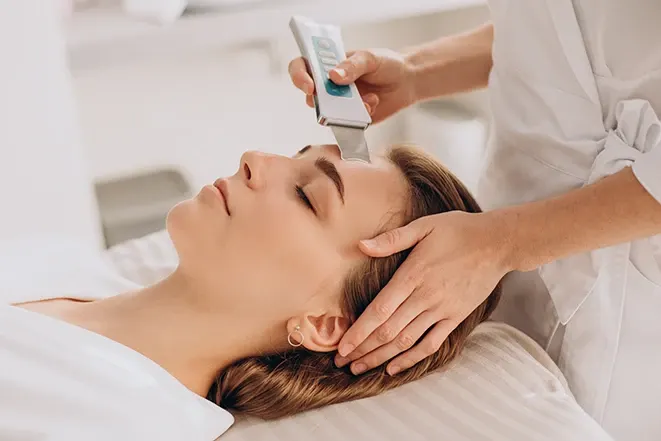
Whether blackheads or whiteheads, comedones can be removed by manual squeezing or picking. But note that a comedone is a teardrop shape, narrow at the top and wide at the bottom, so if the technique isn't professional, the oil deep inside is hard to clear completely. Therefore, we don't recommend squeezing or picking at them at home. Not only will you fail to truly improve the comedones, but bacteria and dirt left on your hands may even increase the risk of infection and inflammation. We suggest consulting an aesthetic clinic to improve comedones with professional techniques, or through aesthetic treatments such as HydraFacial and similar procedures.
2. White pustules
It's commonly assumed that once a pimple grows a white head of pus, you can go ahead and squeeze out the “pustule.” But be careful: popping pimples easily causes infection. Always wash your hands thoroughly to reduce the risk of bacterial contact, and gently clear the pustule completely so that no wound is left behind. In addition, if you've squeezed 2-3 times and still can't get the pus out, don't keep forcing it, to avoid unnecessary damage to your skin that could make the acne worse.
3. Papules and pustules
If a pimple isn't handled properly at the comedone or white pustule stage, infection by acne bacteria (Cutibacterium acnes) can trigger an inflammatory response and develop into papules and pustules. Squeezing or picking at this point easily aggravates the inflammation and makes redness and swelling worse. For papules and pustules caused by acne bacteria, you can use skincare products containing acids or bakuchiol, which help improve acne bacteria infection.
Learn more
The causes of comedones revealed! A quick guide to prevention, pitfalls, and skincare tips
A complete guide to saying goodbye to comedones: refresh your skin!
5 Tips for Popping Pimples Correctly
Tip 1: Only pop pimples with a white head
Closed pimples must never be squeezed casually, because squeezing one with no head will inflame the area again and may even make it worse. So the first step in popping a pimple is that you must see a head of pus before squeezing it.
Tip 2: Clean your hands and face
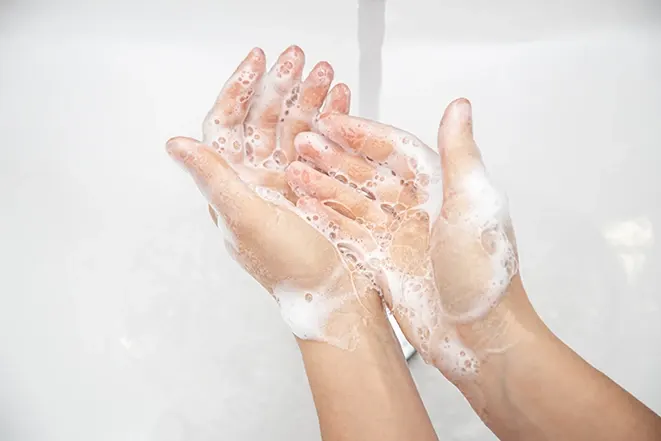
Before popping a pimple, be sure to wash your hands and face thoroughly, so that bacteria don't cause a secondary skin infection and inflammation during the process.
Tip 3: Use tools
When popping pimples, try not to press directly with your fingers. Instead, use tools such as an acne extractor, comedone tweezers, or cotton swabs, and apply even pressure to avoid injuring the area.
Tip 4: The golden 30 seconds
Squeezing a pimple for a long time only puts more strain on the skin and raises the chance of scarring, so follow the “golden 30 seconds” rule. If, within that time, you can't get it out, we recommend not squeezing any further.
Tip 5: Aftercare
Even after popping, a pimple can become inflamed and fill with pus again, so afterward, remember to clean the wound, and we recommend applying an acne ointment recommended by your doctor to protect the wound from bacterial reinfection and help reduce swelling and redness.
Different Acne Scars, Different Treatments
Once you know which type of acne scar you have, which method should you choose to get rid of it? Here are the treatments suited to each type, for your reference:
1. Acne marks
These are pigmentation-type acne scars with a flat surface that naturally fade over time and may even disappear. To speed up recovery, you can use fruit-acid peels and picosecond laser to help, with options such as intense pulsed light (IPL), pulsed dye laser, picosecond laser, and laser toning.
- Fruit-acid peel:
A fruit-acid peel can perform functions such as exfoliation, speeding up skin cell turnover, and stimulating new cell growth. It also suppresses excess facial oil, leaving skin softer, brighter, smoother, and more elastic, so it can treat acne, acne scars and other superficial scars, and pigmentation.
- IPL:
IPL directs light energy at the pigmented areas of the skin surface, breaking down melanin to gradually fade scars. For acne and pigmentation concerns, IPL can promote collagen regeneration, boost blood circulation, and support lymphatic detoxification, improving the skin's ability to repair itself.
- Pulsed dye laser:
A pulsed dye laser is mainly used for reddish skin concerns. It works by using the absorption of the laser wavelength by hemoglobin to suppress the sebaceous glands while also destroying abnormally dilated and overgrown capillaries, reducing the redness and swelling caused by acne and restoring an even skin tone.
- Picosecond laser:
Picosecond laser applies high pressure to the melanin beneath the skin, shattering it into tiny particles so that the body absorbs the melanin and eliminates it.
- Laser toning:
Laser toning for acne scars works by selectively absorbing melanin, achieving removal of aged keratin and shattering of melanin to lighten skin spots and imperfections. It can also heat the dermis to stimulate collagen regeneration, improving acne and breakouts and restoring smooth, refined skin.
2. Raised acne scars
- Steroid injections:
Injected directly into the scar, it works quickly and noticeably, and can suppress fibroblast formation to stop collagen from continuing to overgrow, but it has more side effects and is not suitable for large areas of scarring.
- Cryotherapy:
Scars are treated with low-temperature liquid nitrogen, which general dermatology clinics can perform, and it can regulate the activity of cells and collagen within the scar. Treatment takes longer, but it can be as effective as steroids, and has fewer side effects and is suitable for large areas.
3. Depressed acne scars
- Laser and light therapy:
These include fractional laser, honeycomb picosecond laser, air pulse, and StarWalker picosecond laser and other treatments, all aimed mainly at reducing the height difference between the depressed area and normal skin while promoting collagen growth.
(1) Fractional laser
Uses the thermal energy of an ablative laser to damage epithelial tissue and create tiny wounds that promote the skin's natural repair, regenerating healthy skin tissue to improve depressions. It is especially suitable for improving pores, pits, and acne scars and similar concerns.
(2) Honeycomb picosecond laser
Honeycomb picosecond laser is built on picosecond laser, with the addition of a “honeycomb” handpiece, which can treat the dermis more deeply, stimulating the skin's own repair function and creating strong regenerative capacity, promoting skin cell regeneration and renewal, and thereby helping improve enlarged pores, depressed scars, and other skin concerns.
(3) Air pulse
Instead of needles, it uses “high-speed pressurized gas.” A high-tech device produces instantaneous high-speed, high-pressure gas kinetic energy that jets skin-rejuvenating ingredients into the deeper layers of the skin, triggering the body's own wound repair, promoting collagen growth, and effectively treating ice pick scars.
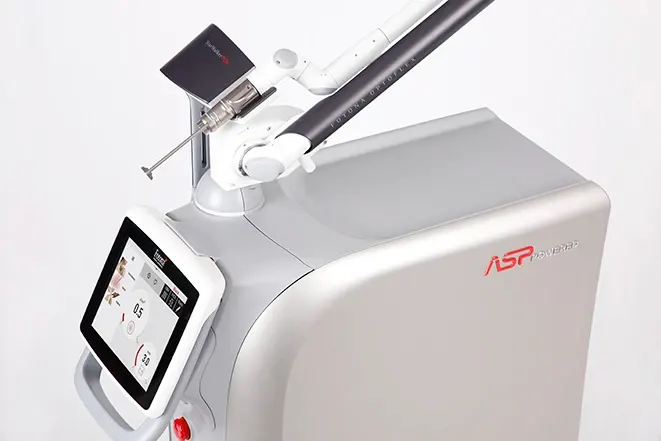
(4) StarWalker PQX
It acts on the skin with extremely short pulse durations, and the ultra-fast pulse energy can break down melanin and pigmented spots more effectively and remove tattoos. Combined with photothermal effects, it also promotes collagen growth and skin tissue repair, and can treat many skin concerns, including pigmented lesions such as freckles and melasma, improving depressed acne scars and enlarged pores, smoothing wrinkles and fine lines, and stimulating skin renewal to improve uneven skin tone.
- Filler treatment:
Fill the depressions directly with hyaluronic acid filler, or use Sculptra, Ellansé, and other collagen stimulators, to promote collagen regeneration in the depressions. This is suitable for rolling acne scars.
- Subcision:
Cutting the fibrous bands beneath the depressed skin, so that they no longer keep pulling the depressed scar downward. It usually works better when combined with other treatments.
- Acid peels:
Such as fruit-acid or mandelic-acid peels, which promote turnover of the excess keratin layer to reduce the height difference with the acne scars, but they work only on shallow acne scars and shouldn't be used frequently.
- Surgery:
Removing a small piece of skin tissue from another area (such as behind the ear) to fill the depression, or directly excising the depressed acne scar and suturing it closed.
Learn more about StarWalker picosecond laser
A laser with no rebound darkening! How StarWalker picosecond laser improves skin conditions
This article is for general information only. Results vary from person to person; please consult a doctor in person before deciding on any treatment.