Contents
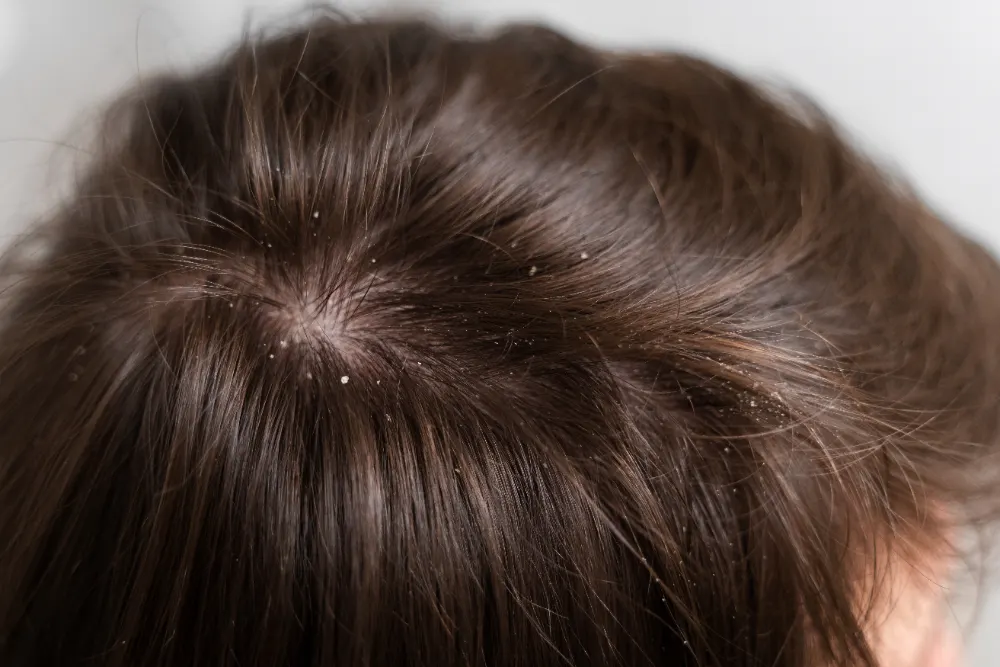
Do you find small bumps when you wash your hair, sometimes with itching? Scalp pimples are very common and are closely tied to your daily habits. Ignoring them can lead to hair loss or even baldness. But are these red bumps really that different from folliculitis? This article explains how the two differ, what causes them, and how to deal with them.
What Causes Scalp Pimples? Is It Just Not Washing Your Hair Well Enough?
Many things can cause pimples, and they can still appear even when you clean and care for your scalp properly. Here are some common causes:
Too Little or Too Much Cleansing
The scalp has more than 100,000 hair follicles, and each one produces oil, so the scalp gets oily quickly. Some people therefore use cleansers with strong degreasing ingredients, such as soap-based ones, to remove dirt and oil from the scalp, but over-cleansing disrupts normal sebum secretion, irritates the scalp, and upsets the balance of the scalp microbiome, which can lead to redness, itching, pimples, and dandruff. In addition, items that often touch your head should be cleaned regularly, for example helmet liners, pillowcases, and towels.
Too Much Stress
Stress is one of the biggest factors affecting body functions (the immune and endocrine systems). If you tend to suppress your emotions, carry a lot of stress, or keep an irregular day-and-night schedule, it may raise the levels of adrenaline and cortisol in your body, affecting immunity and the endocrine system, and the scalp may also become itchy, red, swollen, or break out in pimples.
Eating Habits
Eating too many high-sugar, high-fat foods over a long period can raise blood sugar and insulin secretion, leading to hyperinsulinemia, which may cause abnormal keratinization and epidermal hyperplasia, which in turn block hair follicles, stimulate androgen production, and increase oil secretion. Cut back on the following foods:
- Dairy: milk, sliced cheese
- High sugar: desserts, sweetened drinks, mango, watermelon, bread
- High salt: cured foods, sausage, bacon
- High fat: fried foods, processed butter, lard, peanut butter
Are Scalp Pimples Related to Folliculitis?
Both involve inflammation, but their causes are quite different. Pimples are inflammation caused by excess sebum or blocked follicles, while folliculitis is an inflammatory reaction caused by bacteria or fungi invading the hair follicle. Most cases of folliculitis clear up on their own, but severe infections or repeated flare-ups may lead to hair loss, so seeking medical help is recommended. Like the face, the scalp ages as we get older, leading to dehydration, dryness, dandruff, and hair loss, and when the skin is dehydrated it is also more prone to scalp pimples.
| Scalp Pimples | Folliculitis | |
|---|---|---|
| Cause | Excess sebum or blocked follicles | Infection of the follicle by bacteria or fungi |
| Appearance | Red papules and pustules (somewhat like comedones) | Small, red, inflamed bumps that may contain pus |
| Prevention | Proper cleansing; avoid high-fat foods | Use gentle shampoo products; keep the scalp dry |
| Who Is Prone | Oily skin, puberty, menstrual periods | Staying up late, poor lifestyle habits |
| Common Complications | Scarring, hyperpigmentation | Cellulitis, permanent hair loss |
Am I Prone to Scalp Pimples?
People Who Sweat Easily
Put simply, any overly humid or stuffy environment makes it easy for bacteria to multiply, so people who have to wear helmets or hats for long periods (commuters, soldiers, baseball players, and so on) are more prone to scalp pimples.
People Who Produce Excess Oil
Heavy oil production can clog pores and may also trigger folliculitis, and people in puberty or who are naturally oily are the groups most likely to be affected.
How to Get Rid of Scalp Pimples: Change These 6 Habits
Keep Up Good Lifestyle Habits
Get enough sleep, eat a balanced diet, avoid staying up late, and stay out of high-stress situations. You can also eat more foods rich in omega-3 unsaturated fatty acids, for example: salmon, avocado, kiwi, and guava, which help ease inflammation and provide antioxidants.
Wash Bedding and Personal Items Regularly
Wash pillowcases, head scarves, helmet liners, combs, and anything else that touches your scalp every week.
Choose Gentle, Non-Irritating Hair Products
Avoid hair products containing irritating ingredients such as fixatives, fragrance, preservatives, petrochemical surfactants (SLS), and silicones, and stop using heavy or greasy products where possible. Prefer gentle, oil-controlling ingredients, for example saw palmetto, eucalyptus, and glycyrrhetinic acid.
Wash Your Hair Right After Heavy Sweating
When sweat mixes with scalp oil, it easily forms greasy buildup and blocks pores, so shower as soon as possible after heavy sweating. If that is not convenient, rinse with plain water first to carry away water-soluble dirt.
Don't Scratch Your Scalp with Your Nails
Some people scratch the scalp hard with their nails to get it clean or to relieve itching. This actually injures the scalp, and bacteria under the nails can get into the wounds and cause repeated infections.
Don't Pop Pimples
Scalp pimples are not much different from facial acne: they bring redness, itching, pus, and so on, and need at least 5-7 days to recover. In addition, the scalp is more fragile than the face, and if pimples are not handled correctly and cleanly, repeated infection and inflammation become more likely, and in severe cases it may lead to baldness or hair loss
Can Aesthetic Medicine Help With Scalp Pimples?
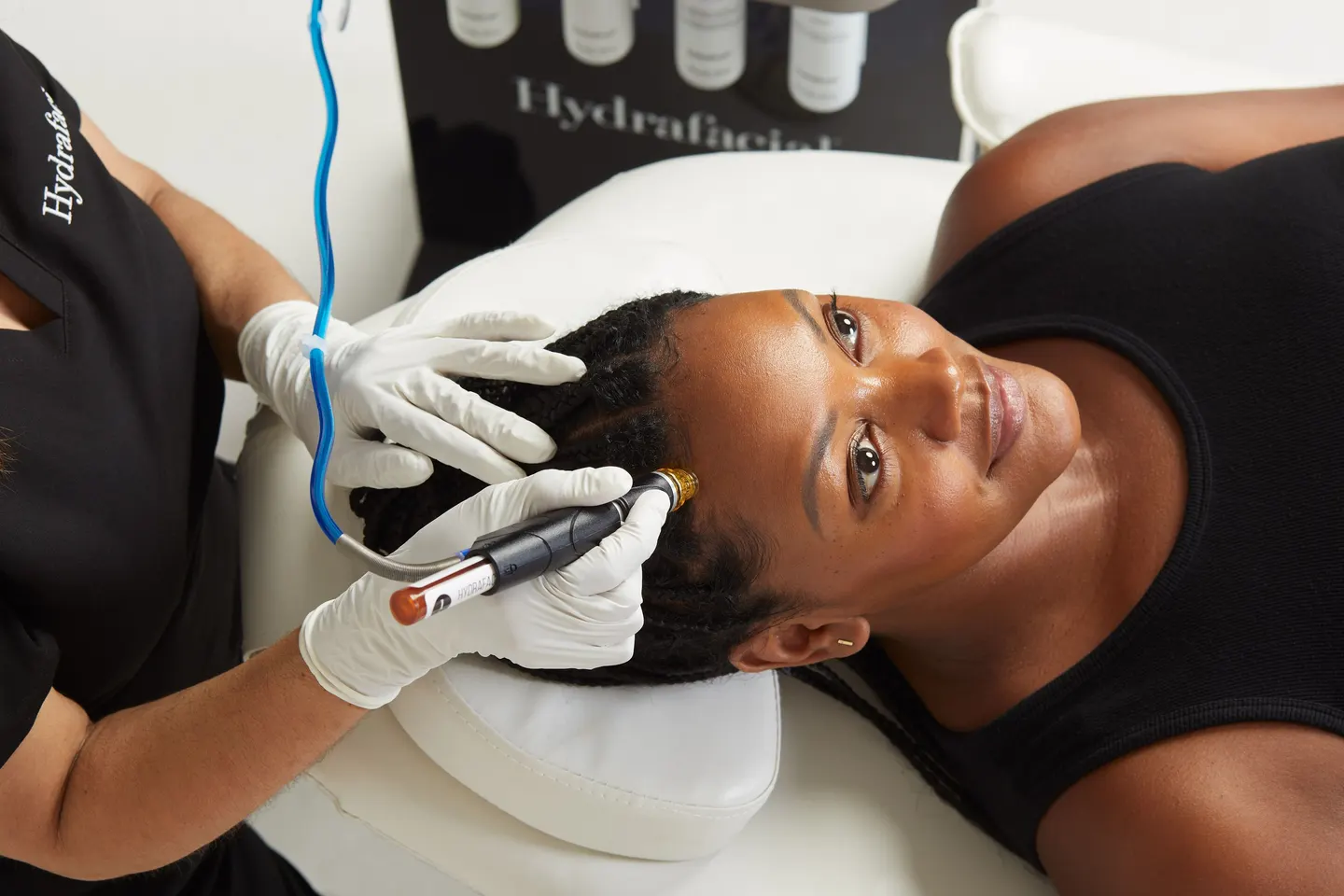
HydraFacial can be used on the scalp, not just the face, with a dedicated scalp probe and the manufacturer's own serum for deep cleansing that removes dead skin cells and dirt while hydrating, followed by infusion of a nourishing serum. Scalp HydraFacial follows the same 3 steps as the facial version: cleanse + exfoliate, infuse + nourish, extend + maintain. What sets it apart is that scalp HydraFacial has its own serum, rich in growth factors and proteins, to support a healthy scalp, and you also get a home-care spray at the end so you can keep up the care.
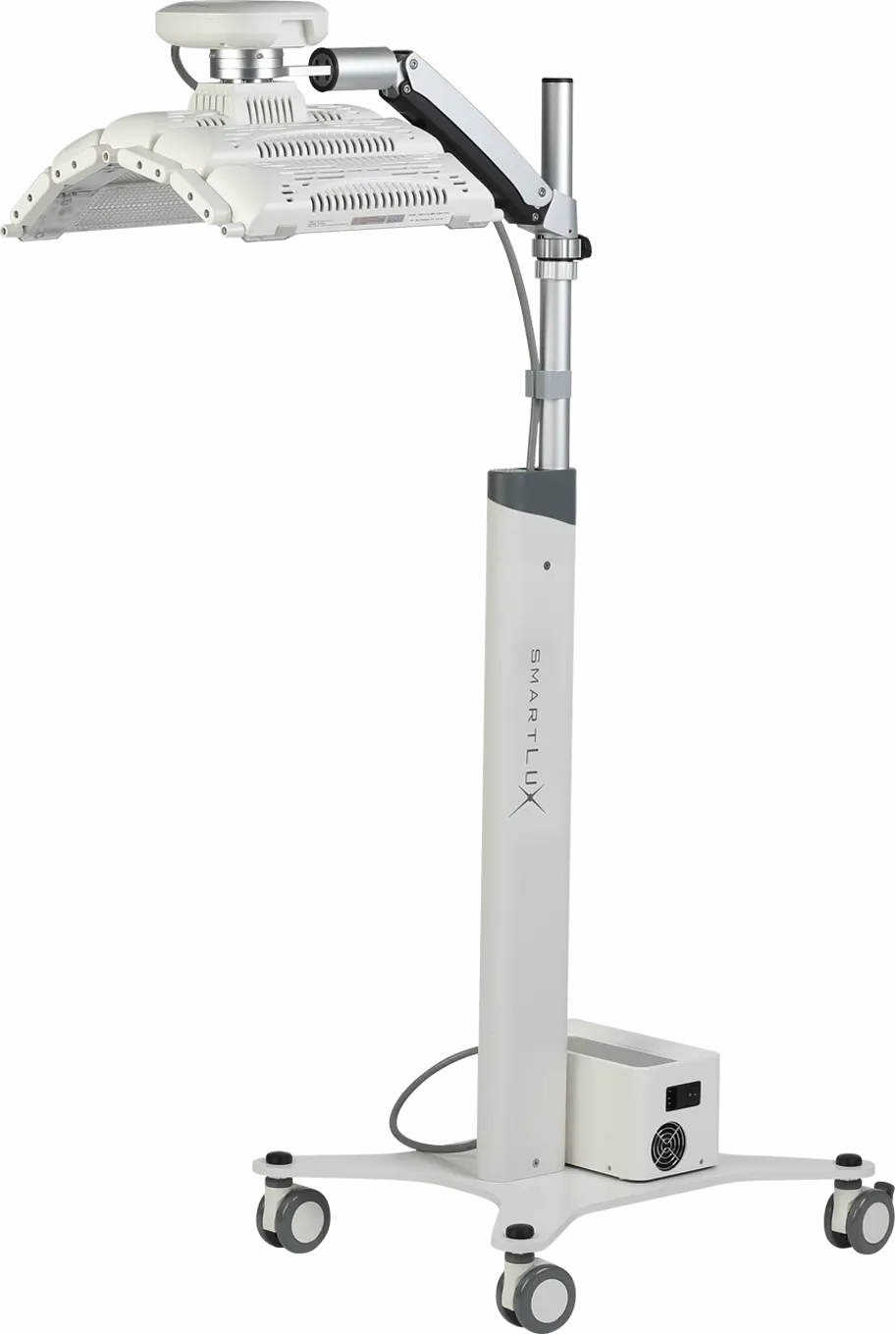
In addition, before treatment NAISS CLINIC performs a scalp analysis, checking the crown, forehead, and both sides for pores, oil secretion, hair density and thickness, and more. We also offer seyo and a light therapy device to help build a healthy scalp. Seyo penetrates the epidermis at supersonic speed to deliver serum precisely into the dermis, while the light therapy device lets us choose different energy levels and wavelengths for different effects:
- Low-level light: promotes hair growth and scalp health
- Focused light: improves blood circulation and supports hair growth
- Blue light: kills bacteria, reduces inflammation, and inhibits bacterial growth
What is the water jet peel everyone loves? The painless way to clear out blackheads
FAQ
Can scalp pimples cause baldness?
The two are not directly related, but severe inflammation can damage hair follicles, and if it drags on too long the follicle tissue may be badly destroyed, causing the follicles to shrink or die, which indirectly leads to baldness.
How long does folliculitis take to heal with treatment?
With normal immunity, folliculitis usually clears up on its own in about 1-2 weeks without treatment, but if treatment is needed, how long depends on severity and can range from a few weeks to several months! Follow your doctor's instructions and do not stop treatment on your own.
Do the functional shampoos sold on the market work?
If symptoms are already severe, it is best to see a doctor and follow medical advice. If you use a regular functional shampoo from the market (anti-dandruff, oil-control, conditioning, etc.), look into the ingredients:
- Selenium Sulfide: hair may feel greasy, and dyed hair may fade
- ZPT (Zinc Pyrithione): irritating to wounds, and a small number of people are allergic
- Ketoconazole: not recommended for pregnant women or young children
- Benzoyl Peroxide: bleaches hair color
- Salicylic Acid: can dry out the scalp
- Tar: raises cancer concerns
This article is for general information only. Results vary from person to person; please consult a doctor in person before deciding on any treatment.