Contents
What?! You don't prioritize aftercare? Then you're really missing out! Never assume that once you've paid for an aesthetic treatment, the job is done. Aftercare is key to the whole procedure; without proper care, results and how long they last can be greatly affected! This article rounds up the essential aftercare for several popular aesthetic treatments, collecting information from across the web for you. Share it with friends before you start, and let's take in the guide together!
Aftercare for Botulinum Toxin
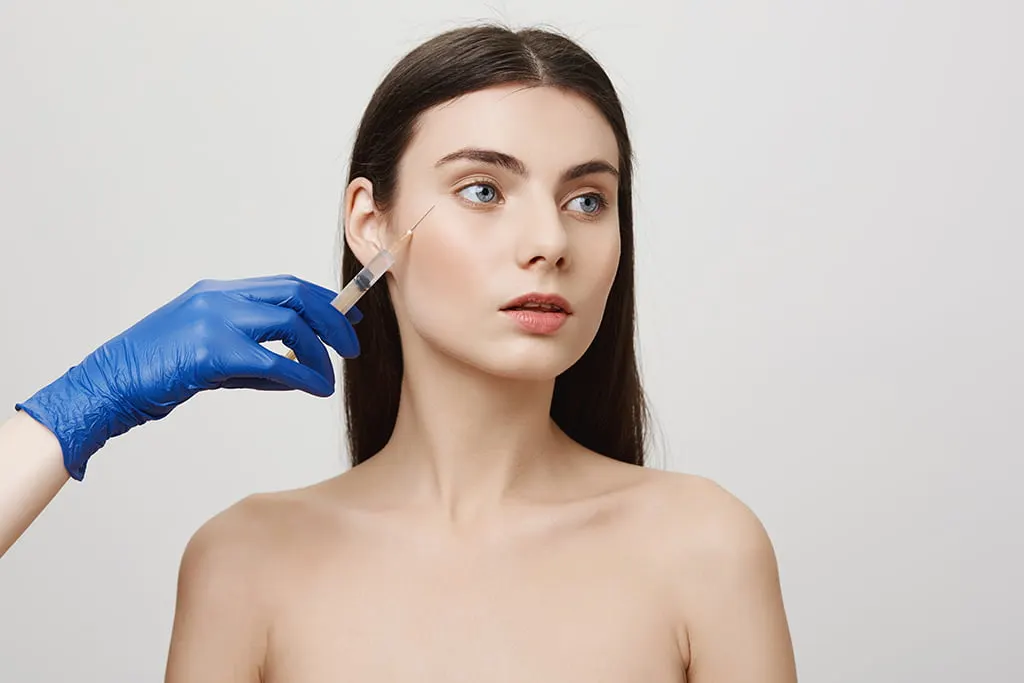
Among injectable treatments, the most popular choice is botulinum toxin, which is mainly used to improve dynamic lines such as forehead lines and crow's feet. It can also improve overdeveloped muscles, such as the masseter and calf muscles, and can even reduce sweat secretion, improving underarm odor and hyperhidrosis.
The effect lasts about 4-6 months, but this varies with individual lifestyle habits, constitution, and so on.
After botulinum toxin injection, the skin basically has only tiny injection wounds. An ointment is usually provided to apply at home afterward; just use it as your doctor instructs.
Why is American Botox so popular? A quick guide
Are wrinkles dynamic or static? How Botox keeps dynamic lines from becoming static lines
Special Precautions:
(1) Do not press hard on or massage the injected areas for 24 hours after treatment, and avoid overheated places such as saunas, hot spring baths, and heat chambers.
(2) For skincare, we suggest pairing with anti-aging ingredients such as peptide complexes, high-purity vitamins, EGF, idebenone, grape seed, and natural plant extracts
(3) As for diet, you need to avoid irritating and spicy foods and alcohol, which helps the skin repair at its best.
Is it “heavy sweating” or “smelly sweat”? Comparing underarm odor treatments
Aftercare for Picosecond Laser
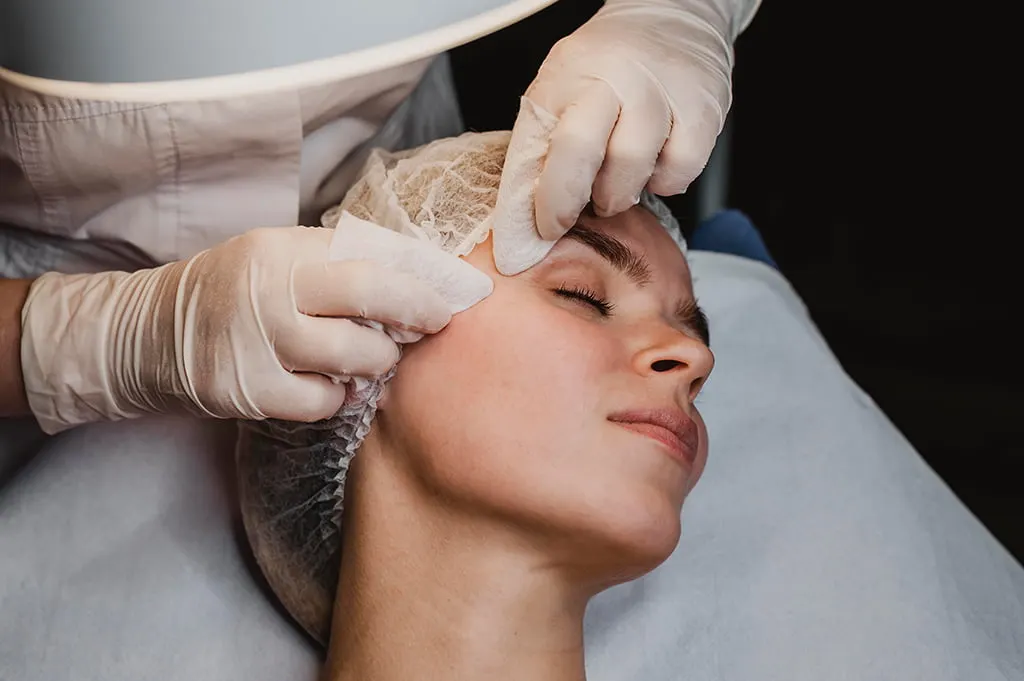
Picosecond laser uses the photoacoustic shockwave principle to break down melanin and speed up metabolism, and is mainly used to improve dark spots, uneven skin tone, and enlarged pores and similar concerns. For the best results, we recommend that for 2 weeks before and after treatment, you avoid any whitening skincare routines, as well as exfoliation, excessive sun exposure, and acid peels.
How do you get rid of acne scars? Analysis and blind spots fully explained
What to do about enlarged pores!? Can picosecond laser really improve them?
Key Aftercare Points:
(1) When treating deep and superficial spots, a 5-10 day scabbing recovery period is needed (scabbing varies with each person's spot concerns).
(2) If you want to wear makeup the day after treatment, have your doctor evaluate first; unless necessary, we suggest pausing makeup and letting your skin rest for better overall results.
(3) For the first week after treatment, do not apply any acid-containing medications or skincare products, acne medication, exfoliants, whitening ingredients, or alcohol-containing ingredients.
(4) Focus on “moisturizing” in your aftercare, and strengthen daytime protection with sunscreen and physical sun protection (such as jackets, parasols, and masks). For the first week, avoid sunbathing, saunas, hot springs, barbecues, and any other activity that raises skin temperature.
Aftercare for Radiofrequency Skin Tightening
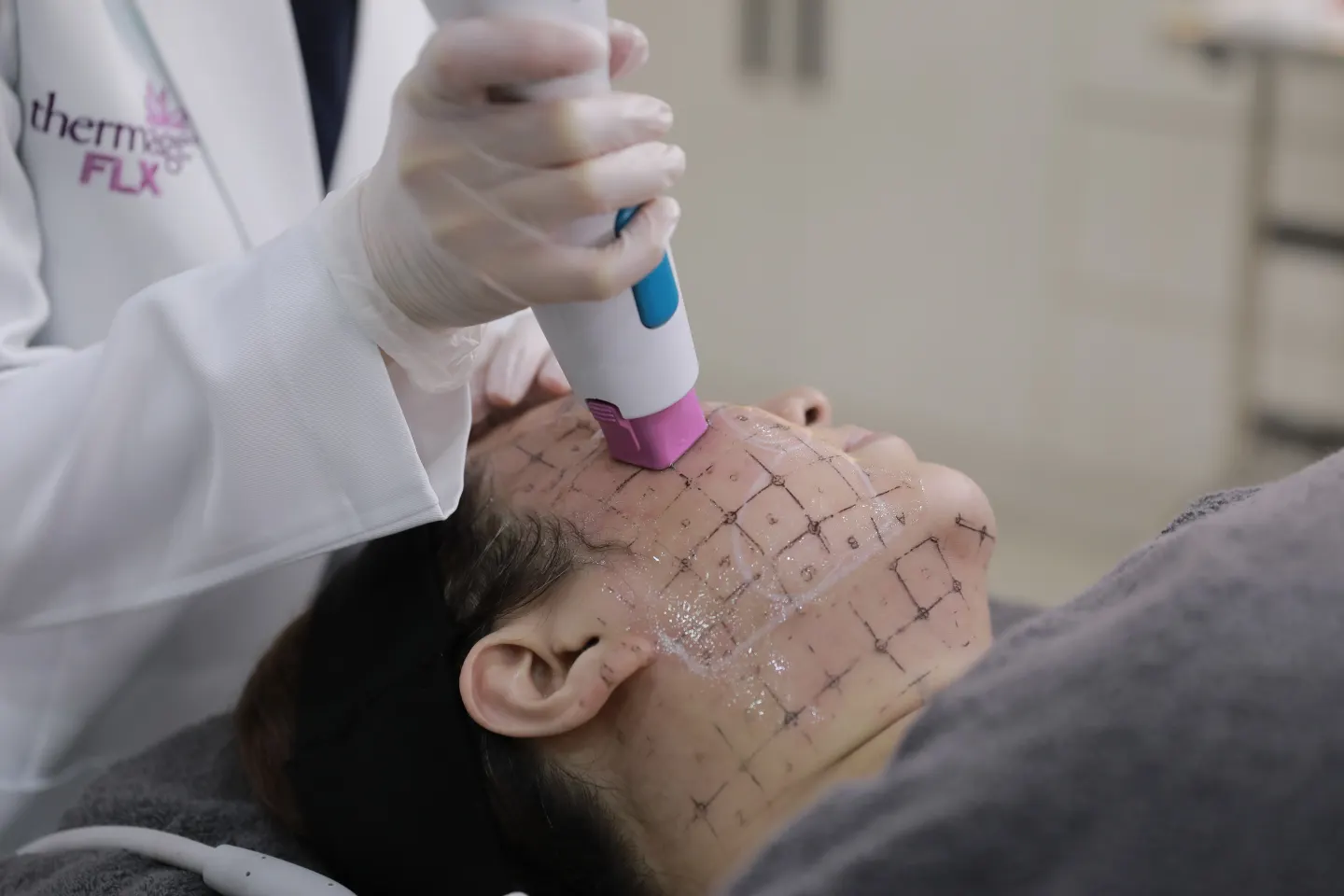
Radiofrequency skin tightening works by using thermal energy to generate heat in the lower dermis and subcutaneous tissue, causing collagen fibers to contract and reorganize immediately, resulting in firming. It is a non-invasive treatment. With different handpieces, it can also be used for treating the eye area or body lifting, such as bat-wing arms and sagging buttocks.
The effect of one treatment lasts about 2-3 years, though the actual duration still varies with constitution, lifestyle habits, and so on.
The latest Thermage FLX guide: detailed treatment analysis and pre/post-treatment key points index
Aftercare Precautions:
(1) In the week before treatment, do not have laser treatments or apply retinoic acid ointment, and do not wear metal jewelry on the day of treatment.
(2) There are no wounds after treatment, but some people may have temporary heat, swelling, and redness in the treated area because the thermal effect of radiofrequency skin tightening is still ongoing. The redness fades within about 1-2 hours, and no icing is needed.
(3) For one week after treatment, do not use scrubs, exfoliants, or retinoic acid ointment. If you want another treatment, wait at least four weeks.
(4) For skincare after treatment, we suggest boosting hydration, choosing ingredients such as B5, hyaluronic acid, ceramides, and thermal spring water, and avoiding whitening, acid, alcohol, and fragrance ingredients.
General Skincare vs. Aesthetic-Medicine Skincare
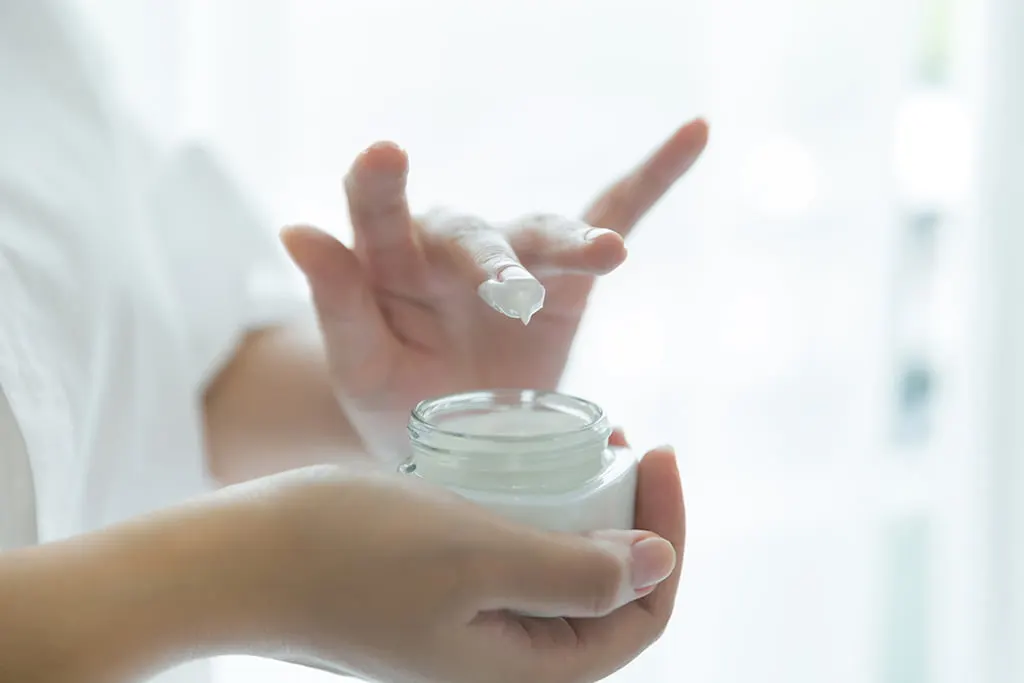
After an aesthetic treatment, the consultant usually recommends a few “medical-grade skincare products” to use as aftercare. So what exactly is the difference between medical-grade skincare and regular skincare? Why are medical-grade products priced higher?
Medical-grade skincare products are products that combine the concepts of “medical aesthetics” and “skincare”, usually developed by professional aesthetic medicine brands. They differ from “regular skincare products” in “effective concentration” and “low-irritation ingredients”, and in whether they address needs such as post-laser care, softening wrinkles, and improving skin tone.
The Golden 72 Hours After Aesthetic Treatment
You've probably heard of the “golden 72 hours after treatment,” but do you really know how important these 72 hours are? Or do you know what to watch for during this time? No worries! Our editors will answer for you!
There are many kinds of laser procedures, and the wounds, pain, and repair periods differ somewhat. What you do for your skin within the 72 hours affects treatment results by at least 20-30%. Laser works on the principle of “first damaging the skin, so that after being injured it regenerates and rebuilds,” so after treatment the skin will always show some degree of redness, heat, swelling, and pain, which mostly gradually subside within 72 hours. So by making the most of these 72 hours and taking good care of your skin afterward, you can ease the following problems:
1. Subcutaneous bleeding.
2. Relief of post-treatment pain.
3. A shorter recovery period and better repair.
4. Better and longer-lasting laser results.
Key points to watch within 72 hours after treatment:
(1) Avoid water! For open wounds, wash only with clean water for two weeks (do not use facial cleanser for seven days), and avoid cleansers that are anti-acne or whitening types, contain exfoliating ingredients or scrub particles, contain strongly cleansing ingredients (such as SLS or SLES), or contain chemical dyes, alcohol, or artificial fragrance, as well as soap-based cleansers that strip oil too aggressively.
(2) We suggest choosing highly moisturizing, highly restorative cleansers; ingredients such as hyaluronic acid, trehalose, aloe, and licorice are all suitable for use after aesthetic treatments
(3) We suggest using wet compresses or cold compresses instead of ice packs, because ice temperature is hard to control; if time and temperature are not managed well, it may cause frostbite or make your skin more sensitive!
5 Common Medical-Grade Skincare Products
(1) Hydrating face masks
Since hydrating face masks can deeply moisturize the skin and replenish moisture for skin that is dry after laser, as long as the wound isn't bleeding after treatment, using a mask to boost hydration and soothe the skin is a good choice.
Ingredient note: Because post-treatment skin is more sensitive and fragile, we suggest buying products with simple ingredients and no irritating additives, avoiding irritating skincare ingredients such as retinoic acid, salicylic acid, high-concentration vitamin C, and alcohol.
(2) Hydrating water gel
Hydrating water gel has many skincare benefits: it is high in water content, light, and easily absorbed by the skin, and it can quickly penetrate and moisturize the lower skin layers, forming a water-retaining network on the skin surface that helps keep skin hydrated and reduces friction.
Add the advantages of a light, non-greasy texture and low oil content, and it effectively helps replenish water in dry areas and absorb highly concentrated skincare essences, making it very well suited as post-treatment skincare.
(3) Hydrating serum
Hydrating serum is a high-concentration, small-molecule moisturizing skincare product. It deeply hydrates the skin and quickly replenishes water in the stratum corneum, provides nutrients the skin needs, and helps improve dryness and roughness.
Ingredient note: Choose a hydrating serum with no added acids or whitening ingredients, so that it isn't too irritating and doesn't backfire.
(4) Moisturizing cream
A moisturizing cream is a hydrating product containing natural oils as its moisturizing ingredients, offering nourishing hydration and deep water-locking effects. It forms a protective layer on the skin surface, improves dryness, roughness, and dehydration, and boosts the skin's dewy, soft feel.
We suggest that those with “normal or dry skin” types, besides using creams or the other products mentioned, also pair them with a “medical-grade cream” to boost water-locking and prevent moisture loss.
(5) High-performance sunscreen
Besides hydration, the thing aftercare keeps stressing is sun protection, which is also a key part of aftercare.
That's because sunscreen helps block most UV rays, and it can also provide hydrating and moisturizing benefits, effectively protecting the skin and preventing rebound darkening.
Ingredient tip: choose a medical-grade sunscreen with a higher SPF (sun protection factor) and a watery, easily absorbed texture, which helps lock in water and moisture while protecting skin and blocking UV rays.
This article is for general information only. Results vary from person to person; please consult a doctor in person before deciding on any treatment.