Contents
You look so much older! You get smile lines when you laugh, and makeup can barely cover them. What can you do? Nasolabial folds are the slightly sunken lines between the sides of the nose and the middle of the cheeks, and in fact everyone has them. They are just more noticeable in some people than in others. However, nasolabial folds gradually deepen with facial muscle movement, aging, and other factors. Is there any way to improve them? Of course there is! This article introduces nasolabial folds and analyzes their types and causes.
What Are Nasolabial Folds?
Before looking at nasolabial folds, you first need to understand the nasolabial groove, which is closely tied to them.
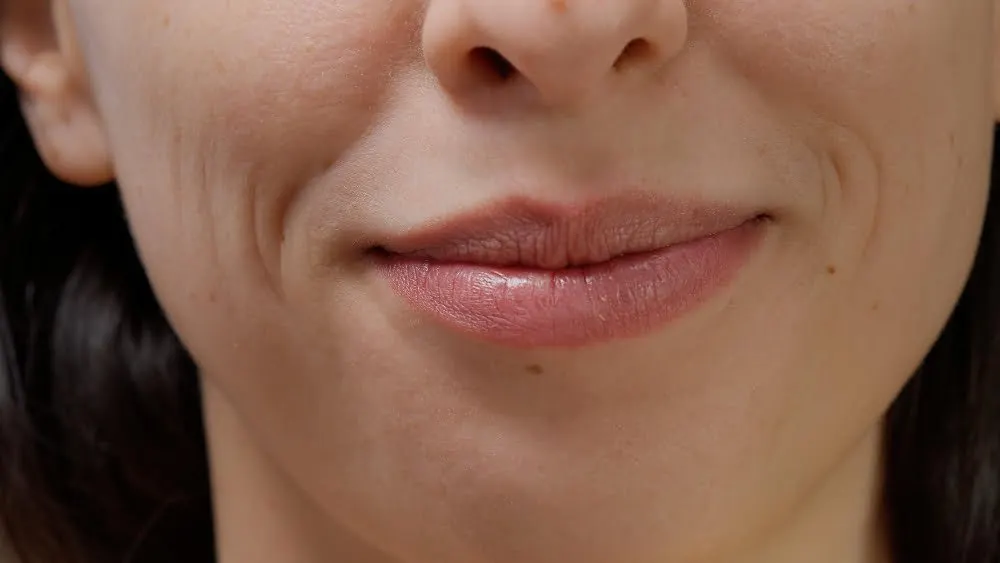
The nasolabial groove is a wedge-shaped furrow between the skin and the muscle layer on both sides of the nose, while nasolabial folds are the two lines that run from the sides of the nostrils down and outward past the corners of the mouth.
Besides the nasolabial groove, many people also confuse nasolabial folds with marionette lines. Because both appear near the lips, people are often misled, but the two are quite different! Marionette lines extend from the corners of the mouth down to the edge of the jaw, while nasolabial folds run from the sides of the nostrils down and outward past the corners of the mouth, so the areas they affect are very different.
Nasolabial folds: lines extending from both sides of the nose to the corners of the mouth.
Marionette lines: lines on both sides of the mouth, extending from the corners of the mouth down to the chin area.

Everyone has nasolabial folds to some degree; they are just more noticeable in some people. As we age, soft tissue gradually atrophies, so the face loses support and becomes hollow, forming a distinct nasolabial fold. Specifically, nasolabial folds are divided into dynamic lines and static lines. Lines that appear naturally when speaking or making expressions are called dynamic lines; conversely, lines that appear when you are not speaking and have no expression are static lines.
Types of Nasolabial Folds and How They Form
When it comes to nasolabial folds, you first need to understand the types and how they form. Once you do, you can target the problem for improvement, and you can also avoid it by knowing what causes it!
(1) Hollow-Type Nasolabial Folds
Hollow-type nasolabial folds are also called skeletal-type nasolabial folds. They are mainly related to natural cheek bone structure: a large height difference between the maxilla and the mouth leaves the base of the nose relatively hollow, and this type of fold often appears together with features such as prominent cheekbones and a protruding mouth, and can develop at a young age.
This type of nasolabial fold can be improved with hyaluronic acid, collagen stimulators, or allograft dermal implant surgery.
(2) Muscle-Type Nasolabial Folds
The cause of muscle-type nasolabial folds is related to facial muscle activity: frequent hearty laughing, exaggerated expressions, and other behaviors that overly pull on the facial muscles can lead to nasolabial folds forming, and may even cause raised, band-like ridges of muscle. According to statistics, these active muscle bands at the side of the nose are quite common among Asian populations, and they are more prevalent in women (27.9%) than in men (18.5%).
Muscle-type nasolabial folds can be improved with botulinum toxin, which suppresses excessive muscle movement and can smooth the fold away!
(3) Aging-Type Nasolabial Folds
Aging-type nasolabial folds are mainly caused by collagen loss with age, which leaves the skin unsupported and slack, causing the folds to deepen and become more noticeable, and this is also the most common type of nasolabial fold. Once most people reach the early stage of aging, they begin to face the threat of aging-type folds, and people who experience sudden extreme weight loss, late nights, illness, or other abrupt changes in routine or body shape may also develop this type!
Aging-type nasolabial folds are the most common type, so there are more ways to improve them, such as hyaluronic acid, collagen stimulators, RF and ultrasound treatments, and more.
What to Do About Nasolabial Folds? 4 Non-Surgical Aesthetic Treatments to Erase Them
What If Your Nasolabial Folds Are Deep? How to Improve Them
The first step to improvement starts with skin care:
(1) Pay Attention to Sun Protection

Long periods of exposure to ultraviolet rays can easily damage the epidermis and dermis, causing problems such as sunburn, spots, and skin cancer, while also accelerating skin aging and causing skin tissue to be lost and to break down early. Therefore, even in winter when the sun rarely shows up, we recommend applying an appropriate amount of sunscreen when going out to slow skin aging.
(2) Moisturize the Skin
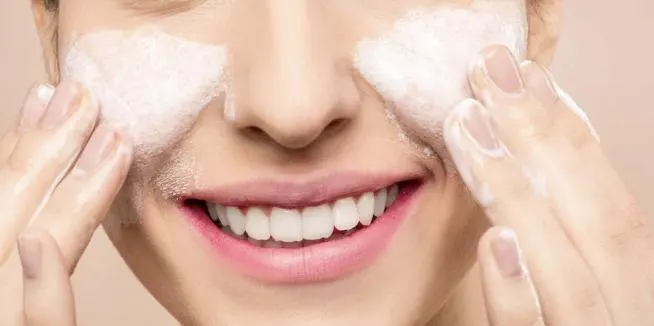
First, let's debunk a myth: skin care products cannot fix deep, already-formed nasolabial folds; at most they offer preliminary prevention or slow the appearance of fine lines. When choosing a skin care product for nasolabial folds, we recommend choosing a formula with enough hydration, which can keep skin from getting so dry that fine lines become more obvious. For example, hyaluronic acid and collagen are common moisturizing ingredients, while emollient ingredients such as squalane and ceramides also help strengthen the skin barrier.
(3) Avoid Pulling at the Skin
Excessive pulling from expressions causes wrinkles and nasolabial folds, so we recommend breaking habits such as pursing your lips, pouting, and laughing with your mouth wide open. Also, be gentle when washing off makeup or applying skin care products, and avoid excessive pushing or pulling.
(4) Maintain a Healthy Weight
As mentioned in the first section, sudden extreme weight loss or losing too much weight in a short time can reduce collagen and subcutaneous fat, which affects facial fullness and makes nasolabial folds more obvious (many people notice their faces looking hollow or older). Therefore, keeping a healthy diet and routine and avoiding late nights and drastic weight changes is the top key to preventing nasolabial folds. If you do need to lose weight or improve your body shape, we recommend doing so in a healthy, normal way, such as exercise, diet control, or body contouring.
(5) Protein Supplementation
Protein is very important for collagen production, and collagen is the main component that maintains skin elasticity. We recommend taking an appropriate amount of protein and vitamin C in daily life, which can improve the skin's water retention and reduce dryness and wrinkles.
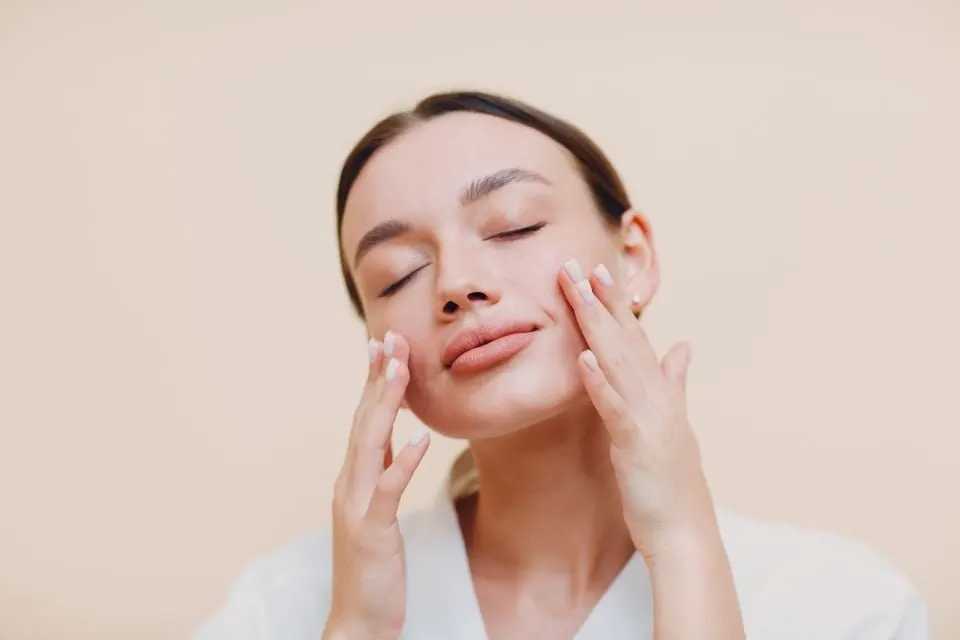
Once your daily habits and skin care are in order, the next step is a "facial massage" to boost circulation and slow the worsening of lines. Although massage has limited effect on eliminating nasolabial folds, it can relax tense muscles and ease the signs of aging.
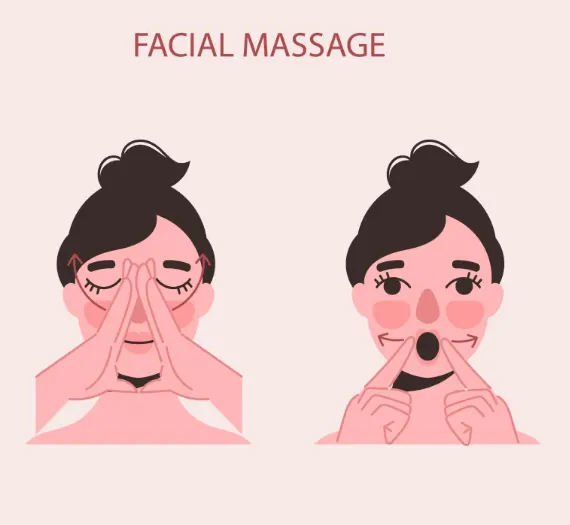
(1) Pressure massage: Spread your hands so the webbing between thumb and index finger sits at the nasolabial folds, with your thumbs resting against the jaw, and gently massage from top to bottom repeatedly to help relax the facial muscles.
(2) Firming and lifting: You can use a massage tool or your knuckles to gently lift along the nasolabial folds from the inside out and from bottom to top, which helps promote lymphatic circulation, reduce facial sagging, and smooth the lines.
If neither of the above methods solves the problem, or if you feel the improvement is too slow, we recommend aesthetic medicine treatments, which are more efficient and more effective!
The Complete Botox Guide! Aftereffects, Precautions, Indications, and Side Effects Revealed
Hyaluronic Acid or Botox for Nasolabial Folds? Comparing Treatments
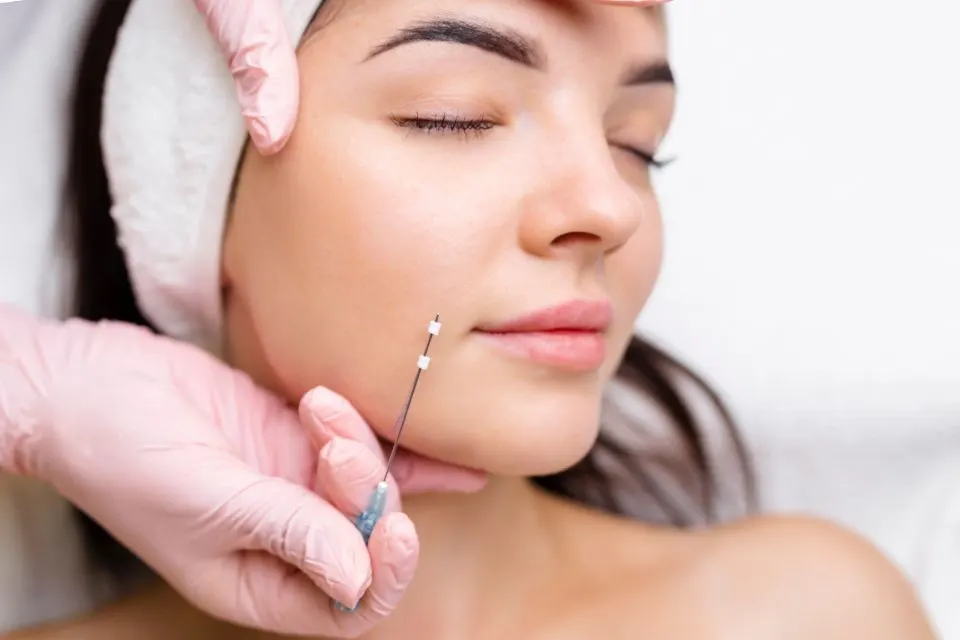
When it comes to aesthetic treatments for nasolabial folds, most people immediately think of hyaluronic acid and Botox. How are the two different?
Hyaluronic acid is a filler commonly used to improve nasolabial folds. It is injected into the subcutaneous tissue to fill the hollow, restoring a hydrated, plump look to the treated area. As for botulinum toxin, it effectively suppresses and relaxes the muscles that move excessively between the upper lip and the side of the nose, smoothing the raised muscle ridge and reducing the depth difference with the nasolabial groove, which improves muscle-type nasolabial folds.
Common hyaluronic acid brands: Neuramis, Restylane, Hya-Dermis, Juvéderm
Common botulinum toxin brands: Neuronox, BOTOX
| Nasolabial fold type | Hyaluronic acid | Botulinum toxin |
|---|---|---|
| Hollow-type nasolabial folds | Yes | No |
| Muscle-type nasolabial folds | No | Yes |
| Aging-type nasolabial folds | Yes | No |
The 4 Major Botulinum Toxin Brands Compared! Suitable Areas, Prices, Pros and Cons Revealed
Hyaluronic Acid Brands Compared! Which One Is Right for Me?
The Second Aesthetic Option for Nasolabial Folds: RF and Ultrasound
RF and ultrasound treatments mainly work by using heat to stimulate collagen production in the face, and they also help the skin's surface regain firmness and slow the sagging of facial fat. While softening nasolabial folds, they keep the skin smooth and elastic, a dual effect that suits the mild folds of early aging. Examples include Thermage FLX, Morpheus8, Ultraformer MPT, and various other RF and ultrasound treatments.
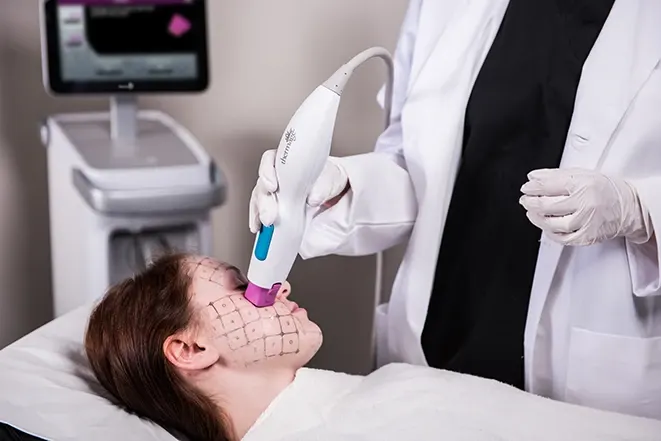
Thermage FLX treatment for nasolabial folds is a non-invasive treatment. Using monopolar radiofrequency and the principle of volumetric heating of the entire tissue layer, it conducts energy into the deeper layers (the dermis and subcutaneous tissue). Heat combined with polarization can improve facial sagging, slackness, and wrinkles while stimulating collagen production, leaving the skin firmer and more elastic. After Thermage FLX there are no wounds and no downtime, so daily life is not affected, and the treatment results last at least 2 to 3 years. After the first course, we recommend returning every 1 to 2 years for another session to achieve a "preventive facelift" effect. It is best suited to aging-type nasolabial folds.
Ultrasound lifting improves nasolabial folds using the energy of high-intensity focused ultrasound, treating from the inside out. It acts on the dermis (focusing the energy on single points), stimulating collagen production and remodeling, which tightens the contour and smooths lines. Ultrasound lifting does not damage the epidermis and leaves no excess residual heat, so you can resume normal activities immediately after the treatment.
RF vs. Ultrasound: Principles, Prices, and Who Each Is For, Explained!
This article is for general information only. Results vary from person to person; please consult a doctor in person before deciding on any treatment.