Contents
Does this sound familiar? You never get pimples but you break out in comedones all the time, or pimples and comedones show up together... To get rid of comedones for good, you first need to understand what causes them and how to remove them correctly. If they are not handled properly, they can lead to bacterial infection and even turn into acne, making them much harder to treat! This article is a complete guide to comedones: how to prevent them, mistakes to avoid when clearing them, methods for removing them, and facial skincare tips are all answered here! First, let's find out what comedones actually are!
What Are Comedones?
A comedone is the "metabolic waste" formed when dead skin cells and oil mix inside a pore; when it cannot be expelled and builds up in the hair follicle, a comedone forms, and it usually causes mild inflammation and redness. Once the waste inside a comedone stays blocked in the pore for a long time, bacterial infection and inflammation can develop, leading to pimples.
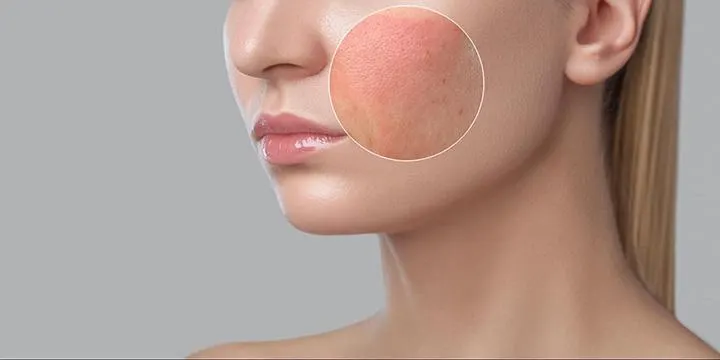
One thing to note here: many people confuse comedones with sebaceous filaments. The milky-white secretions squeezed from the face and the pore strips covered with what looks like a forest of blackheads are not actually comedones, but "sebaceous filaments" that the skin secretes normally. In fact, comedones are usually caused by excess sebum or abnormal keratin turnover, while sebaceous filaments are simply oil normally secreted by the sebaceous glands.
Severe Oily Skin, Blackheads, and Acne? Proper Skincare Tips to Improve Your Skin
What Types of Comedones Are There?
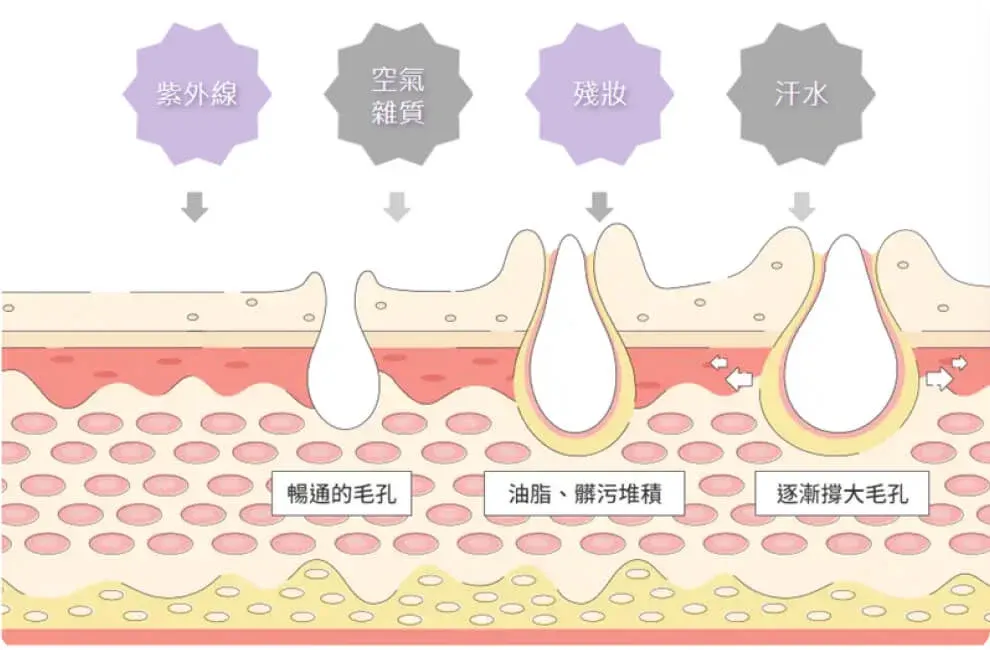
You have surely heard of "blackheads." Comedones actually come in two types, distinguished by whether the pore opening is open or closed; the other type is "whiteheads." Here is an introduction to both:
Blackheads
Blackheads (also called open comedones) are comedones that are not completely covered over, so they are easier to clean. They commonly appear in the T-zone, nose, forehead, and chin, because the sebaceous glands in these areas are more developed and secrete more oil, making blackheads more likely to form.
Cause: Waste produced by overactive sebaceous glands builds up at the follicle opening and blocks the oil inside the follicle from draining, and the exposed surface of the blocked pore is in contact with air, so the oil oxidizes and turns into a black comedone.
Whiteheads
Most whiteheads are closed comedones (also called sub-surface comedones). Because they are blocked in the follicle beneath the buildup, they are usually harder to remove, and if mishandled they may leave acne scars or develop further into cystic acne.
Cause: Sebaceous glands secrete too much oil, which blocks the follicle opening. The biggest difference from blackheads is that whiteheads have an extra layer of keratin buildup on the surface, so they are usually blocked in the follicle beneath the buildup and do not come into contact with air, so the oil does not oxidize or change color.
Comedones vs. Pimples
What Causes Comedones
Insufficient hydration, hot and humid weather that boosts oil production, an oily skin type, abnormal keratin turnover, excess buildup of dead skin cells, and skin that is not cleansed thoroughly all lead to pores blocked by sebum and metabolic waste, which gives rise to comedones!
What Causes Pimples
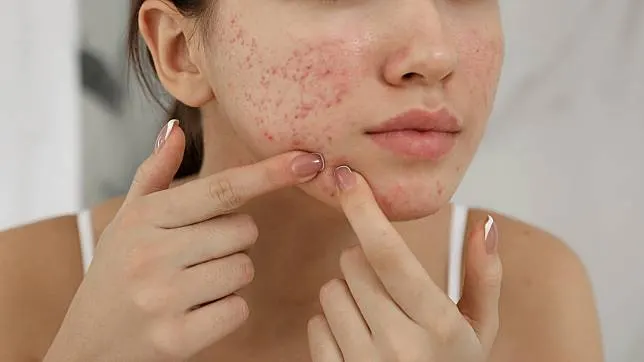
They tend to appear in areas with active sebaceous glands, especially in summer when sebum production is high, blocking the hair follicles and sebaceous glands and causing comedones and pimples to multiply. In addition, lifestyle habits, stress, improper comedone cleaning, and hygiene habits can all worsen the severity of pimples! (Pimples are what comedones become after they get inflamed!)
Three Major Pitfalls! Never Clear Comedones This Way
(1) Peel-Off Pore Strips
Peel-off pore strips can instantly remove dirt from the skin's surface, but they also tear away the skin's oil and moisture, leaving it dry and sensitive, and most of what they remove is "sebaceous filaments," the skin's normal oil secretion. They therefore easily injure the skin's stratum corneum, leading to inflammation, broken skin, and other problems.

(2) Forcibly Squeezing Comedones
If you squeeze comedones out by force with your hands or a comedone tool, not only will the comedones not be removed completely, but they may also become inflamed because of bacteria and dirt.
(3) Squeezing Comedones Excessively
Excessive squeezing can damage the hair follicle and surrounding tissue, causing a bacterial infection, or stimulate sebum secretion so that more comedones and pimples form, and even lead to collagen loss that enlarges the squeezed pores.
The Right Way to Clear Comedones
Step 1: Identify the Comedone Type
Before clearing comedones, first confirm whether they are blackheads (open comedones), because forcing closed comedones out can backfire and cause injury and inflammation.
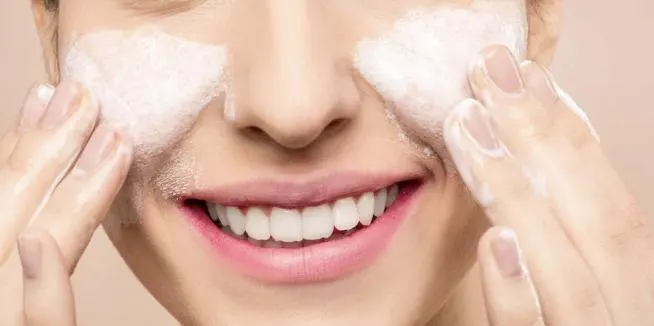
Step 2: Wash Your Face to Remove Dirt
After identifying the comedone type, wash your face with a gentle cleanser and rinse with lukewarm water to remove dirt and oil from the face and help the pores relax.
Step 3: Soften Comedones with a Wet Compress
After cleansing, you can apply a wet compress with toner, a sheet mask, or a gel mask to help deep-clean the pores and soften keratin and comedones.
Step 4: Press Gently with Tissue
Use tissue to gently press around the pore with your fingers, applying appropriate pressure to push the comedone out. If it will not come out, never force it, to avoid injury.
Step 5: Soothe the Skin with Skincare
After squeezing comedones, apply a gentle, soothing skincare product as a wet compress on the skin to reduce redness and swelling and also help the pores contract.
Beyond these five basic steps, to solve comedones you also need good sleep habits, healthy eating habits, and daily skincare! In addition, if you have sensitive skin or other concerns, we recommend consulting a dermatologist or a professional aesthetician first, who can recommend a skincare approach better suited to you!
How to Handle Stubborn Closed Comedones
Stubborn closed comedones can be treated with acid-based skincare products combined with moisturizing, which can effectively regulate sebum secretion and promote shedding of the dead stratum corneum to reduce pore blockage. We recommend the following acids:
(1) Retinoic Acid (Vitamin A Acid)
Retinoic acid can stimulate cell turnover, and suppress sebum secretion in the skin, so it helps improve closed comedones. However, note that retinoic acid is fairly irritating and may make the skin sensitive, dry, and prone to sunburn, and can also cause side effects such as redness, swelling, peeling, and stinging. We therefore recommend using it at night, starting at a low concentration and gradually increasing the concentration and frequency to avoid an excessive skin reaction.
(2) Mandelic Acid
Mandelic acid can stimulate collagen production while exfoliating the stratum corneum, promoting cell renewal, and providing antioxidant and anti-inflammatory effects. It can also go deep into the pores to clear the dirt and oil built up inside, so the comedone-prevention effect is very noticeable! But like retinoic acid, mandelic acid has a fairly high concentration and should be used appropriately, otherwise it may leave the skin overly dry or inflamed.
(3) Salicylic Acid
Salicylic acid can penetrate into the pores to dissolve sebum and prevent pore blockage, and it removes dead skin cells to leave the skin smoother and finer, while also promoting keratin shedding and having an antibacterial effect. Using salicylic acid skincare can therefore help improve closed comedones and prevent new ones from forming, boosting skin smoothness and brightness!
Clearing Comedones: Aesthetic Medicine Options
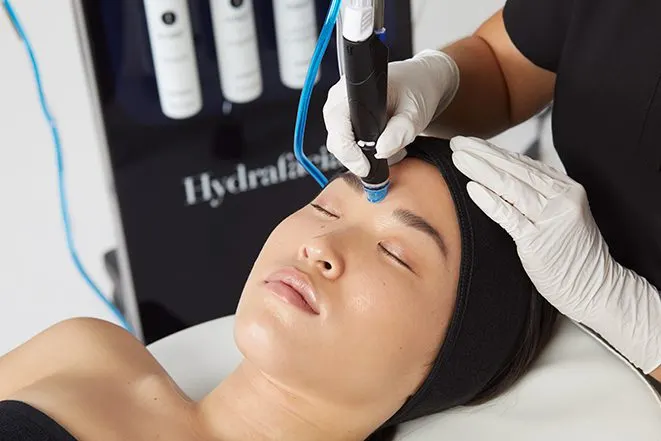
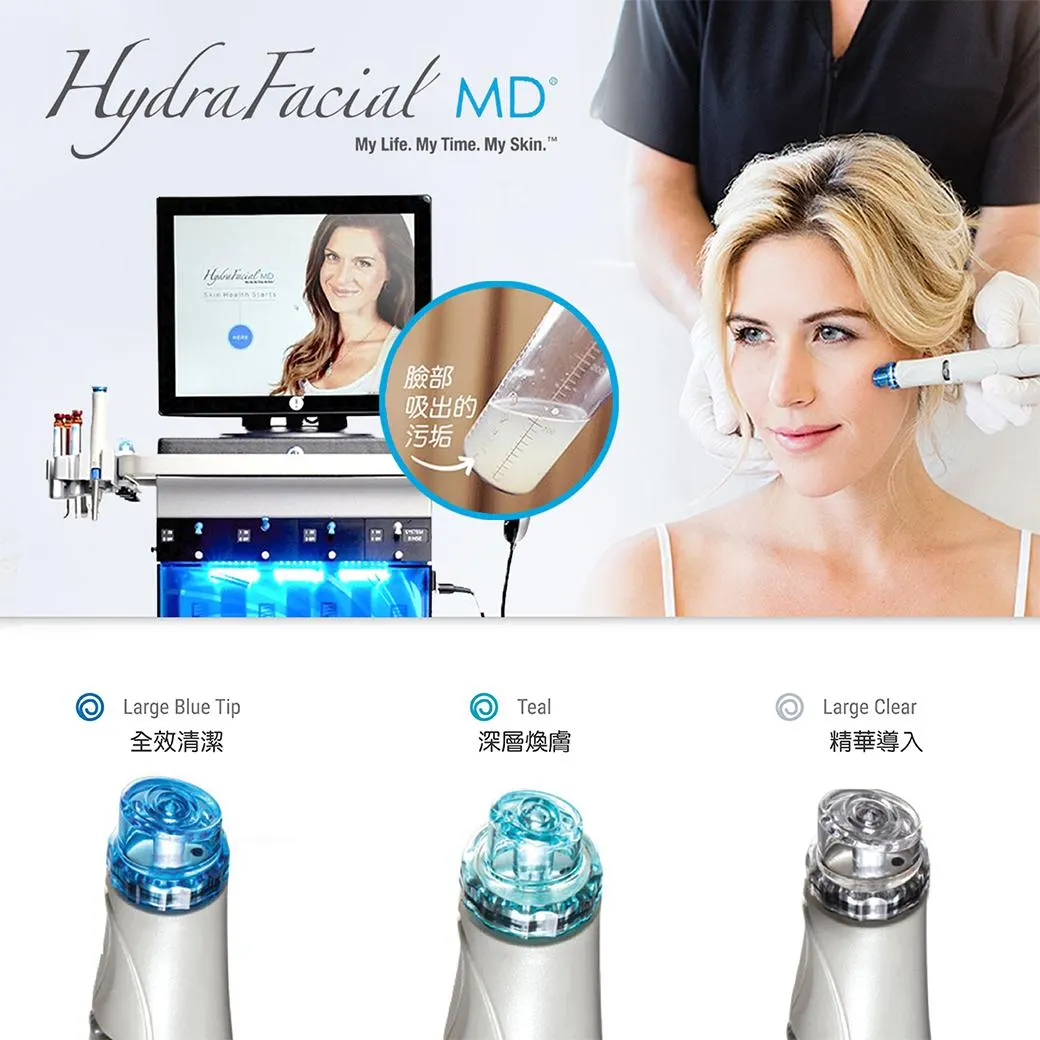
If your comedones are severe and stubborn, and trying other approaches (skincare products, clearing them yourself, etc.) has not fully improved them or results are too slow, you can seek a professional aesthetic medicine comedone treatment, such as HydraFacial, Aqua Peel, or mandelic acid peels. Taking the reasonably priced HydraFacial as an example, HydraFacial Syndeo has an exclusive, patented vortex technology, which can remove dead skin cells and comedones from the skin's surface, and while cleansing it also infuses beauty serums such as low-molecular-weight hyaluronic acid and antioxidants, improving the skin's moisture and protection.
What Is HydraFacial? An Analysis of Skin Management Options
Skin Vacuum Cleaner! Black Diamond Aqua Peel vs. HydraFacial
Five Keys to Preventing Comedones
1. Keep a Regular, Healthy Schedule
Maintain a regular schedule and get enough sleep. Poor sleep quality and an irregular schedule can cause hormonal imbalance, which affects the skin's oil secretion and tends to leave the skin unstable.
2. Wash Sheets and Pillowcases Regularly
You come into contact with bed sheets and pillowcases every day, and these are exactly where dust mites tend to breed. To reduce comedones, be sure to wash and change sheets and pillowcases regularly. It is best to dry them in the sun, as the high heat also helps kill dust mites!
3. Remove Makeup and Cleanse Thoroughly
Outdoor air contains a lot of dirt. If you usually wear makeup or sunscreen, remove it thoroughly with a makeup remover, and use a facial cleanser suited to your skin type, so that makeup residue and the dust and oil your face has picked up are completely removed, which prevents clogged pores and reduces the formation of comedones.
4. Adjust Your Daily Diet
Avoid fried and high-sugar foods as much as possible, and drink enough water every day.
5. Avoid Touching Your Face
Avoid touching your face with your hands and keep your hands clean, which reduces the chance of bacteria on your hands touching your skin and reduces the formation of comedones.
This article is for general information only. Results vary from person to person; please consult a doctor in person before deciding on any treatment.