Contents
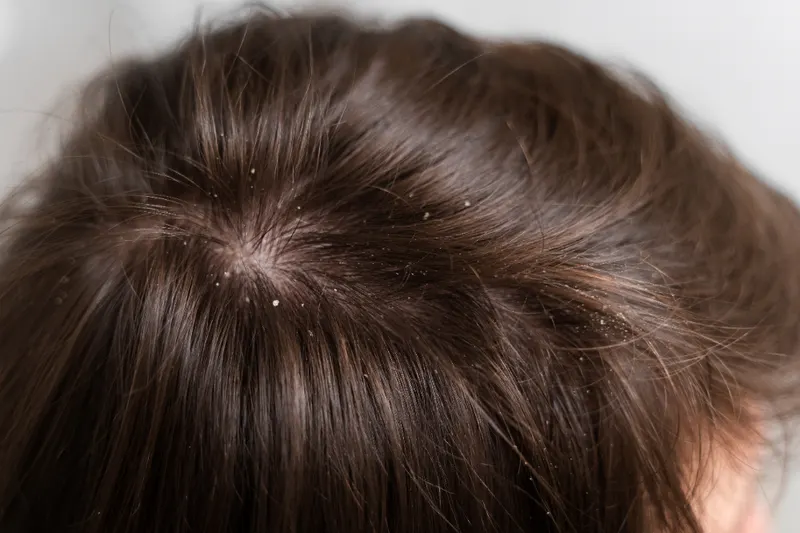
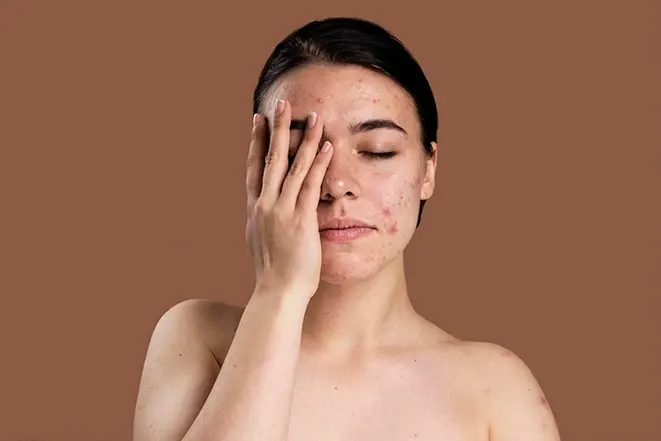
Oily shine and breakouts do more than affect appearance; they can also leave skin uncomfortable. Do you know why these skin problems happen, and how to improve stubborn oiliness, comedones, and acne to get smooth, bright skin back? This article explains the causes of three common types of skin problems, what to watch for in daily skincare, and two types of aesthetic medicine treatments that can help address these concerns and improve skin quality.
Understanding the Causes of Three Common Skin Problems
Problem 1: Oily Skin
The main cause of oily skin is skin type itself. Usually, oily skin produces more sebum, and if skincare is neglected, unsuitable products are used, or the ambient temperature rises, oiliness can easily become even worse. In addition, androgen secretion also increases sebum production, so men are generally more prone to oiliness than women.
Besides the causes above, the following factors can also make skin oily:
- Dehydrated skin
- Over-cleansing
- Frequent exfoliation
- Applying products that are too rich
- Irregular daily routine
Problem 2: Comedones
The epidermis is dotted with pores. Beneath each pore are hair follicles and epidermal cells that release sebum and keratinized skin cells, which travel up along the hair and out of the pore to protect the skin's surface. When too much sebum is produced, or when abnormal keratin turnover clogs the pores, the sebum, metabolic waste, dead skin cells, and outside dirt trapped in the pores form comedones.
Common causes of comedones:
- Excess sebum production
- Severely dehydrated skin
- Thick buildup of the stratum corneum
- Enlarged pores
- Improper cleansing after makeup or skincare products
- Irregular daily routine
- UV exposure
[Comparison of comedone types]
| Open comedones | Closed comedones | |
|---|---|---|
| Also called | Blackheads | Whiteheads, enclosed comedones |
| Cause | The surface of the comedone (the pore opening) is not covered by keratin, so it oxidizes and turns black on contact with air | A layer of keratin builds up on the surface; because it has no contact with air and does not oxidize, it looks like a small, raised white bump |
| Common areas | Nose, sides of the nose, chin, forehead | Forehead, cheeks, under the eyes |
Problem 3: Acne-Prone Skin
If comedones are handled improperly, they can become inflamed and turn into acne, which mainly appears in areas where the sebaceous glands are active. Acne forms mainly because of overactive sebaceous glands and clogged pores, especially in summer, when vigorous sebum production blocks the hair follicles and sebaceous glands and makes acne multiply.
Common causes of acne:
- Hormonal imbalance
- Excessive stress
- Over-cleansing
- Lack of sleep, staying up late
- Bacterial overgrowth and inflammation
- Poor diet (fried foods, high sugar, too much dairy)
- Genetics and medications
[Types of acne]
- Inflammatory acne
The most common type of acne and a typical form of folliculitis. It does not always develop pustules.
- Closed acne
Oil covers and accumulates at the follicle end of the pore. The area does not necessarily look red, swollen, or painful, but a clearly raised, swollen bump can be felt when touched.
- Cystic acne
Severely inflamed acne that forms large bumps, bigger than small inflammatory pimples. The inflamed lesion sits deeper in the skin and easily leaves acne scars, marks, and discoloration.

How to Take Care of Your Skin Every Day
1. Remove makeup thoroughly and cleanse your face
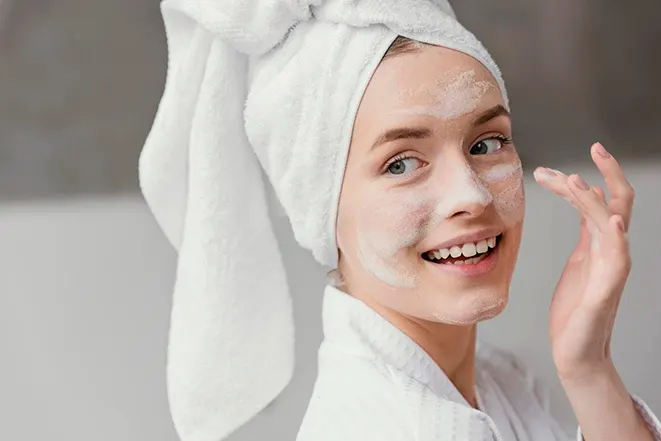
Makeup residue left on the skin can clog pores and cause comedones and acne, so makeup removal is not something to skip. Even if you only wore sunscreen, remove it thoroughly! Also choose a cleanser suited to your skin type and wash with lukewarm water, since water that is too hot can make skin sensitive and red, while water that is too cold can irritate it. Also note that you should not wash your face more than 3 times a day, because some natural oil needs to remain to keep skin hydrated. If your oily skin produces far too much oil, you can simply rinse the oily areas with water to keep the skin feeling fresh.
2. Control oil and hydrate by using suitable skincare products
Right after washing, when your skin is at its cleanest, first apply lotion or cream to speed absorption, then wipe the whole face with a cotton pad soaked in toner, which also removes excess oil, and finally apply a serum to help your skin reach an oil-water balance. When choosing skincare products, try to pick ones with a light texture and smaller molecules, which absorb quickly without burdening the skin. If your skin is extremely oily, you can pause lotion, cream, and facial oil, but you should still use toner and serum to hydrate.
Also, acid products should not be used every day. Overusing acid-based skincare damages the stratum corneum and leaves skin oily on the outside but dry inside, as well as sensitive and fragile. It is best to follow a dermatologist's advice, and after using them you must remember to moisturize, or you may get peeling, redness, and itching.
3. Build good daily habits
In terms of lifestyle, try to avoid staying up late so your body has enough time to repair itself, maintain the skin barrier, and let the sebaceous glands and epidermal cells function normally for a stable metabolic cycle. Wash and change your pillowcases frequently too, to reduce the burden on your skin.
In terms of diet, you can eat more fresh fruits, vegetables, and antioxidant-rich foods (such as blueberries, salmon, and sweet potatoes), and limit irritating, spicy, and greasy foods, as well as cigarettes and alcohol, which would otherwise burden the body and make clogged pores more likely.
2 Aesthetic Medicine Treatments to Upgrade Your Skin Quality
1. HydraFacial
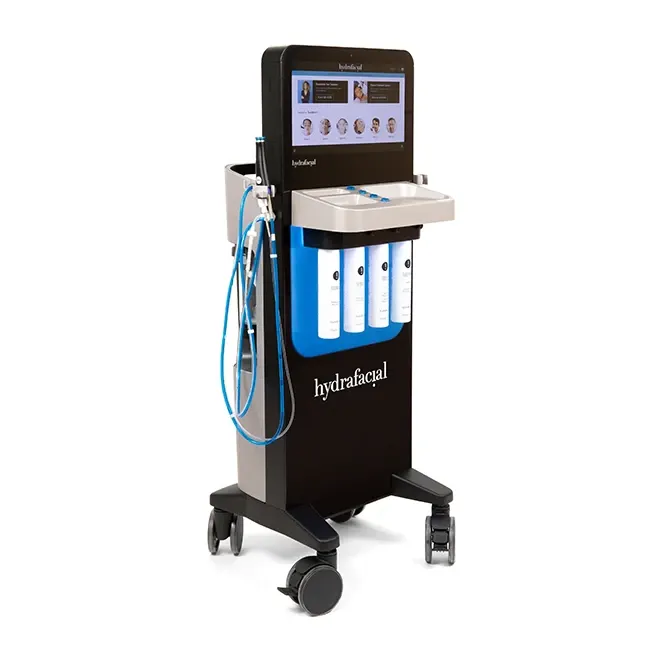
HydraFacial Syndeo is a medical device cleared by the US FDA and approved by Taiwan FDA, and a leading hydrating resurfacing brand with more than 2 million treatments performed worldwide. It features exclusive patented Vortex technology, which can effectively improve 6 major skin concerns:
- Oily skin
- Comedones and acne
- Dehydrated skin
- Sensitive skin
- Fine lines
- Brightening skin tone
Through gentle, deep cleansing, it clears comedones and impurities from the face while preserving the stratum corneum that protects the skin, and it can infuse serums such as small-molecule hyaluronic acid and antioxidants at the same time, instantly boosting skin hydration and protection. It cleanses and repairs skin concerns in the right way and keeps your skin in its best condition.
[The 3 Steps of a HydraFacial Treatment]
- Soften dead skin and cleanse sebum: Starting with basic cleansing, vortex technology softens the stratum corneum and gently removes dead skin cells, leftover makeup, and excess sebum from the skin for a thorough clean
- Deep cleansing + hydration: Clears pore debris and comedones from oily areas, paired with a gentle fruit acid peel to improve the skin's absorption and cell turnover
- Serum infusion + protection: After deep cleansing, small-molecule hyaluronic acid is infused to provide immediate protection and deep hydration, reducing fine lines and boosting radiance
Is HydraFacial Syndeo Newly Upgraded? Are Influencers Using It? A Guide to Benefits and Precautions
Skin Vacuum! Black Diamond Water-Jet Facial vs. HydraFacial
2. Picosecond Laser
Oily skin with heavy sebum production, and acne scars left by inflammation from repeatedly squeezing pimples or comedones, can both stretch pores and make them look larger. If you want to solve enlarged pores like these, picosecond laser is the first treatment to consider. It uses the photoacoustic effect or photothermal effect to shatter melanin into dust-like particles and stimulate collagen production, fading spots and minimizing pores. Energy and the number of sessions are adjusted to each person's skin condition and degree of pore enlargement to achieve the desired results.
Besides spots and pores, picosecond laser can also address acne scars, fine lines, and tattoos, and StarWalker PQX is currently the newest picosecond machine on the market. Although its energy and intensity are the strongest, it has a very short recovery period, better results, and less pain. It also treats more indications than other machines (for example, melasma, uneven skin tone, and vascular lesions), which is why it is popular with many influencers and everyday people. NAISS CLINIC currently offers two picosecond machines, the third-generation StarWalker PQX and the Discovery Pico.
| Third-generation StarWalker PQX | Discovery Pico | |
|---|---|---|
| How it works | Photoacoustic effect + photothermal effect | Photoacoustic effect + photothermal effect |
| Focusing technology | Star focusing technology | Refix super lens |
| Recovery after treatment | As short as 1 day | 7-10 days |
| Chance of rebound darkening after treatment | Unlikely | Low |
| Price | ✭✭✭ | ✭✭ |
A Laser Without Rebound Darkening: How StarWalker PQX Improves Skin Conditions
What Is StarWalker PQX Picosecond Laser?
What to Do About Enlarged Pores? Can Picosecond Laser Really Help?
HydraFacial and picosecond laser treatments can be alternated and complement each other, clearing out pore debris such as comedones and acne while hydrating the skin and shrinking pores. After treatment, remember to improve the water retention of the stratum corneum and use sunscreen, which helps prevent secondary damage from UV and reduces skin irritation.
This article is for general information only. Results vary from person to person; please consult a doctor in person before deciding on any treatment.