Contents
- Breast Augmentation Methods: Silicone Gel Implants and Fat Transfer
- What Materials Are Used for Breast Augmentation?
- 4 Breast Augmentation Incision Options
- Implant Placement
- How Much Does Breast Augmentation Cost? How Is It Calculated?
- What Should You Know Before Breast Augmentation?
- 8 Breast Augmentation Complications, Not Just Capsular Contracture
- How Can You Recover Quickly After Breast Augmentation?
- What About Breast Implants as You Age?
- Breast Augmentation Patient Stories
In 2025, breast augmentation enters a new era! Whether it is natural fat transfer, a wide choice of implant materials, how implants are handled as you age, possible risks, or real patient stories, you can find the enhancement that suits you best, and breast augmentation techniques have become safer and more refined. This article walks you through breast augmentation costs and incision options!
Breast Augmentation Methods: Silicone Gel Implants and Fat Transfer
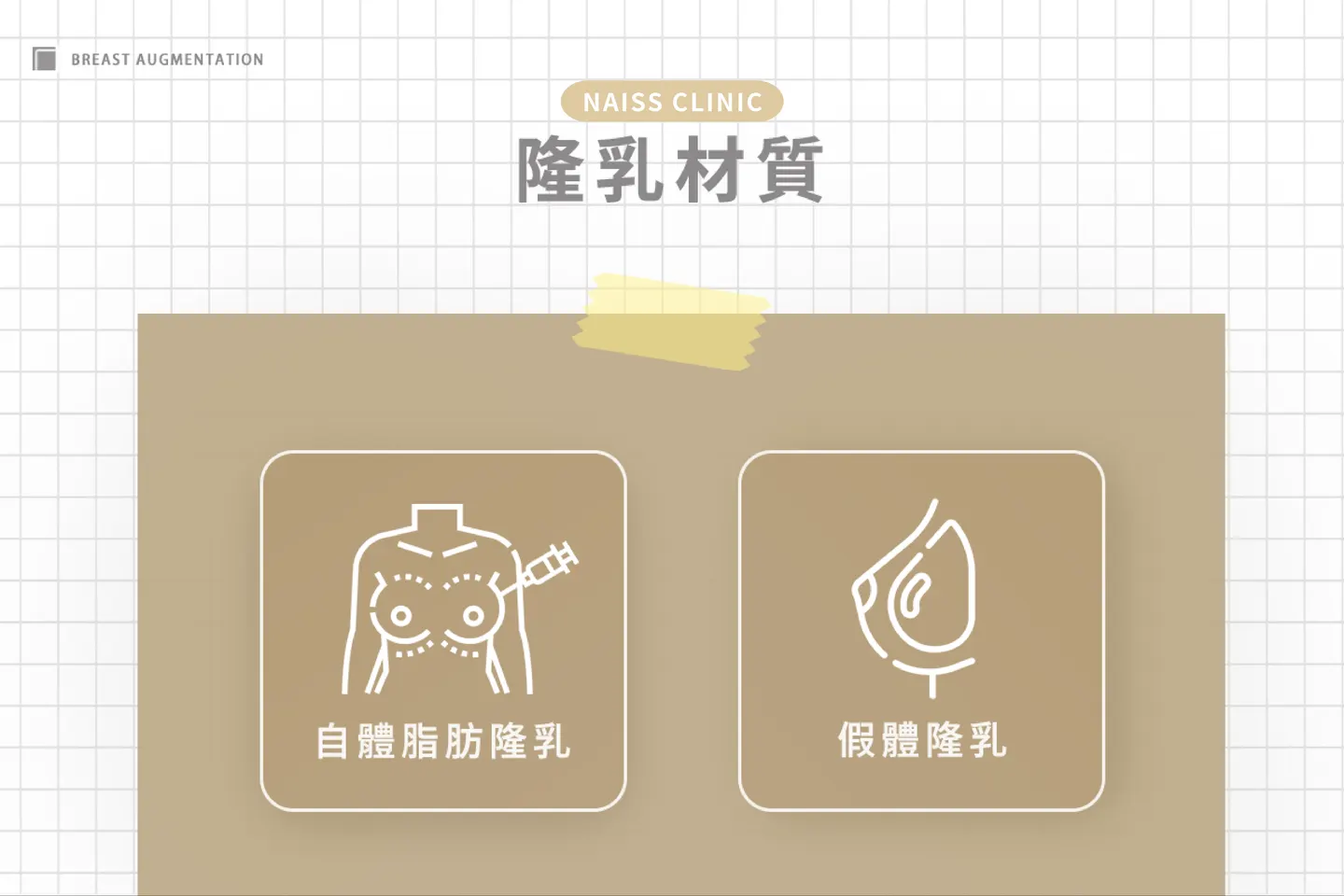
Silicone gel implants can raise your cup size by several sizes in a single procedure, suiting women who want a noticeable change. Fat transfer takes fat from your own body and injects it into the breasts, but the increase in cup size is smaller.
What Materials Are Used for Breast Augmentation?
| Implant Material | Pros | Cons |
|---|---|---|
| Queen Wave (Mentor Xtra) | Natural, three-dimensional shape; 30% softer; capsular contracture rate under 1% | High cost |
| Smooth surface | Smooth surface; soft feel; natural movement | May show wrinkles and rippling; massage needed after surgery |
| Textured surface | Lower risk of capsular contracture; lower risk of implant displacement; no massage needed after surgery | Firmer feel; less noticeable movement |
| Mermaid teardrop | Teardrop design; maximizes cup size | Firmer feel |
| Sebbin | Fine, smooth surface; low capsular contracture; high softness; lifetime warranty | Upper chest may look less full in people with thin skin |
| Motiva | Flowing gel that shifts with gravity; small incision; no massage needed after surgery | Slightly firm feel; higher cost |
| Perle | 100% fill; natural movement; feels like a real breast; lifetime warranty | Higher price |
| Impleo | Soft, natural breast contour; low rate of rippling; lifetime warranty | Slightly less natural movement |
| Mesmo (Muse Goddess Wave) | Fine texture; low capsular contracture | Firmer feel |
| Galaflex | Provides breast support; absorbable polymer, no second surgery needed | Only suitable for certain surgical techniques |
| Fat transfer breast augmentation | Slimming plus breast augmentation; natural and soft; small wounds, quick recovery | Results rise and fall with changes in body weight |
4 Breast Augmentation Incision Options
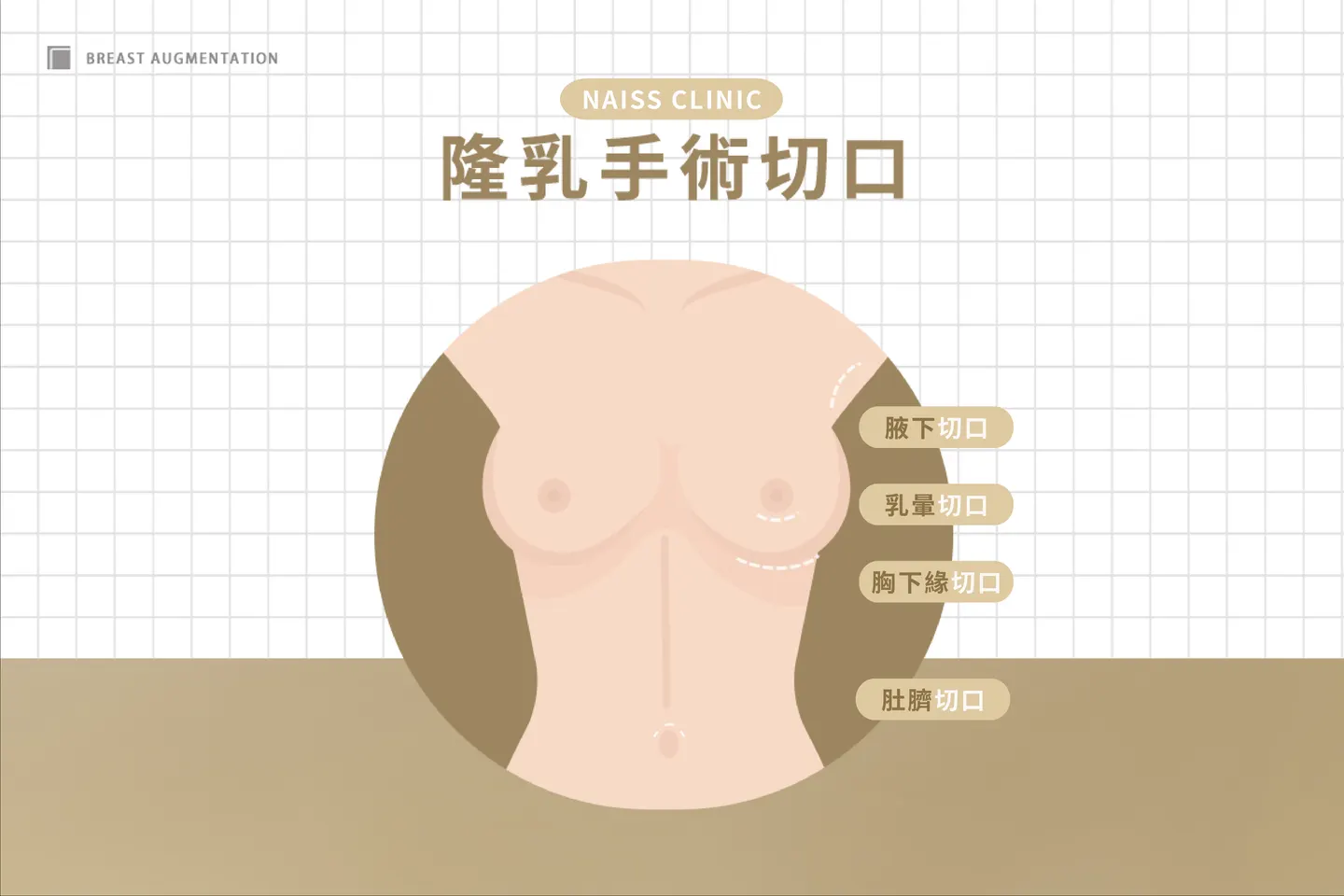
| Features | Best For | |
|---|---|---|
| Armpit | Hidden incision | Those who want no scarring on the breasts |
| Areola | If the areola is naturally darker, the scar is visually hidden; high surgical precision | Those with larger areolas |
| Lower breast fold | Clear surgical view; the scar may rub against the bra after surgery and cause pigmentation | Those with fuller breast tissue |
| Navel | Most concealed; high demands on surgeon skill and equipment | Those who want no scarring on the breasts |
Implant Placement
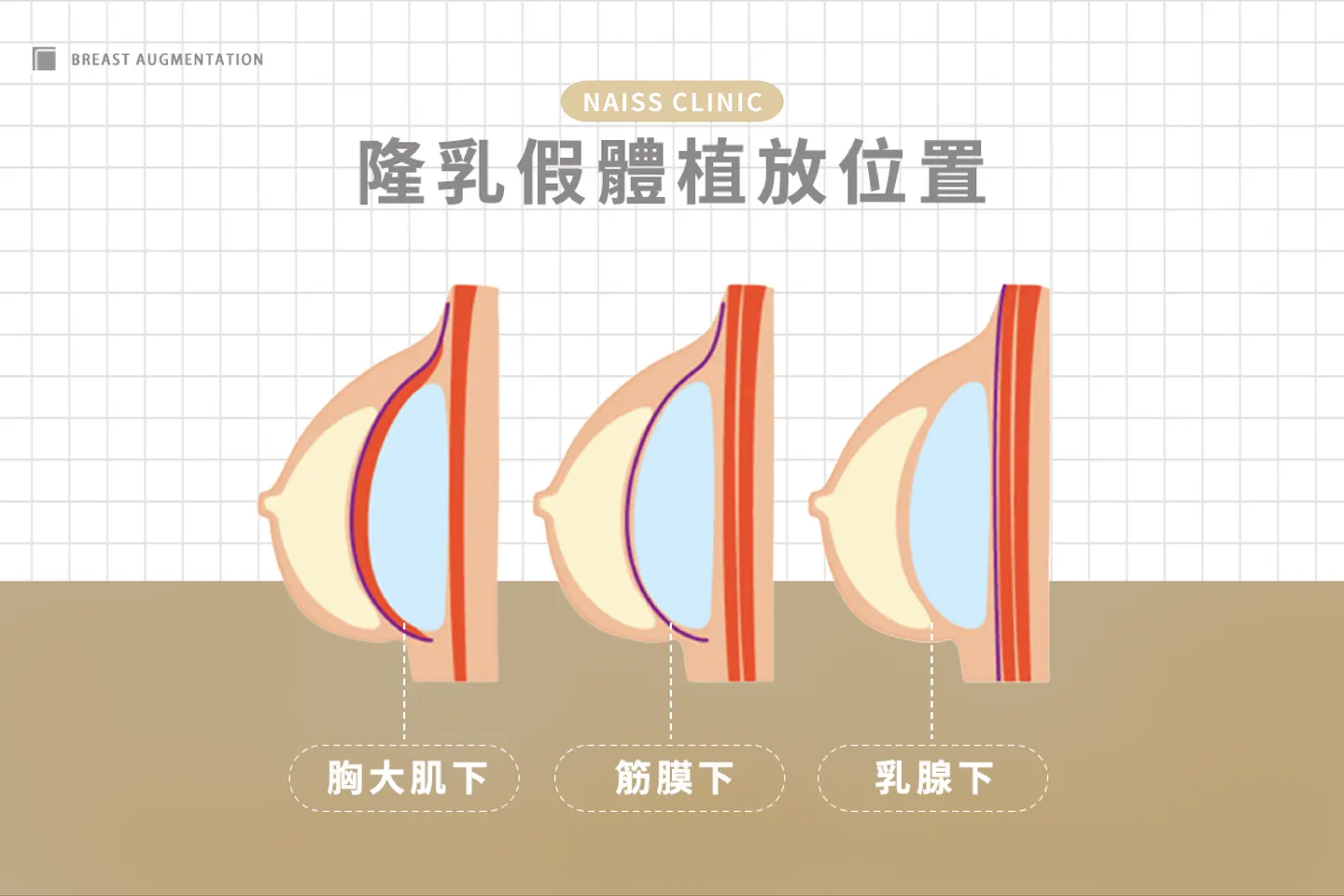
| Placement | Pros | Best For |
|---|---|---|
| Under the muscle | Natural look Good feel Less skin sagging | Those with thinner skin Those seeking a natural look |
| Under the fascia | Does not affect the pectoralis major Natural look Low blood loss Low pain Low risk of infection and capsular contracture | Fitness enthusiasts Those seeking natural beauty |
| Under the breast gland | Simple surgery Firm, full breast shape Low pain | Those who want quick recovery Those with thicker breast gland tissue |
| Dual plane | High stability Natural look Centered, full cleavage Prevents distortion from exercise | Mild breast sagging Those seeking a natural, stable breast shape Those wanting a cleavage-centering effect |
How Much Does Breast Augmentation Cost? How Is It Calculated?
| Material | Mentor Queen Wave | Mentor Smooth | Mentor Textured | Mentor Teardrop | Sebbin | Motiva | Perle | Impleo | Mesmo (Muse Goddess Wave) |
|---|---|---|---|---|---|---|---|---|---|
| Price | NT$320,000-380,000 | NT$200,000-220,000 | NT$220,000-240,000 | NT$280,000-320,000 | NT$300,000-320,000 | NT$320,000-360,000 | NT$320,000-360,000 | NT$250,000-280,000 | NT$320,000-360,000 |
Breast augmentation costs vary with the surgical method, the material, the surgeon's experience, and other factors. In addition, aftercare (such as anti-inflammatory and anti-swelling medication, diet, and scar treatment) is another factor that affects the cost.
What Should You Know Before Breast Augmentation?
- Pre-op health checks (blood tests, breast ultrasound, etc.)
- Medication, allergy, and chronic disease history must be provided for your doctor's reference
- Stop taking aspirin, anticoagulants, and hormonal medication 2 weeks before surgery
- Avoid smoking before surgery; nicotine affects blood circulation and slows wound healing
8 Breast Augmentation Complications, Not Just Capsular Contracture
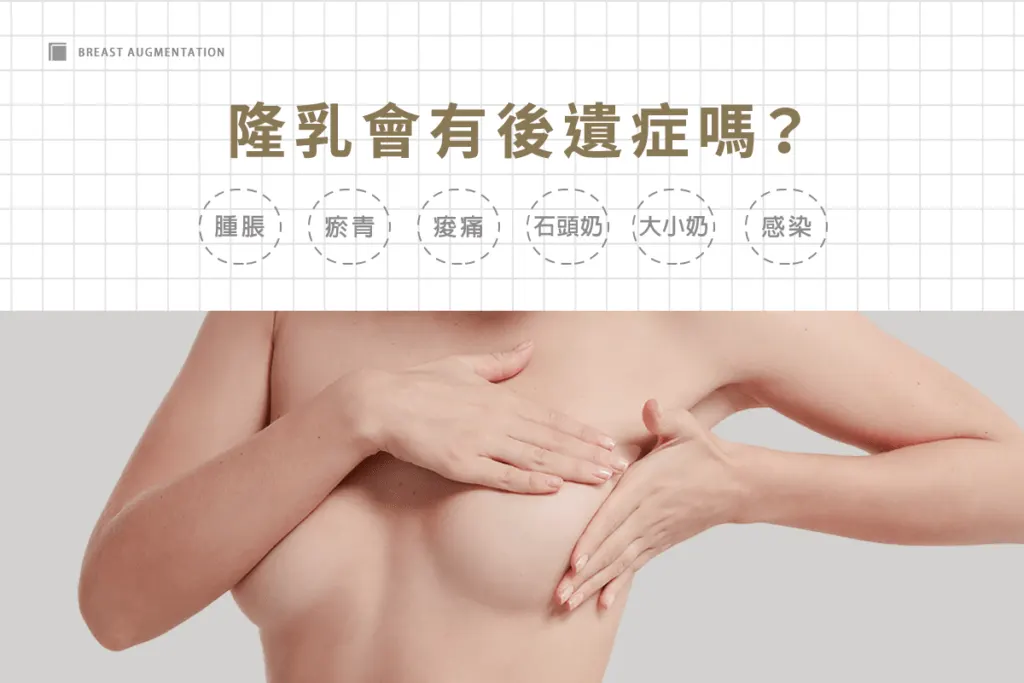
Unnatural Breasts with Differences in Size and Height
After surgery, patients should follow their doctor's instructions and wear the support bra to keep the breast shape stable and lower the chance of asymmetry
Capsular Contracture
Capsular contracture is the body's defensive reaction to an implant. When this capsule thickens excessively, the breast may become hard, look unnatural, and even cause pain. To avoid capsular contracture, patients can massage after the wounds heal, which helps soften the breast tissue
Rippling
Implants with a lower fill rate may not be fully covered by tissue, leading to creases in the breast that look like ripples in water. Slim patients can use fat transfer after surgery, which both increases softness and hides the rippling defect.
Nerve Damage
Placing an implant requires dissecting tissue, such as the pectoralis major muscle or fascia, so some degree of nerve damage during surgery is unavoidable. Common problems: reduced nipple sensation, numbness, and oversensitivity.
Hematoma
This usually occurs within 48 hours after surgery, when blood abnormally collects in the surgical area, which may cause breast tightness, pain, or even swelling. Discussing your personal medical history thoroughly with your doctor before surgery and undergoing a comprehensive health check can effectively lower the risk of hematoma.
Incorrect Implant Position
To reduce the chance of these problems, you must wear a support bra after surgery. If the problem does not improve, surgery may be needed to reposition the implant
Surgical Infection
Common symptoms: redness, swelling, pain, or inflammation; in severe cases the implant may even need to be removed
Implant Rupture or Leakage
An implant may rupture or leak due to impact or aging; if this happens, the implant must be replaced promptly
How Can You Recover Quickly After Breast Augmentation?
- With your doctor's approval, massage for 5-10 minutes a day to help soften the breast tissue
- Avoid underwire bras to prevent distortion of the breasts or pressure on the incisions
- Stop taking aspirin and other anticoagulant medications for 2 weeks to avoid interfering with healing
- No smoking or drinking, and avoid spicy or blood-activating foods to reduce irritation to the wounds
- Eat more foods containing vitamin C and vitamin E to help tissue repair and softening
- After the stitches are removed, use scar-fading gel to help fade and repair scars
- Keep the wounds clean and limit sun exposure to prevent infection and scar overgrowth
What About Breast Implants as You Age?
As we age, the skin and tissue of the breasts gradually lose elasticity, and this does affect breast implants. Implants may deform or shift to some degree with age, so regular checkups and necessary revision surgery are a must.
Breast Augmentation Patient Stories
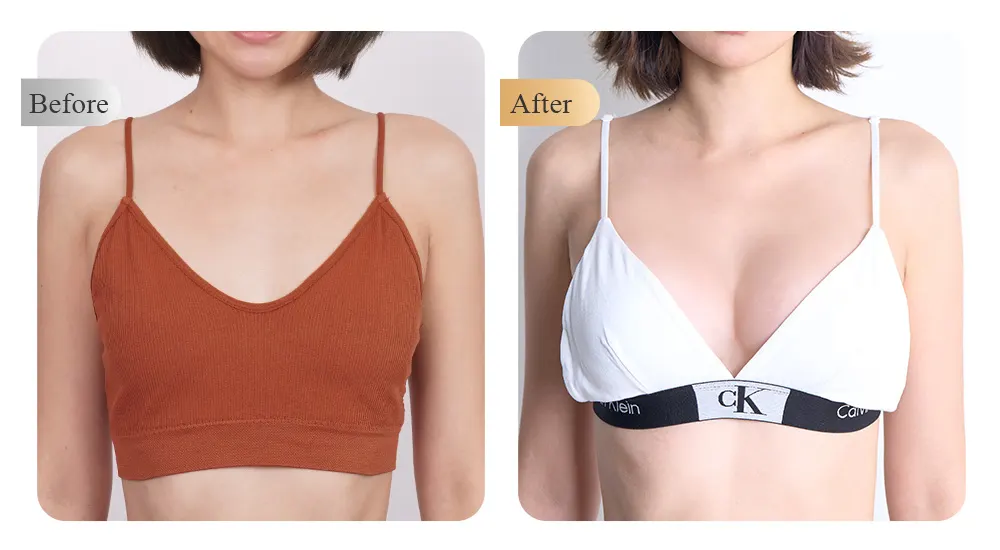
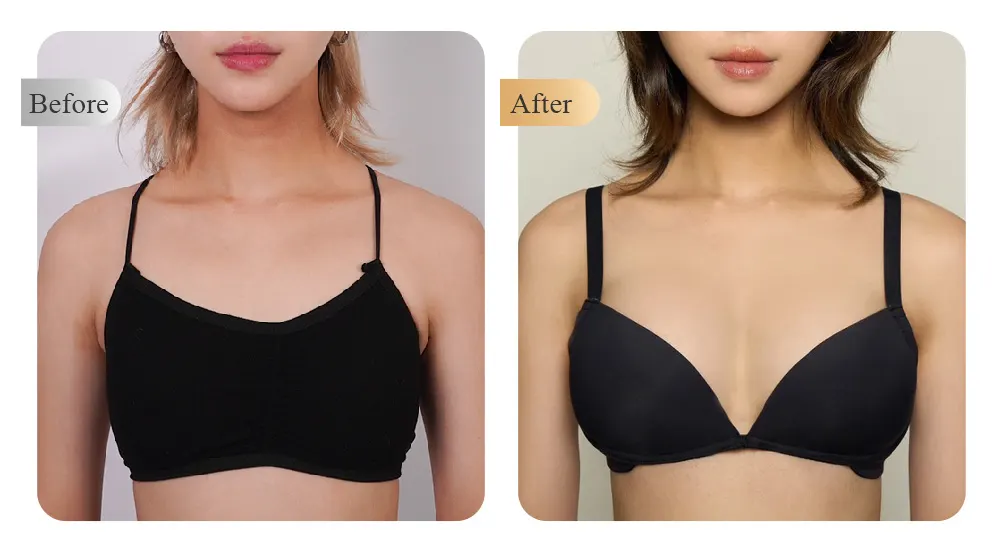
This article is for general information only. Results vary from person to person; please consult a doctor in person before deciding on any treatment.