Contents
Skin allergies are mostly caused by contact with a specific allergen, which triggers an allergic reaction in the body and results in redness, swelling, itching, and pain. Sensitive skin, on the other hand, means that "the skin has a lower tolerance to external irritants." It is easily affected by changes in weather, the environment, diet, and skincare ingredients, leading to a burning sensation, redness, dryness and itching, roughness, and similar symptoms. Many people with sensitive skin worry that a picosecond laser will make their skin even more sensitive, but in fact, as long as you do 4 things in your daily life, even sensitive skin can be treated with picosecond laser, so you can enjoy the chance to look your best!
5 Common Symptoms of Sensitive Skin
Do you have sensitive skin? With changing lifestyles and habits, plus weather changes and air pollution, many people's skin has become sensitive without them noticing. But does that mean you have sensitive skin? You can check these 5 symptoms to find out:
1. Peeling
Skin peeling is a common skin problem. It usually means the skin barrier is weak or damaged, which lets irritants penetrate easily and causes the skin to lose moisture more readily, leading to dryness. Using a moisturizing cream keeps the skin hydrated, and avoiding products that contain alcohol or irritating ingredients can help reduce peeling.
2. Roughness
Rough skin often goes hand in hand with dry skin. Dehydrated skin, long-term late nights, exposure to polluted air, and a lack of vitamins can all make the skin rough.
3. Itching
Redness, itching, burning, and stinging are all common discomforts of sensitive skin. Stress, dehydration, and exposure to polluted air, cold air, and UV rays can all easily cause itchy skin.
4. Tightness
Tight skin is another condition that people with sensitive skin often experience. It means the skin is losing water and cannot hold enough moisture, and if it is not cared for promptly, it may lead to more discomfort.
5. Dryness
Dry skin is caused by a lack of water in the body. People with dry skin are 3 times more likely to have sensitive skin than the average person! We recommend using face masks often, drinking plenty of water, quitting smoking, and limiting alcohol, all of which help increase the skin's moisture content and improve dryness.
Before a Picosecond Laser Treatment for Sensitive Skin: 4 Key Points
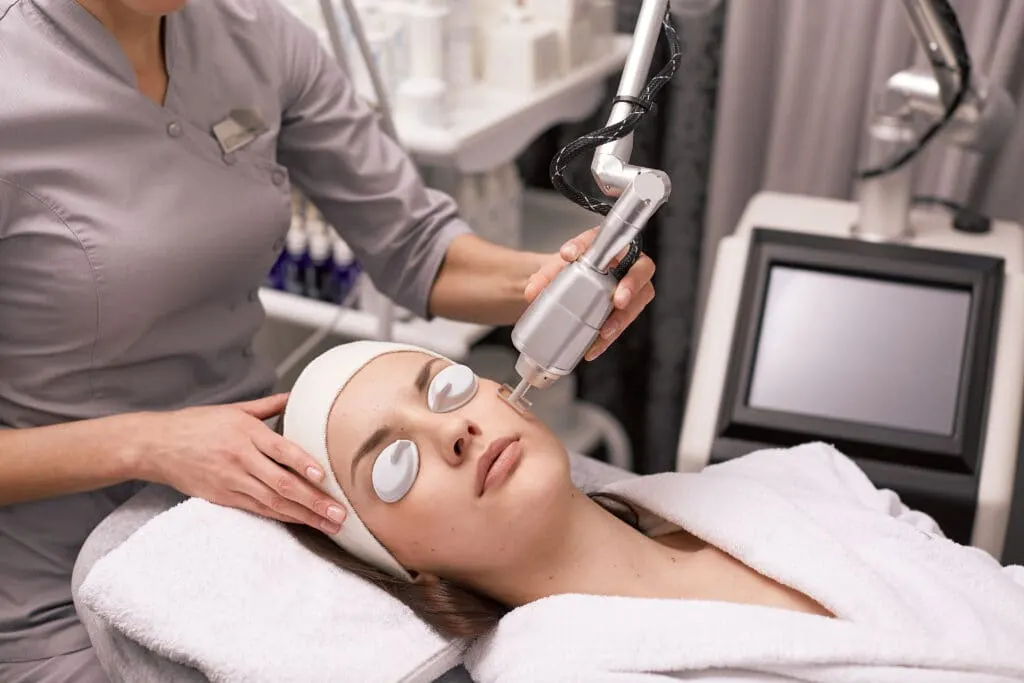
People with sensitive skin are not barred from picosecond laser treatment. Rather, their skin needs to be in a stable condition before getting a picosecond laser treatment so that the skin barrier is strong enough to withstand the laser energy. If your skin is sensitive and red before the treatment, a picosecond laser should not be done right away. Numbing cream is applied before the treatment, and because sensitive skin is more fragile, we recommend starting with a hydrating and repair infusion program to improve skin health and moisture levels and reduce discomfort after the numbing cream is applied.
People with sensitive skin are advised to do the following 4 things in their daily lives to keep their skin stable and strengthen the skin barrier:
1. Eat a healthy diet. Eat plenty of fruits, vegetables, healthy fats, and vitamins A, C, and E, avoid too many spicy and other irritating foods, and stay away from cigarettes and alcohol as much as possible.
2. Keep a regular daily routine. In particular, get at least 8 hours of sleep and avoid staying up late unless necessary.
3. Use gentle skincare products. Choose fragrance-free and alcohol-free products, avoid products with irritating ingredients such as acids, and pair them with a moisturizing cream to keep the skin hydrated and reduce sensitivity.
4. Step up your sun protection when you go out, and avoid long periods in the sun to reduce UV damage.
Once your skin is in a healthy and stable state, you can have picosecond laser treatment. This not only reduces sensitivity and discomfort but also improves the results of the laser, so you can enjoy enviable skin quality!
This article is for general information only. Results vary from person to person; please consult a doctor in person before deciding on any treatment.