Contents
To get rid of “strawberry nose,” many people use pore strips at home or even squeeze with their fingers, only to find the problem keeps coming back and their pores gradually become larger and more noticeable. In fact, what you are clearing is not blackheads but “sebaceous filaments.” This article explains what sebaceous filaments are, what causes them, why they become noticeable, how to tell them apart from blackheads, and how to care for your skin correctly.
What Are Sebaceous Filaments, and How Do They Form?
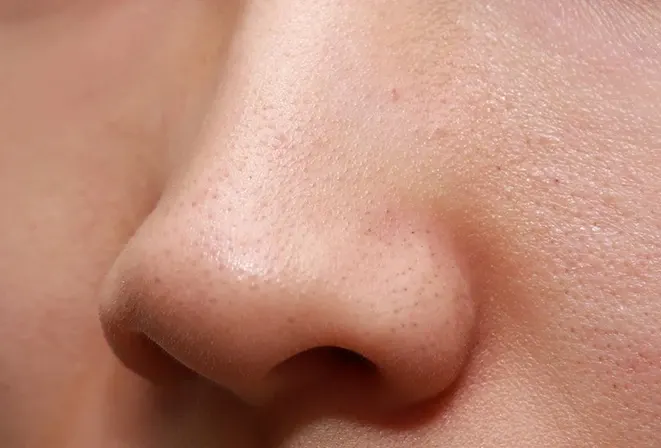
Sebaceous filaments are normal deposits from sebaceous gland activity. They sit inside the pore and look like tiny black dots from a distance; when squeezed out, they are usually tiny, thin, yellowish-white thread-like strands. The function of a sebaceous filament is to carry the oil produced by the sebaceous gland to the skin surface, keeping skin moist and providing a protective barrier, which is a normal mechanism of oil secretion by the skin.
What Causes Sebaceous Filaments
After the sebaceous glands secrete oil, it mixes with bacteria and dead skin cells to form sebaceous filaments, which regrow in a repeating cycle that follows the skin’s natural turnover cycle of about 30 days.
Common Locations for Sebaceous Filaments
Sebaceous filaments appear most often in areas of the face where sebaceous glands are very active, including the tip of the nose, sides of the nose, between the eyebrows, forehead, chin, and other oily T-zone areas. They also occasionally appear on the cheeks, and the chest, back, and other areas can also develop noticeable sebaceous filaments.
Oily Face With Blackheads and Acne? Proper Skincare Tips to Improve Skin Problems
2 Main Factors That Make Sebaceous Filaments More Noticeable
Everyone has sebaceous filaments on their face as part of normal skin structure. However, the following 2 main factors can make them look larger and more noticeable:
1. Enlarged pores
When pores are larger, sebaceous filaments more easily poke out of the follicle opening and show on the skin surface.
2. High sebum production
When sebum production is high, sebum fills the pores and may form slight bumps on the skin surface.
In skin that tends to be oily, sebum secretion is more active and pores are mostly larger, so sebaceous filaments are more noticeable in people with oily skin. By contrast, people with dry skin are less likely to have noticeable sebaceous filaments.
Learn more:
What to Do About Enlarged Pores? Can Picosecond Laser Really Improve Them?
Ready for the Season Change! Picosecond Laser for Pore Concerns
Who Is More Likely to Have Noticeable Sebaceous Filaments?
Many everyday factors affect pore size and sebum production, which in turn make sebaceous filaments more noticeable. The following groups are more likely to have noticeable sebaceous filaments:
1. Puberty or middle age
As we age, sebaceous gland function increases during puberty, and the glands begin to enlarge and secrete more oil. In addition, in middle age (40-50 years old), skin begins to loosen and pores enlarge, which also makes sebaceous filaments more noticeable.
2. Genetically enlarged pores
Some people are born with large pores and thicker hair, which makes the sebaceous filaments in the follicles more obvious.
3. Poor skincare habits
Excessive sun exposure or improper cleansing may slow skin cell turnover and clog pores, enlarging them, which also makes sebaceous filaments look bigger.
Sebaceous Filaments vs. Blackheads
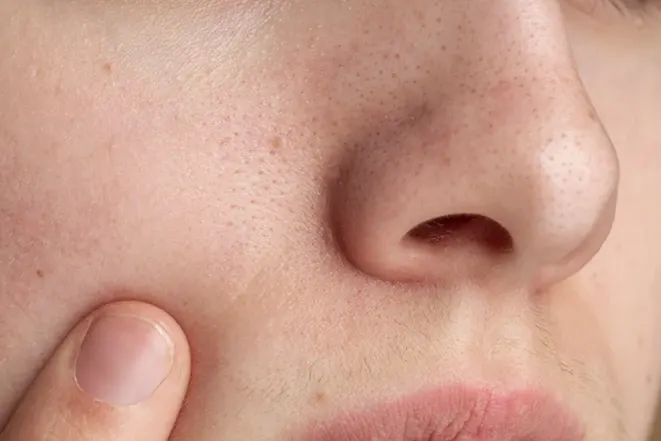
Many people mistake sebaceous filaments for blackheads, but even after you painstakingly squeeze them out, sebaceous filaments keep growing back. You think you are squeezing out blackheads, but you are actually disrupting the skin’s normal oil secretion mechanism and harming your skin.
Here are 2 differences to help you quickly tell sebaceous filaments from blackheads, so you can avoid improper cleansing that leads to skin discomfort or even enlarged pores:
1. Difference in cause
2. Difference in appearance
Sebaceous Filaments vs. Blackheads Comparison Table
| Sebaceous filaments | Blackheads | |
|---|---|---|
| Cause | Normal oil secretion from the follicle | Sebum and keratin accumulate at the pore opening, causing blockage and then inflammation |
| Appearance | Grayish-white to pale yellow, turning black after oxidation Smaller | Black Larger |
| Shape when extracted | Waxy sebum with a thin, tapered tail | Cone or teardrop shape |
| Recommended approach | Make sebaceous filaments less noticeable by improving enlarged pores | To keep them from developing into acne, strengthen skin cell turnover, and if necessary have a professional extract them the proper way |
Learn more:
The Causes of Comedones Revealed! Prevention, Common Pitfalls and Skincare Tips
A Complete Guide to Saying Goodbye to Comedones: Refresh Your Skin!
3 Skincare Strategies to Improve Sebaceous Filaments
Although sebaceous filaments look dark, this is a normal phenomenon and does not mean the skin is dirty, so in theory they do not need special treatment, and squeezing them may damage the skin barrier and even stretch the pores, making them even larger.
To improve sebaceous filaments, start by easing enlarged pores. The following 3 skincare strategies are recommended:
1. Change your daily routine to avoid excess oil production
Excessive oil production causes sebum and dead skin cells to accumulate and stretch the pores. We recommend improving your sleep schedule and diet: keep a healthy daily routine and cut back on irritating foods (such as fried and spicy foods) so that sebum is not continuously overproduced, which worsens enlarged pores.
2. Gentle cleansing and protecting the skin’s outer layer
Sebaceous filaments can worsen when sebum secretion is imbalanced and dirt accumulates, so daily facial cleansing is very important. When choosing a cleanser, we recommend amino acid surfactants instead of irritating surfactants such as SLS and SLES, so that pores are cleaned gently while the skin’s oil-water balance is maintained, which helps reduce the excessive formation of sebaceous filaments.
In addition, unnecessary exfoliation or over-cleansing tends to pull on the pores and make them larger. We recommend cutting back on exfoliation or irritating acid ingredients, and avoiding washing your face too many times a day (no more than about 2 times).
3. HydraFacial
When skin is too dry or ages, its ability to hold water declines, and collagen and elastin are lost, so the skin loses elasticity and pores find it harder to stay at their original size. When skin develops laxity, fine lines, and similar problems, pores and sebaceous filaments also become more noticeable.
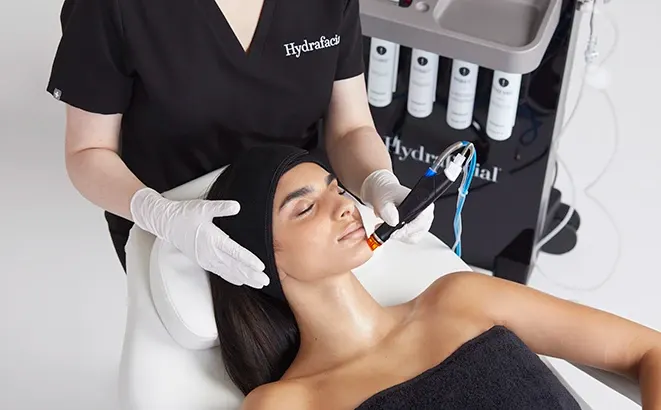
With HydraFacial, you can get gentle cleansing as well as deep hydration, helping you achieve well-hydrated, healthy skin:
HydraFacial Features
5 Skin Concerns HydraFacial Improves
Learn more:
HydraFacial Syndeo Upgrade? Are Influencers Using It? A Guide to Benefits and Precautions
This article is for general information only. Results vary from person to person; please consult a doctor in person before deciding on any treatment.