Contents
Still wondering whether you should use a face mask every day? With more and more types of masks and benefits on the market, daily use is no longer the main worry. What matters is how to solve skin problems at the root! Although masks have many benefits, that does not mean every skin concern can be solved with a face mask. To truly resolve skin problems, you need a professional HydraFacial. Regular monthly care helps prevent skin problems caused by air pollution, excess oil, and more!
How to Deal with Enlarged Pores
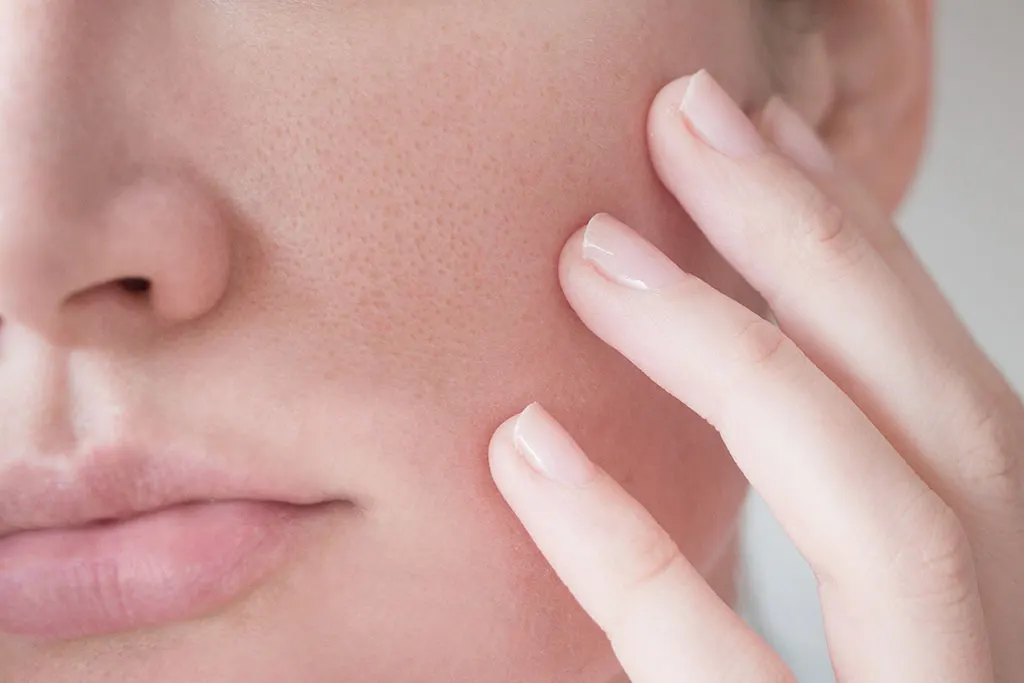
The most basic ways to deal with enlarged pores are sun protection, cleansing, and moisturizing. In addition, you can have a professional aesthetician help extract blackheads, or use aesthetic laser treatments to boost skin activity, awaken collagen, and firm the skin.
Many people buy cleansing tools or scrubs to cleanse and exfoliate at home. But if the frequency and pressure are not well controlled, hair follicles can lose elasticity and pores can end up even larger!
A quick review of the types of enlarged pores:
| Type | Keratin type | Oily type | Aging type | Dehydrated type | Inflammatory type |
|---|---|---|---|---|---|
| Where it appears | T-zone | T-zone | Around the face | Mostly on the apples of the cheeks and nasolabial folds | Around the face |
| Texture Appearance | Rough Uneven skin tone | Shiny Blackheads/whiteheads | Loose Lacks elasticity No wrinkles | Dry Dull | Comedones Milia Red/purple spots Pustules |
Read more:
All About Enlarged Pores! Causes and Solutions Explained
This Is Why Your Pores Are Enlarged! How Many Skincare Mistakes Are You Making?
Can You Use a Face Mask Every Day?
Dry skin can lead to enlarged pores, so in your home skincare routine you can use a face mask to give your skin an intense hydration boost, replenishing moisture and locking it in. According to dermatologists, a mask conforms to every inch of skin, allowing complete hydration and absorption, so using a mask every day is fine for moisturizing and you do not need to space them out. However, “functional” masks need special attention, because functional masks (such as whitening or exfoliating masks) are more irritating to the skin around the eyes, so daily use is not recommended.
Does the Way You Apply a Mask Affect the Results?
Many people recommend chilling a mask first. A dermatologist has addressed this myth, explaining that the moisture from a face mask is only absorbed through the epidermis into the stratum corneum and does not go into the pores, so there is no need to chill the mask or soak it in warm water. The doctor also reminds everyone that skincare products should generally not be heated too high, since heat can degrade serums and the other ingredients they contain. So whether the mask is chilled or warmed, it does not affect the results; at most, it only makes the experience more comfortable for you!
Finally, a small tip from our team: after taking off a face mask, we recommend rinsing your face, then finishing the rest of your usual skincare steps. This helps avoid allergic reactions and discomfort!
How HydraFacial Works and What It Improves
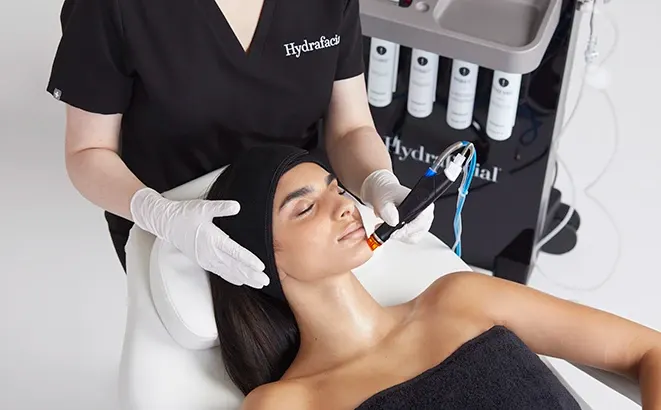
HydraFacial is a non-invasive aesthetic treatment, whose main goal is to deep-clean pores and improve skin condition, resolving skin problems at the root and keeping skin healthy.
HydraFacial uses patented technology, built on three principles: cleanse, extract, and infuse. It first uses a fine jet of water and vacuum suction to clean the pores, removing dirt, leftover makeup, and clogged sebum, then infuses a serum for both cleansing and skincare, while also resolving dullness and comedones. Adding different serums can also deliver whitening and anti-wrinkle benefits.
Read more:
What Is HydraFacial, the Treatment Everyone Loves? The Top Painless Blackhead-Clearing Device
How Often Should You Get HydraFacial?
Skin turnover takes about 26-30 days, so we recommend a HydraFacial treatment once a month to keep skin functioning in good health. People with oily skin (frequent oiliness, breakouts, and so on) are advised to come more often, and once every 20 days is fine too! HydraFacial can moderately control sebum secretion and improve skin condition, reducing breakouts caused by oil production. On the other hand, sensitive skin is better off with longer intervals between treatments to lower the risk of side effects.
Is HydraFacial Right for Every Skin Type?
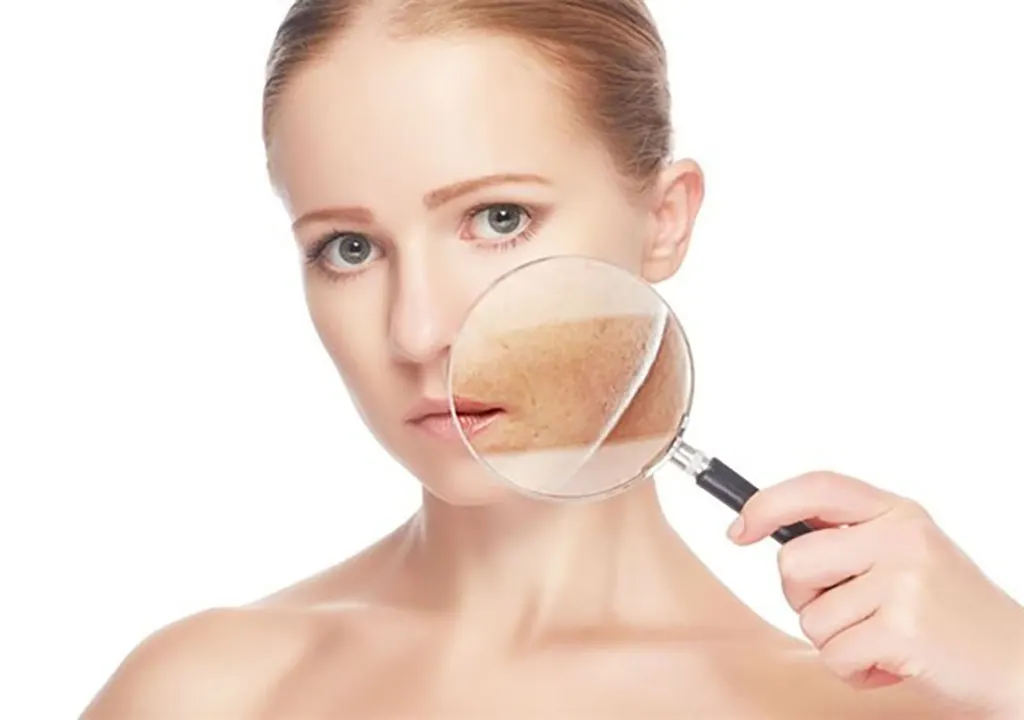
HydraFacial is suitable for all skin types, and can even be performed on rosacea-prone skin! However, people in any of the following situations must be evaluated by a doctor before receiving HydraFacial.
1. Open wounds.
2. Lupus erythematosus.
3. Atopic dermatitis.
4. Currently undergoing acid treatment, such as vitamin A acid (retinoic acid).
5. Having just had a facial laser treatment.
To avoid over-irritating more sensitive skin, please be sure to tell your doctor if any of the above applies to you.
When HydraFacial Beats Picosecond Laser for Enlarged Pores
When people run into skin problems, the first thing that comes to mind is often “picosecond laser,” whose results are clearly visible and can address dullness, acne scars, and pore problems, but which requires a longer recovery time. By contrast, “HydraFacial” has no downtime and can still solve the root of skin problems, and enlarged pores can also improve through HydraFacial’s deep hydration. In short, both HydraFacial and picosecond laser can solve common skin problems. Which treatment to choose depends on how severe your condition is, what you want to improve, and your budget.
Although both HydraFacial and lasers can solve problems, there is one type of patient who is not suited to picosecond laser and should always choose HydraFacial for skin concerns: people with “acne all over the face and unstable skin”. Many people with oily skin keep breaking out because of excessive oil production, and insisting on laser over such a skin base may cause “acne flare-ups” or “severe facial allergic reactions.”
Read more:
Save Your Pores! Can Lasers Really Shrink Pores?
How to Tell If a HydraFacial Machine Is Genuine
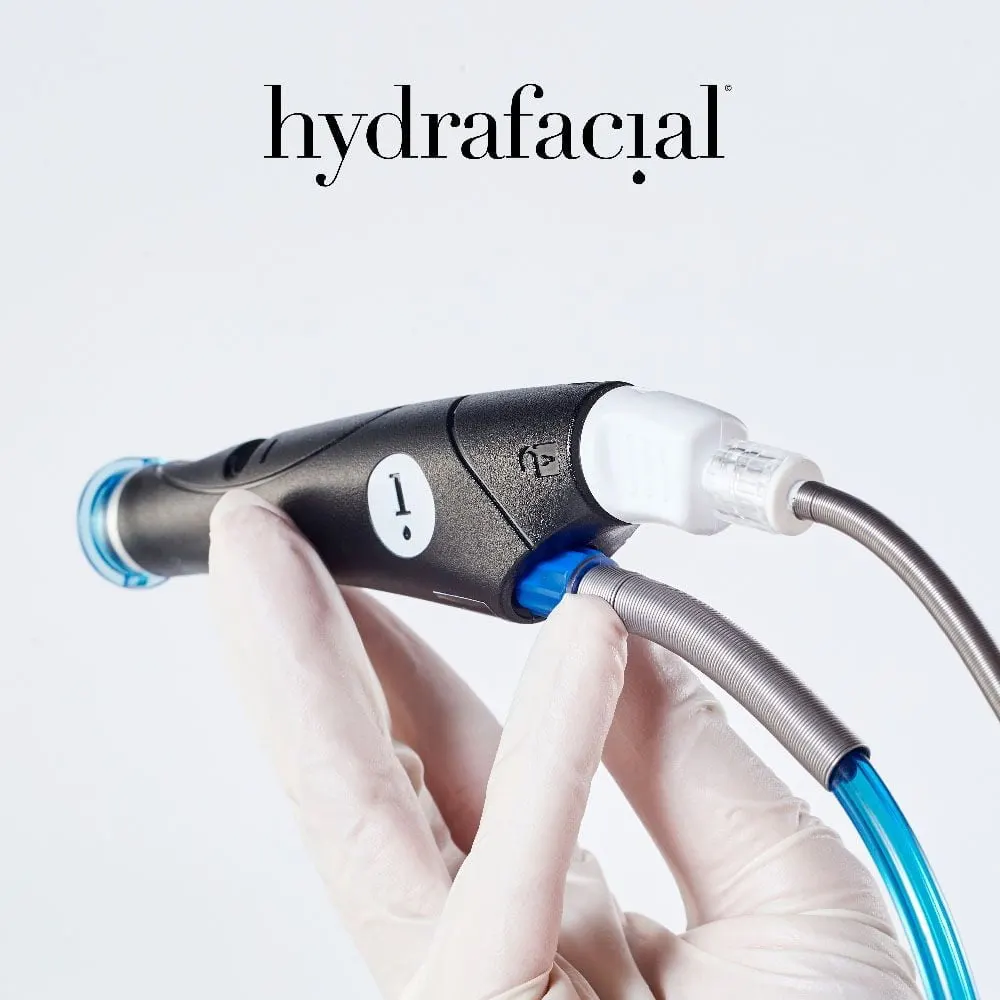
HydraFacial devices have spread quickly, with all kinds of machines out there. Many patients report that after earlier visits to other clinics, their skin did not improve and even became more sensitive. This has made people lose trust in “HydraFacial” and thrown the market into chaos. Besides telling by the treatment price, you can also use the methods below to confirm whether a machine is a genuine, manufacturer-imported unit.
To tell whether a HydraFacial machine is genuine and made in the U.S., just check these three things:
1. A three-step serum system plus a dedicated display stand, and also look for the genuine HydraFacial exclamation-mark logo (marked on the serums).
2. A black handpiece.
3. A 2024 HydraFacial manufacturer certification.
Another way to tell is if you can see a “long string” of packaged tips in the clinic! Genuine machines use disposable tips for both hygiene and safety.
You can also use the lookup link to check whether the clinic you plan to visit is on the list.
Read more:
New HydraFacial Syndeo Upgrade? Are Influencers Really Using It? Benefits and Precautions Guide
What to Do About Enlarged Pores? Can Picosecond Laser Really Help?
This article is for general information only. Results vary from person to person; please consult a doctor in person before deciding on any treatment.