Contents
- Laser Toning: Proactive Everyday Skin Maintenance
- Picosecond Laser: Resolves the Most Skin Problems
- Fractional Laser: The Nemesis of Pitted Scars and Enlarged Pores
- Dye Laser: First Choice for Vascular Lesions
- Alexandrite Laser: First Choice for Brightening and Spot Fading, Plus Hair Removal
- Comparing the 5 Laser Treatments
Dull skin, dark spots, acne scars, and enlarged pores can generally all be treated and repaired with lasers. A laser delivers heat energy into the dermis, destroying existing dark spots, acne scars, and enlarged pores, while the skin’s own repair ability stimulates collagen production to repair the treated areas. There are many laser treatments on the market, such as picosecond, fractional, laser toning, and dye lasers. This article explains the common types of aesthetic lasers and their effects, so you can better understand which laser treatment suits you.
Laser Toning: Proactive Everyday Skin Maintenance
Pros: Lightens spots, evens out skin tone, minimizes pores
Cons: Cannot resolve serious skin problems; without proper aftercare, skin may darken again
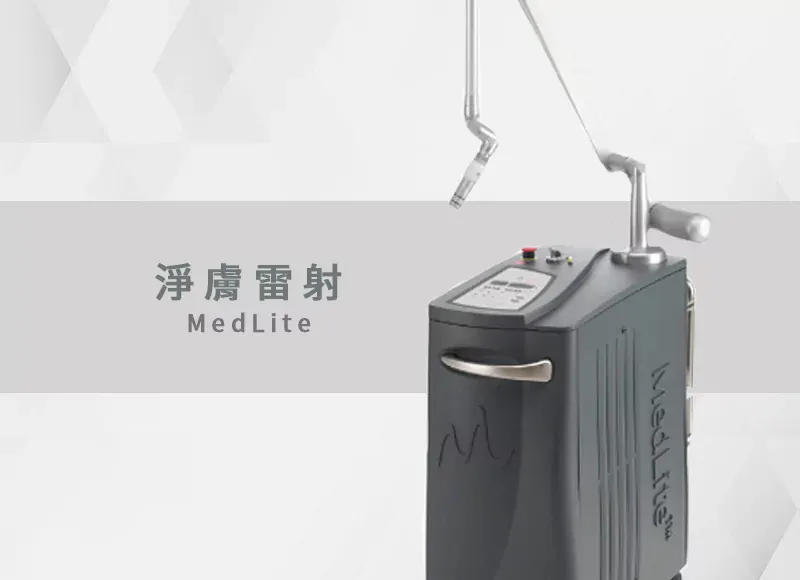
Laser toning can improve uneven skin tone and dullness, lighten spots, and minimize pores. It is a relatively proactive treatment for everyday skin maintenance. It uses a 1064 nm laser wavelength to deliver laser energy to the dermis, breaking down deeper melanin while stimulating collagen production, and it can also indirectly improve skin problems such as acne and comedones.
However, laser toning is slow. The laser light stays on the skin for a longer time, so the heat irritates the skin more, and without proper care during healing, there is a high chance the skin will darken again (rebound pigmentation). If you want to resolve more serious skin problems, laser toning will not deliver a noticeable result!
Picosecond Laser: Resolves the Most Skin Problems
Pros: Stronger melanin-breaking ability, less thermal damage to the skin, short recovery. Using a honeycomb lens can treat pitted scars and enlarged pores
Cons: More expensive than other laser treatments

A picosecond is a unit of time. Each laser pulse lasts 0.000000000001 seconds, producing a powerful photoacoustic shockwave effect in an extremely short time that shatters melanin into dust-sized particles, which the body then clears through its metabolism. Because the pulse is so fast, it causes almost no thermal damage to the skin, and recovery is short. It can be used to treat dull skin tone, enlarged pores, spots, and pitted acne scars.
Picosecond laser and laser toning can both repair dullness, uneven skin tone, and enlarged pores. But to remove acne scars or more serious pore problems, you need picosecond laser with a honeycomb lens, which focuses the original laser energy and magnifies it 24-fold to break down existing damaged skin, then stimulates the skin to produce new collagen for repair. After treatment you can also feel firmer, brighter skin.
I want to learn about StarWalker PQX
The Latest 2023 Picosecond Laser: Third-Generation StarWalker PQX ≠ StarWalker Picosecond Laser
Fractional Laser: The Nemesis of Pitted Scars and Enlarged Pores
Pros: Effectively treats scars, pitted scars, acne scars, and enlarged pores
Cons: Mild redness and swelling and a prickly, itchy feeling after treatment
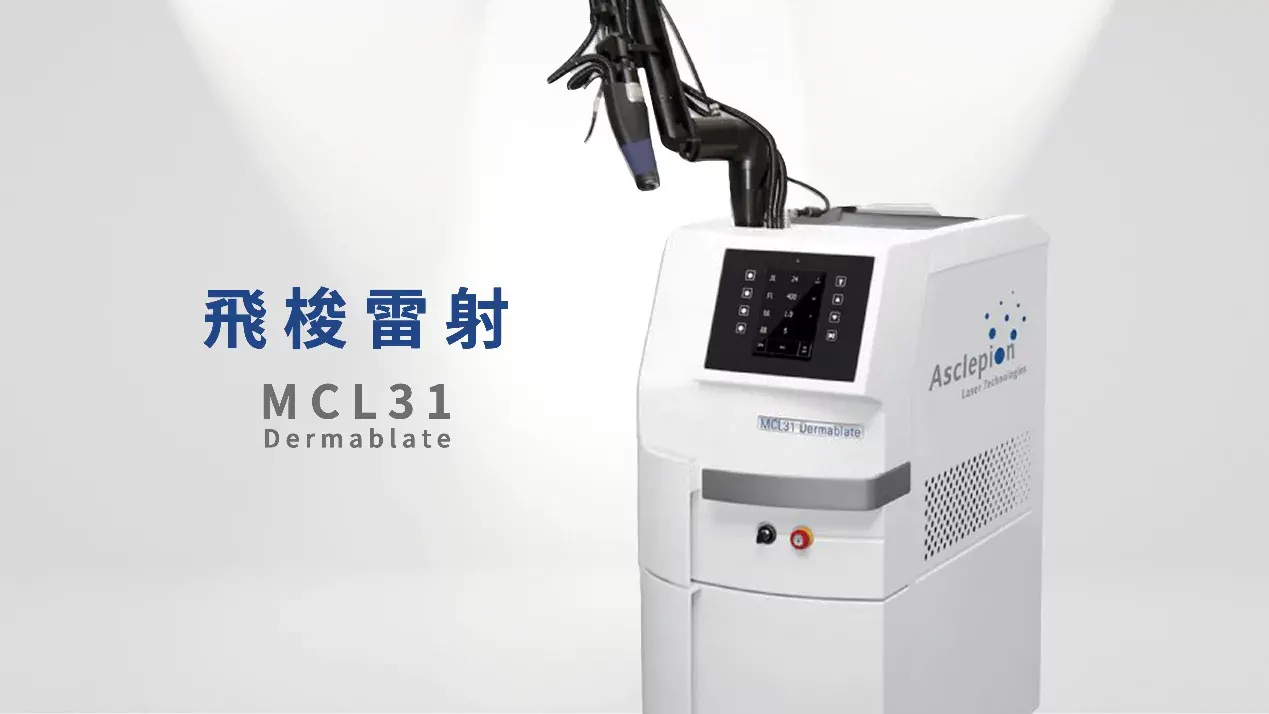
Besides fading spots and minimizing pores, fractional laser is mainly used to treat acne pits and scars, traumatic scars, and moon-surface-like craters in the skin.
Fractional laser uses a fractionated resurfacing approach, creating many precise, tiny heated zones in the skin. The heat destroys the fibrotic tissue of depressed scars while stimulating collagen production to fill in pits and scars and repair the skin.
Dye Laser: First Choice for Vascular Lesions
Pros: Effectively treats dark circles, telangiectasia, rosacea, hemangiomas, and other lesions
Cons: After hemoglobin absorbs the energy and is destroyed, the skin bruises; this gradually fades within about a week
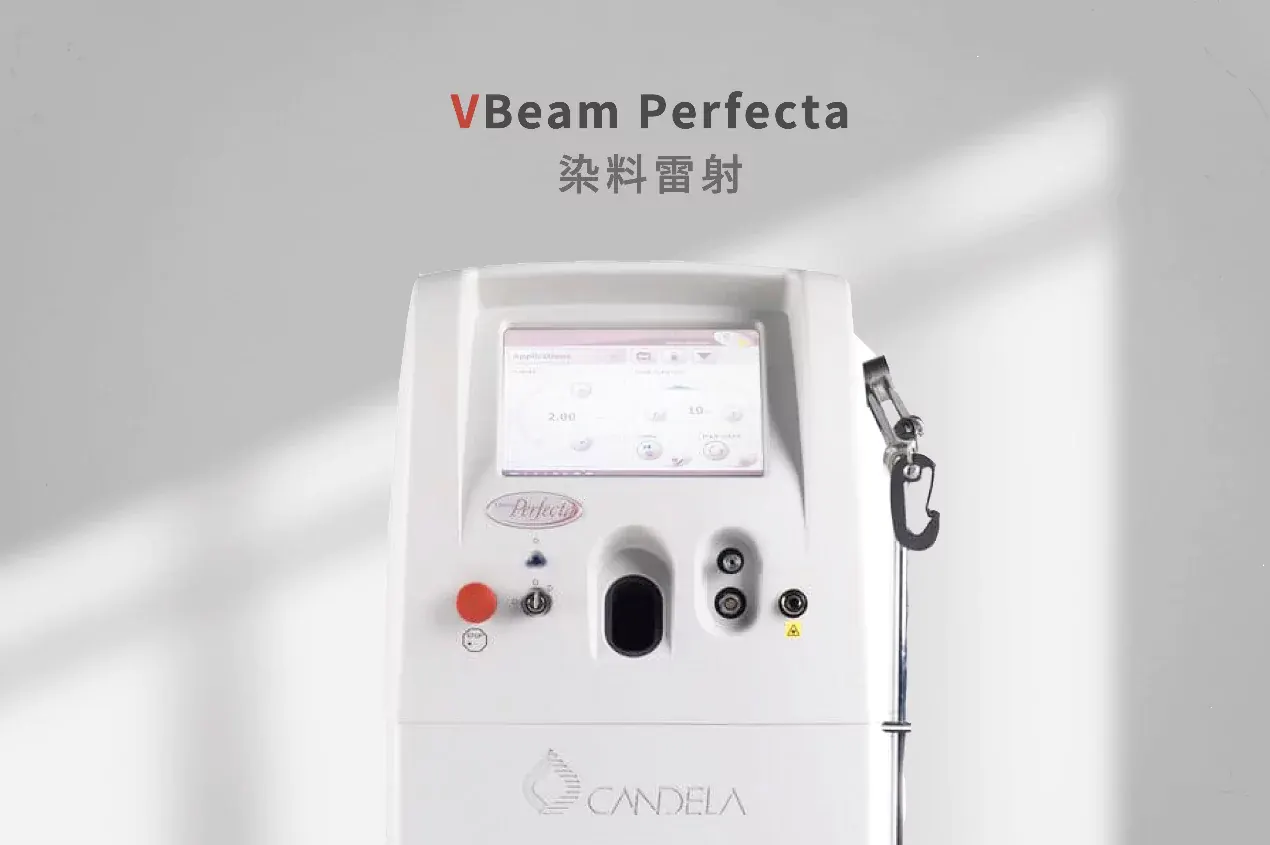
For the vascular dilation and proliferation caused by red acne scars and inflamed acne, a dye laser is the best choice. It uses a thermal effect so that oxygenated hemoglobin in the blood absorbs the energy, destroying the vessel walls and letting the pigment in the vessel wall be cleared by the body. This improves red or brown acne scars and other scars without harming the surrounding skin tissue. After multiple sessions, it effectively treats vascular lesions such as dark circles, telangiectasia, rosacea, and hemangiomas, and it is currently the best choice among vascular lasers!
Alexandrite Laser: First Choice for Brightening and Spot Fading, Plus Hair Removal
Pros: Nearly painless, the most comfortable laser treatment, and also removes fine facial hair
Cons: Multiple sessions are needed to fade spots and brighten the skin
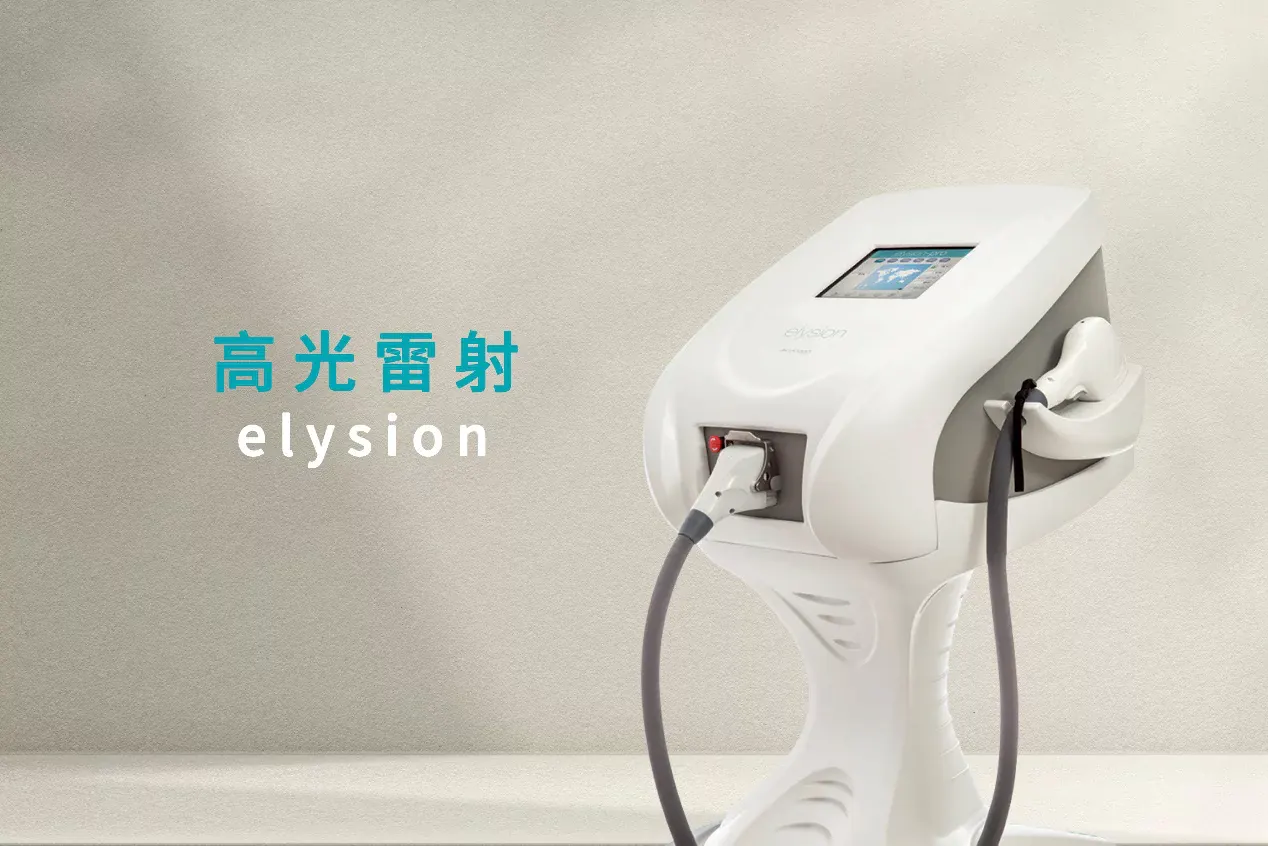
The alexandrite laser has a sapphire cooling system that keeps the treatment environment at 5°C to protect the skin from thermal damage, so treatment is painless and comfortable. It uses the 755 nm wavelength, which melanin absorbs most efficiently, to precisely reach the dermis and break down melanin. Besides fading spots and brightening the skin, it also destroys the stem cells in hair follicles so that hair falls out naturally, removing fine facial hair.
Although the alexandrite laser is the most comfortable treatment, compared with picosecond laser and laser toning, its spot-fading and brightening effects do not show immediately. It takes multiple sessions before you clearly notice the spots fading and the skin looking a shade brighter.
Comparing the 5 Laser Treatments
| Laser treatment | Laser Toning | Picosecond Laser | Fractional Laser | Dye Laser | Alexandrite Laser |
|---|---|---|---|---|---|
| Indications | Removes superficial pigment, evens skin tone | Improves deep and shallow spots and pitted acne scars, brightens skin tone | Improves pitted acne scars and enlarged pores | Improves dark circles, rosacea, and red blood vessels | Fades spots, brightens skin, removes fine facial hair |
| Recovery | About 3-5 days | About 1 week | About 1 week | About 1 week | No downtime |
| Cost | ★★ | ★★★★ | ★★ | ★★★ | ★ |
| Pros | First choice for everyday skin maintenance | Treats a wider range of skin problems | More effective for pitted acne scars and enlarged pores | First choice for vascular lesions | The most comfortable laser treatment and the lowest cost |
| Cons | Cannot resolve serious skin problems | More expensive | Skin easily turns red and feels prickly and itchy afterward | Skin bruises easily afterward | Multiple sessions needed for results |
Whichever laser treatment you choose, it irritates the skin more than regular skincare and costs more. After learning how the treatments differ, we recommend consulting a doctor based on your skin type and skin condition to choose the laser treatment that suits you best. That way you do not have to worry about being talked into spending money unnecessarily, and an in-person consultation helps you better understand which laser treatment you really need!
This article is for general information only. Results vary from person to person; please consult a doctor in person before deciding on any treatment.