Contents
- Cause 1 of Uneven Eyes: Congenital Asymmetry
- Cause 2 of Uneven Eyes: Levator Muscle or Skin Aging
- How to Tell Whether the Levator Muscle Is Weak
- Cause 3 of Uneven Eyes: Injury or Disease
- Way 1 to Improve Uneven Eyes: Filler Injections
- Way 2 to Improve Uneven Eyes: Botulinum Toxin Injections
- Way 3 to Improve Uneven Eyes: Double Eyelid or Levator Muscle Surgery
Do people often tell you that your eyes look tired or that you look sleep-deprived? Severely uneven eyes throw off the balance of the whole face, and makeup can't fix them. Does that really mean surgery is the only option? Not at all! There are ways to treat uneven eyes besides surgery. First, find out why your eyes are uneven and determine whether the cause lies in the bones, the muscles, or the subcutaneous fat layer, and then decide which treatment to use.
Cause 1 of Uneven Eyes: Congenital Asymmetry
Uneven eyes fall into two main categories, congenital and acquired. Congenital uneven eyes are related to the facial muscles, bone structure, and the shape of the eyelids. For example, when the facial bones differ in size, the orbital bones and cheekbones sit at different heights, so the eyes cannot be positioned symmetrically, or the eyes differ in shape and size, or the double eyelid creases are asymmetrical (one single eyelid and one double), and eyelid thickness affects the eyelid crease, so when the creases on the two eyes are asymmetrical, uneven eyes are very likely to appear.
Cause 2 of Uneven Eyes: Levator Muscle or Skin Aging
The levator palpebrae muscle mainly lifts the upper eyelid to open the eye and is connected to the tarsal plate. If the levator muscle is weak, it cannot hold up the eyelid. With age, the levator fascia in the upper eyelid that controls eye opening and closing gradually ages and loosens, losing its power to lift the eyelid and causing it to droop and cover part of the iris. When the two sides droop by different amounts, obvious uneven eyes result. Overusing the eyes, wearing contact lenses, and frequently rubbing the eyelids can also fatigue the levator muscle, causing eyelid laxity to appear earlier and raising the chance of uneven eyes.
In addition, aging also causes a loss of subcutaneous fat and connective tissue, leading to loose, drooping eyelids, which in turn leads to uneven eyes.
How to Tell Whether the Levator Muscle Is Weak
1. Observation: Check How Much of the Eyeball Shows
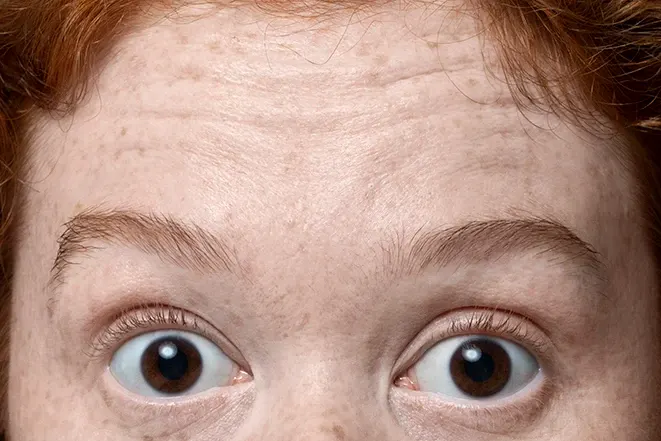
The levator muscle affects how you open your eyes, so look straight into a mirror with your eyes as relaxed as possible and check how much of the eyeball is exposed. If the eyelid already covers one third of the eyeball, you may have mild levator muscle weakness.
2. Sensation: Feel How Hard the Muscle Works
When the levator muscle is weak, the eyebrows tend to rise as you open your eyes. So you can press one hand against your brow to keep your forehead muscles from working while you blink. If, while doing this, you feel that your eyes won't open easily or open only a little, it may also be levator muscle weakness.
3. Self-Check: Answer the Following Questions
After answering the six questions above, if you answer “yes” to more than three, you may have levator muscle weakness, and you can seek an evaluation from a professional doctor.
Cause 3 of Uneven Eyes: Injury or Disease
Impact from an external force or the effects of a disease, a neurological disorder, or a heavy blow to the eye can damage the levator muscle, leaving it too weak to hold up the eyelid. The eyes then look obviously different in size. Either situation can make the two eyes open to different degrees and cause noticeable uneven eyes.
Way 1 to Improve Uneven Eyes: Filler Injections
If uneven eyes are caused by aging and loss of the subcutaneous fat layer, leaving the upper eyelid hollow or drooping, fillers can be injected to support the loose skin and balance the appearance of the two eyes. Common fillers include:
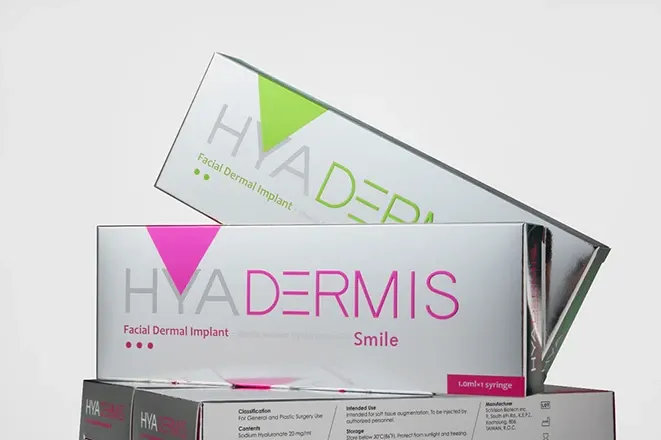
1. Hyaluronic Acid Filler
Hyaluronic acid, also called hyaluronan, is highly viscoelastic, retains water, and acts as a lubricant. In the dermis it keeps the skin hydrated and elastic, and it is widely regarded as the best moisturizing ingredient. As we age, the skin produces much less hyaluronic acid, so tear troughs, nasolabial folds, and similar signs begin to appear. Injecting hyaluronic acid into these hollow areas can restore plumpness to the skin.
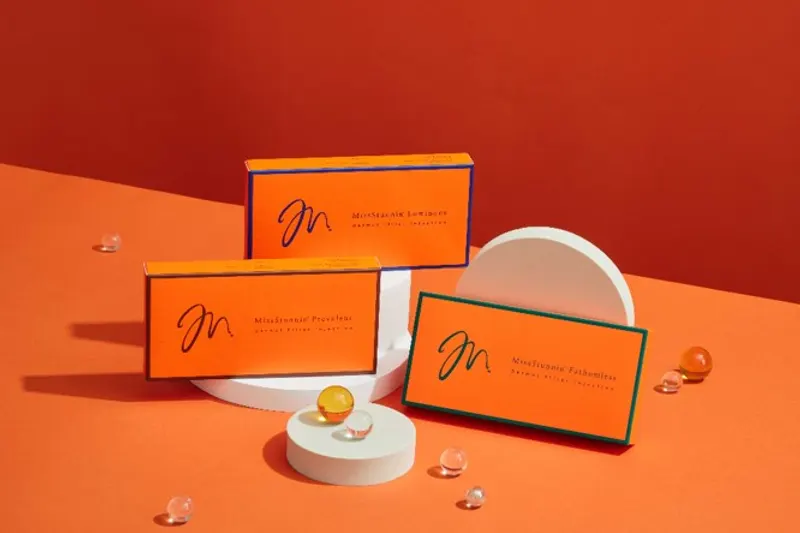
[Fairy filler, Restylane, Haide Misi, Juvéderm]
Learn more:
How Do Hyaluronic Acid Molecule Sizes Differ? Recommended cc Amounts for Popular Areas
Hyaluronic Acid Brands Compared! Which One Is Right for Me?
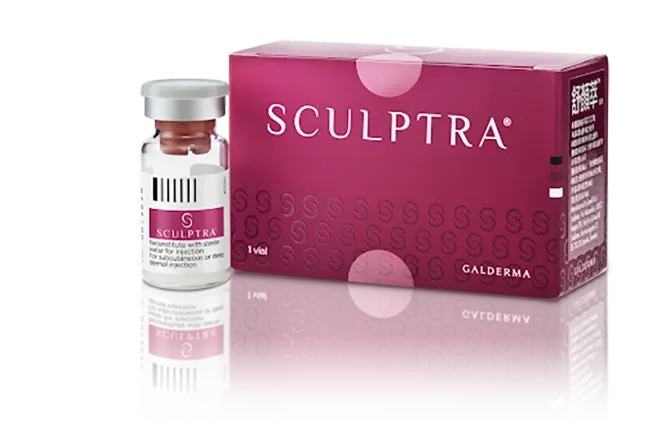
2. Collagen Stimulators
The basic principle is that once a collagen stimulator is injected into the body, it prompts new collagen to form, making the skin elastic and firm. In addition, it can fill hollows, sagging, and wrinkles, restoring youthful, plump, firm skin.
[AestheFill, Sculptra, Ellansé]
Learn more:
The Secret of Youth-Boosting Collagen Injections? How to Regain Youthful, Elastic Skin
A Miracle of Gradual Beauty! The Must-Read Guide Before Discovering the Secrets of Sculptra
3. Autologous Fat
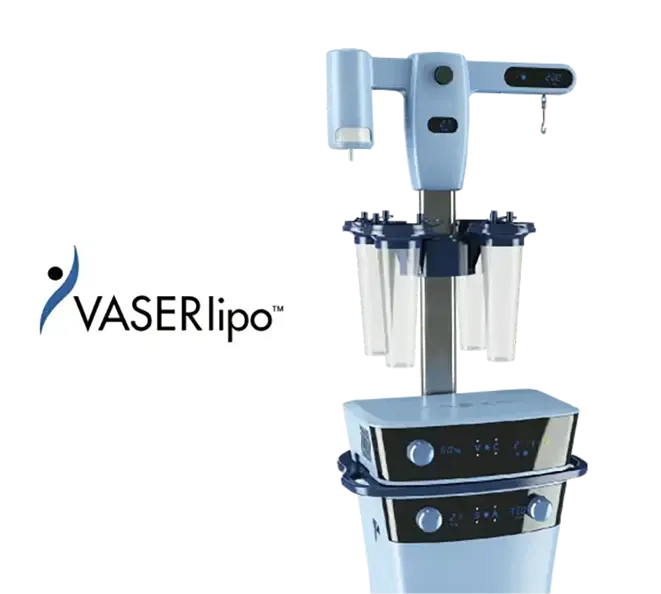
Autologous fat is harvested with VASER liposuction and then purified by professional centrifugation to remove impurities, which improves the fat survival rate. The purified fat is injected back into the face to correct hollows.
Filler injections have a short recovery time and can quickly fill hollows to restore normal eye size. Results generally last 1-2 years after injection, and if you choose autologous fat grafting, the results may last even longer.
Way 2 to Improve Uneven Eyes: Botulinum Toxin Injections
The main function of botulinum toxin is to relax muscles. It can be used on the muscles around the eyes and, after a doctor's evaluation, injected at different sites to balance muscle tension and improve eye size. It is most often used for uneven eyes caused by a tight orbicularis oculi muscle, where botulinum toxin can relax the orbicularis oculi to make the two eyes more balanced in size.

Learn more:
Wrinkles Come in Dynamic and Static Types? How Botox Keeps Dynamic Lines from Becoming Static Lines
Way 3 to Improve Uneven Eyes: Double Eyelid or Levator Muscle Surgery
Surgery for uneven eyes offers semi-permanent results. The most commonly used procedures are double eyelid surgery and levator muscle surgery, which change the appearance of the eyes and resolve uneven eyes.
1. Double Eyelid Surgery
Double eyelid surgery comes in two types, incisional and suture, and incisional double eyelid surgery is better suited to uneven eyes caused by loose, drooping eyelids. The procedure involves making a curved incision in the eyelid, removing an appropriate amount of excess orbital fat, and creating a more attractive double eyelid crease. Although recovery takes longer, it improves eyelid problems comprehensively and covers what suture double eyelid surgery cannot address.
2. Levator Muscle Surgery
For ptosis (drooping eyelids) caused by a weak levator muscle, levator muscle surgery is used. Through the upper eyelid, the levator aponeurosis is shortened or folded to strengthen the force produced when the levator muscle contracts, making the eyes symmetrical. This type of surgery also comes in suture, internal-incision, and external-incision methods. The doctor chooses the approach according to the degree of ptosis, and the suture and external-incision methods can be combined with double eyelid surgery in the same session to greatly change the overall look of the eyes.
Learn more:
The Secret to Captivating Eyes! Everything You Need to Know About Double Eyelid Surgery
This article is for general information only. Results vary from person to person; please consult a doctor in person before deciding on any treatment.