Contents
- Cause 1 of Intimate Area Darkening: Hormones
- Cause 2 of Intimate Area Darkening: Friction
- Cause 3 of Intimate Area Darkening: Inflammation
- Cause 4 of Intimate Area Darkening: Labia Majora Atrophy
- Intimate Area Whitening: Triton Hair Removal Laser
- Intimate Area Whitening: Ablative Lasers
- Intimate Area Whitening: Pigment Lasers
Intimate area whitening is a topic many women care about. Can aesthetic lasers really whiten it effectively? The causes of darkening in the intimate area fall into four main categories: hormones, friction, inflammation, and atrophy of the labia majora. Besides paying attention to lifestyle habits and daily care, this article analyzes three common types of aesthetic lasers and recommends popular treatments for you!
Cause 1 of Intimate Area Darkening: Hormones
Hormones are important regulators in the body. Female hormones fall into two main types, estrogen and progesterone, and these two hormones affect pigmentation. That is why pregnant women may notice that the areolas and intimate area darken easily, which is related to hormone secretion; and some women naturally have higher estrogen, so the color of the intimate area is naturally deeper. These are all normal, healthy physiological features.
Cause 2 of Intimate Area Darkening: Friction
The intimate area is arguably the only part of the body that is subject to friction from fabric 24 hours a day, because we wear underwear almost all day, and we also sit often, putting the whole body's weight on the area and creating “heavy friction.” And to protect the skin, the body thickens the stratum corneum, and a thicker stratum corneum reduces the skin's luster so it looks darker. In addition, some women exercise regularly, and activities such as cycling and indoor cycling add to the friction in the intimate area. If you also wear tight pants for long periods, these habits accumulate and make the darkening more severe.

Cause 3 of Intimate Area Darkening: Inflammation
Both inflammation and dryness can cause pigmentation. If improper hair removal methods damage the hair follicles and cause skin inflammation, some pigmentation will result. In addition, some people are naturally prone to acne in the perineal area, which can also cause pigmentation there.
Cause 4 of Intimate Area Darkening: Labia Majora Atrophy
With age and collagen loss, the labia majora are no longer as plump as they were in youth or infancy and gradually become shriveled and atrophic, so the color looks darker. Think of a balloon: a fully inflated balloon looks light in color and glossy, but when the air is let out, it looks wrinkled and the color deepens.
If darkening is caused by this and the atrophy is not severe, you can consider plumping treatments for the labia majora, such as fat grafting, hyaluronic acid filler, collagen stimulators, Votiva, among others, to help restore some plumpness.
Learn more:
How to Care for the Intimate Area? Solving Darkening, Odor, and Laxity Concerns
What Exactly Is Votiva? An Intimate-Care Treatment That Can Make Every Day Feel Like Valentine's Day
Intimate Area Whitening: Triton Hair Removal Laser
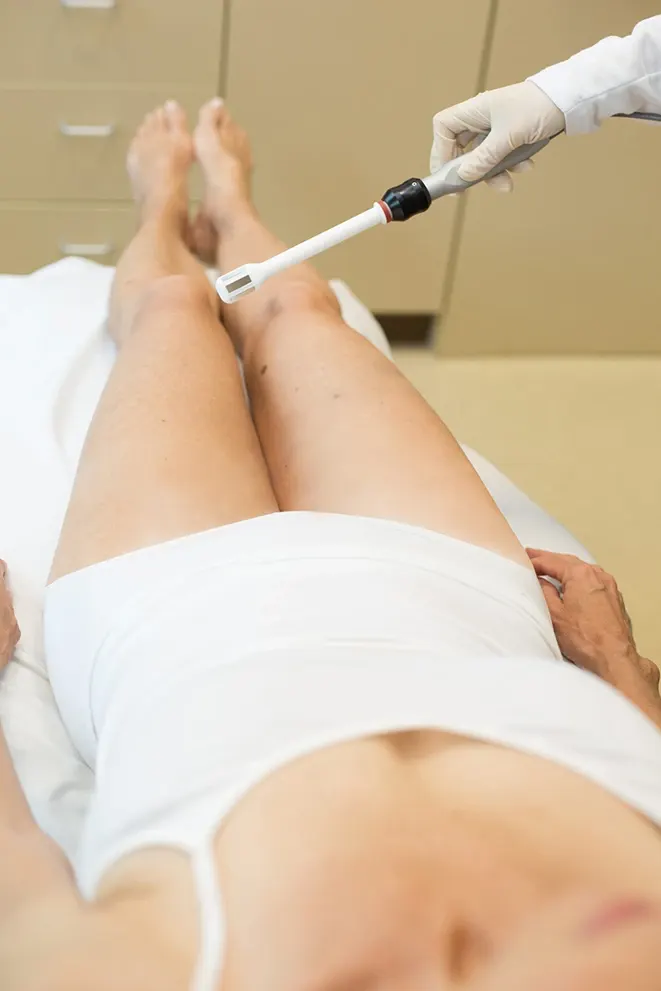
To whiten the intimate area, we recommend starting with laser hair removal, because hair contains far more melanin than skin does. If the hair isn't removed first, then no matter which whitening laser you use, the laser energy is easily absorbed by the hair follicles. Removing the hair first ensures the skin of the intimate area receives the full effect of the whitening laser.
- Features of Triton Hair Removal
1. Combined wavelengths
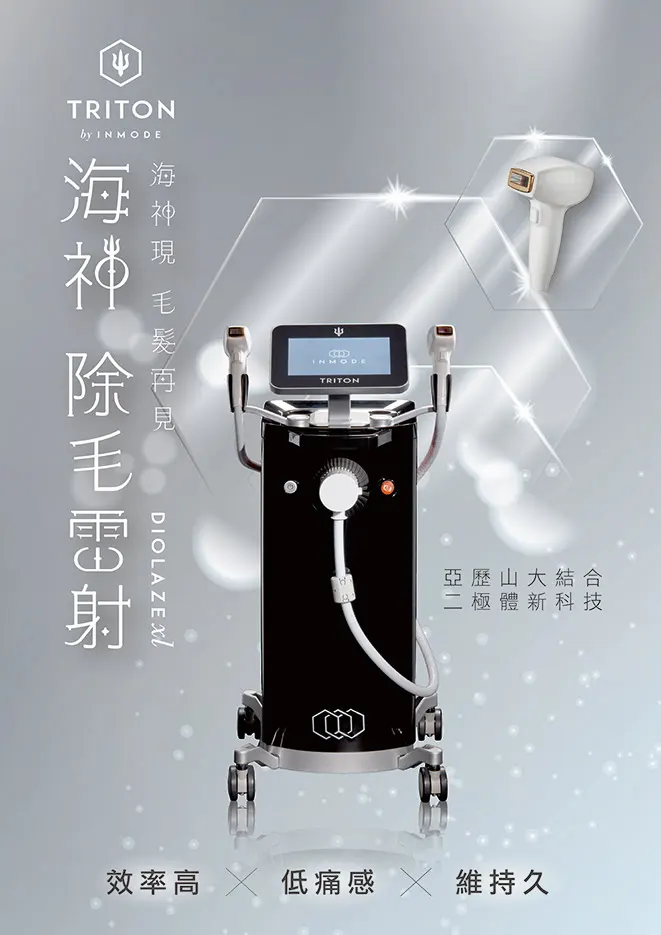
Combining 755 nm and 810 nm laser wavelengths, it can even handle hard-to-treat fine hair, light-colored hair, and wheat skin tones. All skin tones and hair types are suitable for Triton hair removal, and it can remove both “new follicles” and “deep hair” in one go. Compared with traditional hair removal lasers, fewer sessions are needed and hair removal is more efficient!
2. Triple cooling technology
Triton hair removal laser has 3 cooling mechanisms: a pre-cooling plate cools the skin before the laser fires; at the moment of firing, the sapphire tip of the handpiece cools the skin; and after firing, a post-cooling plate cools it again. This keeps the epidermis at a normal temperature before, during, and after treatment, making it nearly painless, the most comfortable laser hair removal treatment.
Learn more:
Benefits of Intimate Hair Removal? Must-Know VIO Tips: How to Get Smooth Skin Without Pain
Hair Removal Showdown! At-Home Devices vs. Triton Hair Removal: Differences, Pros, and Cons
Intimate Area Whitening: Ablative Lasers
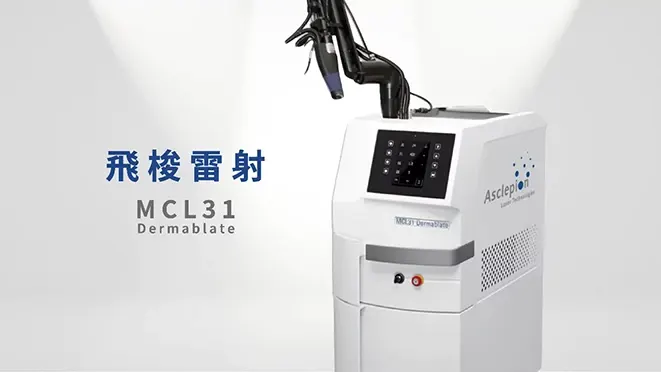
If the darkening is caused by thickened stratum corneum from friction, you can consider an “ablative laser” that targets the stratum corneum, such as an Er:YAG laser, CO2 laser, or fractional laser.
- How Ablative Lasers Work
They mainly use the absorption of laser light by water to destroy tissue. Because water is present in all cells, the laser acts on all the tissue it hits. When the energy is high enough, it vaporizes the stratum corneum, achieving a resurfacing effect that makes the skin look pinker.
- Aftercare Precautions
Melanin usually renews on a 28-day cycle. Even after the laser, you must maintain the results and avoid excessive friction, or pigmentation will still occur. In addition, ablative lasers create small wounds, so besides keeping the area moisturized and applying a steroid ointment to prevent dryness and inflammation, you can also cover the wound with artificial skin for better recovery and less pain.
Intimate Area Whitening: Pigment Lasers
Pigment lasers are whitening lasers that target and destroy melanin. The “picosecond laser,” “alexandrite laser,” and “Q-switched laser” you often hear about all belong to this type.
- How Pigment Lasers Work
Laser energy penetrates the skin directly and shatters a large pigment spot into tiny pieces, which the body then metabolizes and clears. This destroys melanin and pigment spots and removes tattoos, while also promoting collagen production and skin tissue repair, helping to improve uneven skin tone and achieve a whitening effect.
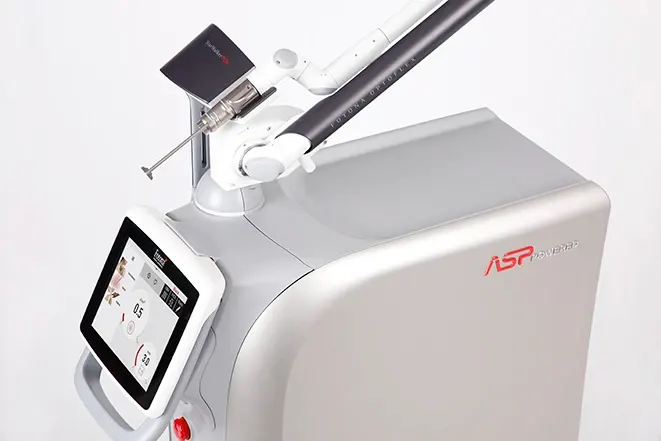
- Recommended Picosecond Laser: StarWalker PQX
StarWalker PQX combines the advantages of picosecond and Q-switched lasers, integrating photoacoustic and photothermal effects, so it solves multiple skin problems more effectively than other brands of picosecond laser while shortening downtime and causing less pain, making it the most popular picosecond laser treatment today!
Learn more:
A Laser That Doesn't Darken Skin! StarWalker PQX Improves Skin Conditions
This article is for general information only. Results vary from person to person; please consult a doctor in person before deciding on any treatment.