Contents
Summer is slowly approaching, and as the weather changes you may be getting out your crop tops and shorts. But after a winter of neglecting exercise and diet control, many people find the extra pounds have crept back. Or maybe you sit for long hours and have several important events next month, and you are wondering how to get your figure back in shape. Instead of relying only on fasting and endless body sculpting, why not look at a quick and convenient option: lipolysis injections, which can help you get back to your ideal shape in the shortest time. This article is a round-up of subcutaneous fat reduction. Let's take a look!
What Is Subcutaneous Fat Reduction?
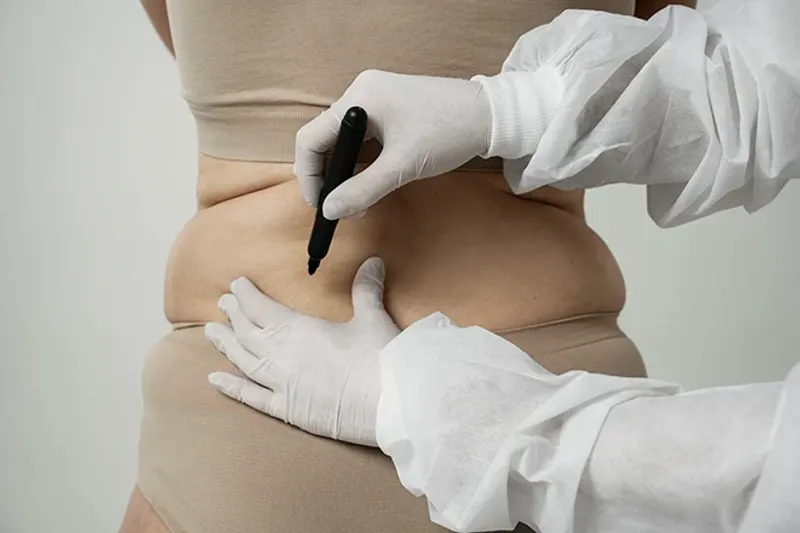
Subcutaneous fat reduction uses “lipolysis injections” to eliminate “localized fat.” It sounds like a mouthful, right? Put simply, when the active ingredients of the injection reach the fat under the skin, they damage the cell membranes and break down the fat cells, which are then metabolized and cleared from the body, resulting in a fat-reducing and sculpting effect.
The treatment itself is quick and safe, and it can improve specific local areas, which is why it has become a popular shortcut to fat reduction.
What Are the “Fat Cells” Mentioned Above?
A fat cell is a spherical cell that contains a nucleus, cytoplasm, and fat fluid, and the fat fluid is full of triglycerides. When calorie intake increases (or is excessive), fat cells grow larger and more numerous, which leads to obesity. That is why fat reduction has to target the fat cells themselves and destroy or remove them, shrinking the cells and burning off the triglycerides to achieve fat reduction and body shaping.
Incidentally, fat cells are very stubborn (which is why losing weight is so hard). Exercise and diet control can only reduce the size of fat cells, not their number, so to reduce the number of fat cells, you need a fat-reduction treatment (such as lipolysis injections) or liposuction surgery to do it.
Is Losing Fat This Way OK? A Quick Guide to Fat-Loss Methods
Where Can Lipolysis Injections Be Used?
Lipolysis injections can be used on a very wide range of areas; basically, any area you want to slim down can be treated. Facial concerns include a double chin and jowls; body concerns include bat wings (upper-arm flab), lower belly, love handles, saddlebags, buttocks, and thighs and calves. The injections not only reduce fat but can also sculpt small areas precisely, helping you regain a confident figure faster.
How Do You Get Rid of a Double Chin? 5 Exercises and 5 Treatments at a Glance, the Complete Guide
Summer Is Here! A Complete Guide to Getting Rid of Saddlebags
What Brands of Lipolysis Injections Are There?
There are two groups of brands: Kybella from the United States, and Taiwan's Gandejian and Carnitine.
Kybella (United States)
Kybella is approved by the US FDA, the European Medicines Agency (EMA), and the Taiwan FDA, and its effectiveness has been confirmed in large clinical studies, so it is widely regarded as the go-to treatment for a double chin. Its single active ingredient is deoxycholic acid (2%), which makes fat cells rupture. The treatment needs only a few needle punctures to destroy fat cells at precise spots, promoting their dissolution and clearance from the body, and the process is safe and fast.
In addition, while the fat is being destroyed, macrophages of the immune system also stimulate fibroblasts and new collagen formation, making the skin firmer and more elastic, so Kybella does double duty: it eliminates the double chin and also tightens the jawline.
Gandejian (Taiwan)
It affects the structure of the fat cell membrane; once the membrane is disrupted, the fat cell is dissolved. At the same time, it also helps repair the liver and improves how well the liver metabolizes fat. Its main ingredients are polyenylphosphatidylcholine (derived from soy lecithin) and sodium deoxycholate. Working together in the subcutaneous fat layer, they increase the sensitivity of cell membrane receptors to insulin and raise the collision coefficient of fat cells, causing them to rupture or shrink. The liquefied fat cells break down into small molecules, travel through the lymphatic vessels to the liver, are broken down again, and are then excreted from the body, producing the fat-reducing effect.
Carnitine (Taiwan)
Also known as L-carnitine, it boosts metabolism and is mainly used to keep cells from accumulating fatty acids and increase fat metabolism, producing a fat-dissolving effect. (It is usually combined with Gandejian to dissolve fat and speed up its metabolism.) When the body lacks L-carnitine, it can lead to fatigue, muscle weakness, and obesity, affecting normal body function. Injecting L-carnitine (that is, Carnitine) can therefore help burn fat and promote metabolism.
Carnitine is often used as an IV drip, also called a lipolysis drip, and it is also very helpful for people who regularly attend business dinners, stay up late, worry about high visceral fat, or have fatty liver. It can serve both as a body-contouring treatment and as a way to support your overall health.
| Brand | Gandejian | Carnitine | Kybella |
|---|---|---|---|
| Purpose | Converts neutral fat and cholesterol into forms that are easier to metabolize | Transports long-chain fatty acids into the mitochondria for oxidation, producing energy and preventing fat accumulation | Directly destroys fat cell membranes, causing the fat cells to rupture |
| Administration | Subcutaneous injection / intravenous injection (drip) | Subcutaneous injection / intravenous injection (drip) | Subcutaneous injection |
| Treatment Area | Face / whole body / visceral fat | Face / whole body / visceral fat | Face / double chin |
Lipolysis Injections: Frequently Asked Questions
Q: Is there downtime after lipolysis injections?
A: Yes. Some local redness and swelling can occur afterward, and an ice pack can help. Itching or redness is a normal reaction and means your body is dissolving the fat, and the resulting mild inflammation can be eased with gentle massage and warm compresses. You should also drink plenty of water to help the fat cells clear from the body.
Q: How long do the results last? Will the fat come back?
A: Fat cells destroyed by lipolysis injections do not regenerate. However, you still need to manage your daily routine and eating habits. If you keep eating carelessly and staying up late after treatment, new fat cells can form and the weight can come back. Lipolysis injections help speed up the fat-reduction process, but they are not a one-time fix, so you still need a suitable routine and healthy eating habits to make the results last.
Q: How soon will I see results?
A: Lipolysis injections require at least 3 to 5 days of recovery, and you will start to see results about 2 to 4 weeks after treatment.
Q: How are lipolysis injections priced?
A: For lipolysis injections, the pricing unit is the vial, and one vial covers an area about the size of a palm. The easiest way to estimate how many vials you need is to place your palm over the area you want to treat.
Q: How many injection sessions are needed, and how far apart should they be?
A: Take a double chin as an example. The doctor first assesses the thickness and extent of your fat, and if there is a small amount of localized fat, at least two treatments are needed. Mild swelling follows each session and needs to subside before the next one. We recommend an interval of at least four weeks between treatments; if the swelling has not settled after four weeks, you can postpone the next session by one to two weeks.
Q: What aftercare is needed?
A: Lipolysis injections do not disrupt daily life, but the medication can cause an inflammatory reaction or mild swelling and discomfort. If these symptoms occur, you can ease them in the following ways.
First 72 hours: avoid rubbing and makeup, and use cold compresses to relieve swollen areas.
First week: use sun protection and moisturizer, avoid hot environments and strenuous exercise, and you can add gentle massage.
First month: avoid spicy food and alcohol, drink more water to boost fat metabolism, and cut back on refined starches.
This article is for general information only. Results vary from person to person; please consult a doctor in person before deciding on any treatment.