Contents
If you have had aesthetic treatments before, you are probably quite familiar with the "picosecond laser," and many people even visit aesthetic clinics for regular picosecond laser sessions. But what exactly is a picosecond laser? How does it differ from a conventional skin-clearing laser? What skin problems can it solve? How often should you have a picosecond laser treatment? This article answers all your questions about picosecond lasers in one place!
What Are Picosecond Laser and Pico Honeycomb?

Picosecond laser is the latest laser technology. Its pulse duration is measured in picoseconds (10⁻¹² seconds), producing a powerful light-induced shockwave in an extremely short time that shatters melanin into dust-sized particles, which the body then clears through its natural metabolism. It can be used to treat dull skin tone, enlarged pores, pigmented spots, acne scars, and pitted scars.
The honeycomb is a focusing lens for the picosecond laser. When a honeycomb lens is added during picosecond laser treatment, it creates a focusing effect that magnifies the original energy 24 times, allowing the laser wavelength to reach the dermis to stimulate collagen production and improve enlarged pores, fine lines on the forehead and around the eyes, acne scars, and other skin concerns.
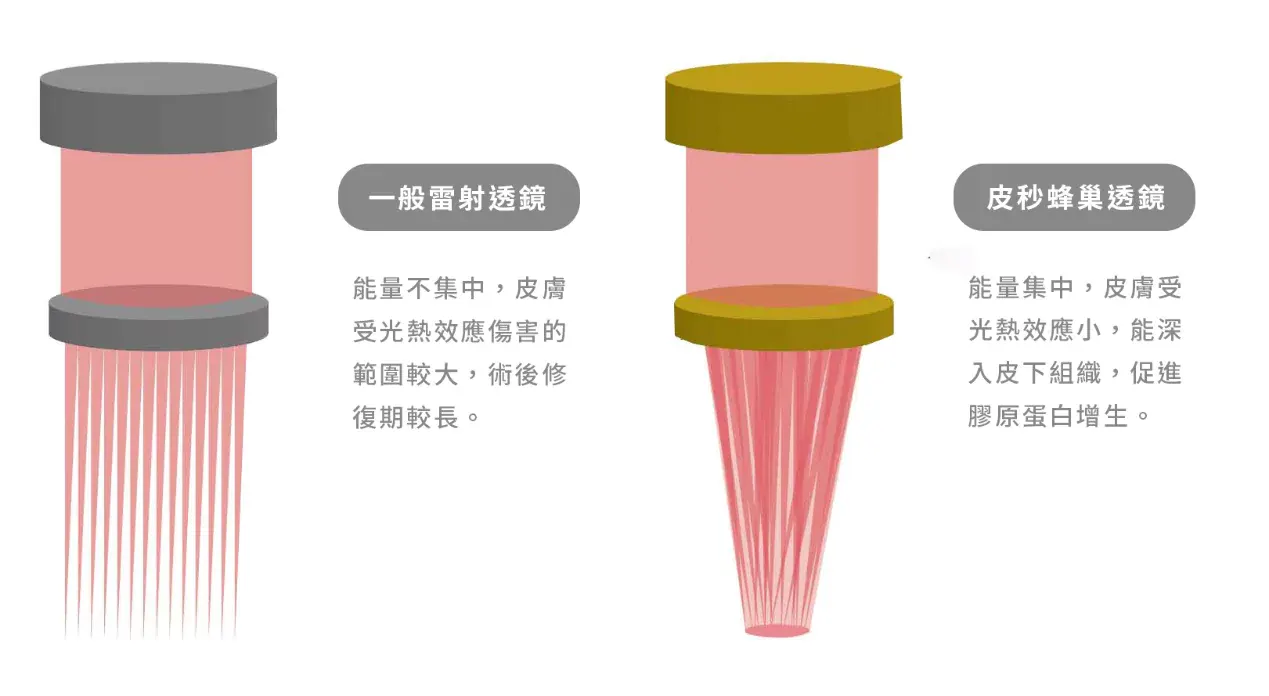
In addition, Pico honeycomb has the advantage of handling skin brightening and tattoo removal at the same time. It reduces the photothermal effect during treatment and lowers the risk of pigmentation, so you do not need to worry about rebound darkening after the laser.
However, after Pico honeycomb treatment, tiny pinpoint bleeding spots easily appear on the skin surface and last for about a week. After the procedure, avoid wearing makeup, limit skin contact with water, and step up sun protection.
Picosecond Laser vs. Skin-Clearing Laser
The two main differences between a picosecond laser and a conventional skin-clearing laser are the laser's pulse duration and how well it shatters melanin.
Each shot of a picosecond laser lasts one hundred-millionth of a second, 1,000 times faster than a skin-clearing laser. Because the energy stays in the tissue for a very short time, it effectively lowers the chance of thermal damage and burns to the skin and shortens post-op recovery.
Because a picosecond laser fires so quickly, it can shatter melanin into dust-sized particles, while a skin-clearing laser can only break it into fragments. Pulverized melanin is easier for the body to metabolize and leaves the body faster. Simply put, a picosecond laser is far more effective than a skin-clearing laser at eliminating melanin and pigmented spots.
Picosecond Laser Can Treat These Skin Problems!
● Superficial and deep spot removal

Superficial spots
When melanin accumulates only in the epidermis, it is called superficial pigmentation, which includes freckles, sun spots, and age spots. A treatment mode with a shorter wavelength and higher energy is usually used to carbonize the surface of the spot so that it forms a scab, which falls off on its own within about a week. Depending on how thick the melanin deposit is, 1-3 picosecond laser sessions are needed to remove superficial spots, but if the energy of a single session is too strong, it may damage tissue and cause the opposite effect of rebound darkening.
Deep spots
When melanin accumulates deep in the dermis, it is called deep pigmentation, which includes hyperpigmentation and melasma. A treatment mode with a longer wavelength and lower energy is usually used to fade deep spots. Deep pigmentation is usually related to hormonal changes or genetics, so besides picosecond laser treatment, we recommend pairing it with oral whitening supplements or IV drip treatments, and about 4-10 picosecond laser sessions are needed for noticeable results.
2023's Latest Spot Treatments at a Glance: The One Influencers Unanimously Recommend!
● Hyperpigmentation and uneven skin tone
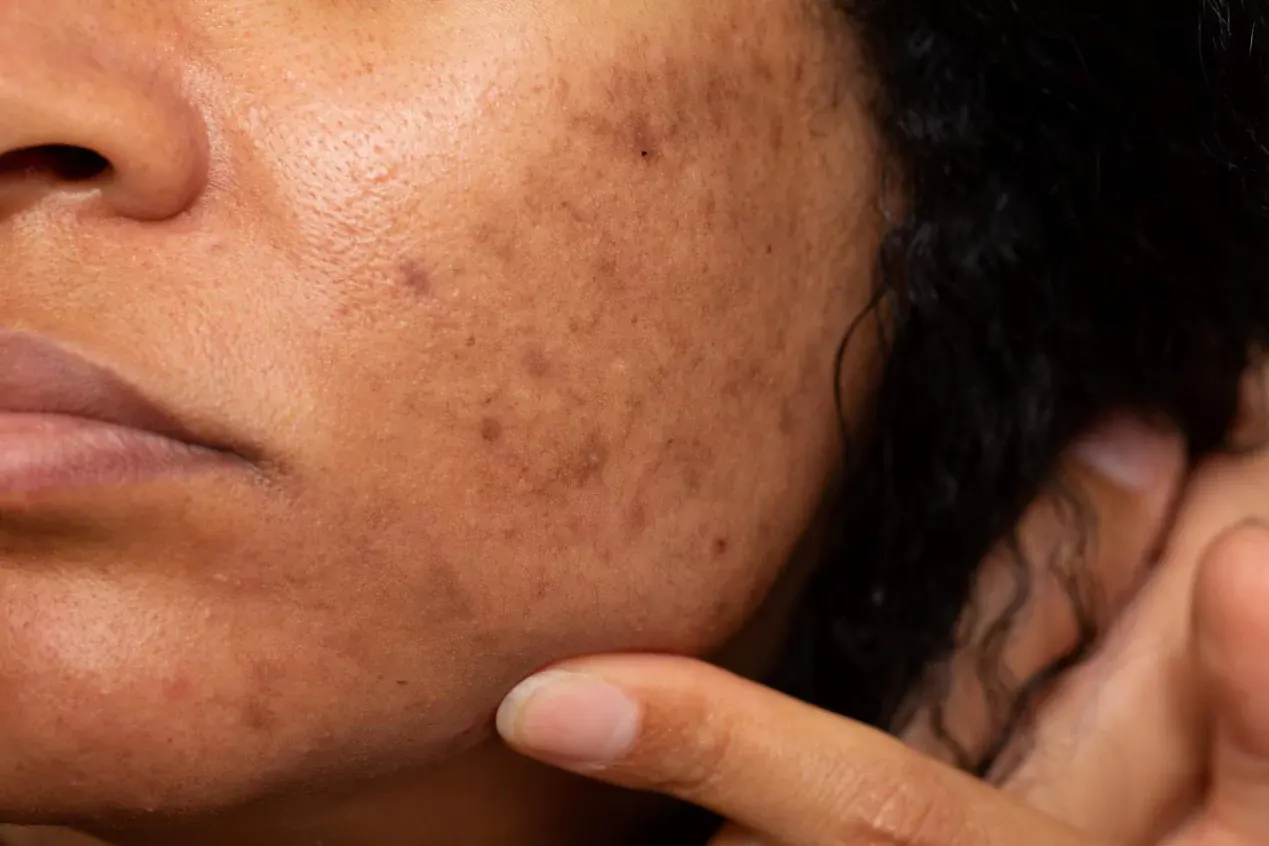
The causes of dull skin tone are mainly related to internal and external factors:
Internal causes:
These include an irregular daily routine, poor skin metabolism, dry and dehydrated skin, and a lack of iron, vitamins, and other nutrients.
External factors:
Too much dead skin buildup makes the skin surface uneven, so when light hits the skin it cannot be reflected evenly, which makes the skin look duller. In addition, when keratinocytes are exposed to sunlight, UV damage activates melanin, making the skin look dull and even forming sun spots.
Picosecond laser mainly improves dullness caused by external factors. The laser destroys melanin in dull skin and removes dead skin cells at the same time, allowing the skin to produce new, healthy cells. Combined with a regular daily routine, it can improve skin condition from the inside out.
● Pitted scars and acne scars
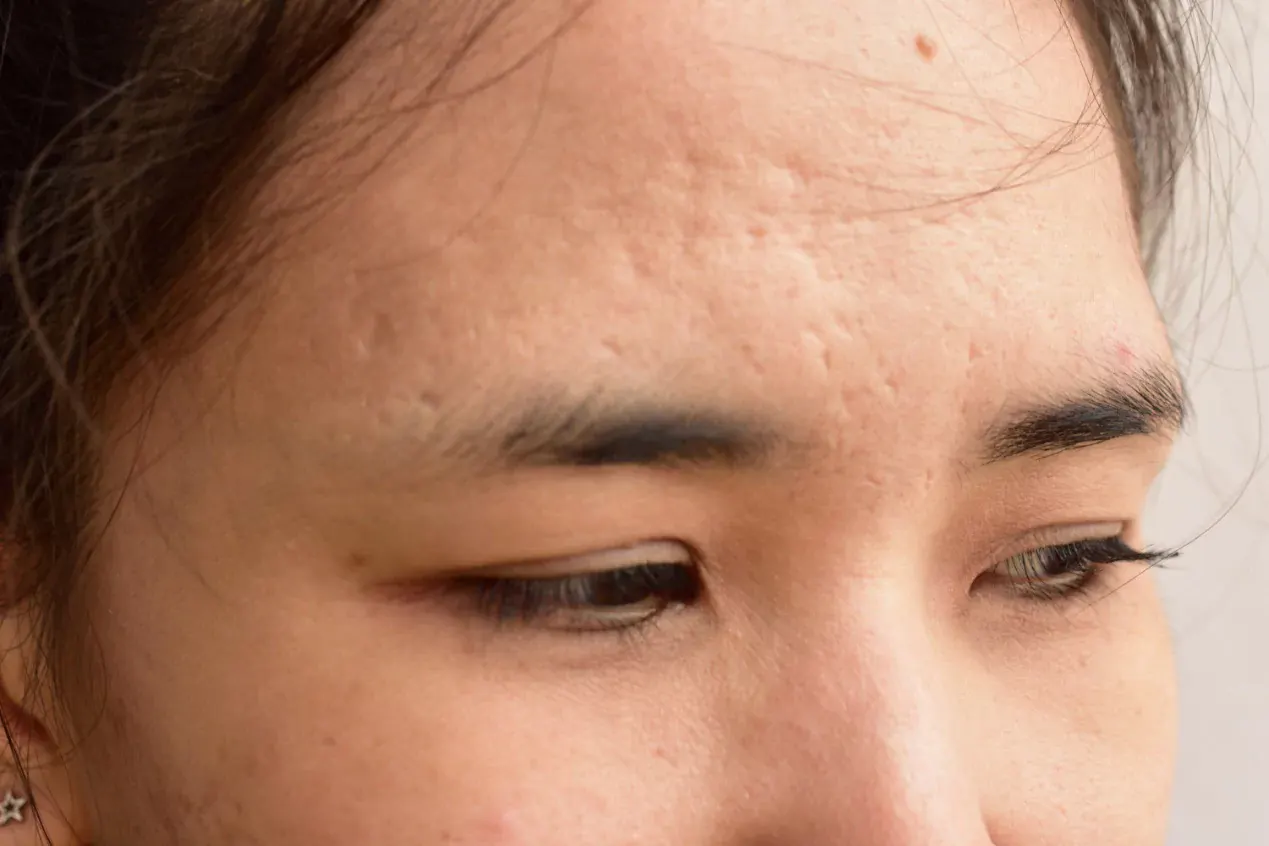
Acne is a skin problem almost everyone has experienced. Acne triggers inflammation in the surrounding skin, and when the inflammation reaches a certain level, it damages the dermis, leaving the common pitted scars and red or dark acne marks.
Pitted scars and acne scars are scar tissue that grows as a result of inflammation. They require a high-energy picosecond laser with a honeycomb lens to focus the energy and break up the tangled scar tissue beneath the skin, stimulating new dermal growth while leaving the epidermis intact. Completely removing pitted scars and acne scars requires more picosecond laser sessions.
● Enlarged pores
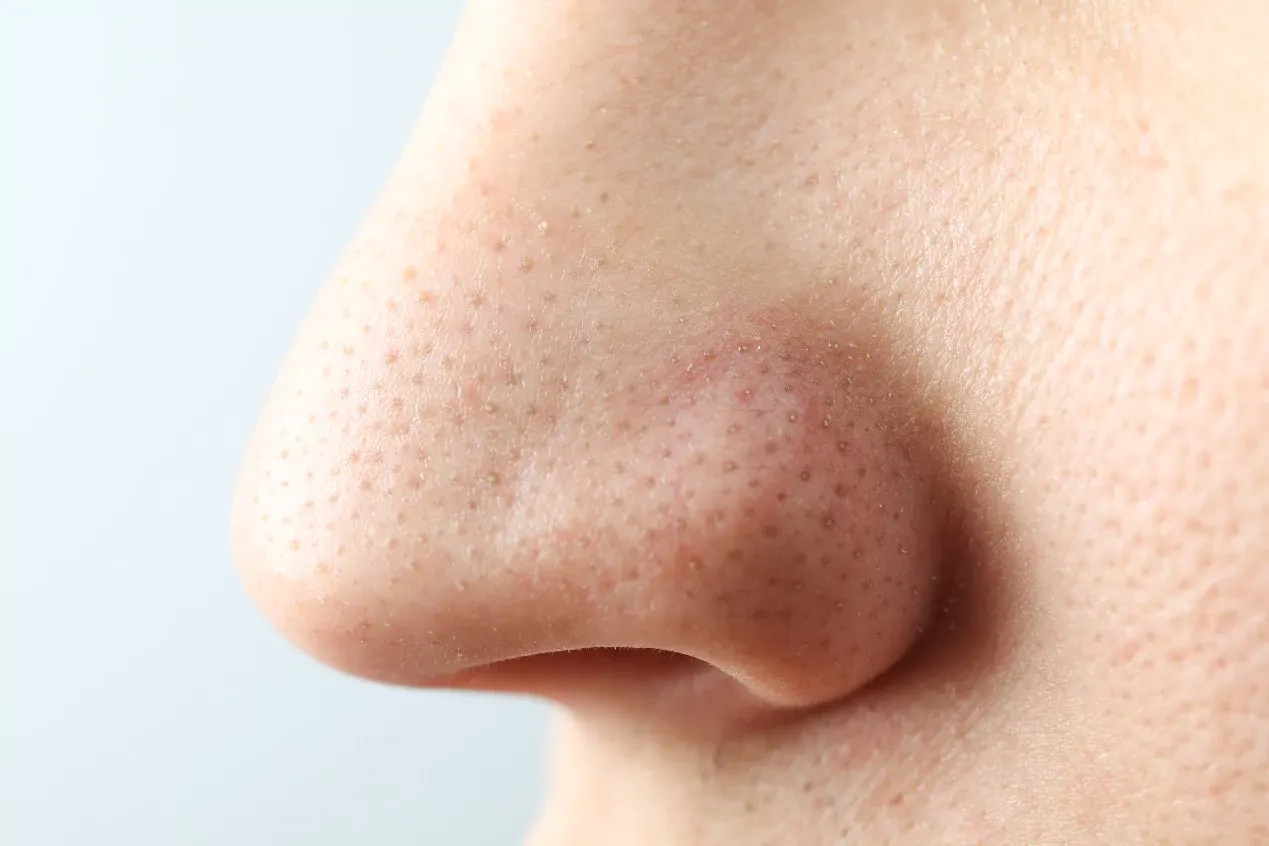
Enlarged pores are usually related to overactive sebaceous glands. Excess sebum mixes with dead skin cells to form the blackheads we often see, which stretch the pores wide and keep them from contracting.
For enlarged pores, a picosecond laser with a honeycomb lens can focus energy into the dermis to stimulate the skin's own collagen production, which can shrink pores and tighten the skin, and also helps reduce fine lines and wrinkles.
What About Enlarged Pores?! Can Picosecond Laser Really Improve Them?
● Tattoo removal
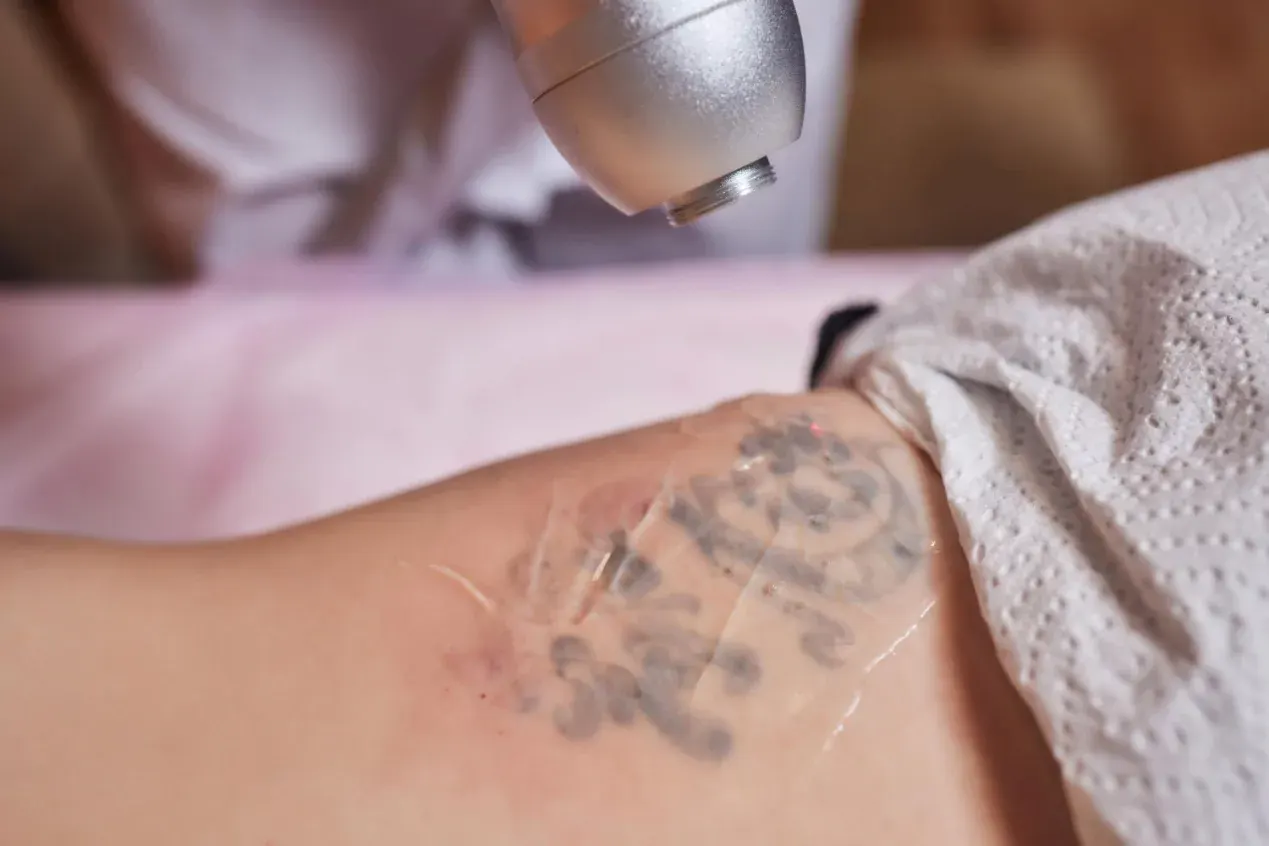
Picosecond laser can also be used to remove tattoos! It uses the laser's instantaneous energy to shatter the tattoo pigment particles deep in the skin, and the body gradually metabolizes the shattered debris. Because tattoos come in many colors and the pigment lies at different depths, laser tattoo removal remains fairly difficult and takes multiple sessions to clear completely.
Tattoos that are easier to treat:
Gray-scale and blue-black tattoos are the easiest to remove! Basically, the more uniform the color, or the more gray, blue, or black the tattoo is, the better the results can be, even if the tattoo is more than a year old.
Tattoos that are harder to treat:
Dense, multicolored, and large-area tattoos are harder to remove, including yellow, green, and red. To remove a tattoo completely, we recommend 8-10 picosecond laser sessions.
How Often Should You Have a Picosecond Laser Treatment?
The skin's keratin turnover and repair cycle is 28 days, so we recommend spacing picosecond laser treatments 1 to 1.5 months apart. Removing dead skin cells and brightening the skin is a large-area, low-energy maintenance treatment, so the second session can be done a month later to achieve the brightening effect. Small-area, high-energy spot and scar removal treatments are recommended 1.5 months apart to give the skin more time to heal.
How Long Is the Recovery After Picosecond Laser?
Picosecond laser can deliver energy precisely to the treatment area without damaging surrounding cells, reducing thermal damage to the skin while also stimulating skin renewal. It has the advantages of low pain, few side effects, and a short recovery time.
After picosecond laser treatment, the treated area will show slight redness that gradually fades within a few hours. Within a week, you may experience redness and swelling, dryness and itching, scabbing, and peeling. Never pick or scratch, step up skin hydration, and use proper sun protection when you go outside to avoid rebound darkening.
This article is for general information only. Results vary from person to person; please consult a doctor in person before deciding on any treatment.