Contents
- How RF and Ultrasound Treatments Work
- How Thread Lifts Work
- Common Thread Materials Compared
- Thread Lift vs. RF/Ultrasound: Recovery and Longevity Compared
- Thread Lift vs. RF/Ultrasound: Risks Compared
- Who Is a Good Candidate for a Thread Lift
- Who Is a Good Candidate for RF Lifting
- Who Is a Good Candidate for Ultrasound Lifting
How do you choose between a thread lift and RF or ultrasound lifting? This article compares how each treatment works, its results, recovery, longevity, and who it suits, and explains the differences between common thread materials, to help you find the aesthetic lifting treatment that is right for you.
How RF and Ultrasound Treatments Work
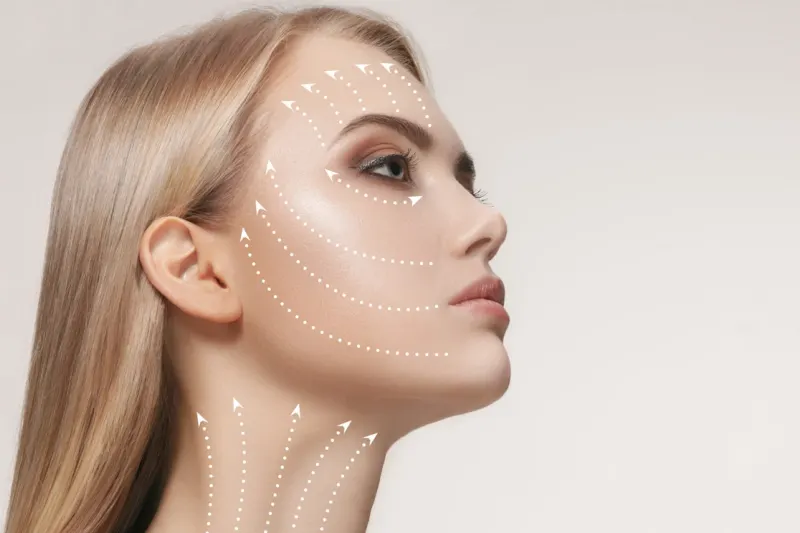
These treatments use RF/ultrasound energy to heat skin tissue. After moderate heating, the tissue is stimulated to produce collagen, which tightens the skin. Therefore, RF and ultrasound are less a lifting treatment than a “tightening” treatment with a lifting effect on the side. Although RF and ultrasound can make the whole face firmer, if some sagging remains, it is because RF and ultrasound tighten the skin but have no direction.
Learn more:
RF vs. Ultrasound: Principles, Prices, and Who They Suit, Explained!
Thermage FLX vs. Ultraformer MPT (4th Generation): Differences at a Glance
How Thread Lifts Work
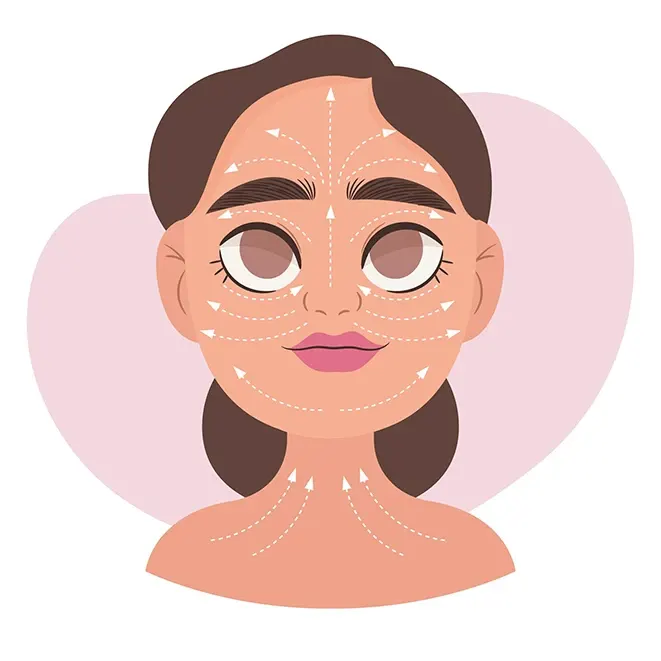
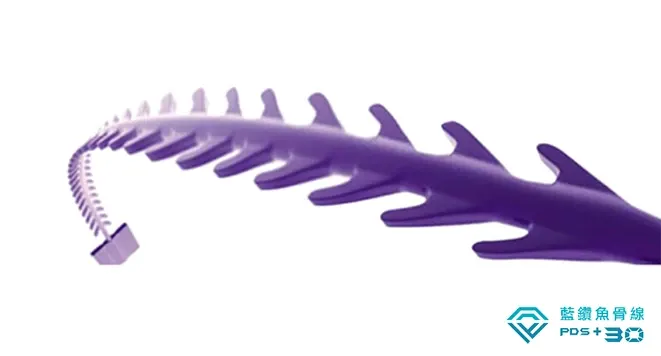
A thread lift places absorbable medical threads under the skin with a minimally invasive technique. The threads have barbs, which distribute tension evenly across the subcutaneous tissue to lift the deeper layers of skin. And because thread lifts are directional, they give a better lifting effect, not only improving laxity and sagging but also stimulating collagen production and adding plumpness. In addition, thread lifts can be used on a wide range of areas, and almost any laxity of the facial and neck skin can be improved well with a thread lift.
- Areas a Thread Lift Can Improve
Upper face: forehead lines, drooping brows and forehead, crow's feet
Midface: sagging apple cheeks, nasolabial folds
Lower face: jowls, turkey neck, double chin, marionette lines, sagging cheeks
Common Thread Materials Compared
| Stratafix | MINT Lift | QUILL (feather thread) | MIRACLE THREAD | V-LOC (barbed thread / rose thread) | Silhouette Instalift (girl thread) | |
|---|---|---|---|---|---|---|
| Material | PDS+ | PDO | PDO | PDO | PDSII | PLGA |
| Thread Features | - Single/double-needle barbs - End anchor piece for stronger support - 8 barbs per cm | - 360-degree bidirectional spiral barbs - One-piece construction that resists breakage | - Single/double-needle barbs - Evenly distributed spiral barbs with strong pull | - 360-degree bidirectional barbs - Weaker pull - 9 barbs per cm | - One-sided barbs - Neatly distributed, strong lifting force - 20 barbs per cm | - Contains poly-L-lactic acid cones - Also stimulates collagen production |
| Absorption Time | 6-8 months | 6-8 months | 4-6 months | 6-8 months | 3-6 months | Non-absorbable |
| Thread Length | 45cm | 17cm / 43cm | 14cm / 45cm | 17cm / 45cm | 45cm | 30cm |
Thread Lift vs. RF/Ultrasound: Recovery and Longevity Compared
| Thread Lift | RF/Ultrasound | |
|---|---|---|
| Invasiveness | Minimally invasive | Non-invasive |
| After the Procedure | Small wounds / bruising / swelling | No wounds or bruising Slight redness and swelling |
| Downtime | About 1 month | Essentially no downtime Redness and swelling fade in about 5-7 days |
| Time to Results | Immediate | Most noticeable 2-6 months after treatment |
| Longevity | About 1.5-2 years | About 1 year |
Thread Lift vs. RF/Ultrasound: Risks Compared
| Thread Lift | RF/Ultrasound | |
|---|---|---|
| Risk | Uneven skin surface, localized numbness | Skin burns, blisters |
| Cause | Threads pulled too tight; blood vessels or nerves pulled during insertion | Energy level set too high |
| Solution | If any of these occur, return to the clinic promptly; recovery is gradual and takes roughly six months to a year | Do not use too much energy at once; adjust gradually |
Who Is a Good Candidate for a Thread Lift
- Improving deep lines
- Adjusting facial contours
- Lifting specific areas
- People with medium skin thickness
- People who want an immediate lifting effect
Who Is a Good Candidate for RF Lifting
- Aging-related sagging and fine lines
- People with more cheek fat
- Overall facial lifting
Who Is a Good Candidate for Ultrasound Lifting
- Sagging but still reasonably firm skin
- People with less cheek fat
- Overall facial lifting
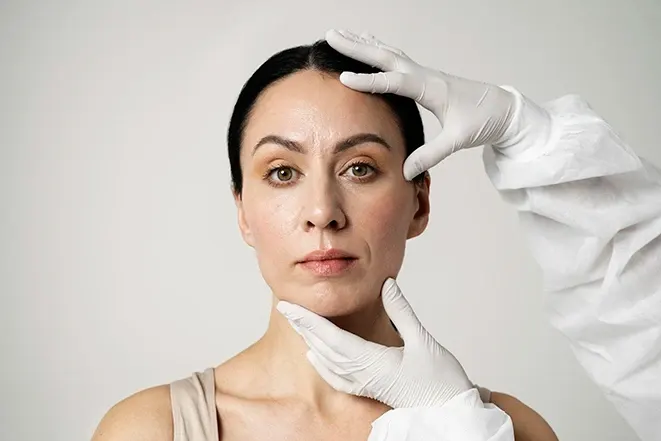
Because skin and fat thickness and the degree of laxity differ from person to person, different treatments give different results, and every aesthetic lifting treatment has its limits. Before choosing a treatment, we recommend talking it through with your doctor to understand what it can realistically do, so that you have reasonable expectations.
This article is for general information only. Results vary from person to person; please consult a doctor in person before deciding on any treatment.