Contents
Is intimate care really that big a deal? Yes, it really is! Many products on the market for intimate care, whether oral supplements or cleansers, imply how important “intimate hygiene” is. According to surveys, as many as 70% of women are prone to intimate-area skin problems in summer. The most common complaint is “intimate itching,” mostly caused by infection or overly dry skin. To avoid intimate discomfort, build good habits of proper cleansing and care every day. This article rounds up several principles and key points for intimate care, so let's get started.
Understanding the Intimate Area
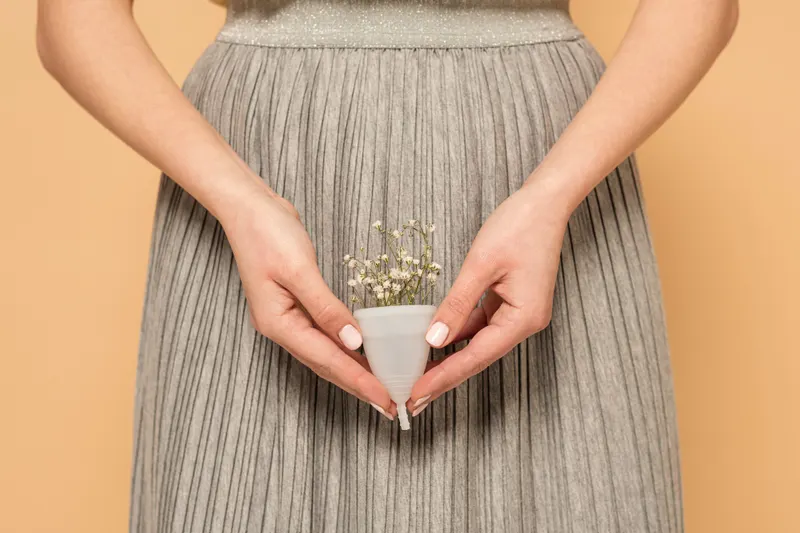
The intimate area consists of the vagina and the vulva, which are different. The vulva is the part outside the vagina and includes the labia. The labia have two parts: the outermost folds are called the labia majora and the innermost folds are called the labia minora. The vulva also includes the raised pubic area, the clitoris, and the openings of the vagina and urethra.
As part of the internal reproductive organs, the vagina is a muscular tube inside the body.
Under normal circumstances, there is no need to specially wash the vagina, because it cleans itself; it does so by regularly discharging a mixture of secretions and cells. Deliberate washing may disrupt the balance between good and bad bacteria.
Washing the vagina depletes the lactobacilli inside it, and the vagina must maintain its natural acidic pH to prevent infection. When the vagina's pH balance is disrupted, it opens the door to problems such as bacterial vaginosis, which may cause burning during urination, gray, white, or green discharge, and a fishy vaginal odor.
Intimate Care Key: pH Levels Differ

According to obstetrician-gynecologists, intimate-area pH changes from before puberty through adulthood and pregnancy to menopause, and the related problems encountered also differ greatly, so daily cleansing and care naturally differ too. For example:
(1) Young Children Before Puberty
Their sense of hygiene is less mature than that of adults, and inadequate cleaning when using public restrooms and sweaty, stuffy conditions from running and jumping easily cause intimate-area infections, which parents should pay attention to! Also, before the first period, a girl's intimate-area pH is about 7, which is neutral, so choosing intimate cleansing products suited to young children is even more important.
(2) Adult Women After the First Period
A woman's intimate skin is mildly acidic. Keep the area clean every day, and depending on your situation you can also use care products to maintain a healthy environment and reduce the chance of infection and discomfort.
(3) Women During Their Period or an Infection
During the period, after sex, and during infection, a woman's intimate-area pH is slightly higher than usual, and she may need antibacterial or prebiotic-formulated products made specifically for the intimate area to help balance the area. If you feel uncomfortable, it's still best to see a doctor first and pair that with suitable intimate cleansing and care products.
(4) Mature Women and Menopause
During menopause, as estrogen secretion gradually decreases, the intimate-area pH rises and gradually becomes neutral, which makes urinary tract infections more frequent in menopausal women and also makes dryness in the intimate area more likely.
What Are Common Symptoms of Intimate-Area Infections?

“Vaginitis” is inflammation of the vagina, causing symptoms such as abnormal discharge, itching, and pain. Common types and their symptoms are as follows:
1. Bacterial Vaginosis
When improper douching or frequent sexual activity upsets the vagina's acid-base balance, bacteria overgrow and cause infection. More than half of cases have no symptoms, or the discharge is thin and milky with a “fishy odor,” especially after sex or after the period.
2. Yeast Infection (Candida Vaginitis)
A weakened immune system, long-term medication use, pregnancy, diabetes, and poor personal hygiene can all cause fungus in the vagina to overgrow and lead to infection. The discharge is white and thick like cottage cheese, or watery, with no odor; the vagina or vulva is itchy, red, and swollen, and urination causes a burning sensation.
3. Trichomonas Vaginitis
A condition caused by a single-celled parasite called Trichomonas, often spread through sexual activity or indirectly through bathhouses and swimming pools. The discharge is yellow-green, frothy, and foul-smelling. The vagina and vulva are itchy and sore, with burning during urination, lower abdominal discomfort and vaginal pain during sex, and symptoms that get worse after the period.
4. Allergic Vaginitis
Soap, feminine hygiene products, lotions, lubricants, detergents, and fabric softeners can all irritate the vagina or surrounding skin and cause an allergic reaction. Symptoms include itching, burning, and irritation of the vulva and vagina, with thick, mucous-like yellow or green discharge.
5. Atrophic Vaginitis
Declining ovarian function and insufficient estrogen leave the vagina dry or atrophic. It occurs mainly during and after menopause and is also called genitourinary syndrome of menopause; surgical removal of the ovaries, breastfeeding, and medications used for breast cancer and endometriosis also lower estrogen and are among the causes of vaginal atrophy. Symptoms include painful sex, vaginal itching and burning, and urinary urgency and frequency.
4 Keys to Intimate Area Care
(1) Keep It Fresh and Clean
After using the toilet, wipe the intimate area from front to back to keep it clean and dry and avoid infection, itching, odor, and other problems. At the same time, wear breathable underwear and avoid wearing tight clothing for long periods, because sweat, intimate-area secretions, and a hot, humid environment especially encourage bacteria to grow and multiply.
We recommend carrying intimate-area wipes, cleansing sprays, and similar products, all of which help keep the area fresh and clean.
(2) Use Panty Liners Correctly
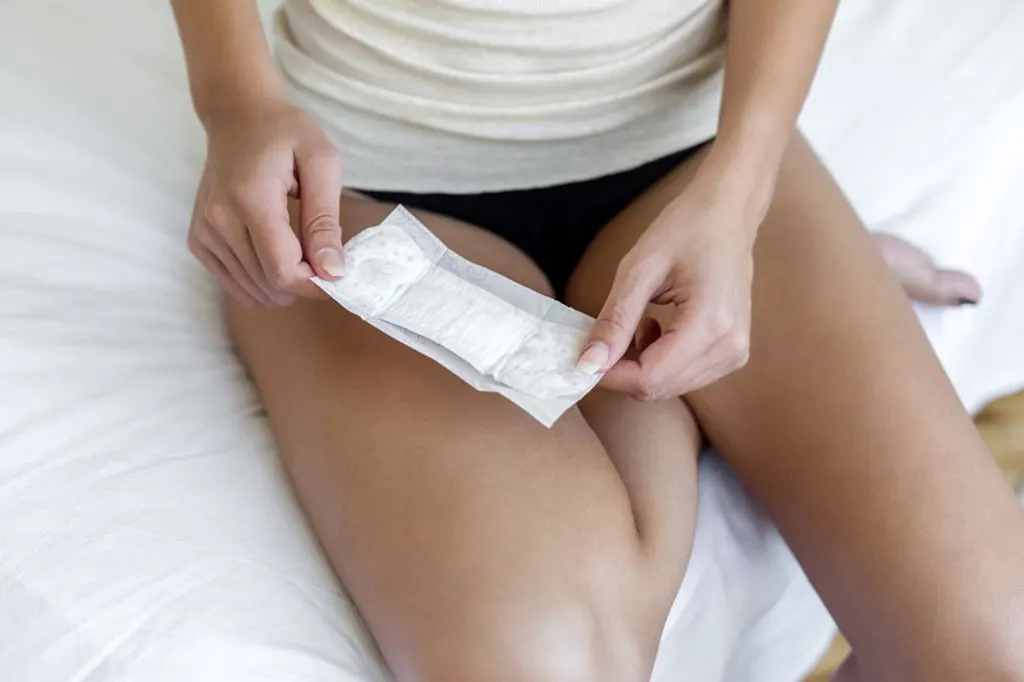
Many women use panty liners in daily life to avoid the discomfort caused by excess discharge, but some liners are made of materials that chafe the intimate area, and scented liners can easily irritate it. Also, if you don't change liners regularly, they not only fail to protect the area but also greatly increase the chance of infection.
So we recommend using panty liners according to your situation, for example: when discharge is heavy or menstrual flow is light. And a reminder again: be diligent about changing your liners! Don't skip changing just because they don't look dirty or haven't absorbed much blood; we still recommend changing at least once every 2 hours!
(3) Use Cleansers Made for the Intimate Area
Because the protective barrier of intimate skin is very fragile and easily damaged by alkaline soap and chemical ingredients, and the intimate area absorbs 13-22 times more than other areas of skin, you need to choose an intimate-area cleanser with natural ingredients, a gentle formula, and no soap alkali to maintain pH balance and health in the intimate area, while reducing the chance of irritation and infection.
(4) A Healthy Diet and Routine
Besides avoiding bad habits in intimate cleansing and care, what you eat also helps create a healthy intimate environment and lowers the chance of itching, odor, and similar problems! For example: cranberries, unsweetened yogurt, and fruits and vegetables rich in vitamin C and anthocyanins all help maintain the ecological balance of the intimate area and strengthen its defenses.
Also remember to drink plenty of water, eat fewer refined sweets and processed foods, and keep a healthy routine. Avoiding late nights and stress, which lower your immunity, is also key to protecting intimate health!
Votiva Takes Good Care of Your Intimate Area
Besides the self-care measures above, there is another little helper that is painless and needs no recovery time, and can solve many concerns at once! That is “Votiva”. Today's RF technology suits not only the body and face but can even care for the intimate area! If you struggle with vaginal laxity, postpartum urinary leakage, odor and itching, recurring infections, or heavy discharge, this treatment is highly recommended.
Votiva is a gentle intimate-area care treatment that requires no surgery. It uses broad-coverage “RF energy” to heat deep within the tissue, stimulating collagen regeneration and activating the pelvic floor muscles and vaginal firmness. During treatment you feel only mild warmth, with no pain and no wounds, and you can feel the effect right after the session.
What Exactly Is Votiva? Can This Intimate Care Treatment Make Every Day Feel Like Valentine's Day?
5 Major Advantages of Votiva:
1. Single-use probe, safe and hygienic
2. The probe has a temperature sensor, so treatment temperature can be controlled in real time
3. Painless, no numbing cream needed
4. Effectively improves laxity and urinary leakage 5. At NAISS CLINIC, female doctors perform the treatment, and it is a care treatment that requires no surgery
This article is for general information only. Results vary from person to person; please consult a doctor in person before deciding on any treatment.