Contents
- Skin Problems That May Appear After Laser
- How Is Laser Skincare Different from Regular Skincare?
- Will Pigmentation Always Rebound After Treatment?
- Do You Need a Face Mask Every Day After Laser?
- Besides Boosting Hydration, What Else Should You Watch After Aesthetic Treatments?
- Is There a Way to Speed Up Recovery or Rescue Skin After Picosecond Laser?
- Is Aesthetic Treatment Suitable for Sensitive Skin?
- Will Regular Picosecond Laser Make Skin Fragile?
With so many people getting laser treatments, are there really no concerns? Is laser really that amazing? Laser is the first treatment most people try. It's reasonably priced and clearly improves skin concerns. But can everyone get laser? Will your skin definitely look great afterward? Is laser alone enough to take care of your skin? You probably have plenty of questions about laser, so this article gathers several frequently asked questions and answers them all in one place!
Skin Problems That May Appear After Laser
Depending on the laser device, treatment depth, and mechanism of action, the size of the post-treatment wound will differ. For example, some lasers act on dermal tissue and the wounds are so small they are almost invisible to the naked eye, while others leave visible open wounds. How severe the skin's condition is after laser, and how long it lasts, depend on the type of treatment, your skin sensitivity, and your follow-up skin care.
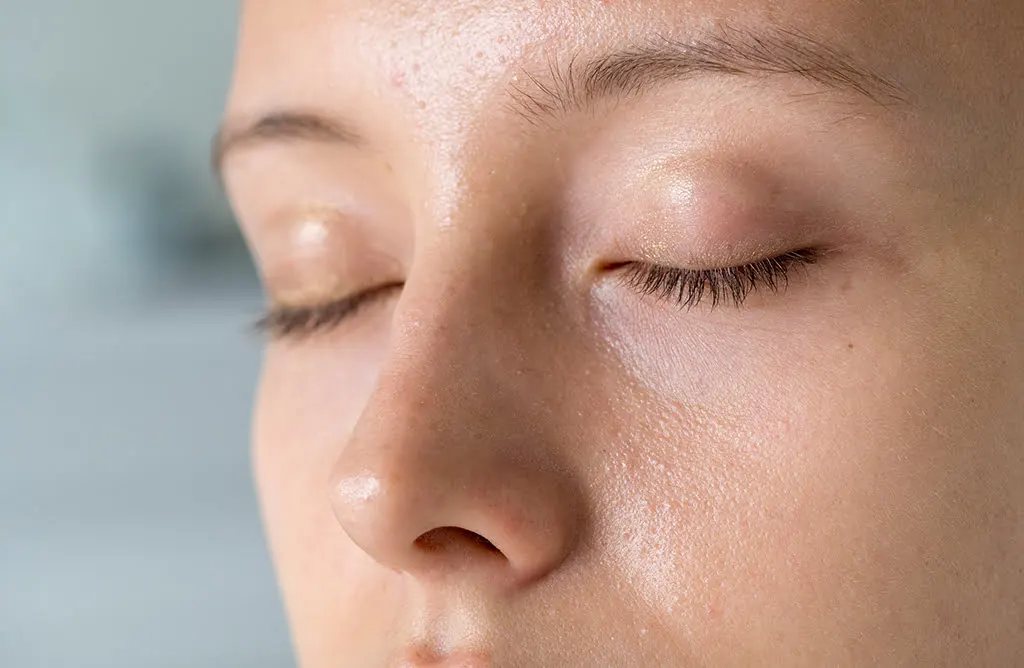
Common skin problems include temporary redness, swelling, inflammation, bruising, and stinging, which usually fade gradually within a few days to a week. During the skin repair period, scabs will also form and later peel; avoid picking off scabs so you don't interfere with normal skin recovery. If after laser you experience severe discomfort, abnormal symptoms, or suspected infection, contact your doctor immediately for further guidance and treatment. In addition, strictly following your doctor's advice and keeping up appropriate skincare helps reduce discomfort and promote recovery.
Season change ready! Picosecond laser for enlarged pores
How Is Laser Skincare Different from Regular Skincare?
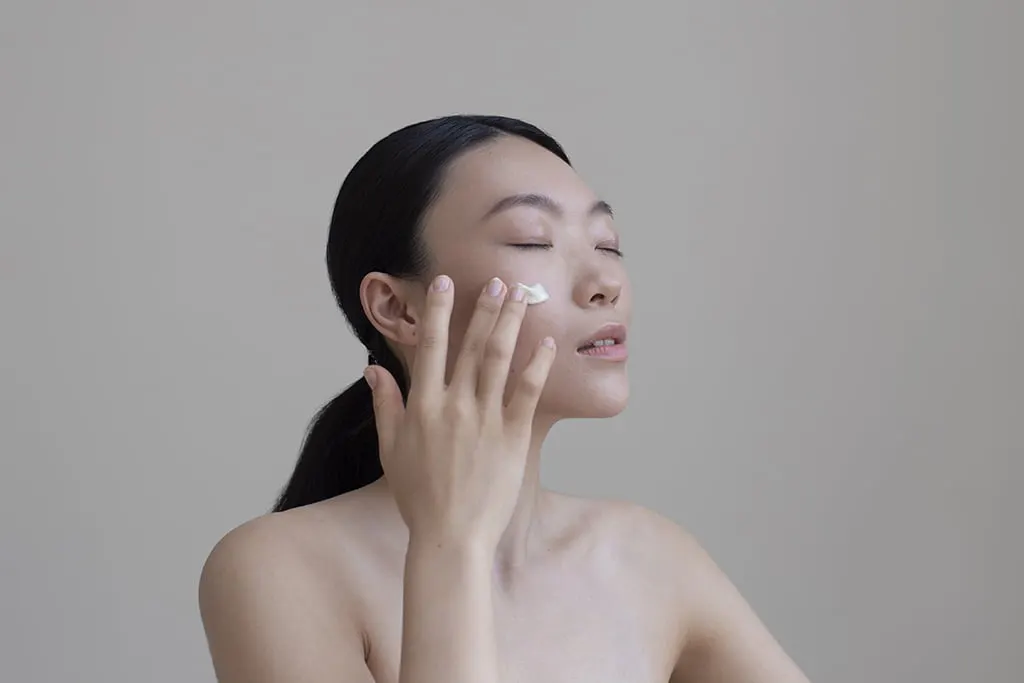
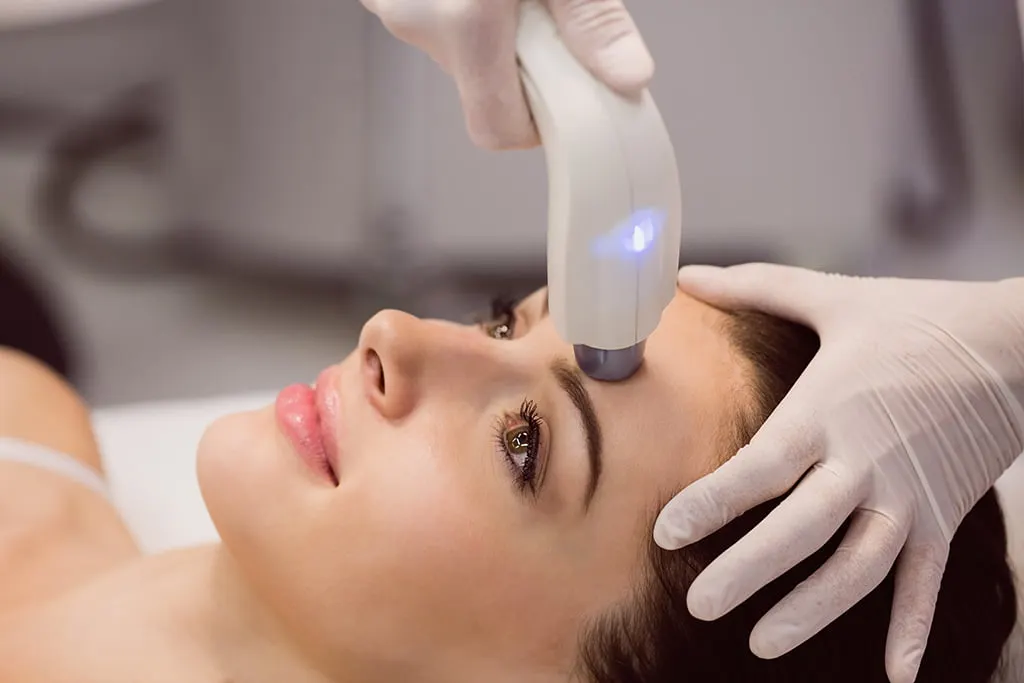
Laser works mainly by using laser light of different wavelengths to penetrate skin at different depths to address skin concerns across the whole face or in specific target areas. Different types of laser cause different degrees of skin damage, but even lasers that leave no obvious wounds on the face after treatment, such as laser toning and IPL, still reduce the skin's ability to retain moisture, and can easily cause sensitivity, redness, dryness, and itching.
So the three key points of aftercare are: cleansing, moisturizing, and sun protection.
(1) Cleansing: caring for open wounds
A wound that keeps oozing tissue fluid generally needs its dressing changed every 4-6 hours. The wound needs to stay “clean” but must not become too “dry”. After treatment there will be a lot of flaking and scabbing on the face. You can remove them with clean gauze dipped in water so that bacteria don't grow and slow down healing. Also, many people think a wound should be kept exposed to air, but without artificial skin, leaving the wound open to the air easily makes it dry out and form a scab, and scabbing increases the chance of rebound darkening and redness.
P.S. No face washing: however, because oily skin produces a lot of oil every day, on the second and third days after the procedure you can wash your face with water or physiological saline.
(2) Moisturizing: face masks are not recommended
Damage to the stratum corneum after laser reduces the skin's moisture retention, and skin is still sensitive for 3-5 days after laser. When you can start using moisturizing products also varies by laser type. Usually, after laser, on days 1-2 you will apply a steroid ointment to reduce the skin's inflammatory response, and only start using moisturizing skincare products from day 3 onward, such as lotion and repair cream.
Face masks are not recommended, because ingredients that did not cause sensitivity or allergy before treatment may cause breakouts or even contact dermatitis when applied to sensitive post-treatment skin.
(3) Sun protection
Wearing a hat, sunglasses, and the like can take the place of sunscreen products. After treatment, skin is more sensitive to light, and to avoid rebound darkening or UV damage to the damaged stratum corneum, sun protection is one of the essential steps. Many commercial sunscreens need cleansing milk to remove them, which easily burdens an already damaged stratum corneum, so in the first week after treatment, when you go out, we recommend giving priority to physical sun protection such as hats, umbrellas, sunglasses, and masks.
Must-learn aftercare for aesthetic treatments! A roundup of information from across the web
Will Pigmentation Always Rebound After Treatment?
When the skin receives laser heat energy, it develops wounds, and when those wounds become inflamed they produce pigmentation. Asian skin in particular has more active melanocytes, so pigment deposition is more likely after laser.
After the scab falls off, besides paying even more attention to sun protection, using brightening products for dark spots and taking more vitamin C can promote melanocyte metabolism, which helps lower the chance of rebound pigmentation after laser.
During the recovery period, choose skincare products that focus on moisturizing and repairing functions; ingredients that support collagen growth help reduce scarring
Do You Need a Face Mask Every Day After Laser?
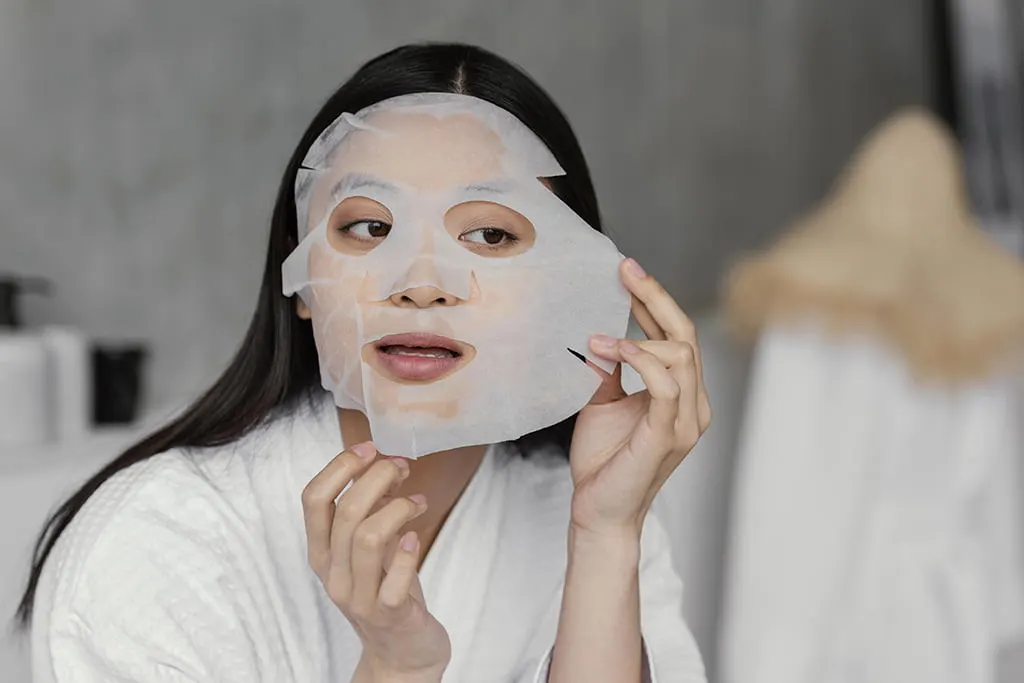
Whether you can use a face mask after laser depends on the type of mask! Many products on the market with whitening ingredients, alcohol and preservatives, exfoliating functions, or acids need to be paused first. If you want to use a face mask, choose ingredients that are “purely moisturizing”.
Besides Boosting Hydration, What Else Should You Watch After Aesthetic Treatments?
Maintenance after aesthetic treatments is very important. After laser, some people's skin is irritated, and when the inflammatory reaction is stronger, rebound darkening or pigmentation may occur.
Aftercare tip 1: Follow your doctor's instructions
If a treatment causes bleeding or scabbing, the doctor will usually prescribe an ointment or oral medication. After the procedure, be sure to follow your doctor's instructions and use the ointment or oral medication your doctor prescribed first, and only resume your regular skincare routine once your recovery is going well.
Aftercare tip 2: Pair with oral medication
Oral medication, such as tranexamic acid, is sometimes recommended as well, but be sure to avoid harsher, more acidic whitening products.
Aftercare tip 3: Keep skincare ingredients simple
If you're not sure whether you can use a product, carefully observe your skin's reaction after using it, and stop right away if you feel any itching or discomfort.
Recommended skincare products for after aesthetic treatments
Is There a Way to Speed Up Recovery or Rescue Skin After Picosecond Laser?
No! Especially after invasive treatments that leave wounds, it's best to set aside at least three days of rest. Makeup is also not recommended afterward. Unless necessary, letting your skin rest is the best help for recovery!
Is Aesthetic Treatment Suitable for Sensitive Skin?
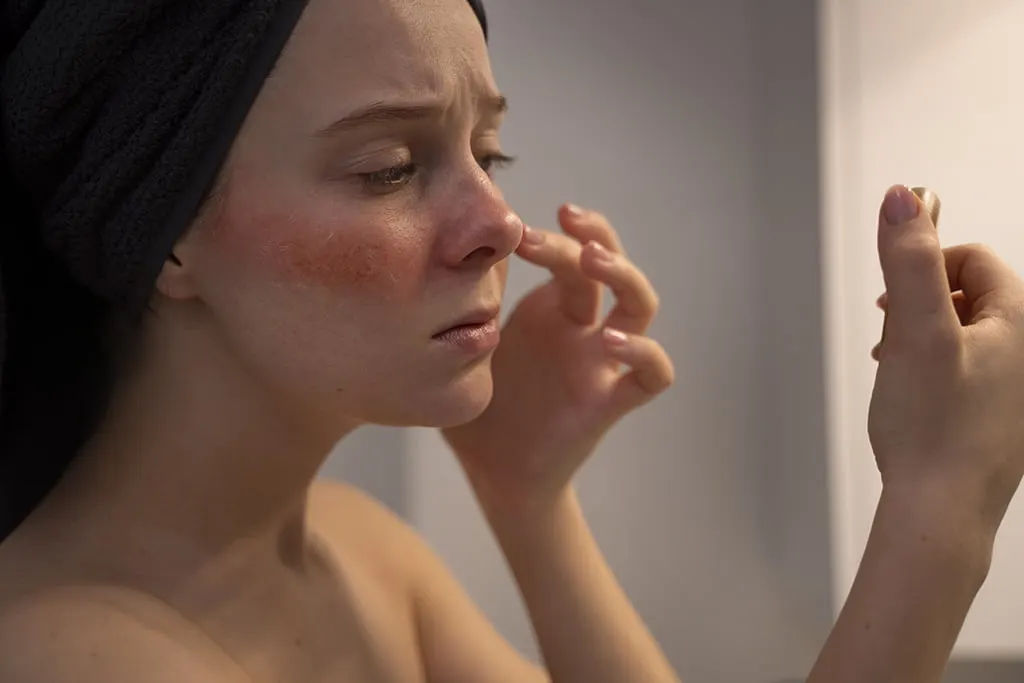
If your skin is currently in a sensitive phase, we do not recommend any aesthetic treatment! We suggest first bringing your skin to a stable state before doing more skincare, and you can have your condition checked at a dermatology clinic or evaluated by a professional doctor at a clinic. If your skin is currently stable and is only generally sensitive, treatment can go ahead.
Will Regular Picosecond Laser Make Skin Fragile?
Most laser treatments aim to “help with skin care,” and basically one session every 1-2 months is enough. Our skin has what is called a “repair period.” If treatments are too frequent, or each one is too intense, the skin is easily damaged, and if it cannot recover in time it is injured again, making the skin thinner and more sensitive.
Therefore, treatment frequency must be evaluated by a professional doctor, and the frequency and recovery time vary with each person's basic condition!
Laser treatments unsuitable in summer? Debunking the laser rebound-darkening myth
This article is for general information only. Results vary from person to person; please consult a doctor in person before deciding on any treatment.