Contents
Do you often squeeze your pimples yourself? Popping a pimple may feel satisfying in the moment, but it can leave scars on your face. Why do acne scars form, and how? Will they stay on your face permanently? To deal with acne scars, you first need to understand how and why they form. Generally speaking, acne scars fall into two main categories, pigmented and textured, and they are handled somewhat differently. Some can be managed with topical products or medication, while others can be treated with aesthetic medicine procedures. This article analyzes the different types of acne scars and explains what you need to know about them.
Two Types of Acne Scars: Pigmented and Textured
(1) Pigmented Acne Scars
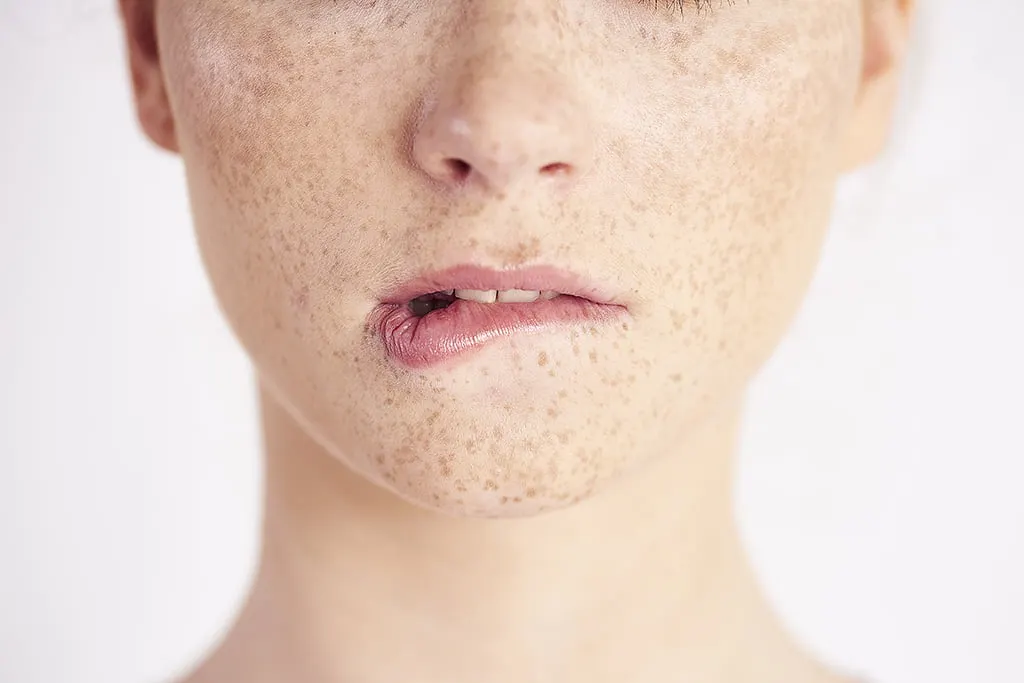
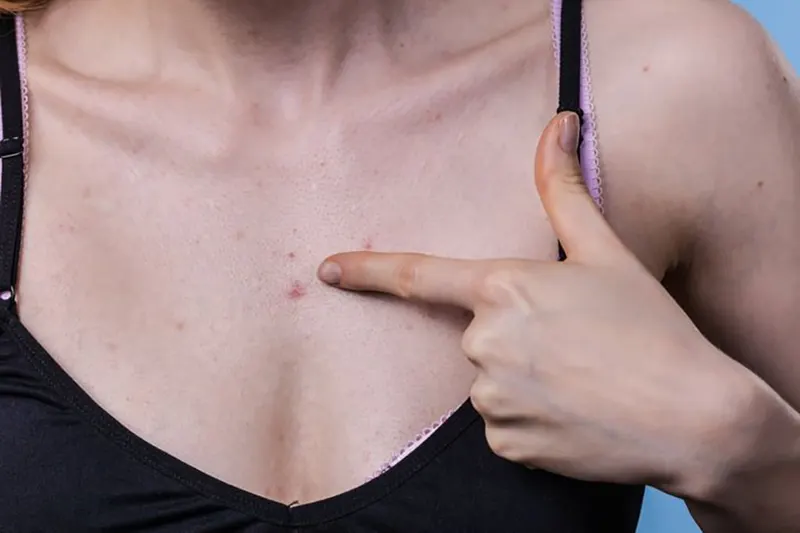
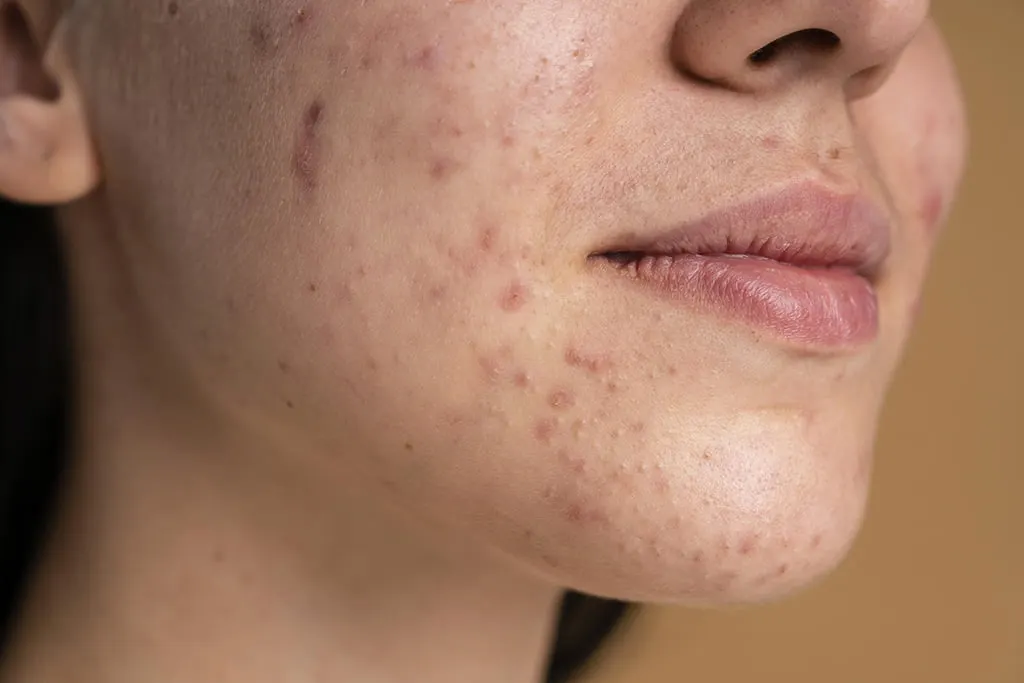
This is a temporary type of acne scar, usually red or dark brown, that is commonly seen after a pimple has healed. Pigmented acne scars are caused by acne-triggered inflammation, which leads to blood vessel dilation and pigment deposits, and they usually fade gradually over time. They are divided into:
1. Red acne scars: These are caused by the inflammatory response of the pimple. When a pimple is in its inflamed stage, the surrounding capillaries dilate and multiply, forming a red mark. This type of scar usually heals gradually within a few weeks after the pimple fades.
2. Dark acne scars: These usually appear black or brown and form mainly when melanin begins to deposit on the skin surface after acne damages the skin tissue. Generally speaking, dark scars are usually harder to fade than red ones, and they need a longer period of care to improve.
(2) Textured Acne Scars (Depressed or Raised)
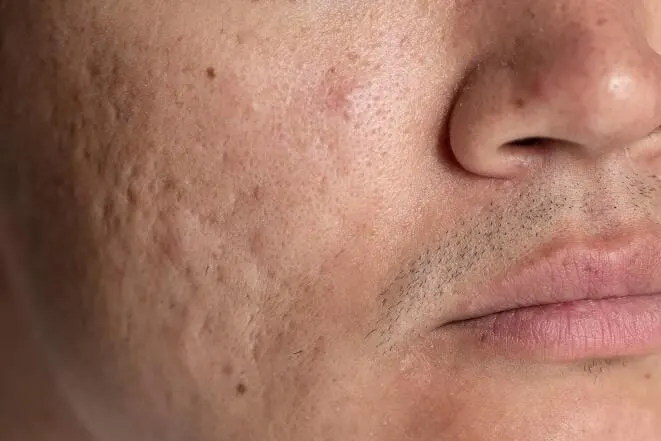
Textured acne scars come from scarring caused by more severe acne inflammation and skin tissue damage, and they usually appear as depressions or raised areas. Compared with pigmented acne scars, textured scars take longer and require more specialized treatment to improve or eliminate.
This type of acne scar is related to whether the individual is prone to scarring. Mild cases can likewise be treated with medication, but if they are not treated promptly, the longer the inflammation lasts, the more swollen the skin surface becomes and the more likely it is to scar and develop pigmentation. Textured acne scars fall into three types:
1. Rolling scars: These result from severe inflammation of cystic acne. The inflammation destroys dermal tissue that cannot grow back, leaving a loss of skin tissue. The scar looks as though a wheel has rolled over the skin, leaving a shallow, saucer-like depression. It is one of the easier types to treat.
2. Boxcar scars: This kind of inflammation causes fibrous tissue to grow in the dermis. The scar looks like bands of fibers and feels as if a rope has pulled the skin surface downward, forming a pit. The shape resembles a boxcar, leaving a square depression in the skin with steep, uneven edges that look like cliffs.
3. Ice pick scars: These look like marks left by an ice pick stabbed into the skin, and they can be as deep as a valley. Sometimes surgical excision and suturing are needed to remove them.
Can Sensitive Skin Get Picosecond Laser Treatment? 4 Key Points for a Smooth Experience
Common Blind Spots with Depressed Acne Scars
Why do depressed acne scars of the same type respond differently to the same treatment? Next, we reveal the many blind spots about acne scars. Only an accurate assessment by your doctor can lead to better treatment results.
1. Size
Even when depressed acne scars are of the same type, their size varies from person to person, which also affects the choice of treatment and the results. For example, for larger rolling scars, the doctor may choose subcision combined with collagen stimulators (PLLA injections) to fill in and lift the depressions. For small, clustered scars, the doctor will use a picosecond laser for treatment.
2. Depth
Take boxcar scars (a type of depressed acne scar) as an example: their depth also varies, so it affects the laser parameters that need to be set, as well as the treatment technique, and this part depends on the doctor's expertise and experience!
3. Firmness
Scars of the same depth can differ in firmness. For example, some feel like normal skin to the touch, but there are also scars that look flat but feel firm when touched, which indicates severe fibrosis beneath the skin. If only a dermal graft is used in such a case, the results are usually poor and may even fail, because the tissue around the pit is abnormal and has difficulty supplying nutrients to the grafted skin. This is why depressed acne scars of different firmness require different laser settings and treatment combinations!
4. Color
Color also affects how noticeable acne scars look. For example, with red and dark scars: red marks often accompany depressed scars, because the capillaries dilate during inflammation and become congested. The longer the inflammation lasts, the longer the red marks remain, and red marks often make depressed scars look more severe. After several treatments, once the redness has faded, the depression will no longer look as pronounced. That is why whenever red marks and depressed scars are both present, the red marks must be treated at the same time for good results!
5. Coexisting Hypertrophic Scars
Next to some depressed acne scars, the skin is not actually normal but is a raised hypertrophic scar, meaning depressed and raised scars exist together. Therefore, treatment cannot rely on a single method!
6. Edge Angle
In some acne scars the edge between normal skin and the pit is vertical, while in others the edge is sloped, so treatment techniques are adjusted according to the slope of the edge to improve results.
7. Mixed Acne Scars
Common types of acne scars include rolling, boxcar, and ice pick scars, but different types of scars may also appear on the same face, for example, rolling scars on the left and boxcar scars on the right. In such cases, each area needs to be treated separately for good results! If a single method is applied to the entire face, the results will naturally not be significant.
8. Texture
If the skin has been injured and scarred, it becomes clearer that normal skin and injured skin differ slightly in texture. For example, normal skin has pores and a slightly rough feel, while injured skin looks white and shiny and feels smooth, without pores. If the texture issue is overlooked and treatment targets only the height difference and unevenness, there will still be differences in texture even after dermal grafting or laser treatment, and there may even be color mismatch.
9. Tunneling Scars
These are hidden, deep acne scars that are also the hardest to treat and require a combination of different treatment methods before they gradually improve. We also want to remind patients that treatment options for this type of scar are limited and a professional doctor needs to assess it in person, so please do not hold excessive expectations.
What to Do About Enlarged Pores? Can Picosecond Laser Really Help?
Laser Options for Acne Scars
(1) Laser Toning
Laser toning for acne scars selectively targets melanin, which helps remove aging dead skin cells and break up melanin, so as to fade pigmented spots and blemishes. At the same time, heating the dermis stimulates collagen regeneration, which helps improve comedones and acne and restores smooth, refined skin.
(2) Picosecond Laser
Picosecond laser uses high pressure to act on the melanin beneath the skin, breaking it into tiny particles that the body absorbs and clears. Compared with other treatment methods, picosecond laser treatment for acne scars causes less damage to the skin and has less impact on the surrounding skin structure, making it one of the safe and effective options.
Is Summer Unsuitable for Laser Treatment? Debunking Myths About Laser Rebound Pigmentation
(3) Laser Resurfacing
Laser resurfacing takes advantage of water absorption to deliver heat energy to skin cells, rapidly vaporizing and destroying the cell tissue. During treatment, scars and aged skin are removed and new skin tissue grows back. However, laser resurfacing usually leaves open wounds, so a longer healing period is needed.
(4) Pulsed Dye Laser
Pulsed dye laser is mainly used to treat reddish skin concerns. It works by using the wavelength's absorption by hemoglobin to suppress the sebaceous glands, and it can also destroy abnormally dilated and proliferating capillaries, thereby reducing the redness and swelling caused by acne and restoring an even skin tone.
(5) 585 Yellow Laser / Fractional Laser
Fractional laser works by using ablative laser heat to destroy epithelial tissue, creating micro-wounds that stimulate the skin's natural repair process, so that healthy skin tissue regenerates and skin depressions improve. It is especially suitable for improving pores, pits, and acne scars.
In addition, you can choose gentler and more convenient options, such as applying anti-inflammatory skincare products containing natural plant extracts like tea tree oil or green tea, or using acid-based exfoliation, such as salicylic acid or fruit acids (AHAs) to help brighten skin tone, improve skin texture, and fade melanin deposits.
Say Goodbye to Acne Scars, Enlarged Pores, and Dullness: Mandelic Acid Transforms Your Skin
No Rebound Darkening! How the StarWalker Picosecond Laser Improves Skin Condition
How to Prevent Acne Scars
Now that you know how acne scars are treated, let's look at how to prevent them. We have put together the following points; with good daily skin care, you can keep your skin healthy!
Choose a Cleanser with Salicylic Acid
Salicylic acid has anti-inflammatory and antibacterial effects, and its lipophilic (oil-soluble) nature helps exfoliate the stratum corneum on the skin surface, which helps prevent pimples from forming.
Use Pimple Patches
Acne patches absorb dirt and oil from pimples and protect the skin from external contaminants, which helps reduce redness and swelling.
Choose Sunscreen Made for Acne-Prone Skin
When choosing a sunscreen, opt for an oil-free sunscreen. Applying it over scars can effectively protect the skin from sun exposure and environmental factors.
Use Skincare Products Containing Vitamin C
Vitamin C has brightening and photoprotective effects and fades acne marks, and it can promote skin repair.
Choose an Anti-Scar Gel
Use AHA Exfoliating Products
Fruit acids (AHAs) help remove dead skin cells, improve skin smoothness, and reduce uneven skin texture.
Try Improving Your Diet
Through your daily diet, make sure you get enough water, vitamin A, vitamin C, and foods rich in omega-3 fatty acids. These not only fight inflammation but also supply the nutrients your skin needs.
Choose Non-Comedogenic Cosmetics
Use oil-free, non-pore-clogging cosmetics to keep acne from getting worse.
Avoid Squeezing Pimples
Try not to squeeze pimples with your hands. Dirt and bacteria on your hands can cause infection or even inflammation, which actually increases the risk of acne scars.
Seek Professional Treatment
If your skin condition is severe, visit a dermatology clinic to have it examined and to evaluate treatment options. Choosing a reputable doctor and clinic ensures a professional diagnosis and treatment for your skin.
Oily Face, Blackheads, and Acne? Proper Skincare Tips to Improve Your Skin
This article is for general information only. Results vary from person to person; please consult a doctor in person before deciding on any treatment.