Contents
Can you get laser treatments in summer? Are you more likely to see darkening afterward? In fact, you can have laser treatments in summer! This article debunks the myths about darkening after laser, explains why it happens, and shows how to choose a laser treatment for summer. Finally, we recommend the latest and most popular laser platform, the third-generation StarWalker PQX picosecond laser, which easily addresses skin concerns so you can enjoy aesthetic medicine comfortably in summer too.
Why Does Darkening Happen After Picosecond Laser?
What Is Post-Laser Darkening?
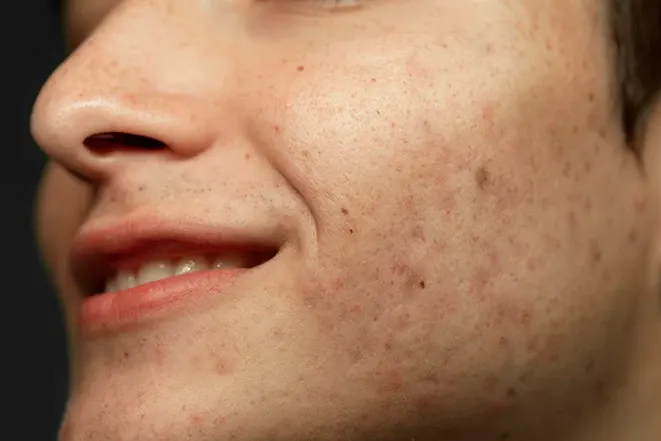
Post-laser darkening is known medically as “post-inflammatory hyperpigmentation.” During laser treatment, the skin suffers thermal injury from the laser and becomes inflamed. Once the skin is inflamed, it produces a pigment response and pigment deposits appear, causing spots that the laser had lightened to darken again or turn dark brown.
3 Main Causes of Darkening
1. Constitution / Hormones
Ethnicity and individual skin type are influencing factors. Melanocytes in Asian skin are more active than in Caucasian skin, so inflammation after treatment is more likely to cause melanin deposition and proliferation. Studies show that the rate of post-laser darkening in Asians is about 10% or higher, and people with darker skin tones are more prone to darkening than those with fair skin. In addition, hormones also affect melanin activity.
2. Improper Laser Energy Settings
If the laser energy is too strong, or lasers are used too frequently, they cause excessive damage to the skin, triggering an inflammatory response and damaging the skin's basement membrane. Besides overstimulating and activating melanocytes to produce melanin, it also gives pigment in the epidermis a higher chance of passing through the injured basement membrane and dropping into the dermis, forming pigment incontinence, which leads to darkening.
3. Not Following Through on Sun Protection and Moisturizing
After a laser treatment, the skin becomes fragile and vulnerable to UV damage. If you don't take care to protect it from the sun afterward, UV rays will stimulate melanocytes to produce more melanin, making the darkening worse. In addition, after darkening occurs following picosecond laser, the skin becomes dry and sensitive, so you need to focus on moisturizing to relieve dryness and sensitivity.
The 3 Stages of Clearing Post-Laser Darkening
1. Inflammation Stage
Picosecond laser causes tiny injuries to the skin and triggers an inflammatory response. The skin may show symptoms such as redness, swelling, pain, and a burning sensation, and these symptoms usually subside within a few days.
2. Scabbing Stage
After the inflammation stage, the skin repairs the damaged tissue, producing new skin cells and collagen. As a result, scabs form, and they usually fall off on their own after a few weeks.
3. Pigmentation Stage
Picosecond laser stimulates the melanocytes in the skin to produce more melanin, so after the scabs fall off, pigment deposits may appear on the skin. These deposits usually fade gradually within a few months.
Under normal circumstances, darkening does not appear after laser treatment, and the skin gradually recovers 6 to 7 days after the session, with the treated area looking pink. Once darkening does appear, the skin automatically metabolizes the pigment, and the pigment that reappears usually fades gradually about 2 months after the darkening shows up; for those who metabolize more slowly, it takes 3 to 5 months.
How to Choose a Laser Treatment for Summer
You may often have heard that “you can't get lasers in summer.” This is because traditional laser treatments usually leave wounds and scabs afterward, and if this is compounded by improper aftercare, as well as heavy sweating in summer that easily aggravates wound irritation, darkening can occur.
However, summer is not an unsuitable time for lasers. On the contrary, pores produce more oil in summer, and this oil can soothe the tiny wounds left by laser treatment, helping prevent dryness, redness, and itching after the laser. In addition, the body metabolizes faster in summer and the skin's ability to repair itself is better than in winter, making summer suitable for lasers with small wounds and quick recovery.
With aesthetic medicine technology constantly advancing, laser treatments have become more diverse and can address a wide range of concerns. For example, skin-maintenance lasers that leave no wounds after treatment allow the skin to recover quickly and also lower the chance of darkening, so they can be used in any season, including summer.
Comparison of Lasers for Summer
| Suitable for Summer | Not Suitable for Summer | |
|---|---|---|
| Laser Type | StarWalker PQX Discovery Pico IPL (intense pulsed light) Laser toning All types of laser hair removal | Traditional lasers for removing spots and moles Fractional laser Ruby laser CO2 laser Er:YAG laser |
| Reason | No wounds; quick recovery after treatment | Leaves wounds; recovery takes several weeks |
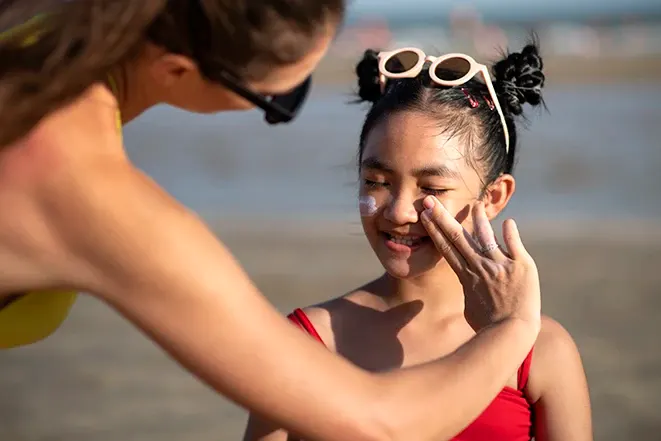
| Post-Treatment Sun Protection | Sensitive skin: use physical sunscreen. Non-sensitive skin: use a sunscreen with SPF 50 and PA+++ | Use physical sun protection first, and switch to other types of sun protection only after the wounds have healed |
Read more:
Recommended Treatment: Third-Generation StarWalker PQX
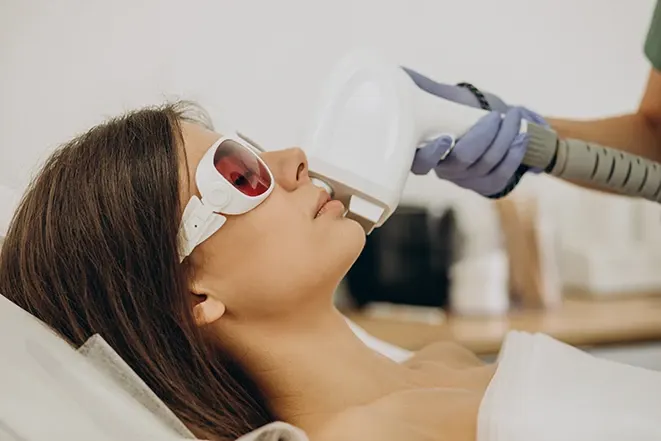
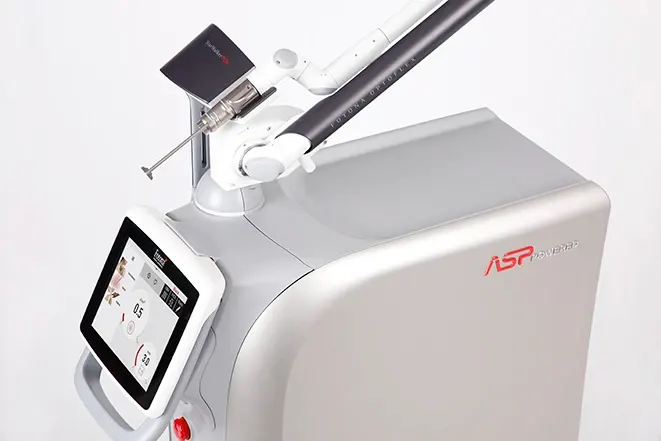
NAISS CLINIC uses the latest-generation StarWalker picosecond laser model, which combines photothermal effects to treat a wide range of skin concerns, while acting on the skin with extremely short pulse durations. Compared with other brands of picosecond laser treatment, it delivers better results and shortens recovery time, making it one of the most popular laser treatments today.
4 Key Features of the Third-Generation StarWalker
1. Patented ASP smart pulse technology, which precisely controls the pulse duration
2. Star-focus handpiece, which effectively stimulates collagen production
3. Patented automatic energy feedback control, which lowers the chance of darkening
4. Integrates photoacoustic and photothermal effects, improving multiple skin concerns
Who the Third-Generation StarWalker Suits
1. Pigmentation such as freckles, melasma, and deep or shallow spots
2. Enlarged pores and pitted acne scars
3. Skin laxity and fine lines
4. Fading or removing tattoos
5. Those who want a short recovery time after laser treatment
Learn more:
What Is StarWalker Picosecond Laser?
No Rebound Darkening! How the StarWalker Picosecond Laser Improves Skin Condition
“Lasers aren't suitable in summer” is a major aesthetic medicine myth. What matters more is choosing the right device and following through on aftercare, which lowers the chance of darkening. Also, please remember that sun protection is needed in every season; protect your skin from the sun all year round to keep it in perfect condition!
This article is for general information only. Results vary from person to person; please consult a doctor in person before deciding on any treatment.